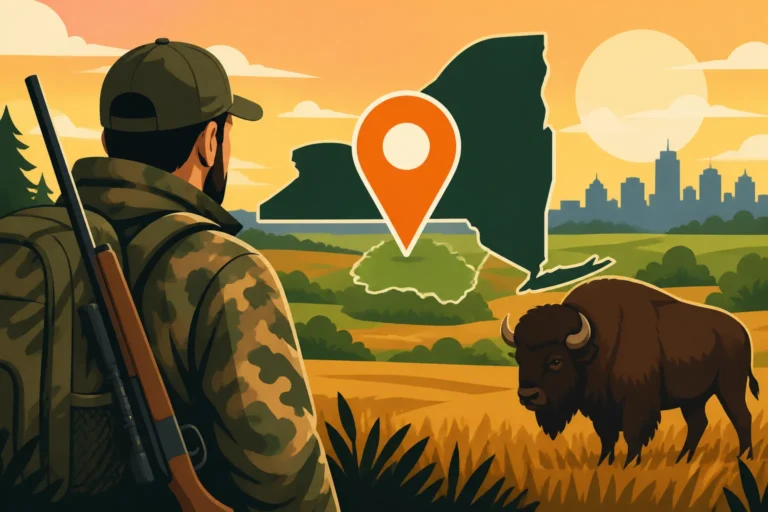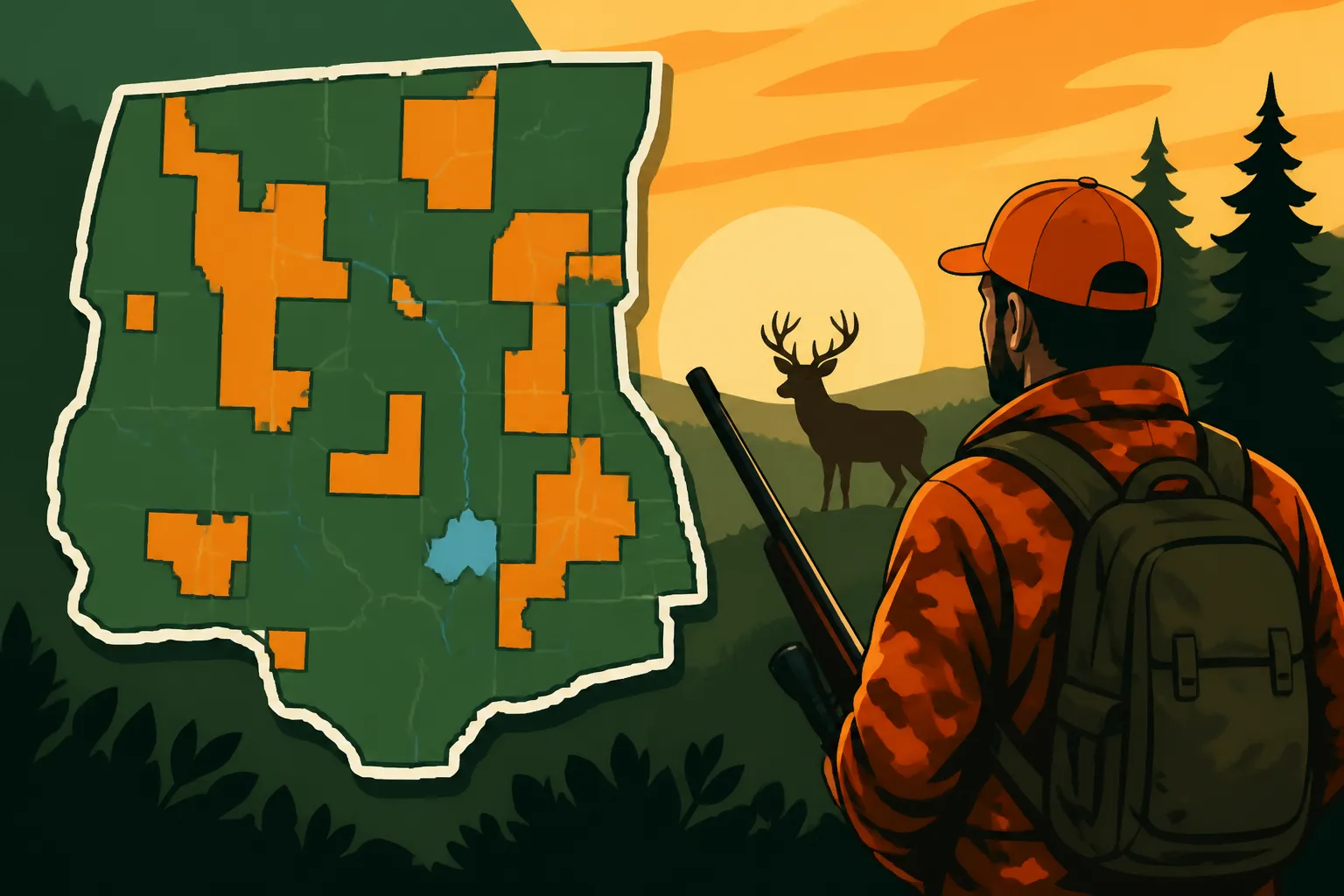
Steuben County State Forest Blocks
Finding reliable public hunting land in New York, especially tracts that offer consistent opportunities without being completely overrun, can feel like searching for a needle in a haystack. Many hunters get stuck in the familiar patterns of the Adirondacks or Catskills, often overlooking fantastic local options. This guide will take a deep dive into the state forest blocks of Steuben County, offering practical advice and insights to help you unlock the potential of these diverse and often productive hunting grounds.
Understanding Steuben County's State Forests for Hunting
Steuben County, nestled in the southwestern part of New York's Southern Tier, is a fascinating mix of rolling hills, agricultural lands, and significant blocks of state forest. For hunters, this translates into a diverse landscape that provides habitat for a variety of game species, particularly white-tailed deer and wild turkeys. Unlike the vast, unbroken wilderness of the Adirondacks, these state forests are often interspersed with private farmlands, creating crucial edge habitat and varied food sources that can concentrate game. It's a landscape that rewards hunters who understand how different cover types and food sources influence animal movement.
The Landscape and Habitat You'll Encounter
When you step into a Steuben County State Forest, you're entering a mosaic of habitats. You'll find mature hardwoods, primarily oak, maple, and cherry, which are vital for mast production, providing acorns and other nuts that deer and turkeys rely on, especially in the fall. Interspersed within these older stands are often younger growth areas – thick clearcuts or old fields reverting to forest – that provide crucial bedding cover and browse. These dense thickets are often overlooked by hunters who stick to the more open timber, but they can be magnets for deer seeking refuge. Look for areas where these cover types meet, as these transition zones are frequently travel corridors.
Beyond the timber, many state forest blocks in Steuben County also feature steep ravines, creek bottoms, and some areas with conifer plantations. The ravines and creek bottoms offer natural travel routes and thermal cover during harsh weather, while the dense conifer stands can provide excellent wintering areas and bedding. Understanding how deer and other game utilize these varied elements of the landscape throughout the season is key. Don't just walk through the big timber; investigate the edges, the thick stuff, and the natural funnels created by the topography. This kind of careful observation during Scouting New York Public Land Before Season can pay huge dividends.
Key State Forests and Their General Characteristics
Steuben County boasts several notable state forests, each with its own character and hunting opportunities. For example, Erwin Wildlife Management Area (which, while technically a WMA, acts very much like a state forest in terms of habitat) offers a mix of upland forests, open fields, and wetlands, providing excellent diversity for deer, turkey, and small game. The terrain here can be quite rugged, with significant elevation changes, so be prepared for a physical hunt. Further east, Cameron State Forest and Woodhull State Forest represent more traditional hardwood forests, often featuring long ridge lines and numerous draws. These areas are excellent for still-hunting or setting up ambushes along natural travel routes.
The larger and more remote feeling Canacadea State Forest in the western part of the county offers a truly expansive experience, with deep valleys and dense timber. This is where you might find deer that are less pressured due to the sheer size of the area and the effort required to access some of its more remote corners. Other smaller blocks like Jasper State Forest or Meads Creek State Forest can be productive if you're willing to walk a bit and scout for less obvious access points. The beauty of these blocks is their proximity to private land, which often buffers them from extreme pressure and provides additional feeding opportunities for game.
| State Forest Example | Primary Habitat Type | Key Terrain Features | Typical Game Species | Pressure Level |
|---|---|---|---|---|
| Erwin WMA | Mixed Forest, Fields, Wetlands | Steep hills, ravines, streams | Deer, Turkey, Small Game, Waterfowl | Moderate |
| Cameron State Forest | Mature Hardwoods | Ridge tops, deep draws | Deer, Turkey, Squirrels | Moderate |
| Woodhull State Forest | Mature Hardwoods | Rolling hills, creek bottoms | Deer, Turkey, Grouse | Moderate |
| Canacadea State Forest | Extensive Hardwoods | Deep valleys, dense timber | Deer, Bear, Turkey | Low to Moderate |
| Jasper State Forest | Mixed Hardwoods, Pine Plantations | Gentle slopes, old farm edges | Deer, Rabbit, Turkey | Moderate |
Navigating Access Points and Roads
Accessing these state forests is generally straightforward, but it often requires a good map and some prior research. Many state forests are crisscrossed by seasonal roads that are open to vehicles during specific times of the year, particularly during hunting seasons, but can become impassable or closed entirely during wet conditions or winter. Pay close attention to signage regarding motor vehicle restrictions. These roads, when open, offer excellent starting points, but to truly get away from the crowds, you’ll need to put boots on the ground and walk a good distance from the vehicle.
Using mapping apps like onX Hunt or even physical DEC maps is absolutely essential here. These tools allow you to clearly identify property lines, roads (both public and seasonal), and terrain features. Don't assume every dirt path leads to open hunting; always verify land ownership and access rules. Parking can be an issue in popular areas, especially on opening day, so plan to arrive early or target less obvious parking spots. Learning to read aerial photos for Reading Aerial Photos for Southern Tier Deer movement can also help you find hidden access points or determine where to focus your effort once you leave the road.
Deer Hunting Strategies in Steuben County State Forests
Deer hunting in Steuben County's state forests is primarily about adapting to a diverse, often rugged landscape that borders agricultural fields and human development. It’s a rewarding challenge, requiring a blend of strategic planning and on-the-ground intuition. You won't find perfectly manicured food plots or widespread baiting here (which is illegal in New York), so your success will hinge on your ability to read natural sign and understand deer behavior within this specific environment.
Reading the Terrain for Whitetail Movement
The rolling hills and interspersed private land in Steuben County create classic "edge" hunting scenarios. Deer often travel between the security of the state forest blocks and the food sources of adjacent private agricultural fields. Look for funnels – narrow strips of cover, natural saddles between ridges, or pinch points where two ravines converge – that connect these areas. Deer will almost always choose the path of least resistance or the most cover when moving, especially during daylight. A subtle saddle on a ridgeline, easily missed on a topo map, could be a major travel corridor, particularly if there are old rubs or scrapes.
During the rut, bucks will expand their search for does, and these state forests offer ample opportunity for cruising. Focus on areas of good visibility along ridge lines or in open timber where you can spot deer moving. Don't be afraid to Still-Hunting Catskill Ridges here; the principles apply directly to the Southern Tier. Pay close attention to wind direction, as the swirling thermals in hilly terrain can be tricky. Early morning, thermals typically pull down into valleys, while in the afternoon, they rise. Understanding these patterns is crucial for scent control and successful ambushes.
Archery, Firearm, and Muzzleloader Considerations
Steuben County offers opportunities across all legal deer hunting methods. For archery hunters, the early season can be incredibly productive, especially around remaining mast crops or near agricultural edges. Stealth and quiet movement are paramount, as deer are often less pressured and more visible during this time. Bowhunting New York's Long Archery Season provides a deep dive into tactics that are very applicable here. Consider using natural ground blinds or carefully placed treestands in dense cover near food sources or bedding areas.
During the regular firearm season, hunting pressure will increase significantly. This is when understanding deer behavior under pressure becomes crucial. Deer will often move to the thickest cover available, or they will stage in overlooked pockets of dense woods before heading to fields after dark. Targeting these sanctuary areas or the routes deer take to them can be highly effective. New York's Southern Zone Firearm Season covers many applicable strategies. For muzzleloader hunters, the late season brings different challenges. Cold weather and often snow mean deer are focused on remaining food sources and thermal cover. Look for stands of evergreens or south-facing slopes that offer protection from the elements. Keeping your muzzleloader dry is also a key concern during this time, especially with Lake-Effect snow potential. Muzzleloader Deer Hunting in New York offers guidance for these conditions.
Handling Pressure on Opening Weekends
The state forests of Steuben County, like many public lands, can see significant hunter presence, especially on opening day and during the first week of the firearm season. Don't let this discourage you, but rather use it to your advantage. Other hunters often push deer into areas that are less accessible or less obvious. Instead of hunting where everyone else is, identify those hard-to-reach pockets, steep ravines, or dense thickets that casual hunters avoid. Often, the deer are right there.
One effective strategy is to walk further than most. While many hunters stick to within a quarter-mile of their vehicle, a mile or two deeper into the woods can get you into unpressured territory. Another tactic is to hunt the fringes of private land that border the state forest. Deer often get pushed off private land by drives or other hunting activity and will seek refuge on the public side. Similarly, knowing Opening Weekend Crowds in the Southern Zone can help you plan to hunt mid-week when pressure typically dips, or to target the edges of these high-pressure areas where deer will funnel. Use mapping tools like onX Hunt to identify these transition zones and create a hunting plan that capitalizes on hunter movement, not just deer movement.
Beyond Deer: Small Game and Turkey Opportunities
While deer often take center stage for many hunters, Steuben County's state forests offer a wealth of opportunities for other game species. The varied habitats, from mature hardwoods to brushy clearcuts and stream bottoms, provide excellent environments for wild turkeys, grouse, woodcock, squirrels, and rabbits. Diversifying your hunts can not only extend your time in the field but also deepen your understanding of the local ecosystem.
Chasing Gobblers in the Spring and Fall
Wild turkeys thrive in the mixed forest and agricultural landscape of Steuben County. In the spring, the state forests come alive with the sounds of gobbling. Finding roosting sites in mature timber near fields or open areas where birds can pitch down to feed is a fantastic starting point. Focus your efforts on ridge tops and areas with good visibility, as gobblers love to strut in open woods. Spring Turkey Hunting in New York offers detailed tactics, many of which translate directly to Steuben County's terrain. Consider scouting for fresh sign like droppings and tracks before the season opens to narrow down your focus.
Fall turkey hunting in these state forests presents a different challenge. Instead of calling to lovesick gobblers, you're often looking for flocks feeding on mast crops or moving through the timber. Breaking up a flock and then calling individuals back in is a classic and effective fall tactic. Look for areas with a strong acorn crop, as turkeys will spend a lot of time scratching around for these valuable food sources. Hunting New York's Fall Turkey Season can provide excellent insight into these specific strategies, highlighting how important natural food sources are for locating birds.
Upland Birds and Small Game in Varied Cover
For upland bird enthusiasts, Steuben County's state forests offer chances at ruffed grouse and woodcock. Grouse thrive in early successional habitat – young forest stands, overgrown clearcuts, and areas with dense underbrush. Look for pockets of aspen or alder, which are prime grouse cover. These birds can be incredibly explosive on the flush, providing exciting, fast-paced hunting. A good bird dog is a huge asset here, but it's certainly possible to walk up birds, especially by systematically working through dense cover. Grouse Hunting New York Aspen Cover provides valuable information on identifying these habitats.
Woodcock, on the other hand, prefer moist, brushy areas, often found along creek bottoms or in dense alder thickets. Their camouflage is incredible, and they hold tight, often flushing at your feet. Hunting grouse and woodcock together is a common practice, as their preferred habitats often overlap. Rabbit and squirrel hunting also offer great opportunities, especially for new hunters. Rabbits will be found in thick brush piles, honeysuckle tangles, and briar patches, while squirrels are prevalent wherever there are mast-producing trees like oaks and hickories. Rabbit and Hare Hunting in New York and Hunting Squirrels in New York Hardwoods are great resources for these pursuits.
Predator Hunting in Steuben County
Coyotes are abundant throughout Steuben County, including within and around the state forest blocks. Their presence can be a boon for hunters looking for an additional challenge, or for those who want to help manage local deer populations. Calling coyotes is a thrilling experience, especially in the winter months when their fur is prime and visibility in the woods improves. Look for sign like tracks, scat, and howls during your deer or turkey hunts, and note potential setup locations.
Winter offers the best conditions for coyote hunting, as tracking in snow reveals their travel patterns and their food sources become scarcer, making them more responsive to calls. Using distress calls, especially rabbit or fawn in distress, can be very effective. Ensure you understand Coyote Calling in a New York Winter before heading out, paying close attention to legal shooting hours and safety considerations. The state forests provide ample space for long-range calling setups, allowing you to cover large tracts of ground.
Essential Planning and Regulations for Your Hunt
Hunting in New York's state forests, including those in Steuben County, requires careful planning and adherence to regulations. Knowing the rules and preparing thoroughly not only ensures a legal and ethical hunt but also significantly improves your chances of success and safety. From mapping your route to understanding equipment restrictions, every detail matters.
Mapping Tools and Pre-Season Scouting
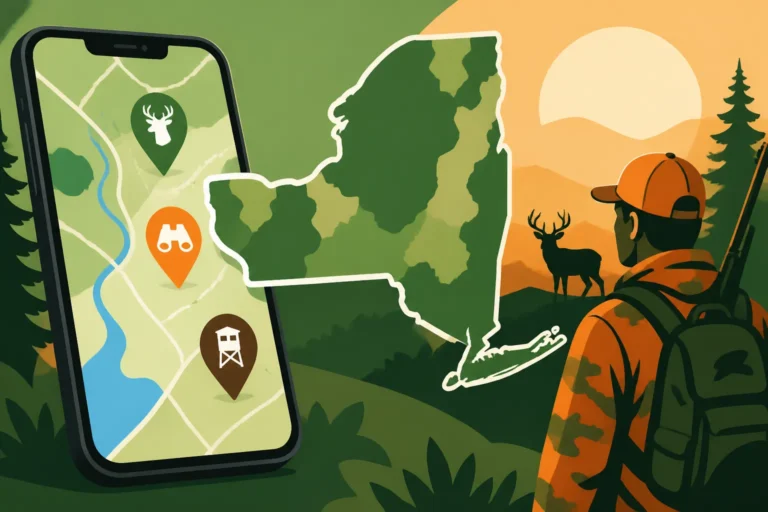
Modern technology has revolutionized how we prepare for hunts. Digital mapping applications, such as onX Hunt or even the New York State DEC's HuntFishNY app, are invaluable for exploring Steuben County's state forests. These apps provide detailed topographic maps, aerial imagery, and crucial property line overlays, allowing you to differentiate between state land and private parcels. Before you even set foot in the woods, you can identify potential access points, terrain features like saddles and funnels, bedding areas (often dense cover), and feeding zones (like oak ridges or bordering fields). The ability to drop waypoints for notable sign, potential stand locations, or even parking areas means you can create a highly detailed hunting plan.
While digital maps are powerful, don't underestimate the value of physical scouting. Walking the terrain, looking for fresh deer sign, confirming travel routes, and identifying potential stand trees is irreplaceable. It allows you to get a feel for the woods, understand local thermals, and confirm what the maps show. For a deeper dive into optimizing your digital and physical scouting, read Scouting With the New York HuntFishNY App. Remember that cell service can be spotty in some of these larger state forest blocks, so download offline maps before you go.
Rules on Treestands, Blinds, and Camping
When hunting state forests in New York, it's critical to understand the specific regulations regarding equipment and temporary structures. Generally, portable treestands are permitted, but they must be removed at the end of the hunting season (or sooner, depending on specific WMA rules). Driving nails, screws, or any other permanent fasteners into trees is strictly prohibited to prevent damage to the forest. Using screw-in steps or permanent stands is not allowed. Treestand Rules on New York Public Land covers these details comprehensively.
Ground blinds are also typically allowed, but they must be easily removable and not cause permanent alteration to the site. Many hunters choose pop-up blinds or brush-in natural blinds for stealth. If you're planning a multi-day hunt, primitive camping is often allowed within state forests, but there are usually restrictions on where and for how long. Always check the specific State Forest or WMA regulations, as some areas may have stricter rules. For example, some wilderness areas within the Forest Preserve have different rules entirely, although Steuben County's state forests are generally more permissive than those. Adhering to Leave No Trace principles is always expected.
Important Local Considerations
Beyond the general state regulations, there are a few local considerations unique to Steuben County. The proximity to agricultural lands means you might encounter situations where deer are pushed from fields onto public land, or vice-versa. Always be aware of property boundaries and ensure you have permission before crossing onto private land, even for game retrieval. New York Trespass and Permission Law outlines these legal necessities. Also, keep in mind that other recreational users might be in the state forests, even during hunting season, including hikers, horseback riders, and trappers. Wearing blaze orange, even when not legally required for your specific season or method, is a smart safety measure, especially during the firearm season.
Be prepared for variable weather conditions. Steuben County can experience a wide range of temperatures and precipitation, from mild early fall days to bitter cold and heavy snow in December. Dress in layers, carry emergency supplies, and inform someone of your hunting plans and expected return time, especially if you're venturing into more remote areas. The terrain can be challenging, with steep slopes and muddy trails, so good footwear and physical conditioning are essential for an enjoyable and safe hunt. Don't forget a first-aid kit and a reliable headlamp for walking out after dark.
Disclaimer
This article is for general informational purposes only and does not constitute professional advice. Laws, prices and regulations vary by location and change over time. Consult a qualified professional for guidance on your specific situation.