Brush Pants for New York Alder
There's nothing quite like the exhilaration of chasing ruffed grouse in a thick aspen cut, or following the dog's nose through an alder bottom for woodcock. But let's be honest, that thrill often comes at a price – specifically, the price your legs and your favorite hunting pants pay for pushing through New York's notoriously dense briars, multiflora rose, and thorny undergrowth. If you've ever spent an afternoon picking thorns out of your shins or discovered a gaping tear in the knee of otherwise good hunting pants, you know exactly the frustration. This guide is all about helping you find the right brush pants, the unsung heroes of upland hunting, to keep you comfortable, protected, and focused on the hunt, not on the painful scratches.
Why Brush Pants Are Non-Negotiable in New York Cover
Let's face it: New York cover isn't for the faint of heart, or for flimsy pants. From the Adirondacks to the Southern Tier, we've got some seriously gnarly stuff that loves to tear, snag, and scratch. Regular hunting pants, even those marketed as "rugged," often stand no chance against the relentless assault of our state's briar patches and thickets.
The Gauntlet of Alder and Briars
Think about it: those prime grouse and woodcock spots are almost always found in places most people avoid. We're talking about those dense stands of alder along a creek bottom, the regenerating clearcuts choked with young hardwoods and thorny locust, or the tangled masses of multiflora rose and hawthorn that border old farm fields. These aren't just minor irritations; they're a physical gauntlet. Every step feels like a fight, and without the right protection, your legs will be a mess of scratches, scrapes, and punctures by the end of the day.
I've learned this lesson the hard way, trying to "make do" with a sturdy pair of work pants only to have them shredded by a particularly aggressive patch of brambles. The experience is not only painful but also a constant distraction. You're less focused on reading your dog's body language or anticipating a flush, and more focused on not getting impaled. Good brush pants are designed specifically to shrug off this kind of abuse, letting you push through with confidence. They're built for the kind of dense, nasty cover you'll find when Hunting Grouse and Woodcock Together or working those tight river bottoms.
Protecting Yourself from More Than Scratches
It's not just about comfort, though that's a huge part of it. When you're busting through thick cover, you're also exposing yourself to other unpleasantries. Ticks, for instance, are rampant in many parts of New York, especially in brushy areas where deer and other wildlife frequent. Brush pants, with their tight weave and often gaiter-like design around the ankles, can provide an extra layer of defense against these unwelcome hitchhikers. It's much easier to spot a tick crawling on the smooth, tough surface of a briar-proof pant than trying to find one burrowing through a fleece or softer cotton material.
Beyond ticks, think about those unseen hazards: a broken branch stub poking out, a piece of barbed wire hidden in tall grass, or the sharp ends of a fallen tree. While no pant offers absolute invincibility, the reinforced materials used in quality brush pants offer significantly more protection against minor punctures and abrasions. They help keep you safer, reducing the chance of an injury that could cut your hunt short or, worse, require a trip to the doctor.
Longevity for Your Hunting Investment
Let's talk about the economics for a minute. A decent pair of "regular" hunting pants can cost a pretty penny, and if you're tearing through them season after season because of brush, that cost adds up fast. Brush pants, while often a bit more of an initial investment, are built to last. Their durability means you won't be constantly replacing them, which saves you money in the long run. Think of them as specialized tools for a specific job – and that job is taking a beating so your legs don't have to.
When you're comparing the cost of one pair of dedicated brush pants that lasts for years versus buying a new pair of general hunting pants every season or two, the math quickly favors the specialized gear. It's about making a smart investment in gear that performs its intended function exceptionally well, allowing you to maximize your time in the field without worrying about your attire. For serious upland hunters, or anyone who spends significant time in thick New York woods, brush pants aren't a luxury; they're a necessity that pays for itself in comfort, protection, and durability.
Key Features to Look For in New York Brush Pants
Choosing the right brush pants isn't just about picking the toughest-looking pair. You need to consider specific features that will stand up to the unique challenges of New York's diverse hunting landscapes, especially when you're wading through that dreaded alder.
Material Matters: Durability and Water Resistance
The core of any good pair of brush pants lies in its material. You need something that can take a beating, shed water, and still allow you to move.
- Heavy-Duty Nylon or Cordura Blends: These are workhorses. Materials like Cordura are incredibly abrasion-resistant and lightweight, often featuring a tighter weave that makes them highly snag-proof. Many modern brush pants use a durable nylon or Cordura facing over a more flexible base fabric. This combination gives you the best of both worlds: extreme durability in the high-wear areas and comfort where you need flexibility. Look for pants with a denier rating (a measure of fabric thickness and durability) that indicates they can handle abuse.
- Waxed Cotton: This is a classic, traditional material often found in upland wear. Waxed cotton offers excellent water resistance as the wax coating sheds moisture, and it develops a beautiful patina over time. It's also incredibly tough. However, it can be heavier and less breathable than synthetic options, and it requires occasional re-waxing to maintain its water-repellent properties. It's a fantastic choice for dryer, colder days, or for hunters who appreciate traditional gear.
- Durable Water Repellent (DWR) Coatings: Regardless of the base material, many brush pants come with a DWR finish. This coating helps water bead up and roll off the fabric, keeping you drier in light rain, dew-soaked grass, or while pushing through wet alder. Remember that DWR coatings can wear off over time and with washing, but they can often be reapplied with specialized sprays or wash-in treatments. When you're slogging through a swampy bottom looking for woodcock, that water resistance is gold.
Reinforcements Where It Counts
This is arguably the most critical feature. Brush pants aren't just made of tough fabric; they're strategically reinforced in the areas that take the most abuse.
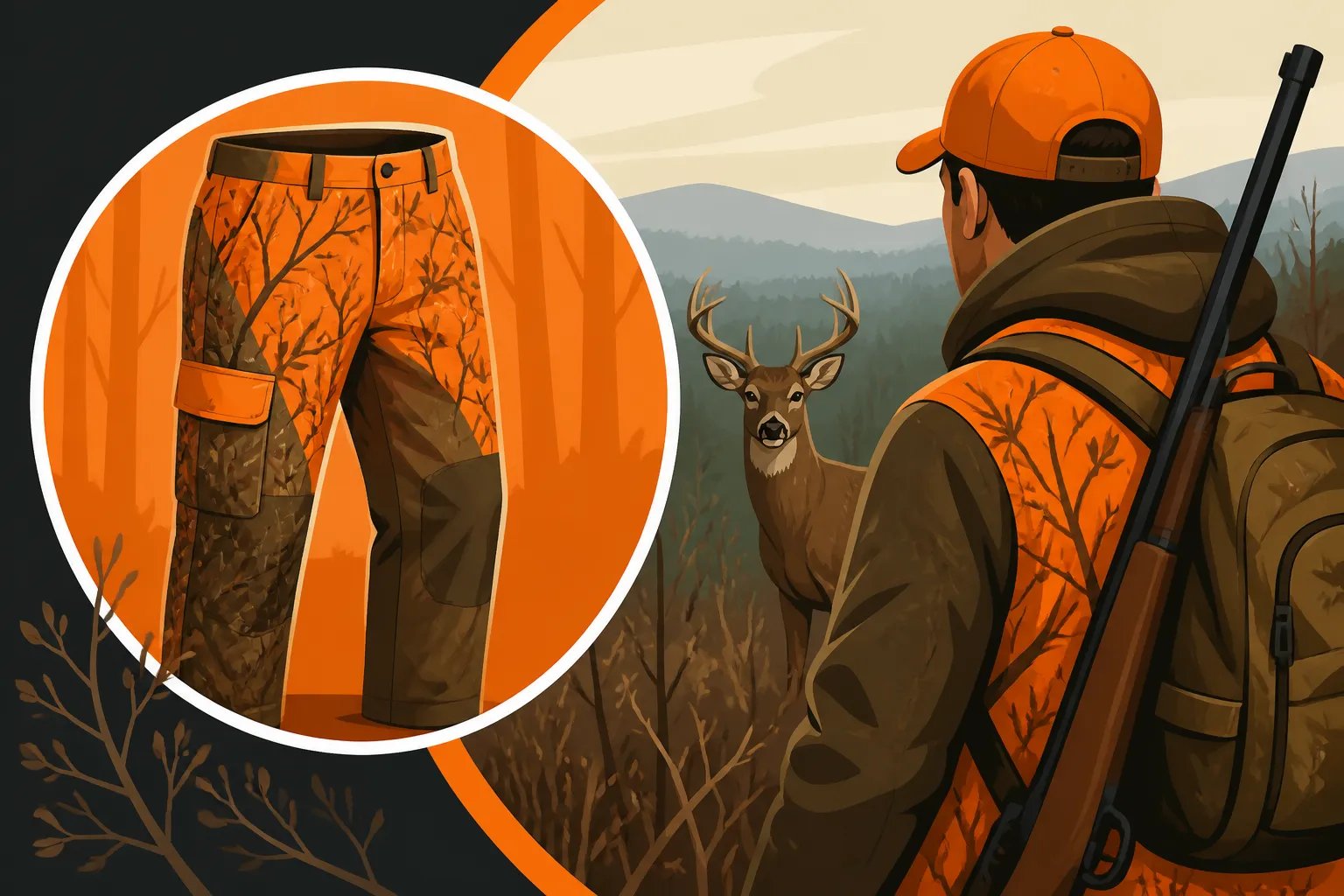
- Double-Fronts or Briar Facings: This is the hallmark of a true brush pant. The front of the legs, from the thigh down to the ankle, is typically covered with an extra layer of highly durable fabric. This facing is what truly protects your legs from thorns and tears. Some pants feature a full-wrap design, where the reinforcement extends around the calves, offering even more comprehensive protection. This design is essential for pushing through dense cover like you'd find when Rabbit Hunting Thick New York Brush or Grouse Hunting New York Aspen Cover.
- Reinforced Knees and Seat: These areas take a lot of punishment, especially if you're kneeling to examine tracks, setting up a shot, or sitting on rough terrain. Look for pants with reinforced knees, often with an articulated design for better mobility. A reinforced seat can also prevent tears when sliding over logs or rocks. These details add significantly to the lifespan and protective qualities of the pants.
Fit and Functionality for Active Hunting
Even the toughest pants are useless if they restrict your movement or lack essential features.
- Mobility and Articulated Knees: You're going to be walking, climbing, and squatting in these pants. Look for designs that allow for a full range of motion. Articulated knees, gusseted crotches, and a thoughtful cut can make a huge difference in comfort and agility, especially when navigating uneven terrain in the Catskills or Adirondacks. You don't want to feel like you're wearing stiff cardboard.
- Pockets: Pockets are important for carrying small essentials like a compass, a bird call, a few shotgun shells, or a phone. Look for well-placed pockets that are easy to access even when wearing an upland vest. Zippered or buttoned closures are a plus to keep items secure while you're crashing through brush. You'll want to avoid pockets that are too deep or baggy, as they can snag on branches.
- Waist Adjustability and Belt Loops: A comfortable and secure fit around the waist is key. Good belt loops are a must for carrying a belt or suspenders, especially if you're also wearing an upland vest that might distribute some weight to your hips. Some pants feature an adjustable waist, which can be helpful for layering or if your weight fluctuates a bit during the season. For planning your hunts and knowing what kind of terrain you'll face, mapping tools can be invaluable. You might consider using something like GoHunt to scout areas and anticipate the kind of cover you'll encounter, helping you decide if you need maximum briar protection or something more lightweight. This kind of pre-hunt intelligence is crucial for gear selection.
Choosing the Right Style: Upland, Briar, or Hybrid?
Just like there are different types of hunts in New York, there are different styles of brush pants, each with its own strengths. Knowing the differences will help you choose the best pair for your typical hunting scenarios.
Classic Upland Pants
When you think of traditional upland hunting, images of tweed jackets and waxed cotton often come to mind. Classic upland pants fit right into this aesthetic, and they're built for performance, too. These typically feature durable, often canvas or waxed cotton, construction with reinforced fronts. They often have a slightly looser, more traditional cut.
Pros:
- Breathability: Many classic upland pants, especially those made primarily of cotton canvas, offer better breathability than heavily reinforced synthetic briar pants, making them comfortable for milder fall days.
- Quietness: Natural fibers tend to be quieter in the woods, which can be an advantage when trying to sneak up on wary birds.
- Aesthetics: There's an undeniable classic appeal to these pants, especially if you appreciate traditional hunting attire.
- Versatility: While designed for upland, their classic look can blend well for other outdoor activities or even casual wear.
Cons:
- Weight: They can be heavier, especially when wet, compared to modern synthetics.
- Water Resistance: Unless heavily waxed, many canvas upland pants offer only moderate water resistance. They'll get wet in a downpour or prolonged exposure to heavy dew.
- Drying Time: Natural fibers typically take longer to dry if they do get soaked.
These are excellent for Pheasant Hunting Western New York Farmland where you might encounter less dense, but still abrasive, cover, or for Grouse Hunting New York Aspen Cover on a crisp, dry autumn day.
Heavy-Duty Briar Pants
When the going gets truly tough—think impenetrable multi-flora rose, hawthorn thickets, or dense, thorny creek bottoms—you need heavy-duty briar pants. These are the armored tanks of the pant world, designed for maximum protection. They typically feature extensive, often full-front and even rear, briar-proof panels made from super-tough synthetics like Cordura or nylon weaves.
Pros:
- Ultimate Protection: This is their main selling point. They offer unparalleled defense against thorns, briars, and abrasive cover. You can push through almost anything with confidence.
- Durability: Built to withstand years of abuse in the nastiest cover imaginable.
- Often Water-Resistant: Many feature strong DWR coatings or are made from inherently water-resistant materials, making them suitable for wet conditions.
Cons:
- Less Breathable: The heavy reinforcement can make them warmer and less breathable, which might be uncomfortable on hot early-season days.
- Stiffer: They can be less flexible and a bit stiffer than lighter options, potentially impacting mobility for some hunters.
- Weight: The extensive reinforcement can add to the overall weight.
If your hunts frequently involve busting through the absolute worst New York has to offer, particularly in dense alder runs where Finding Woodcock in Alder Runs is the goal, these are the pants you want.
Hybrid Designs for Versatility
Many manufacturers have recognized the need for a balance between protection and comfort, leading to the development of hybrid brush pants. These pants aim to combine the best features of both upland and heavy-duty briar styles. They often use flexible, breathable fabrics in less exposed areas (like the back of the legs or upper thigh) and strategic, super-tough briar facings where they're most needed (the front of the lower legs).
Pros:
- Balanced Protection and Comfort: They offer significant protection against brush without being overly stiff or hot.
- Improved Mobility: By using lighter, stretchier fabrics in key areas, hybrids often provide superior freedom of movement.
- Good for Varied Conditions: Ideal for hunters who encounter a mix of open woods and thick cover on the same hunt, common when Hunting a Funnel Between Two Swamps or scouting varied public land.
Cons:
- May Not Offer Absolute Maximum Protection: While very good, they might not be quite as impenetrable as the heaviest briar pants in the absolute worst conditions.
- Cost: Innovative materials and designs can sometimes come with a higher price tag.
For the hunter who wants a single pair of pants to handle a wide range of New York upland hunting scenarios, from open timber to dense brush, a hybrid design is often an excellent compromise.
Here’s a quick overview to help you decide:
| Feature/Style | Classic Upland Pants | Heavy-Duty Briar Pants | Hybrid Brush Pants |
|---|---|---|---|
| Primary Material | Waxed Cotton, Canvas | Heavy Nylon, Cordura, Polyester | Blend of Synthetics and Reinforced Facings |
| Key Advantage | Breathability, Traditional Feel, Quiet | Maximum Thorn/Abrasion Protection | Balance of Protection & Mobility |
| Water Resistance | Moderate (Waxed better) | Good to Excellent (with DWR) | Good (with DWR) |
| Weight | Medium to Heavy | Heavy | Medium |
| Mobility | Good, if well-fitted | Can be Stiff | Excellent |
| Best For | Mild weather, less dense cover, traditionalists | Extreme briars, heavy cover, wet conditions | Varied terrain, mixed cover, active hunters |
Care and Maintenance for Your New York Brush Pants
Investing in a good pair of brush pants is just the first step; taking proper care of them ensures they'll serve you faithfully season after season. Neglecting your gear can drastically shorten its lifespan and diminish its protective qualities.
Cleaning and Drying
After a day of busting through Hunting the St. Lawrence River Marshes or chasing birds through thorny thickets, your brush pants are likely to be covered in mud, burrs, and general grime.
- Remove Debris First: Before washing, take the time to brush off any loose dirt, mud, and especially burrs. Burrs can be notoriously clingy, and running them through a washing machine can sometimes embed them further or even damage the fabric. A stiff brush or even a lint roller can work wonders here.
- Washing Instructions: Always follow the manufacturer's specific washing instructions, which are usually on the garment's tag. Generally, for most synthetic brush pants, this means washing them in cold water on a gentle cycle with a mild detergent. Avoid fabric softeners, as they can break down DWR coatings and clog technical fibers, reducing breathability. For waxed cotton pants, you'll typically want to avoid machine washing altogether and simply hose them off or wipe them down with a damp cloth.
- Drying: Air drying is almost always the best option for brush pants. Hang them in a well-ventilated area, preferably out of direct sunlight. High heat from a dryer can damage synthetic fibers, shrink certain materials, and significantly degrade any DWR treatment. Patience is key here; let them dry thoroughly before storing them to prevent mildew.
Repairing and Reproofing
Even the toughest pants can suffer a minor tear or lose some of their water repellency over time. Knowing how to repair and reproof them will extend their life and maintain their performance.
- Patching Tears: Small tears or snags can often be repaired with a heavy-duty fabric patch kit. Look for kits designed for outdoor gear, which often include strong adhesive patches that can be applied at home. For more significant damage, consider taking them to a professional seamstress or gear repair shop. Many hunters find a simple needle and thread, along with a strong fabric, can fix small holes that aren't in critical areas.
- Re-waxing Waxed Cotton: If you've chosen waxed cotton pants, you'll periodically need to re-wax them to restore their water resistance. This is usually a straightforward process using specific wax treatments provided by the manufacturer or other outdoor gear brands. It's a bit like giving your old boots a fresh coat of mink oil – a little effort goes a long way.
- Reapplying DWR: For synthetic pants, if water starts to soak into the fabric instead of beading up, it's time to reapply the DWR coating. There are many excellent spray-on or wash-in DWR treatments available from outdoor gear companies. Just follow the product instructions carefully. This can dramatically improve their performance in wet conditions.
Storage Tips for Off-Season
How you store your brush pants in the off-season matters. Proper storage prevents damage and ensures they're ready to go when next season rolls around.
- Clean and Dry Before Storing: Absolutely crucial. Storing damp or dirty pants is an open invitation for mildew, odors, and potential fabric degradation. Make sure they are thoroughly clean and bone-dry before putting them away.
- Cool, Dry Place: Store your pants in a cool, dry place away from direct sunlight. Basements can sometimes be too damp, and attics can get too hot, both of which can be detrimental to fabric integrity. A closet or gear locker is usually ideal.
- Pest Protection: Consider storing them in a breathable garment bag or plastic tote to protect them from moths, mice, or other pests that might chew through fabric. However, avoid airtight plastic bags if there's any chance of moisture, as this can trap humidity and encourage mildew. Using your GoHunt subscription to review your past season's hunting spots and note any gear issues, like where your pants might have started to show wear, can help you plan for maintenance and future gear purchases. Knowing the precise types of cover you faced can inform your repair strategy and help you select the right products for reproofing or patching.
Disclaimer
This article is for general informational purposes only and does not constitute professional advice. Laws, prices and regulations vary by location and change over time. Consult a qualified professional for guidance on your specific situation.