Rabbit and Hare Hunting in New York
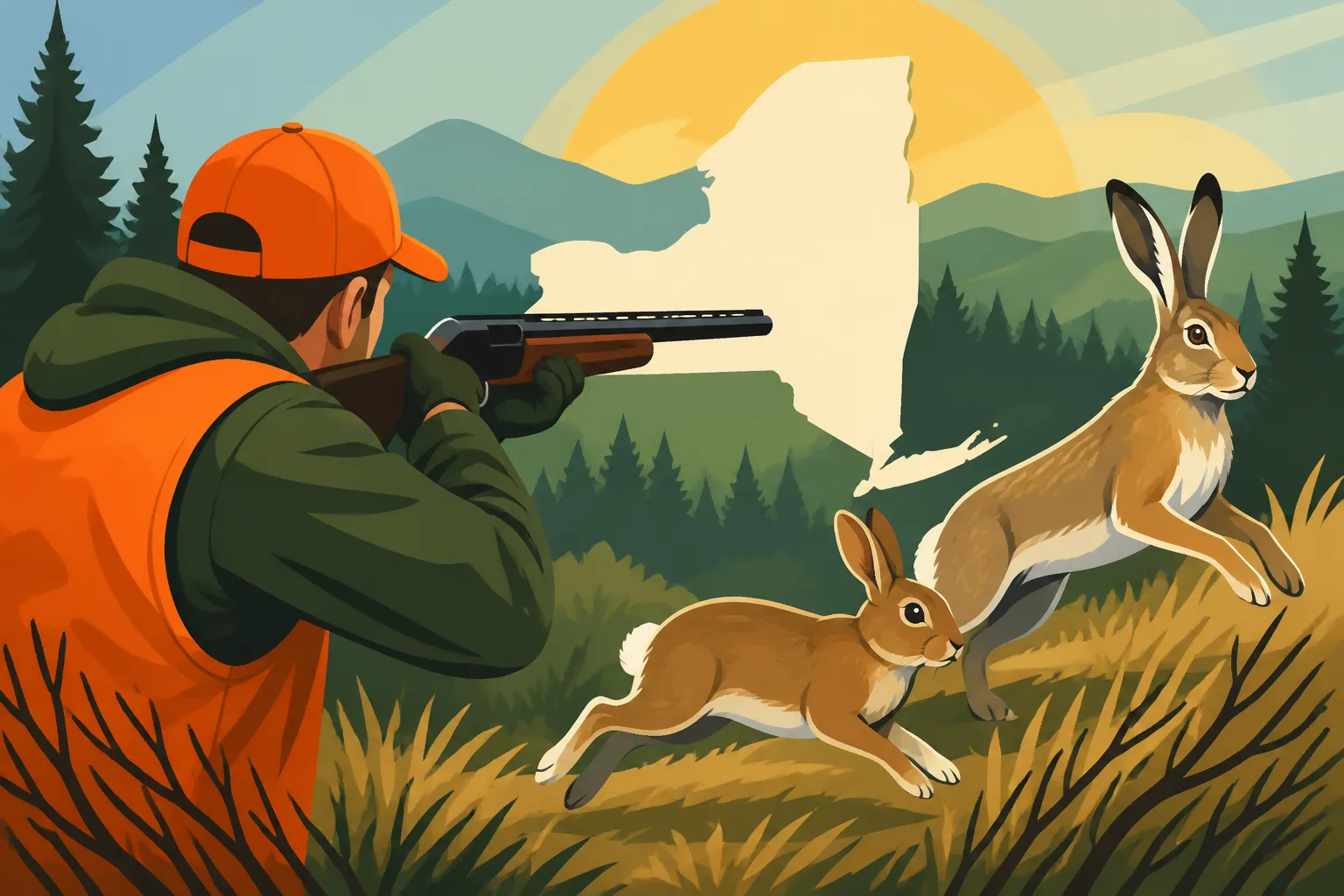
There's nothing quite like a cold, crisp winter morning, the crunch of fresh snow underfoot, and the sudden explosive flush of a rabbit or hare from a thicket. But let's be real, sometimes you walk for miles without seeing a whisker, or they pop up and vanish before you can even shoulder your shotgun. This guide is all about helping you understand the nuances of rabbit and hare hunting in New York, from pinpointing their favorite hideouts to mastering the tactics that put these agile critters in the pot.
Understanding New York's Rabbits and Hares
Before you can even think about chasing these speedy little guys, it helps to know who you're actually after. New York is home to two primary species that offer fantastic hunting opportunities: the ubiquitous Eastern cottontail and the more specialized snowshoe hare. They might look similar at a glance, but their habits, habitats, and even the way you approach hunting them are quite different.
Eastern Cottontail Habits and Habitat
The Eastern cottontail is probably what most folks picture when they think of "rabbits." These adaptable little dynamos are found just about everywhere across New York State, from the suburban fringes of Long Island to the rolling farmlands of the Southern Tier. They're masters of blending in, and their success comes from their ability to thrive in close proximity to humans, often in areas that many deer hunters might overlook.
Cottontails are truly creatures of the brush. You'll find them in tangled fencerows, overgrown fields reverting to forest, briar patches, old apple orchards, and even the edges of suburban woodlots. They love areas with a mix of dense cover for protection and open spaces for feeding, especially places with heavy grasses, clover, and young woody browse. Think about those nasty, thorny spots you hate walking through – that's prime cottontail country. They're mostly nocturnal, feeding under the cover of darkness, but they'll often be active in the early morning and late afternoon, especially on overcast days. When pressured, a cottontail’s first instinct is often to freeze, hoping its camouflage will save it, before rocketing off in a zig-zagging dash to the nearest thicket. It can be frustrating when you walk right past one only for it to jump at your heels, but that's part of the fun!
Snowshoe Hare Distribution and Preferences
Now, snowshoe hares are a different breed entirely. Larger than cottontails, with bigger feet (hence the "snowshoe" name) and a remarkable ability to change their fur color from brown in summer to brilliant white in winter, these animals are built for life in the colder, snowier parts of New York. You won't find them hopping through suburban gardens; they prefer the wild, dense coniferous forests.
Snowshoes are primarily found in the Northern Zone, particularly throughout the Adirondacks, and in higher elevation areas of the Catskills and Tug Hill Plateau where thick spruce, fir, and cedar swamps dominate. They absolutely thrive in dense, young conifer stands, especially those with an impenetrable understory that provides both cover from predators and plenty of browse. When you’re pushing through a young balsam fir thicket so dense you can barely see your feet, you’re likely in snowshoe country. They're typically most active at dawn and dusk, but on cloudy winter days, you might catch them moving around midday. Their bursts of speed are legendary, and finding them in their white winter coats amongst a snowy backdrop is a challenge that can test even the keenest eye. If you want to dive deeper into their populations, you can check out details on Snowshoe Hare Numbers in the Adirondacks.
Essential Gear for Rabbit and Hare Hunters
Hunting rabbits and hares in New York often means busting through thick cover, dealing with cold and sometimes wet weather, and making quick shots. Having the right gear isn't just about comfort; it's about efficiency and safety. Don't underestimate the abuse your clothing and shotgun will take in a good briar patch!
Shotguns and Ammunition Choices
When it comes to shotguns for rabbit and hare, the key is often a fast-handling, lightweight firearm. Many hunters prefer a 12 or 20 gauge, but a 16 gauge or even a .410 can be incredibly effective in the right hands and the right cover. The shots you'll get are almost always at close range, often on flushing game moving quickly, so a gun that swings effortlessly and comes to the shoulder naturally is far more important than one built for long-range precision.
For chokes, open is the way to go. Improved Cylinder or Skeet chokes are perfect for spreading a pattern quickly at 10 to 25 yards, which is where most of your shots will occur. Ammunition-wise, light field loads with small shot sizes work best. Numbers 7 ½ or 6 shot are common choices, offering a good pattern density to anchor these tough little animals without over-penetrating and ruining too much meat. You don’t need heavy magnum loads; they just kick harder and won’t offer much advantage. Before you head out, make sure your shotgun is patterned correctly, and consider checking reviews or new gear options on GoHunt to find the right setup for your style.
Clothing, Footwear, and Safety Essentials
Rabbit and hare hunting is a physical endeavor, especially if you're pushing dense cover all day. Your clothing needs to be tough, warm, and protective. Heavy-duty brush pants or briar-resistant chaps are non-negotiable if you want to avoid shredded legs and painful scrapes. A rugged briar jacket or vest will also save your arms and chest from thorns and snags. Layering is crucial for comfort in New York's variable weather, allowing you to shed or add clothing as your activity level and the temperature change. And, of course, blaze orange is paramount for safety, especially when hunting with a group or dogs. New York requires hunters to wear a minimum amount of blaze orange (or pink) during certain seasons, so always check the current regulations.
Your footwear is equally important. You’ll be traversing everything from wet fields to snowy swamps, so waterproof boots with good ankle support are a must. Many hunters opt for rubber boots to keep their feet dry in marshy areas or insulated boots for those deep winter days when hunting snowshoes. Nothing saps your enthusiasm faster than cold, wet feet. For more on keeping your feet warm and dry, take a look at our guide on Boots for New York Swamps and Snow. Beyond clothing, always carry a small first-aid kit, a reliable compass or a GPS unit, and a fully charged cell phone (though don't rely on service in all areas). The GoHunt app can be a lifesaver for navigation and marking prime cover, even in areas with spotty cell reception. It’s also wise to let someone know your hunting plan and expected return time.
Hunting Methods for Cottontails
Cottontail hunting is a classic winter pastime in New York, offering plenty of action and often good success rates. While you can certainly stumble into them by accident, employing specific methods will drastically increase your odds.
The Thrill of Hunting with Beagles
For many, rabbit hunting is beagle hunting. The sound of a beagle's bawl as it's hot on a rabbit's trail is music to a hunter's ears. Hunting with beagles is a truly social and exciting way to pursue cottontails. A good pack of dogs will systematically work through thick cover, pushing rabbits out of their beds and into the open. The magic of it is that cottontails, when chased, tend to circle back to their original bedding areas. This allows hunters to strategically position themselves along likely escape routes or where the rabbit is expected to return.
The key to successful beagle hunting is teamwork. The "pushers" or "drivers" work through the cover with the dogs, while "posts" or "standers" position themselves quietly and attentively. Listening to the dogs is paramount; their barks tell you if they're on a fresh trail, hot on the heels, or if the rabbit has temporarily fooled them. It can be frustrating when a rabbit makes a break for it through an unexpected gap, but the anticipation of the chase and the explosive flush make it all worthwhile. If you're looking to start or improve your beagle hunting, our guide on Running Beagles on New York Cottontails offers excellent insights.
Still-Hunting and Kicking Brush Piles
If you don't have access to beagles or prefer a quieter, more solitary hunt, still-hunting and systematically working cover is a highly effective method for cottontails. This approach requires patience, a keen eye, and a willingness to push through some genuinely nasty stuff. The idea is to move slowly, stopping frequently to scan ahead for any movement or the tell-tale shape of a rabbit hunkered down.
Focus your efforts on areas with concentrated cover: large brush piles, dense briar patches, downed trees, abandoned farm equipment, and thick fencerows. Approach these areas slowly, then begin to "kick" or "stomp" the cover, trying to surprise any rabbits hiding within. Cottontails will often wait until you're right on top of them before flushing, so be ready for a quick shot. Hunting in a small group can be beneficial here, with one or two hunters pushing the cover while others walk the perimeter, ready for any escapees. Remember, the nastier the cover looks, the more likely a rabbit is holding tight inside. For more detailed strategies on tackling these dense areas, check out Rabbit Hunting Thick New York Brush.
Tactics for Elusive Snowshoe Hares
Snowshoe hares present a different kind of challenge than cottontails. Their preferred habitat is far more rugged and remote, and their camouflage is truly exceptional. Success with snowshoes often means embracing the deep woods and sometimes deep snow.
Navigating Dense Conifer Thickets
Hunting snowshoes almost always involves navigating dense conifer thickets. These are often spruce, fir, or cedar swamps that feel almost impenetrable. Think about the sort of place where you have to turn sideways just to squeeze through, where the boughs of young evergreens are so thick they block out the sun. That's prime snowshoe real estate. These areas offer hares incredible protection from predators like coyotes and bobcats, and plenty of their preferred browse.
The most effective way to hunt these thickets, especially without dogs, is often with a systematic push. If hunting solo, move slowly and deliberately, pushing through the densest sections. With a partner or a small group, you can form a line, maintaining visual contact (or at least voice contact) and slowly advancing. Hares will typically hold tight, often until you're almost on top of them, before bursting out with surprising speed. Keep your shotgun ready and be prepared for a quick, instinctive shot. It’s easy to get turned around in this kind of cover, so pay close attention to your surroundings, use landmarks, and rely on your GPS or a mapping app like the one available through GoHunt.
Snow Tracking and Jump-Shooting Snowshoes
One of the most exciting and effective ways to hunt snowshoe hares is by tracking them in fresh snow. After a new snowfall, their distinctive large tracks are easily identifiable. Start by looking for tracks crossing roads, logging trails, or clearings, then follow them into the dense cover. Hares will often feed during the night and then bed down in a thicket for the day, typically under a dense fir bough or in a sheltered depression in the snow.
The key here is stealth and patience. Follow the tracks slowly and quietly, constantly scanning ahead. The tracks might lead you into an impossibly dense patch of cover, and that's exactly where the hare is likely hunkered down. Look for the faint outline of their white form against the snow, often just a pair of black eyes giving them away. When you pinpoint one, or suspect you're very close, prepare for the flush. They often explode out of their beds, giving you only a split second for a shot. It's a challenging but incredibly rewarding way to hunt, connecting you directly to the winter woods and the animal's movements.
Regulations and Best Practices in New York
Like all hunting in New York, pursuing rabbits and hares requires understanding and adherence to specific regulations. These rules are in place to manage wildlife populations responsibly and ensure a safe, ethical hunting experience for everyone.
Key Seasons, Bag Limits, and Licenses
New York offers a generally generous season for cottontail rabbits, typically running from mid-fall through late winter, often extending into March. Snowshoe hare seasons are usually shorter and more geographically restricted, primarily in the Northern Zone and other higher elevation areas with suitable habitat. Bag limits for both species are often liberal, reflecting their healthy populations in the state. For cottontails, it's usually 6 per day statewide, while snowshoes might be 3 per day in their specific zones.
Before you head afield, always consult the most current New York State DEC hunting and trapping regulations guide. Seasons and bag limits can change, and you want to be sure you're operating within the law. A basic New York small game license is required to hunt both rabbits and hares. If you're new to hunting or need to renew your license, you can find information on New York Resident Hunting License Options. Remember, verifying these details each year is crucial.
Here's a general overview, but always verify with the current DEC guide:
| Species | Typical Season Length | Common Daily Bag Limit | Primary Habitat | Zone |
|---|---|---|---|---|
| Eastern Cottontail | Mid-Fall to Mid-March | 6 | Brushy fields, fencerows | Statewide |
| Snowshoe Hare | Mid-September to Mid-March | 3 | Dense conifer thickets | Northern, High Elevation |
For the most up-to-date and specific dates, always check New York Small Game and Upland Bird Seasons.
Ethical Considerations and Land Access
Beyond the legal requirements, ethical hunting practices are paramount. Always strive for a quick, humane kill. Know your effective range with your chosen shotgun and shot size, and only take shots that offer a high probability of success. It's also critical to be a responsible and respectful ambassador for hunting.
When hunting private land, always secure permission from the landowner before you step foot on their property. This is not just courteous, it's the law in New York. A simple knock on the door or a phone call can go a long way. Building a good relationship with landowners can open up fantastic hunting opportunities. Our guide on Getting Private Land Permission in New York has valuable tips for approaching landowners. If you're hunting public lands, such as State Forests or Wildlife Management Areas (WMAs), be aware of any specific regulations for those areas. Always be courteous to other outdoor users, whether they are hikers, cross-country skiers, or other hunters. Respect posted signs, don't litter, and leave no trace of your presence. The New York State Forest Hunting guide provides more details on what to expect on public lands, and Using the New York HuntFishNY Map Tool can help you identify public access points and boundaries.
Post-Hunt Care and Culinary Delights
Bringing a rabbit or hare home is just the beginning. Proper field care and preparation are essential to ensure you get the most out of your harvest and enjoy some delicious wild game on your table.
Field Dressing and Storage
Once you've made a successful harvest, prompt field dressing is crucial, especially if the weather is mild. Cooling the meat down quickly prevents spoilage and improves the flavor. For rabbits and hares, this usually involves gutting the animal as soon as possible. Some hunters choose to skin them in the field, while others prefer to wait until they get home. The gutless method, often used for deer, can also be adapted for small game if you're comfortable with it.
After field dressing, get the animal cooled. In cold weather, you can simply carry it in your game bag, but in warmer temperatures, consider packing it with ice or getting it into a cooler quickly. Once home, skin and quarter the rabbit or hare. The meat is lean and mild, but some hunters prefer to soak it in salted water or buttermilk for a few hours or overnight to further draw out any gamey flavors, though this is often unnecessary for well-cared-for rabbits. For more general advice on processing game, you might find some useful tips in Butchering a Deer at Camp, which can be adapted for smaller animals.
Delicious Recipes for Wild Hare and Rabbit
Rabbit and hare meat is a true delicacy – lean, subtly flavored, and incredibly versatile in the kitchen. If you've never cooked wild rabbit before, you're in for a treat! It's often compared to chicken, but with a richer, more unique taste that stands on its own.
One of the most popular ways to prepare rabbit is to braise it. Slow-cooking in a flavorful liquid (like white wine, chicken broth, or even hard cider) with vegetables and herbs will yield tender, falling-off-the-bone meat. Fried rabbit, similar to fried chicken, is another classic. Many hunters also enjoy making rich stews or even a hearty rabbit chili, especially after a long, cold day in the field. Don't be shy about experimenting with different spices and cooking methods. Because the meat is so lean, low and slow cooking methods are often preferred to prevent it from drying out. For inspiration and to explore other fantastic wild game options, be sure to read our guide on Best-Eating Game in New York.
Disclaimer
Always consult the latest New York State Department of Environmental Conservation (DEC) hunting regulations and local ordinances before engaging in any hunting activity. Seasons, bag limits, and rules can change annually, and it is the hunter's responsibility to be informed and compliant. This guide is for informational purposes only and does not supersede official DEC regulations.