New York Duck Zone Boundaries
Figuring out New York's duck zone boundaries can feel like deciphering an ancient map written in cryptic code. It's not just about knowing where to hunt, but when you can legally pull the trigger, and often, what species you can target. This guide will meticulously break down these often-confusing zones, helping you navigate the complex regulations to ensure a successful and compliant waterfowl season in the Empire State.
The Essential Role of New York's Duck Zones
Many hunters, especially those new to waterfowl, get caught up in the excitement of migration and forget one crucial detail: New York isn't just one big hunting ground when it comes to ducks and geese. The state is carved into distinct waterfowl hunting zones, each with its own set of rules, season dates, and sometimes, even bag limits. Ignoring these boundaries isn't just a minor oversight; it can lead to serious legal trouble and, frankly, missing out on prime hunting opportunities.
Why Boundaries Matter for Waterfowl Hunters
Think about it: a mallard migrating through the Finger Lakes in early October faces a very different climate and food availability than a sea duck wintering on Long Island Sound in December. New York's duck zones exist precisely to account for these vast geographical and ecological differences. The Department of Environmental Conservation (DEC) crafts regulations that are tailored to the specific migration patterns, breeding cycles, and local populations of waterfowl within each region. This means that a small line on a map can signify drastically different season start and end dates, allowing for more sustainable management of the resource while still providing ample hunting opportunities. It’s a delicate balance, and these zones are the DEC's way of maintaining it. If you're venturing out, understanding these zones is the first step in successful New York Waterfowl Hunting by Zone.
The Atlantic Flyway and New York's Unique Position
New York isn't an island when it comes to waterfowl; it's a critical stopover and wintering ground along the vast Atlantic Flyway. This immense aerial highway stretches from the Arctic breeding grounds all the way down to the Caribbean and South America. Millions of ducks, geese, and other migratory birds pass through New York annually, utilizing our diverse habitats from the Great Lakes to the Atlantic coast. This unique position means that New York's duck zone boundaries and season dates aren't decided in a vacuum. They are heavily influenced by federal frameworks established by the U.S. Fish and Wildlife Service, which manages migratory bird populations across the entire flyway. The DEC, working within these federal guidelines, then fine-tunes the season structures to best suit the specific conditions found within our state, balancing hunter opportunity with conservation needs. This connection to the broader flyway dictates much of New York Waterfowl on the Atlantic Flyway.
A Closer Look at New York's Main Duck Zones
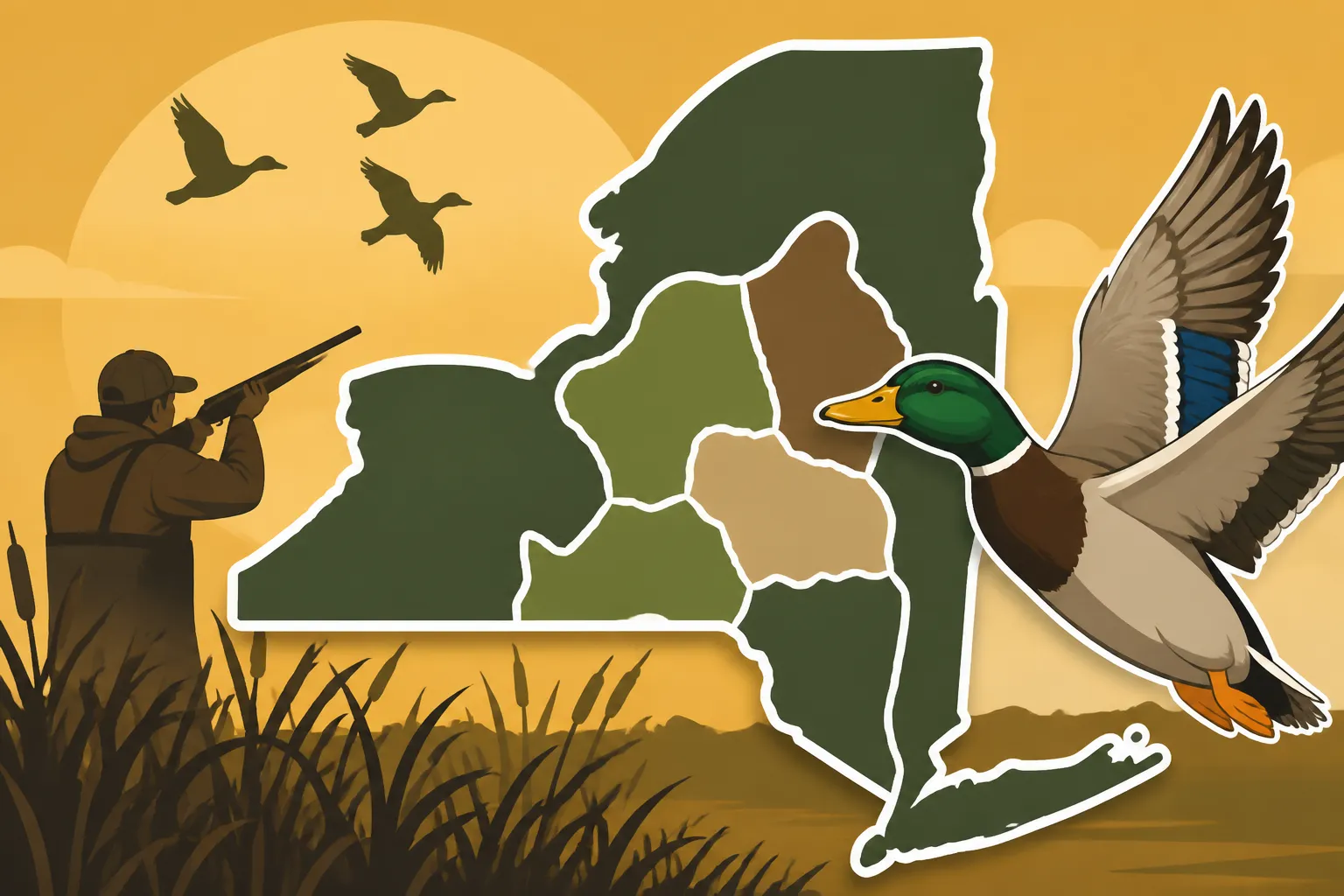
New York is divided into three primary duck zones: the Western Zone, the Northeastern Zone (often referred to as the Lake Champlain Zone), and the Southeastern Zone. Each zone has its distinct geographical characteristics, which in turn dictate the types of waterfowl you're likely to encounter and the specific hunting challenges you'll face.
The Western Zone: Inland Lakes and Rivers
Geographically, the Western Zone encompasses a significant portion of inland New York, generally extending west of a line that runs roughly along I-81 and then westward to the state's border. This zone is characterized by its numerous large and small inland lakes, such as the Finger Lakes, Lake Erie, Lake Ontario, and countless smaller ponds, as well as major river systems like the Genesee and Oswego Rivers. This diverse habitat attracts a wide array of duck species, with a strong presence of puddle ducks like mallards, wood ducks, and black ducks, especially in the early parts of the season. As the season progresses and colder weather pushes in, divers like bluebills (scaup), canvasbacks, and redheads become more prevalent on the larger, deeper bodies of water. Hunters here often focus on flooded timber, cattail marshes, and agricultural fields adjacent to water bodies. The season here often starts a bit earlier than other zones to capitalize on local birds and early migrants. To plan your trip, you'll need to know New York Western Zone Duck Dates.
The Northeastern Zone: Lake Champlain's Influence
The Northeastern Zone, often simply called the Lake Champlain Zone, is truly unique because its waterfowl hunting regulations are harmonized with those of Vermont. This means New York’s DEC coordinates closely with Vermont’s Fish and Wildlife Department to set season dates and bag limits that apply to both sides of Lake Champlain. This zone primarily encompasses the New York shoreline of Lake Champlain and its immediate tributaries, extending westward into parts of Clinton and Essex counties. The focus here is heavily on the vast expanse of Lake Champlain itself, as well as the numerous bays, marshes, and river deltas that feed into it. Common species include mallards, black ducks, wood ducks, and various diving ducks that utilize the deep, cold waters of the lake. Hunting strategies often involve layout blinds on the open water or carefully concealed blinds along marsh edges. Understanding the shared regulatory framework is key to successfully Hunting the Lake Champlain Marshes.
The Southeastern Zone: Coastal Waters and Estuaries
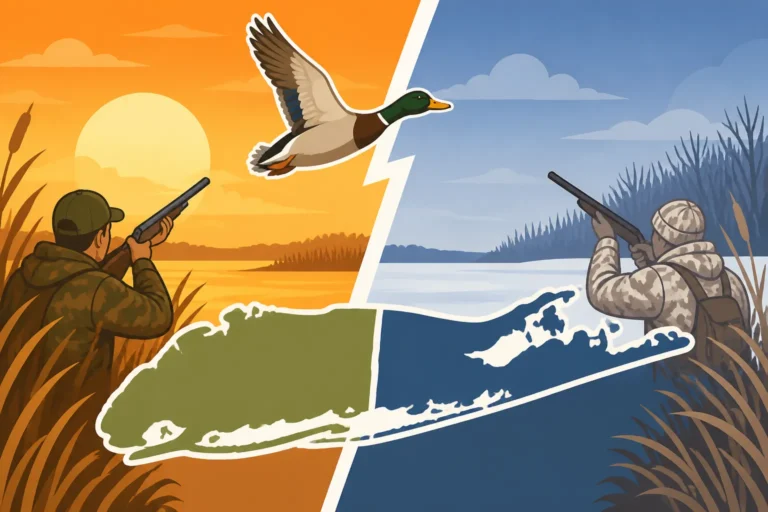
The Southeastern Zone covers the southeastern portion of New York State, including the lower Hudson Valley, Long Island, and the marine districts that extend into the Atlantic Ocean. This is a zone defined by tidal marshes, estuaries, bays, and open ocean, creating a distinct environment for waterfowl hunting. Hunters in this zone often target brant, sea ducks like scoters, eiders, and oldsquaw (long-tailed ducks) on the open water, in addition to the more common puddle and diving ducks found in the calmer bays and marshes. The season structure in the Southeastern Zone is often a bit more complex, frequently featuring a "split season" to align with different migratory pushes and accommodate various species. This allows for early opportunities for resident birds and later hunts for true sea ducks that arrive with colder weather. Understanding these nuances is crucial for success here.
Navigating the Specific Boundaries: Where One Zone Ends and Another Begins
It's one thing to know about the zones, but another entirely to know exactly where you stand in relation to them. The lines on the map are very real, and crossing them, even inadvertently, during a closed season can lead to significant penalties. This is where precision in scouting and planning becomes paramount.
Decoding the Boundary Descriptions
The New York DEC provides detailed legal descriptions of the boundaries for each duck zone. These aren't always simple county lines; they often follow specific roads, highways, rivers, or even invisible lines of latitude and longitude. For instance, a boundary might be described as "east of a line running from…" or "along the centerline of State Route 17." This level of detail is necessary to avoid ambiguity, but it also places the responsibility firmly on the hunter to understand and locate these specific markers. If you're planning to hunt near a boundary, it's absolutely essential to consult the official New York State hunting and trapping regulations guide. You can find maps and detailed textual descriptions there, which are your ultimate authority. Using digital tools like the DEC's HuntFishNY app or a robust mapping system like GoHunt can be incredibly helpful for visualizing these lines on your phone or GPS unit in the field, reducing the guesswork.
Common Confusion Points and How to Avoid Them
Even with detailed descriptions, certain areas inevitably become "hot spots" for boundary confusion. Major rivers that also serve as county lines, or highways that suddenly become part of a zone boundary, can be particularly tricky. For example, if you're hunting along the Mohawk River, you need to know if the river itself is the boundary or if one bank falls into a different zone. A common mistake is assuming that a large body of water like Lake Ontario or Lake Erie is entirely within one zone; often, specific sections or embayments may be regulated differently, especially near river mouths. To avoid issues, always:
- Pre-Scout Thoroughly: Before your hunt, check the official DEC maps and regulations specifically for the area you plan to hunt.
- Use GPS/Mapping Apps: Load the zone boundaries onto your GPS device or smartphone app (like GoHunt). Check your location frequently in the field, especially if moving around.
- Look for Physical Markers: If hunting near a road or river that forms a boundary, pay attention to road signs, bridges, or geographical features mentioned in the regulations.
- Ask Locals: While local knowledge can be invaluable, always cross-reference it with official regulations. Someone's "good enough" understanding might not be legally accurate.
Understanding Season Dates and Bag Limits by Zone
Once you've wrapped your head around the geographical boundaries, the next critical step is to understand how these zones translate into actual hunting opportunities through varying season dates and bag limits. It's not just about when ducks are there, but when you're legally allowed to pursue them.
Western Zone Season Characteristics
The Western Zone typically experiences some of the earliest waterfowl seasons in New York, often starting in late September or early October. This early start capitalizes on local breeding populations and the first waves of migratory birds moving down from Canada, especially puddle ducks. The season often runs in a continuous block, though exact dates can shift slightly year to year based on federal frameworks and biological data. Daily bag limits are generally consistent with statewide or flyway-wide regulations for species like mallards (with specific hen restrictions), wood ducks, black ducks, and various diving ducks. Hunters in this zone need to be particularly mindful of Hunting Western Zone Diver Ducks later in the season when large water bodies attract more diving species. Always double-check the current year's Migratory Bird Hunting Regulations published by the DEC, as these are subject to minor adjustments annually.
Northeastern Zone Season Characteristics
The Northeastern Zone's seasons are inextricably linked to Vermont’s regulations, which can sometimes make planning a bit more complicated for New York hunters used to solely checking their own state's guide. The goal is to create a seamless season across Lake Champlain. As such, the season dates here are often announced in conjunction with Vermont's, and hunters should consult both states' migratory bird summaries if they plan to hunt extensively along the shared border. While the overall season length and general timing are similar to other zones, there might be subtle differences in the species-specific openers or bag limits depending on the waterfowl management strategies agreed upon by both states. This means a New York hunter venturing into the Lake Champlain area must pay close attention to the specific dates for this unique zone, sometimes even tracking announcements from Vermont for the full picture.
Southeastern Zone's Split Season Strategy
The Southeastern Zone often operates under a split season, meaning there are two distinct hunting periods separated by a closure. For instance, there might be an early October opener, followed by a closure, and then a re-opener in November that runs through much of January. This strategy is primarily designed to maximize hunting opportunities for the diverse array of waterfowl that utilize the coastal environment, accommodating both early migrant puddle ducks and later-arriving sea ducks and brant. The first segment often targets resident birds and early-arriving puddle ducks, while the later segment is geared towards the main migratory push and the arrival of wintering sea ducks. This split season demands careful planning from hunters, as gear and tactics might need to change between the two periods. It's Why Long Island Splits Its Duck Season in Two is such an important read for anyone hunting this area. For example, early season might involve marsh hunting for wood ducks, while the late season could be open water hunting for scoters.
Practical Tips for Hunting Across New York's Duck Zones
Navigating New York's duck zones might seem daunting at first, but with a few practical strategies and the right tools, you can ensure a compliant and enjoyable waterfowl season. Being prepared means more time hunting and less time worrying about legalities.
Using Digital Tools for Zone Confirmation
In today's world, there's no excuse for not knowing precisely where you are in relation to a hunting zone boundary. Modern technology has made this easier than ever.
- DEC's HuntFishNY App: The official New York State DEC offers the
HuntFishNY Appwhich includes interactive maps. This app is an invaluable resource, often displaying hunting zone boundaries, public land, and other crucial information directly on your phone. It can pinpoint your exact location using GPS, allowing you to confirm which zone you're in even without cell service, provided you've downloaded the maps beforehand. - Third-Party Mapping Apps: Several excellent third-party mapping applications are available, with GoHunt being a notable example. These apps often provide robust layering options, allowing you to overlay waterfowl zone boundaries onto topographical maps, aerial imagery, and even property lines. This can be particularly useful when scouting or hunting near ambiguous areas. Many hunters swear by these tools for their detailed satellite imagery and offline map capabilities, which are crucial when hunting in remote areas where cell signal is unreliable. Just remember, while these apps are fantastic, always consult the official DEC regulations for the absolute final word.
- GPS Devices: For those who prefer dedicated hardware, a traditional GPS unit remains a reliable tool. Many modern GPS units allow you to upload custom map layers that include hunting zone boundaries. This provides a rugged, long-lasting battery option for multi-day hunts where phone charging might be an issue.
The key is to always check your location. Don't rely on memory or a quick glance at a paper map when you're on the edge of a zone. Take the extra minute to confirm with your digital tool of choice.
Planning Your Hunts Based on Zone Calendars
Understanding the zone calendars isn't just about avoiding violations; it's about maximizing your hunting opportunities. By strategically planning your hunts, you can potentially extend your waterfowl season or target specific species as they migrate through different parts of the state.
- Staggered Openers: Notice how the zones often have staggered opening and closing dates? This isn't accidental. It allows hunters to potentially pursue ducks in one zone during its opener, and then shift to another zone as its season begins, effectively extending their hunting calendar. For example, a hunter might start in the Western Zone for early puddle ducks, and then later in the season, turn their attention to the Southeastern Zone's second split for divers and sea ducks.
- Species-Specific Migrations: Different duck species migrate at different times. By understanding which species are prevalent in which zone during specific periods, you can tailor your hunt. Early season in the Western Zone might be perfect for wood ducks, while late November in the Southeastern Zone could be prime for brant. This allows you to match your efforts to the ducks that are most likely to be present.
- Pressure Management: Hunters tend to flock to opening days. By being flexible and understanding the different zone calendars, you might find less pressured birds by moving to a zone that's been open for a while, or by hitting a less popular spot during a specific segment of the season.
- Federal and State Requirements: Beyond just the zones, remember that additional permits are often required. Don't forget your New York Federal Duck Stamp Requirement and New York HIP Certification for Bird Hunters!
| New York Duck Zone | Primary Geographic Area | Typical Waterfowl Species | Season Characteristics | Special Considerations |
|---|---|---|---|---|
| Western Zone | Inland lakes (Finger Lakes, Great Lakes shores), major rivers | Mallards, Wood Ducks, Black Ducks, Canvasbacks, Bluebills, Redheads | Often earliest opener, continuous season | Good for early puddle ducks, later divers on large lakes |
| Northeastern Zone (Lake Champlain) | Lake Champlain shoreline & tributaries | Mallards, Black Ducks, Wood Ducks, various divers | Season dates harmonized with Vermont | Consult both NY & VT regulations |
| Southeastern Zone | Lower Hudson Valley, Long Island, marine district | Mallards, Black Ducks, Wood Ducks, Brant, Scoters, Eiders, Long-tailed Ducks | Often a split season (two segments with closure in between) | Caters to early migrants & late-arriving sea ducks |
Remember, flexibility and a keen understanding of the regulations are your best allies for a rewarding waterfowl season in New York.
Disclaimer
The information provided in this guide is intended for general informational purposes only and does not constitute legal advice. Hunting regulations in New York are subject to change, and it is the hunter's sole responsibility to consult the most current official New York State Department of Environmental Conservation (DEC) hunting and trapping regulations guide and any applicable federal regulations before engaging in any hunting activities. Always prioritize safety and compliance with all laws and regulations.