Why Long Island Splits Its Duck Season in Two
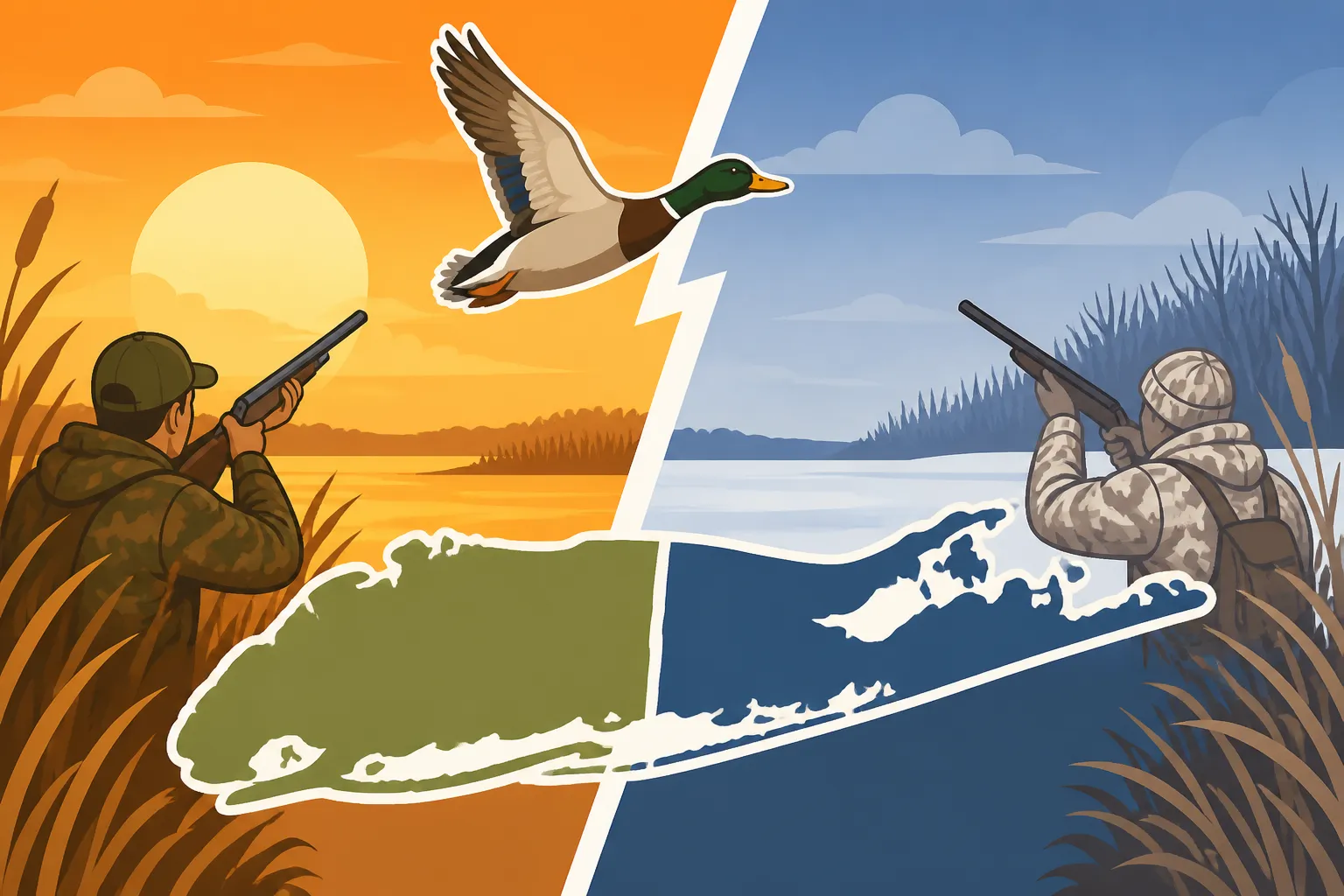
It’s a common head-scratcher for duck hunters on Long Island: why does our waterfowl season get chopped up into two distinct parts? You might feel like you’re just getting into the swing of things, the decoys are flying right, and then, bam, the season’s closed for a bit. This guide is all about peeling back the layers on those regulations, helping you understand the method behind the madness and how to make the most of Long Island's unique duck hunting calendar.
Understanding Long Island's Unique Waterfowl Landscape
Long Island, with its vast coastline, intricate bays, salt marshes, and even freshwater ponds, presents a truly unique environment for migratory waterfowl. It’s not like hunting inland where you might just have one or two major migration waves. Here, we're at the crossroads of a major flyway, and that brings a lot of different birds at different times.
Geographic and Climatic Factors
Think about it: Long Island is a literal island, extending out into the Atlantic Ocean. This geographic position places it smack dab in the middle of the Atlantic Flyway, making it a critical stopover and wintering ground for countless ducks and geese. The diversity of habitats, from the open waters of the Great South Bay and Peconic Bay to the sprawling tidal marshes and sheltered inlets, attracts a wide array of species. The climate plays a huge role too. Early fall can still feel quite mild, almost summer-like some years, which is vastly different from the biting winds and ice cover we often see by January.
These varied conditions mean that different species prefer different habitats and arrive when the weather suits them best. Early season might find dabblers like teal and wood ducks feasting in shallow, protected marshes, while late season sees hardier divers like scaup, canvasbacks, and goldeneyes braving the deeper, often rougher, open water. For anyone using the GoHunt app, you can really dive into maps to understand these habitat differences, marking out potential spots for various conditions. This intricate dance between geography, climate, and waterfowl preference is the fundamental reason why a single, continuous season just wouldn't make sense here.
Diverse Waterfowl Species and Their Habits
Long Island is a melting pot of waterfowl, from the vibrant green-winged teal that zip through in early fall to the robust sea ducks like scoters and eiders that hug the coastline during the coldest months. Each species has its own migration timetable, preferred diet, and habitat needs. For instance, northern pintails and gadwall might show up when the brackier ponds and marshes still offer plenty of submerged vegetation. As winter really sets in, and freshwater sources start to freeze, ducks shift their focus to saltwater environments, where the currents keep things open.
This succession of species means that if the season were just one long, uninterrupted stretch, hunters might miss out on prime opportunities for certain birds, or conversely, put undue pressure on others before they've had a chance to rest and feed. Understanding these individual species habits is key to successful hunting, no matter the time of year. For instance, if you're targeting those nimble dabblers, you'll want to focus on different types of cover and calling techniques than when you're after big diver ducks later in the year. The richness of our New York Waterfowl on the Atlantic Flyway truly dictates the complexity of our seasons.
The Rationale Behind a Split Season
The split season on Long Island isn't an arbitrary decision made by some distant bureaucracy. It’s a carefully considered strategy designed to maximize hunting opportunity while rigorously adhering to conservation principles, all within the framework of federal and state migratory bird regulations.
Catering to Migration Patterns
The primary driver behind the split season is the distinct waves of migration that pass through or winter on Long Island. We get an early flight of birds, often composed of local birds, early arriving teal, and wood ducks, that push through as early as September and October. These birds are often less wary and can offer some fantastic hunting in milder conditions. However, many of these birds continue further south as the weather cools, and new, hardier species begin to arrive from the northern breeding grounds.
By having an early segment, the DEC allows hunters to pursue these initial migrants. Then, a closure period, often in mid to late November, allows the subsequent waves of migratory birds—the bulk of the diving ducks, scaup, canvasbacks, and many geese—to arrive and settle in without immediate hunting pressure. This rest period is crucial for the birds to establish feeding patterns and recover from their long journey. When the season reopens, typically in December, these new arrivals offer fresh hunting opportunities, often in colder, more challenging conditions. This staggered approach respects the birds' natural rhythms, something seasoned hunters truly appreciate. It's a key part of the broader New York Waterfowl Zones and Seasons structure.
Balancing Hunter Opportunity and Resource Conservation
The New York State Department of Environmental Conservation (DEC), working in conjunction with the U.S. Fish and Wildlife Service and the Atlantic Flyway Council, constantly aims to strike a delicate balance. They want to provide ample opportunity for hunters to enjoy their sport, but their paramount concern is the long-term health and sustainability of waterfowl populations. A continuous, long season, especially in a geographically constrained area like Long Island, could lead to over-harvesting specific groups of birds or cause excessive disturbance, pushing them out of prime wintering habitat prematurely.
The split allows for a temporary respite, a period of "rest" for the birds and the hunting areas. This reduces overall pressure during critical periods, allowing waterfowl to feed, roost, and build up fat reserves undisturbed. This strategy contributes directly to conservation goals, ensuring that there will be birds not just for this season, but for future generations of hunters. It's a complex puzzle, considering factors like annual breeding success, population estimates, and habitat conditions, but the split season is a proven tool in managing these resources wisely. This is also why understanding things like New York Deer Management Permits Explained is so crucial, as similar principles of balancing harvest with population health apply across different game species.
Navigating the Two Distinct Hunting Periods
For the Long Island duck hunter, the split season isn't just a regulatory quirk; it dictates everything from your gear choices to your hunting locations and calling strategies. Each segment offers a unique experience, and being prepared for both is the key to consistent success.
Early Season: Targeting First Arrivals
The first leg of the season, usually kicking off in late October, can feel almost idyllic. The weather is often milder, making those pre-dawn setups a bit more bearable. This is the time when the marsh grasses are still standing tall, offering plenty of cover, and the water might not be icy cold. Species like green-winged and blue-winged teal, wood ducks, gadwall, and pintails are common targets. These dabbling ducks prefer shallower waters and often work decoys enthusiastically.
Your hunting strategies will typically involve smaller decoy spreads, often focusing on puddlers, and lighter calls. You'll want to prioritize stealth and natural cover, as the birds might not be as pressured. Hunting spots might include protected tidal creeks, shallow bays, and even freshwater ponds that haven't frozen yet. It's a great time to practice your jump-shooting skills along marsh edges. Remember to always have your New York Migratory Bird Certification and a New York Federal Duck Stamp Requirement in order, as regulations are strict.
Late Season: Embracing the Deep Winter Flight
After the brief closure, the season reopens, typically in December, signaling a dramatic shift. The weather becomes a serious factor, with biting winds, freezing temperatures, and often, ice. This is when the hardier diving ducks truly dominate the scene: greater and lesser scaup, bufflehead, goldeneye, and red-breasted mergansers. Sea ducks like scoters and eiders become more prevalent in the open ocean and inlets. These birds thrive in the colder, deeper, and often rougher waters.
Hunting late season requires a different mindset and gear. Decoy spreads often get larger, featuring more diver and sea duck decoys. Heavy-duty waders, insulated clothing, and even layout blinds for open water hunting are essential. You’ll be dealing with ice, strong currents, and potentially very rough seas. Learning how to Hunting the Long Island Salt Marshes or understanding specific New York Duck Zone Boundaries becomes paramount. This is where a reliable GPS or a tool like GoHunt can be invaluable for marking safe travel routes, especially in fog or low light, and for identifying public access points in what can be truly challenging conditions. Being tough and persistent is rewarded in the late season, as these birds are often more wary but offer incredible action once you're on them.
How to Prepare for Both Segments
To successfully navigate both segments of Long Island's duck season, preparation is key:
- Scouting: Don't just scout once. Scout before the early season to find dabbler hot spots. Then, during the closed period, scout again to see where new birds are settling and what areas are freezing up. Pay attention to tides and wind direction, which drastically affect bird movement.
- Gear Management: Have separate gear stashes or easily switchable setups. Your light early-season waders might not cut it in January. Invest in good insulated waders, sturdy waterproof outer layers, and layers that can handle extreme cold. Think about the right Waterfowl Gear for New York Marsh and Lake, from your calls to your specialized decoys.
- Decoy Spreads: Tailor your spread to the target species. Smaller, more natural dabbler spreads for early season; larger, more durable diver and sea duck spreads for late season. Don't be afraid to mix species if you expect a diverse flight.
- Boat Safety: If you hunt from a boat, ensure it's up to the task for colder, rougher water. Carry all required safety equipment, including extra warm clothes in a dry bag, and always tell someone where you're going and when you expect to return.
- Location Flexibility: Be willing to change locations. A fantastic early-season pond might be completely frozen and birdless in late December. Conversely, a quiet bay in October could be a diver paradise later on. Public lands often see increased pressure, so finding ground others walk past can be crucial. If you're using a GoHunt subscription, you can really dig into public land maps and ownership boundaries.
Federal Regulations and State Implementation
The waterfowl seasons we experience in New York, and specifically on Long Island, aren't conjured out of thin air. They are the result of a multi-tiered regulatory process involving federal agencies, regional councils, and state departments, all working to manage a shared, migratory resource.
The Role of the Atlantic Flyway Council
Migratory birds, by their very nature, don't recognize state or national borders. Their management, therefore, requires a broad, collaborative approach. This is where the Atlantic Flyway Council comes into play. It's one of four such councils in North America, acting as an advisory body to the U.S. Fish and Wildlife Service (USFWS). The council, comprised of state wildlife agency representatives from states and provinces within the flyway, makes recommendations on hunting seasons, bag limits, and other regulations based on population surveys, habitat conditions, and scientific data.
The USFWS ultimately sets the federal frameworks for migratory bird hunting, including species-specific season lengths and daily bag limits. States like New York then operate within these federal "frameworks" to set their specific dates and regulations. The split season on Long Island is an excellent example of how the DEC utilizes the flexibility within these frameworks to optimize hunting experiences given local conditions and migratory patterns. This is why you'll see consistency in federal requirements, such as the duck stamp, across different states within the flyway.
DEC's Specific Considerations for Long Island
While the federal frameworks provide the larger boundaries, the New York State Department of Environmental Conservation (DEC) fine-tunes the regulations for its specific zones, including the Long Island zone. The DEC considers a multitude of hyper-local factors:
- Local Bird Populations: Are there significant resident populations of certain species, or is the area primarily a migratory stopover?
- Hunter Harvest Data: What are the historical harvest rates for different species during various periods? This data helps ensure sustainable take.
- Public Feedback: The DEC often solicits input from hunters, conservation groups, and the general public during its regulatory process.
- Habitat Conditions: Local habitat health, water levels, and food availability can influence bird concentrations and vulnerability.
- Weather Patterns: Specific weather trends on Long Island, such as the timing of severe cold fronts or ice formation, heavily influence when ducks arrive and where they concentrate.
For example, the DEC knows that How Many Geese Winter on Long Island and can adjust goose seasons accordingly, sometimes even with special permits or extended seasons if populations warrant it. They aim to open seasons when birds are present and close them before excessive pressure builds or conditions make hunting unethical. The split season on Long Island is a testament to the DEC's commitment to maximizing recreational opportunity while ensuring the long-term health of our vital waterfowl resources. Understanding these considerations helps hunters appreciate why a region-specific approach is necessary, unlike a broader statewide blanket rule for something like New York's Southern Zone Firearm Season.
Here's a quick comparison of what you might expect during the two segments of Long Island's duck season:
| Feature | Early Season (Approx. Late Oct – Mid Nov) | Late Season (Approx. Dec – Jan) |
|---|---|---|
| Typical Species | Green-winged Teal, Wood Ducks, Gadwall, Pintails | Scaup (Bluebills), Canvasbacks, Goldeneye, Bufflehead, Scoters, Eiders, Brant |
| Weather | Milder, sometimes warm, less chance of ice | Cold, often freezing, high winds, ice is common |
| Habitat Focus | Shallow marshes, freshwater ponds, protected bays | Deeper, open bays, ocean inlets, major estuaries |
| Decoy Spreads | Smaller, dabbler-focused, natural | Larger, diver/sea duck focused, more robust for chop |
| Calling | Softer, puddle duck calls | Less emphasis on calling, focus on large spreads/motion |
| Gear Needs | Standard waders, lighter layers, stealth | Insulated waders, heavy layers, layout blinds, boat |
| Hunter Pressure | Moderate | Can be higher in prime spots, but often spread out |
Remember, these are general guidelines, and conditions can change rapidly on Long Island. Always check the official DEC regulations annually, as dates and bag limits can shift. For those really committed to the later, colder hunts, checking out resources on Keeping a Muzzleloader Dry in Lake-Effect Snow could even offer some useful tips for protecting other gear from the elements, given the similar harsh conditions.
Disclaimer
Please note that hunting regulations, seasons, and licensing requirements in New York State are subject to change. Always consult the most current New York State Department of Environmental Conservation (DEC) hunting guide and official regulations before planning any hunting trip. This guide is for informational purposes only and should not be considered legal advice.