The Herkimer County CWD Containment Towns
The news hit New York's hunting community like a gut punch: Chronic Wasting Disease (CWD) had been detected in a captive deer facility in Herkimer County. This wasn't just another distant headline; it was right here, in our backyard, bringing with it a wave of anxiety, confusion, and new regulations. For many of us, it meant grappling with the fear of CWD spreading to our beloved wild whitetails and understanding exactly what was expected of us as hunters. This guide aims to clear up the confusion, detailing the specific towns affected, the new rules you must follow, and what you can do to help protect New York's deer herd.
Understanding the CWD Threat in New York
Chronic Wasting Disease is a term that strikes fear into the heart of any deer hunter, and for good reason. It's a relentless and ultimately fatal neurological disease that affects deer, elk, moose, and other cervids. When it shows up, it changes everything we know about hunting and herd management.
What is Chronic Wasting Disease?
At its core, CWD is a transmissible spongiform encephalopathy, or TSE, caused by abnormal proteins called prions. These prions essentially eat holes in the brain tissue of infected animals, leading to a host of debilitating symptoms like extreme weight loss, stumbling, listlessness, and behavioral changes. Think of it as a zombie deer disease, though that's a dramatic oversimplification. The real horror is that it's always fatal, there's no cure, and it can remain infectious in the environment for years, even after an infected animal has long decomposed. It spreads primarily through direct animal-to-animal contact, but also through contaminated soil, plants, or even feed where an infected animal has deposited saliva, urine, or feces. The insidious nature of prions means they are incredibly resistant to conventional sterilization methods, making eradication an immense challenge once established in a wild population. For hunters, the concern is profound, not just for the health of the herd but for the future of our sport and the venison we put on our tables.
New York's History with CWD Before Herkimer
It's easy to feel like the sky is falling when CWD shows up, but it's important to remember that New York has been here before. We've had scares, most notably back in 2005 when CWD was detected in captive and wild deer in Oneida County. That initial outbreak sent shockwaves through the state, prompting immediate and aggressive action by the DEC. Thanks to swift containment measures, depopulation efforts, and intensive testing, New York managed to successfully eradicate CWD from its wild deer herd, becoming one of the few states to achieve such a feat. It was a testament to the dedication of wildlife managers and the cooperation of hunters. For nearly two decades since, New York has maintained an incredibly robust statewide surveillance program, meticulously testing thousands of hunter-harvested deer and roadkills annually to ensure our wild herds remained CWD-free. This constant vigilance is why many of us breathed a collective sigh of relief year after year. The Herkimer County incident, therefore, felt like a jarring reminder that this threat is always lurking, and we can never let our guard down. Understanding Why New York Has Stayed Free of Wild CWD for so long helps put the current situation into perspective, highlighting the monumental effort required to maintain that status.
The Herkimer County CWD Containment Area
When the news broke about the captive facility in Herkimer County, the DEC moved quickly to establish a Containment Area. This wasn't a casual decision; it was a strategic, urgent measure designed to ring-fence the potential spread of CWD and protect the broader New York deer population.
Pinpointing the Affected Towns
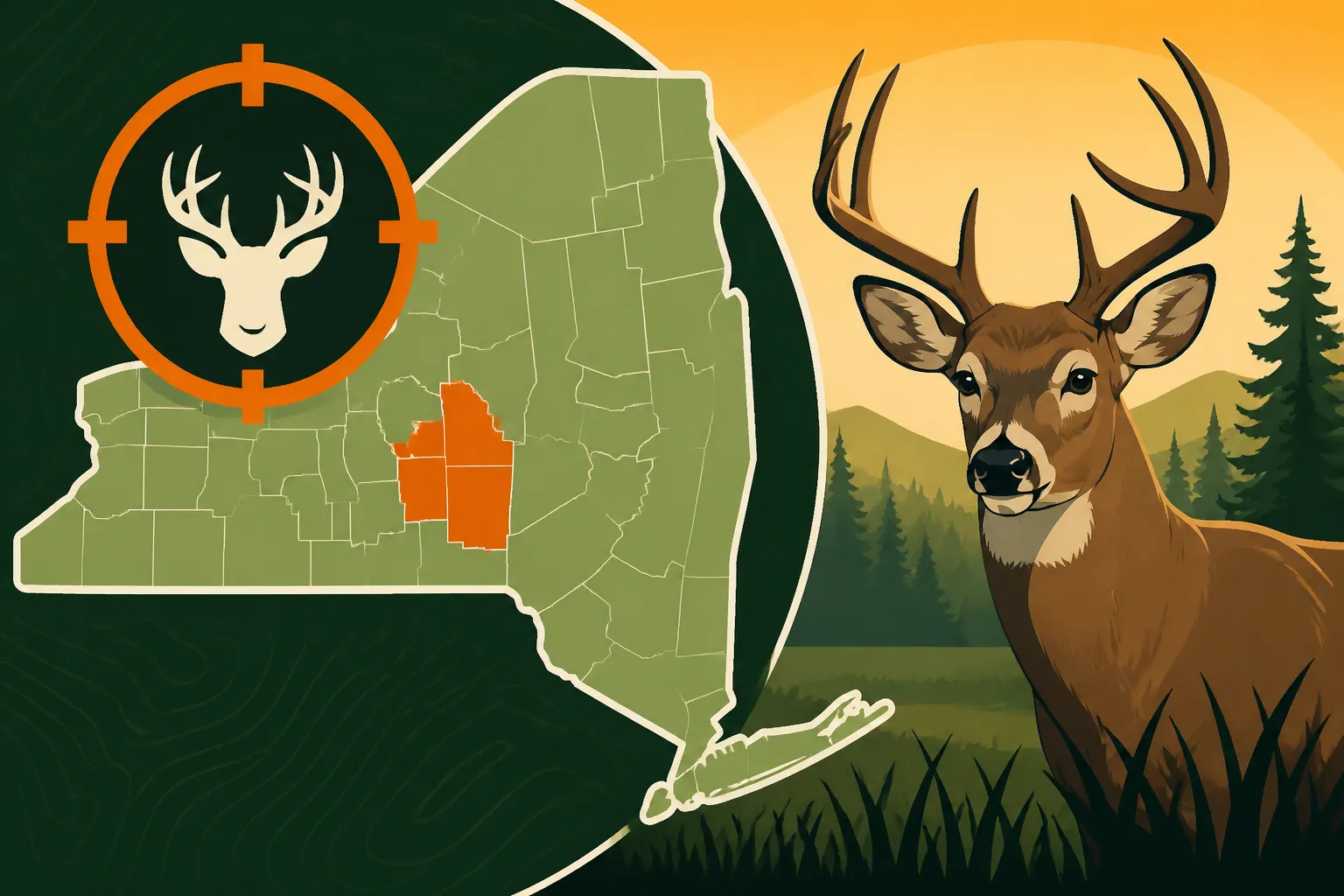
The Containment Area encompasses a specific set of towns within Herkimer County, and knowing these boundaries is absolutely critical for any hunter planning to pursue deer there. The towns include: Schuyler, Frankfort, German Flatts, Herkimer, Little Falls, Manheim, Newport, Russia, Salisbury, Warren, Webb, Columbia, Danube, Fairfield, Litchfield, Ohio, and Norway. This is a significant chunk of Herkimer County, chosen because of its proximity to the infected captive facility and the potential movement patterns of local wild deer. For residents and hunters who live, own land, or traditionally hunt within these areas, the creation of the Containment Area brought an immediate shift in how they could participate in deer season. It's a challenging reality when suddenly your favorite hunting grounds are under new, stringent rules. This designation means that these towns are now on the front lines of New York’s CWD defense, and every hunter within their borders becomes an essential part of that defense. Knowing Which towns sit inside the CWD Containment Area is the first step to compliance.
The Immediate Response and Containment Strategy
The moment CWD was confirmed in the captive deer facility, the New York State Department of Environmental Conservation (DEC) swung into action. Their immediate priority was to prevent the disease from jumping from the captive herd to the wild deer population, and then, crucially, from spreading beyond the local area. The initial steps involved the depopulation of the infected captive herd, a heartbreaking but necessary measure. Simultaneously, the Containment Area was declared, and strict regulations were put in place. The strategy is multi-faceted: intensify surveillance, limit the potential for disease spread, and provide hunters with the tools and information they need to assist. This included setting up mandatory sampling stations and enforcing strict carcass movement rules. For many of us, the news brought a mixture of dread and frustration. We'd dodged this bullet before, and now it was back, creating uncertainty about the future of hunting in a region that holds deep traditions for many families. The DEC's rapid response was aimed at containing How CWD Reached a Captive New York Herd and preventing a wider catastrophe.
New Hunting Regulations Within the Containment Area
Hunting within the Herkimer County CWD Containment Area comes with a new rulebook, and it's imperative for every hunter to understand and adhere to these regulations. These aren't suggestions; they are legally binding requirements designed to protect the health of New York's entire deer herd.
Mandatory Deer Reporting and Sampling
Perhaps the most significant change for hunters in the Containment Area is the mandatory reporting and CWD sampling requirement for every deer harvested. This is a crucial surveillance tool for the DEC. If you're fortunate enough to tag a deer within one of the designated Herkimer County CWD Containment towns, your responsibility doesn't end with tagging. You are required to report your harvest to the DEC, just as always, but then you must take the deer's head, with at least four inches of neck attached, to a designated CWD sampling station. These stations, often located at taxidermists, meat processors, or specific DEC check stations, will collect tissue samples for free CWD testing. The process is designed to be as straightforward as possible, recognizing that hunters are key partners in this fight. This mandatory sampling allows the DEC to monitor for any potential spread of CWD into the wild population from the captive facility, providing critical data to guide future management decisions. Your cooperation here is not just helpful, it’s absolutely essential for the long-term health of our deer. You can find more details on Free CWD Testing for Herkimer County Hunters and where to bring your harvest. This is a prime example of the importance of New York Deer Reporting Requirements during critical management periods.
Carcass Movement Restrictions
Another critical regulation in the Containment Area involves strict rules on carcass movement. Simply put, you cannot take a whole deer carcass out of the Herkimer County CWD Containment Area. This rule is in place to prevent the physical movement of potentially infected prions to other parts of the state. Prions are most concentrated in the brain, spinal cord, lymph nodes, and spleen, so the goal is to keep these high-risk parts within the containment zone.
What can leave the Containment Area?
- Deboned meat
- Cleaned skull plates (no brain or spinal cord tissue attached)
- Clean hides (without the head)
- Teeth
- Taxidermy-ready skulls that have been completely cleaned of all tissue.
This means if you harvest a deer in one of these towns and live outside the Containment Area, or plan to process your deer elsewhere, you will need to field dress and debone the animal on site or at a local processing facility within the containment zone. This presents logistical challenges, especially for those who typically process their own deer at home or travel long distances. It requires careful planning, extra equipment like game bags and coolers for meat, and a thorough understanding of proper field dressing techniques to remove the high-risk tissues effectively. It's an inconvenience, no doubt, but one that is absolutely vital for preventing the spread of this devastating disease. Understanding Moving a Deer Carcass Out of Herkimer County is paramount before you head into the woods. These are very specific New York Carcass Transport Restrictions that demand adherence.
Special Antlerless Deer Opportunities
In an effort to help manage deer populations within the Containment Area, the DEC often implements special antlerless deer opportunities. This might include issuing additional Deer Management Permits (DMPs) or extending antlerless harvest seasons in the affected Wildlife Management Units (WMUs). The rationale behind this is that reducing the overall deer density can potentially help slow down the transmission rate of CWD, should it establish itself in the wild population. With fewer deer in close contact, the opportunities for direct and indirect spread are reduced. For hunters, this can be a bittersweet reality. On one hand, it offers more chances to fill the freezer, and potentially contributes to the containment efforts. On the other hand, it comes with the weight of knowing why these additional opportunities are necessary. It’s an urgent call to action for hunters to actively participate in herd management under challenging circumstances. Hunters interested in these additional tags should check the DEC website for specific announcements regarding Extra DMPs Issued Inside the Containment Area, as these details can change from year to year based on disease surveillance and management needs. These special provisions are a key component of the overall strategy outlined in New York Deer Management Permits Explained.
What Hunters Need to Do and Know
Successfully hunting in the Herkimer County CWD Containment Area requires more than just your usual hunting skills. It demands an elevated level of awareness, preparation, and strict adherence to new protocols. This isn't just about bagging a deer; it's about being a responsible steward of the resource in a critical situation.
Planning Your Hunt in a CWD Zone
Before you even step foot in the woods of Herkimer County, meticulous planning is essential. First and foremost, you need to confirm that your hunting location is indeed within the CWD Containment Area. Don't rely on assumptions; check official DEC maps and advisories. Many hunters find digital mapping tools invaluable for this. Applications like GoHunt or the official Scouting With the New York HuntFishNY App can overlay property lines, public land boundaries, and now, CWD Containment Area lines, giving you precise, real-time information right on your phone. This allows you to plan your entry and exit routes, identify where you'll be field dressing your animal, and locate the nearest CWD sampling stations.
Beyond knowing the boundaries, consider how your usual hunting routines might need to adapt. If you typically hunt with a group, ensure everyone understands the regulations. Discuss contingency plans for a harvest: Who will debone? Where will the carcass be processed or high-risk parts disposed of? Thinking through these details beforehand will save you immense headaches and ensure you stay compliant with the law. The increased vigilance needed for hunting in these areas makes careful planning even more paramount.
Proper Field Dressing and Carcass Handling
The way you handle your deer after the shot is more critical than ever when hunting in a CWD Containment Area. The goal is to minimize the potential spread of CWD prions, which are most concentrated in neural and lymphatic tissues. While typical field dressing removes many of these, specific attention is needed.
Here's what you should focus on:
- Gloves are a Must: Always wear disposable gloves when handling any game animal, but especially in a CWD zone. This protects you and prevents potential cross-contamination.
- Minimize Exposure to High-Risk Parts: When field dressing, take extra care to avoid cutting into the brain, spinal cord, spleen, and lymph nodes (which are often near major blood vessels and organs). If you're not planning to take the head for taxidermy, consider leaving the head and spinal column entirely in the woods at the kill site, provided it’s legal and practical, or taking it to a designated disposal site within the Containment Area.
- Deboning in the Field: Since whole carcasses cannot leave the Containment Area, familiarizing yourself with the gutless method or field deboning techniques is highly recommended. This involves skinning and quartering the animal, removing all meat from the bone, and leaving the skeleton (including the head and spinal column) at the harvest site or disposing of it properly within the Containment Area. This can be done relatively quickly with practice and good knives. If you're accustomed to processing at camp or at home, this will be a significant shift.
- Dispose of Waste Properly: All high-risk parts, including the head, spinal column, and any offal, must remain within the CWD Containment Area. Check with the DEC for specific guidance on approved disposal sites, if any, or if leaving them at the kill site in appropriate areas is permitted. Burying them deeply is generally a good practice if leaving them in the field.
- Cleanliness: Thoroughly clean all tools and surfaces that came into contact with the carcass. While prions are tough, good hygiene is always important.
This meticulous approach, though time-consuming and perhaps a new skill for some, is vital for preventing the accidental spread of CWD. It’s a somber but necessary part of being a responsible hunter in these sensitive times, and it changes how you approach something as fundamental as Field Dressing a Deer in Cold Weather.
The Importance of Continued Vigilance
Hunting in a CWD Containment Area isn't a one-and-done deal; it's an ongoing commitment to vigilance. Every hunter plays a critical role in the long-term health of New York's deer herd. This means staying informed about any updates from the DEC regarding CWD, as regulations can evolve based on new surveillance data.
It also means keeping an eye out for sick or abnormal-acting deer. While CWD symptoms can mimic other diseases or injuries, any deer exhibiting severe weight loss, stumbling, excessive drooling, or a generally listless appearance should be reported immediately to the DEC. Do not harvest or consume meat from an animal that appears sick. Your observations from the field are invaluable to wildlife biologists. The fight against CWD is a marathon, not a sprint, and your continued participation in testing, adherence to regulations, and reporting suspicious observations are the most powerful tools we have to protect the future of hunting in New York.
Broader Implications for New York Hunting
While the immediate focus is on Herkimer County, the presence of CWD in a captive facility there has far-reaching implications, serving as a stark reminder of the constant threat and the critical need for vigilance across the entire state.
Lessons from Herkimer for Statewide CWD Preparedness
The Herkimer County incident, though contained to a captive facility, underscored just how close CWD can come to New York's wild deer herd. It reinforced the absolute necessity of the state's comprehensive statewide CWD monitoring program, which involves testing thousands of deer annually, even outside of outbreak zones. This system acts as an early warning network, crucial for detecting any potential CWD presence before it can become widespread. The event also highlighted the importance of regulations surrounding captive deer facilities, as these can be a vector for disease introduction. For the general hunting public, this served as a wake-up call, fostering a renewed sense of shared responsibility. It brings the abstract concept of New York's Chronic Wasting Disease Containment Area into sharp, local focus, forcing conversations about biosecurity, responsible hunting practices, and the long-term health of our wildlife. The lessons learned here will undoubtedly continue to shape New York's approach to CWD preparedness, reminding us that constant vigilance and proactive measures are our best defense.
Supporting Wildlife Management Efforts
Hunters have always been, and continue to be, the primary funders and stewards of wildlife conservation in New York and across the country. Our license and tag purchases directly support the vital work of the DEC, including disease surveillance, habitat management, and enforcement. In the context of CWD, our role is more critical than ever. By meticulously following the new regulations in Herkimer County, submitting samples for testing, and reporting suspicious observations, we are actively participating in wildlife management at its most urgent level. Beyond compliance, engaging with local DEC offices, attending public meetings, and staying informed through official channels demonstrates a commitment to the resource that extends far beyond just opening day. In areas where antlerless harvests are encouraged for disease management, responsibly filling those tags contributes directly to population control efforts that can mitigate CWD spread. Even donations of venison, if processed according to the Containment Area rules, can help local communities while supporting a healthy herd. Our collective efforts and dedication are the backbone of New York's wildlife conservation, proving that hunters are not just users of the resource, but its most passionate and effective protectors.
Herkimer County CWD Containment Towns & Key Regulations
To ensure clarity and easy reference, here's a summary of the towns within the Herkimer County CWD Containment Area and the critical regulations every hunter must follow.
| Containment Town | Key Regulations |
|---|---|
| Columbia | Mandatory CWD testing for all harvested deer; Carcass movement restrictions apply (deboned meat, clean skull plates, hides, teeth only may leave). |
| Danube | Mandatory CWD testing for all harvested deer; Carcass movement restrictions apply (deboned meat, clean skull plates, hides, teeth only may leave). |
| Fairfield | Mandatory CWD testing for all harvested deer; Carcass movement restrictions apply (deboned meat, clean skull plates, hides, teeth only may leave). |
| Frankfort | Mandatory CWD testing for all harvested deer; Carcass movement restrictions apply (deboned meat, clean skull plates, hides, teeth only may leave). |
| German Flatts | Mandatory CWD testing for all harvested deer; Carcass movement restrictions apply (deboned meat, clean skull plates, hides, teeth only may leave). |
| Herkimer | Mandatory CWD testing for all harvested deer; Carcass movement restrictions apply (deboned meat, clean skull plates, hides, teeth only may leave). |
| Litchfield | Mandatory CWD testing for all harvested deer; Carcass movement restrictions apply (deboned meat, clean skull plates, hides, teeth only may leave). |
| Little Falls | Mandatory CWD testing for all harvested deer; Carcass movement restrictions apply (deboned meat, clean skull plates, hides, teeth only may leave). |
| Manheim | Mandatory CWD testing for all harvested deer; Carcass movement restrictions apply (deboned meat, clean skull plates, hides, teeth only may leave). |
| Newport | Mandatory CWD testing for all harvested deer; Carcass movement restrictions apply (deboned meat, clean skull plates, hides, teeth only may leave). |
| Norway | Mandatory CWD testing for all harvested deer; Carcass movement restrictions apply (deboned meat, clean skull plates, hides, teeth only may leave). |
| Ohio | Mandatory CWD testing for all harvested deer; Carcass movement restrictions apply (deboned meat, clean skull plates, hides, teeth only may leave). |
| Russia | Mandatory CWD testing for all harvested deer; Carcass movement restrictions apply (deboned meat, clean skull plates, hides, teeth only may leave). |
| Salisbury | Mandatory CWD testing for all harvested deer; Carcass movement restrictions apply (deboned meat, clean skull plates, hides, teeth only may leave). |
| Schuyler | Mandatory CWD testing for all harvested deer; Carcass movement restrictions apply (deboned meat, clean skull plates, hides, teeth only may leave). |
| Warren | Mandatory CWD testing for all harvested deer; Carcass movement restrictions apply (deboned meat, clean skull plates, hides, teeth only may leave). |
| Webb | Mandatory CWD testing for all harvested deer; Carcass movement restrictions apply (deboned meat, clean skull plates, hides, teeth only may leave). |
Disclaimer
Please be aware that hunting regulations, especially concerning Chronic Wasting Disease (CWD) Containment Areas, can change rapidly. While this article provides the most accurate information available at the time of publication, it is the hunter's responsibility to consult the official New York State Department of Environmental Conservation (DEC) hunting regulations guide and website for the most current and complete information before heading afield.