Bowhunting New York’s Long Archery Season
New York's sprawling bowhunting season is a true gift for dedicated hunters, offering months of opportunity from crisp autumn mornings to frigid late-season days. However, navigating its length and varied conditions can be a real challenge, demanding adaptable tactics and an intimate understanding of deer behavior. This comprehensive guide is here to walk you through everything you need to make the most of New York's long archery season, transforming frustration into successful hunts.
Understanding New York's Archery Season Structure
One of the biggest hurdles for new and even seasoned bowhunters in New York is simply understanding when and where you can hunt. The state isn't a single, uniform entity when it comes to deer seasons; it's a tapestry woven with different zones, dates, and regulations that directly impact your bowhunting strategy. Ignoring these distinctions isn't just a recipe for missed opportunities, it can lead to unintentional violations.
Southern Zone vs. Northern Zone Differences
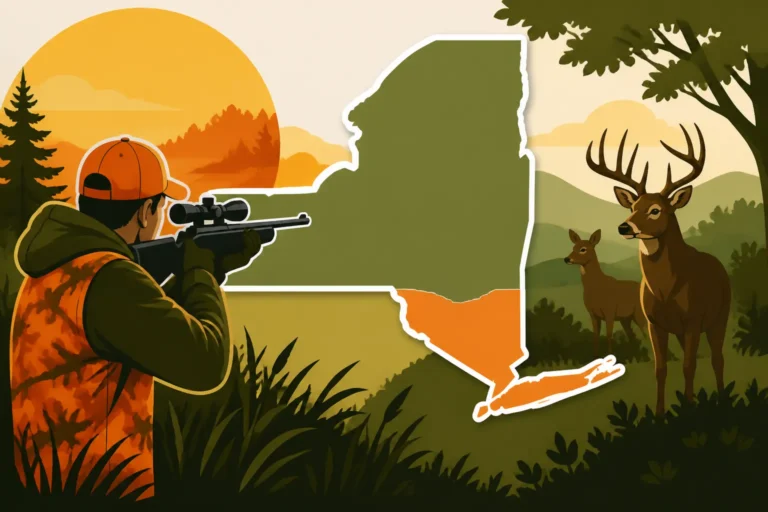
New York State is divided into two primary deer hunting zones: the Southern Zone and the Northern Zone. This distinction isn't arbitrary; it reflects significant differences in deer populations, habitat, and, crucially, winter severity. The Southern Zone, encompassing the vast majority of the state south of the Adirondacks, generally has a longer and earlier archery season opener. This allows hunters to pursue deer when they are often still on predictable summer patterns, hitting agricultural fields and specific mast crops. The early portion of the Southern Zone archery season can be quite warm, presenting unique challenges for scent control and meat care.
Conversely, the Northern Zone, primarily the Adirondack Park and its fringes, faces much harsher winters and historically supports lower deer densities. As a result, its archery season typically opens later and often runs for a shorter, more concentrated period. This later start means hunters are usually greeted with cooler temperatures and deer that are already transitioning into fall feeding patterns, often moving towards wintering areas or yarding up. Understanding how New York's Two Deer Zones Split the Calendar is fundamental to planning your hunts, especially if you intend to pursue deer in both regions. The differences in habitat – from dense Adirondack hardwoods to rolling Southern Tier farmlands – also necessitate varied approaches, making zone awareness paramount.
Antler Restrictions and Deer Management Permits
Beyond just the calendar, New York employs specific regulations to manage its deer herd, with antler restrictions (ARs) and Deer Management Permits (DMPs) being key components for bowhunters. Antler restrictions, which mandate a certain number of antler points or a minimum spread for a buck to be legally harvested, are in place in specific Wildlife Management Units (WMUs) throughout the state. The goal of these restrictions is to allow younger bucks to mature, theoretically leading to an older age structure and potentially larger antlered deer in those areas. For a bowhunter, this means you absolutely must know the rules for the WMU you're hunting; mistakenly harvesting an illegal buck can lead to significant penalties.
Deer Management Permits, often called "doe tags," are essential for managing the overall deer population and provide bowhunters with additional opportunities to fill their freezers. These permits allow the harvest of antlerless deer and are allocated through a lottery system for specific WMUs. Some WMUs are "unlimited," meaning DMPs are readily available, while others are "limited" and require an application by a specific deadline. For many bowhunters, DMPs represent their best chance at harvesting deer, especially given the challenging nature of bowhunting. Familiarizing yourself with how New York Deer Management Permits Explained and how to apply for them is critical. The opportunity to harvest multiple antlerless deer can also extend your season, allowing you to hunt well past when you might have filled your single buck tag.
Essential Gear for New York Bowhunting
Bowhunting New York demands the right tools for the job, tailored to the varied terrain, weather, and game you'll encounter. From the core components of your bow setup to the optics that aid in spotting deer and the clothing that keeps you comfortable, your gear choices can significantly impact your success and enjoyment. Skimping on crucial items or making ill-informed selections can lead to frustration and missed opportunities in the field.
Bow and Arrow Setup Considerations
Your bow and arrow setup is, quite literally, your primary tool in the bowhunting woods. A well-tuned and appropriate setup is not just about power; it's about accuracy, reliability, and ethical harvesting. New York's regulations specify minimum draw weights for bows (typically 35 pounds for compounds and recurves), and understanding your bow's capabilities within these limits is crucial. When it comes to arrows, consider factors like overall weight, straightness, and fletching. Heavier arrows generally carry more kinetic energy, which can be beneficial for penetration on larger New York whitetails, but they also fly slower and have more trajectory drop.
Broadhead selection is a perpetual debate among bowhunters, but in New York's often thick timber, both fixed-blade and mechanical broadheads have their place. Fixed-blade broadheads are known for their rugged durability and reliability, often excelling at punching through bone or dense tissue. Mechanical broadheads, with their expandable blades, typically offer a wider cutting diameter and can fly more like field points, simplifying tuning. However, they sometimes require more kinetic energy to deploy reliably and can be susceptible to failure on hard impacts. Whichever you choose, ensure they are razor-sharp and practice with them extensively to confirm flight characteristics. Ultimately, an ethical setup prioritizes consistent accuracy and sufficient penetration to dispatch game quickly and humanely. For more detailed insights, understanding Bow Draw Weight for New York Whitetails can help fine-tune your setup.
Optics, Treestands, and Ground Blinds
Beyond your bow, several other pieces of gear are indispensable for a successful New York bowhunt. Quality optics are paramount, especially in the low light conditions common at dawn and dusk, or when trying to pick apart dense cover. Binoculars (8×42 or 10×42 are popular choices) allow you to scan vast areas, identify deer, and confirm antler points without excessive movement. A rangefinder is non-negotiable for bowhunting; accurately gauging distance to your target is critical for making an ethical shot within your effective range. Even in dense Catskill woods, knowing a deer is at 25 yards versus 35 yards can be the difference between a clean kill and a miss or, worse, a wounded animal.
For stand placement, both treestands and ground blinds offer distinct advantages. Treestands, whether hang-ons, climbers, or saddle hunting setups, get you above a deer's line of sight and often above their primary scent cone. This can be especially effective in hardwoods or areas with good canopy cover. However, they require suitable trees and careful setup for safety. For example, Treestand Setups in Adirondack Hardwoods often involve navigating uneven terrain and mature timber. Ground blinds, on the other hand, offer excellent concealment, warmth, and mobility, making them ideal for field edges, thick cover, or areas where suitable trees are scarce. They are also fantastic for youth hunters or those with mobility limitations. Whichever you choose, ensure it's securely set up and offers ample shooting lanes for a clean shot. Using mapping tools like GoHunt, you can identify prime locations for either a treestand or ground blind, scouting potential spots from your couch before ever stepping foot in the woods.
Clothing and Scent Control
New York's archery season can span a wide range of weather conditions, from warm, muggy September days to freezing, snowy late-December afternoons. Effective clothing is all about layering. Start with a moisture-wicking base layer to manage sweat, add insulating layers for warmth, and top it with a quiet, weather-resistant outer shell. Wool and high-quality synthetics are often favored for their warmth-to-weight ratio and quietness, essential for avoiding detection by wary whitetails. Don't forget a warm hat and gloves, as significant heat loss occurs through your head and extremities.
Scent control, while sometimes debated, is a critical component of bowhunting success, especially when deer are within close range. Whitetails possess an incredible sense of smell, and even a slight human odor can send them bounding away. Start with scent-free detergents for your hunting clothes, shower with scent-eliminating soaps, and store your hunting gear in airtight containers. Using a good quality carbon suit or scent-eliminating sprays can further reduce your human odor signature. While you'll never be 100% scent-free, diligently practicing scent control significantly tilts the odds in your favor, allowing deer to get closer and offer better shot opportunities.
Pre-Season Scouting and Habitat Analysis
The work for a successful bowhunting season often begins long before opening day. Pre-season scouting and thorough habitat analysis are arguably as important as your shooting skills. Understanding where deer live, feed, and travel, and how these patterns change throughout the season, is the bedrock of consistent success. Neglecting this crucial phase can leave you guessing in the woods, wasting precious hunting time in unproductive areas.
Locating Key Deer Sign
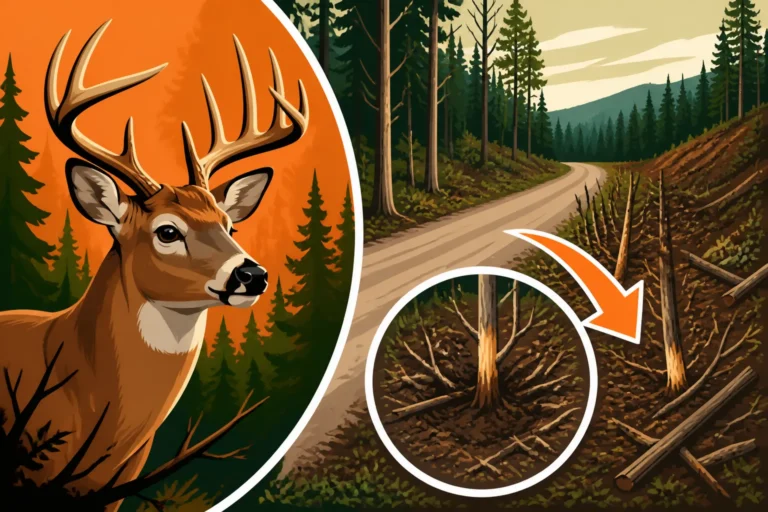
Effective scouting starts with recognizing and interpreting deer sign. Rubs, where bucks scrape their antlers on trees, indicate the presence of antlered deer and often mark travel corridors or territorial boundaries. Fresh, shiny rubs on saplings are particularly exciting to find. Scrapes, areas where deer paw at the ground, urinate, and sometimes rub an overhanging branch (a "licking branch"), serve as communication hubs. Finding a "scrape line" along a logging road or field edge, especially with fresh activity, can reveal a buck's regular travel route. An in-depth look at Scrape Lines Along a Logging Road can provide further insights into these vital communication points.
Beyond these overt signs, pay close attention to bedding areas, which are often found on leeward slopes, in thickets, or elevated points offering good visibility. Tracks, droppings, and browsed vegetation also tell a story about deer presence, preferred food sources, and travel patterns. As the season progresses, deer behavior shifts, and so too will the importance of different types of sign. Early season might focus on food sources like apples or acorns, while later in the rut, rubs and scrapes become more indicative of buck activity.
Utilizing Technology and Topography
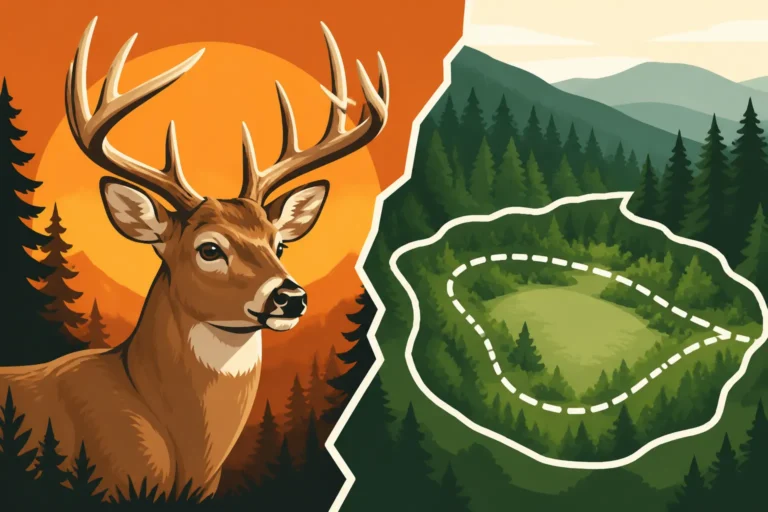
Modern technology has revolutionized pre-season scouting, making it more efficient and insightful than ever before. Satellite imagery and topographical maps, available through apps like GoHunt or onX Hunt, allow you to identify potential hotspots from the comfort of your home. Look for natural funnels where topography constricts deer movement, such as saddles between ridges, creek crossings, or pinch points between thick cover and open fields. Identifying these features on a map can save countless hours of walking unproductive ground.
Elevation changes on topo maps can reveal bedding areas on south-facing slopes, which warm up faster in the morning, or north-facing slopes, which offer cooler bedding in early season. Understanding how Reading Aerial Photos for Southern Tier Deer and contour lines intersect with cover, food, and water sources can paint a detailed picture of deer movement. Using the GoHunt app, you can mark potential stand locations, exit and entry routes, and areas of interest, creating a digital hunting plan that you can then test on the ground. This blend of remote analysis and on-the-ground verification is incredibly powerful for identifying overlooked spots where mature bucks might feel secure.
E-Scouting and Boots-on-the-Ground Verification
The ideal pre-season strategy combines extensive e-scouting with boots-on-the-ground verification. Start by thoroughly researching potential hunting areas online, using mapping tools to identify high-percentage locations. This includes looking at recent timber cuts, identifying different forest types, and pinpointing agricultural fields or potential mast crops. Once you've narrowed down a few promising areas, it's time to hit the woods.
During your physical scouting trips, focus on confirming what you saw on the map. Are those funnels as pronounced as they looked? Is there fresh deer sign in the suspected bedding areas? How does the wind typically swirl in certain spots? Pay close attention to subtle details that might not show up on a map, like faint trails, water sources, or specific types of vegetation deer are browsing. Additionally, assess potential entry and exit routes that minimize disturbance, especially when hunting public land. An in-depth approach to Scouting New York Public Land Before Season involves not only finding deer sign but also understanding how other hunters might be impacting deer movement, helping you find those hidden pockets of security.
In-Season Tactics for Early and Mid-Season Archery
The long New York archery season isn't a static environment; deer behavior, food sources, and hunting pressure evolve dramatically from the warm days of September through the crisp coolness of October. Successfully bowhunting means adapting your tactics to these changes, staying a step ahead of the deer and your fellow hunters.
Early Season Food Sources and Patterns
When New York's archery season first opens, especially in the Southern Zone, deer are often still on predictable summer patterns. Their primary focus is food and security. Early season opportunities often revolve around readily available soft mast like apples, pears, and wild berries, as well as agricultural crops such as alfalfa, clover, and even standing corn. Finding these prime food sources, particularly those located near dense cover, can be a goldmine. Deer will often transition from bedding cover to feeding areas during the last hour or two of daylight, making evening hunts on field edges or transition zones highly effective.
Your early season strategy should focus on identifying these current food preferences. A good starting point is scouting for fresh droppings and tracks around orchards, abandoned homesteads, or crop fields. Set up on the downwind side of travel corridors leading to these food sources, or along edges that provide a good vantage point. As the season progresses, these food sources may become depleted or less attractive, so flexibility is key. In years where hard mast, like acorns, is scarce, understanding Hunting After a Poor Acorn Year becomes even more crucial, as deer will lean heavily on alternative food sources.
Mid-Season Strategies for Pressure and Changing Conditions
As September gives way to October, several shifts occur. Temperatures generally drop, causing some early season food sources to diminish. More importantly, hunting pressure often begins to build, particularly on public lands or easily accessible private parcels. This increased pressure pushes deer, especially mature bucks, into more secluded, thicker cover, making them more nocturnal and wary.
Your mid-season tactics must adapt to this. Instead of focusing solely on primary food sources, start to concentrate on secondary food sources that might be overlooked, or on thick bedding areas. Hunting deeper within public land, away from trails and roads, can put you in areas where deer feel more secure. Consider setting up between bedding areas and less-pressured food sources, or along faint trails through dense cover. This is where diligent pre-season scouting really pays off, allowing you to quickly shift to these overlooked spots. Recognizing and reacting to Hunting Pressure on New York Public Land is a learned skill that can elevate your success significantly during this phase.
Hunting the "October Lull" Effectively
The "October Lull" is a well-known phenomenon among deer hunters, characterized by a perceived slowdown in deer activity. After the initial early season push, and before the frantic pace of the rut, bucks can seem to disappear. They've shifted to nocturnal patterns, are regenerating after early season activity, and are often focused on building up fat reserves. This period can be incredibly frustrating for bowhunters, but it's not without opportunity.
The key to hunting the lull effectively is patience and low-impact hunting. This means minimizing your time in prime areas to avoid spooking deer, and focusing on midday movement. Mature bucks might still move during the middle of the day, particularly when transitioning between different bedding areas or sneaking to a secluded water source. Look for small, isolated pockets of cover, thick transition areas between different forest types, or terrain features that offer security. Hunting these hidden gems, often requiring a deeper dive into rugged terrain, can surprise you with a mature buck that feels completely undisturbed. It's a time to be stealthy, disciplined, and ready to capitalize on a brief window of opportunity.
Bowhunting the New York Rut
The rut is often considered the holy grail for bowhunters, a period when the rules of deer behavior seem to get thrown out the window. Bucks, driven by the urge to breed, become more visible, more active, and arguably, more vulnerable. However, simply showing up during the rut doesn't guarantee success; understanding its nuances and adapting your tactics are paramount for making the most of this exciting time in New York.
Timing the Peak Rut in Each Zone
While there's a general understanding of when the rut occurs, its peak can vary not only year to year but also between New York's distinct hunting zones. In the Southern Zone, the primary breeding activity typically ramps up in late October and hits its peak through the first two to three weeks of November. This period often coincides with the middle to late portions of the Southern Zone archery season, offering incredible opportunities. Understanding Hunting the Rut in the Southern Zone requires paying attention to local sign, doe group activity, and temperature swings.
In the Northern Zone, due to its colder climate and typically later breeding, the rut might peak slightly later, often extending further into November. While the archery season in the Northern Zone can be shorter, hitting that window correctly can be incredibly productive. Factors like weather patterns, deer density, and even the presence of existing mature bucks can influence when and how intensely the rut manifests. Watching for increased rub and scrape activity, coupled with more sightings of bucks chasing does, are reliable indicators that the rut is kicking into high gear in your specific hunting area.
Aggressive Calling and Decoying Strategies
The rut is the time when aggressive calling and decoying can be most effective. Bucks are actively seeking does, and they're also keenly aware of other bucks in the area. Grunt calls can mimic a buck trailing a hot doe or a subordinate buck challenging a dominant one. Rattling antlers, imitating a fight between two bucks, can be a powerful attractant, particularly during the pre-rut and early seeking phases. A detailed look at Rattling and Grunting in New York shows how to vary volume and intensity based on cover and deer temperament. Doe bleats and fawn bleats can also pique a buck's curiosity, drawing him into range as he investigates.
Decoys, especially a buck decoy or a doe decoy, can be incredibly effective when combined with calling. A buck decoy placed strategically to challenge a real buck, or a doe decoy to entice one, can draw deer right into your shooting lane. When using decoys, always set them up downwind, ensuring any approaching buck will expose itself to your shot before reaching the decoy. Pay attention to wind direction and how a buck might approach, angling your decoy to present a quartering-away shot as he circles to scent-check it.
Hunting Travel Corridors and Funnels
During the rut, bucks are on the move, covering significant ground in search of receptive does. This makes hunting travel corridors and natural funnels an exceptionally productive strategy. Funnels are natural pinch points in the landscape that force deer movement into a concentrated area. These could be saddles between ridges, narrow strips of timber between open fields, creek bottoms, or even small hedgerows that connect larger blocks of woods. Bucks will often cruise these funnels, scent-checking for does.
Identifying these bottlenecks on your GoHunt app or topo maps, and then verifying them with ground scouting, is key. Look for heavily used trails, multiple rub lines, or active scrapes within these funnels. Setting up your treestand or ground blind downwind of these travel routes, positioned to intercept a cruising buck, is a classic rut strategy. For instance, knowing how to approach Hunting a Funnel Between Two Swamps will give you an edge in setting up effectively. Pay close attention to wind direction, ensuring your scent is carried away from the probable deer approach. These areas are high-traffic zones during the rut, offering frequent opportunities for a shot.
Late-Season Archery and the Holiday Hunt
As the calendar turns to December and January, New York's archery season enters its late phase. This period presents a unique set of challenges and opportunities for bowhunters, demanding resilience, cold-weather preparedness, and a keen understanding of post-rut deer behavior. With gun seasons typically over, and harsh weather often setting in, deer become even more focused on survival, primarily seeking food and thermal cover.
Targeting Late-Season Food Sources
After the energy-intensive rut, and with colder temperatures setting in, deer enter a phase of intense feeding, trying to recover body weight and prepare for the peak of winter. This makes identifying and hunting reliable late-season food sources paramount. Agricultural fields, especially standing cornfields (if still available) or cut cornfields with scattered kernels, become magnets for deer. Winter wheat, brassicas, or other late-season food plots on private land are also prime locations. In areas without agriculture, deer will revert to natural browse, regenerating forest cuts, or persistent mast crops like red oak acorns if they are still on the ground.
Deer will often move in large groups to these food sources, particularly in the afternoons. Your strategy should involve locating these concentrated feeding areas and setting up on trails leading to them, or on sheltered field edges. Patience is crucial, as deer may not arrive until the last hour of daylight, especially if they are heavily pressured. A thorough understanding of how deer utilize Late-Season Food Sources for New York Whitetails is essential for finding success during this challenging but rewarding time.
Cold Weather Tactics and Stand Placement
Bowhunting in late-season New York often means battling bitter cold, biting winds, and potentially deep snow. Your clothing system must be robust, focusing on warmth, insulation, and moisture management. Layering is more important than ever, with heavy base layers, substantial insulation, and a windproof, waterproof outer shell. Investing in quality insulated boots, hand warmers, and a warm hat are non-negotiable.
Deer, too, are adapting to the cold. They seek out thermal cover – dense stands of conifers, thick brush, or south-facing slopes that absorb sunlight – to escape the elements and conserve energy. They will often bed on these sun-drenched slopes during the day, moving to food sources in the late afternoon. Your stand placement should reflect this, positioning you between thermal cover and food, or overlooking sun-exposed bedding areas where deer might linger. Hunting midday can also be productive, as deer may move during warmer periods of the day to feed or seek sunlight. This is where a well-thought-out Cold-Weather Sitting Strategy in New York becomes critical, allowing you to stay on stand longer and capitalize on these limited movement windows.
The Southern Zone Holiday Deer Hunt
For bowhunters in the Southern Zone, the "Holiday Deer Hunt" offers an extended archery (and muzzleloader) season from December 26th through January 1st in many WMUs. This special season provides a unique opportunity to fill remaining antlerless tags (DMPs) after the regular firearm season has closed, often in very cold or snowy conditions. It’s an excellent chance to harvest venison when deer are concentrated on available food sources and are often less pressured than during the main firearm season.
However, not all Southern Zone WMUs participate in the Holiday Hunt, and regulations regarding antlerless harvest can vary. It’s critical to check the specific rules for your WMU before heading out. Understanding Hunting the Southern Zone Holiday Hunt can open up a fantastic late-season opportunity. Deer during this period are typically in full winter patterns, making knowledge of late-season food sources and thermal cover even more vital. This hunt can be very productive for patient bowhunters willing to brave the elements and focus on food-to-bedding transitions.
Tracking and Recovery
The moment of truth in bowhunting is the shot, but the true test of a hunter's skill and ethics often lies in the tracking and recovery of the animal. Unlike rifle hunting where deer often drop within sight, bow-shot deer frequently travel some distance. Knowing what to do in the immediate aftermath of the shot and how to effectively track a deer is paramount to a successful and ethical harvest.
Shot Placement and Immediate Reaction
After releasing an arrow, your immediate reaction is crucial. Observe the deer's body language, how it reacts to the hit, and its direction of travel. Did it mule kick, hunch up, or bolt? What did the arrow sound like on impact? Listen for any crashing sounds in the distance. Try to mark the exact spot where the deer was standing, and where you last saw it disappear. These details, often overlooked in the adrenaline rush, are vital clues for tracking.
Ideal bow shots are through the lungs or heart, leading to a quick, ethical harvest. A lung shot typically results in a deer running hard for a short distance before expiring, often with bright red, frothy blood. A heart shot often causes a deer to collapse quickly. A gut shot, however, is a different story, resulting in slower travel and less blood initially, often with greenish fluid or stomach contents. Knowing these different reactions and blood types will guide your tracking strategy and help you determine how long to wait before beginning the trail.
Blood Trailing and Recovery Techniques
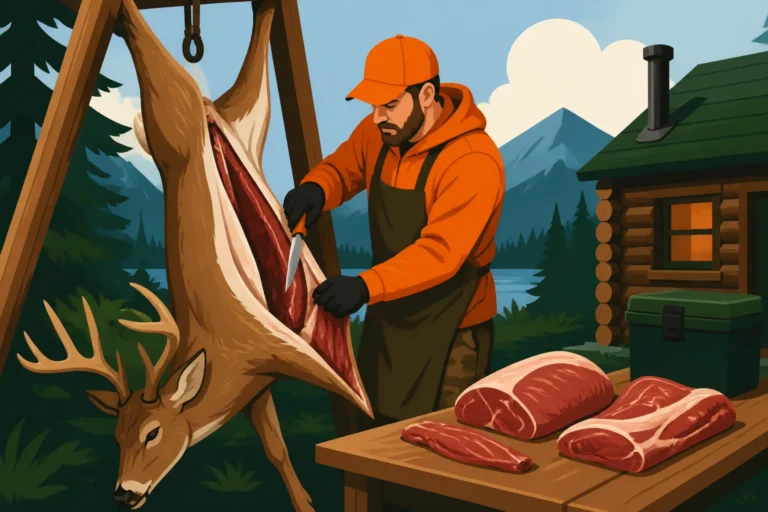
Patience is perhaps the most important tool in your recovery kit. For a suspected lung or heart shot, waiting 30-60 minutes before beginning to trail is usually sufficient, allowing the deer to expire and stiffen up. For a gut shot, however, you might need to wait 6-8 hours, or even longer, backing out completely and returning in the morning to avoid pushing the deer further. Pushing a gut-shot deer can be devastating, making recovery nearly impossible.
When you begin trailing, move slowly and deliberately. Look for blood, tracks, disturbed vegetation, or even hair. Mark the last spot of blood with toilet paper or flagging tape as you go, creating a clear trail. If you lose the blood trail, expand your search in a grid pattern around the last known sign. Having a tracking partner can be immensely helpful, allowing one person to search while the other stays on the last blood. A good headlamp or lantern is critical if darkness falls, and knowing best practices for Blood Trailing After Dark in New York can make all the difference in a successful recovery.
Dealing with Difficult Recoveries
Not every recovery is straightforward. New York's varied terrain, from the steep ravines of the Catskills to dense swamps, can make trailing incredibly challenging. If a deer runs into thick, tangled cover, or drops into a steep ravine, safety becomes a primary concern. Never attempt to retrieve a deer from dangerous terrain alone, especially after dark. Always let someone know where you are and what you're doing.
If the blood trail peters out or the deer travels an exceptionally long distance, don't give up. Consider expanding your search pattern, looking for subtle clues beyond just blood. Sometimes a disturbed leaf pile, a broken twig, or a dislodged rock can indicate the deer's path. If you suspect the deer has crossed private property, you must obtain permission from the landowner before trespassing, even for recovery. In extremely difficult situations, particularly on steep terrain, enlisting the help of friends or even a trained tracking dog (where legal) might be necessary. Detailed guidance on Recovering a Deer From a Steep Ravine can highlight the inherent dangers and best practices for safe retrieval. The goal is always an ethical recovery, and sometimes that means seeking help and taking extra precautions.
| Broadhead Type | Pros | Cons | Ideal New York Application |
|---|---|---|---|
| Fixed-Blade | Extremely durable, reliable penetration, good for bone, simple design, no moving parts to fail. | Can be harder to tune for accurate flight, typically smaller cutting diameter, can catch wind more easily. | Dense cover, close shots, where maximum penetration and reliability are paramount. |
| Mechanical/Expandable | Field point accuracy, larger cutting diameter (bigger wound channel), easier to tune, flies well from fast bows. | Can sometimes fail to deploy on angled shots or hard impacts, requires sufficient kinetic energy, often less durable after impact, potential for blade breakage. | Open field edges, longer shots, where accuracy and a large wound channel are prioritized. |
Disclaimer
Hunting is an inherently dangerous activity. This article provides general information and recommendations. It is your sole responsibility to be familiar with and comply with all current New York State hunting laws and regulations, possess the appropriate licenses and permits, and hunt safely and ethically. Always prioritize safety, respect wildlife, and obtain landowner permission before hunting on private property. Conditions and regulations can change, so consult the official New York State Department of Environmental Conservation (DEC) hunting guide annually.