Why New York Does Not Hunt Moose Yet
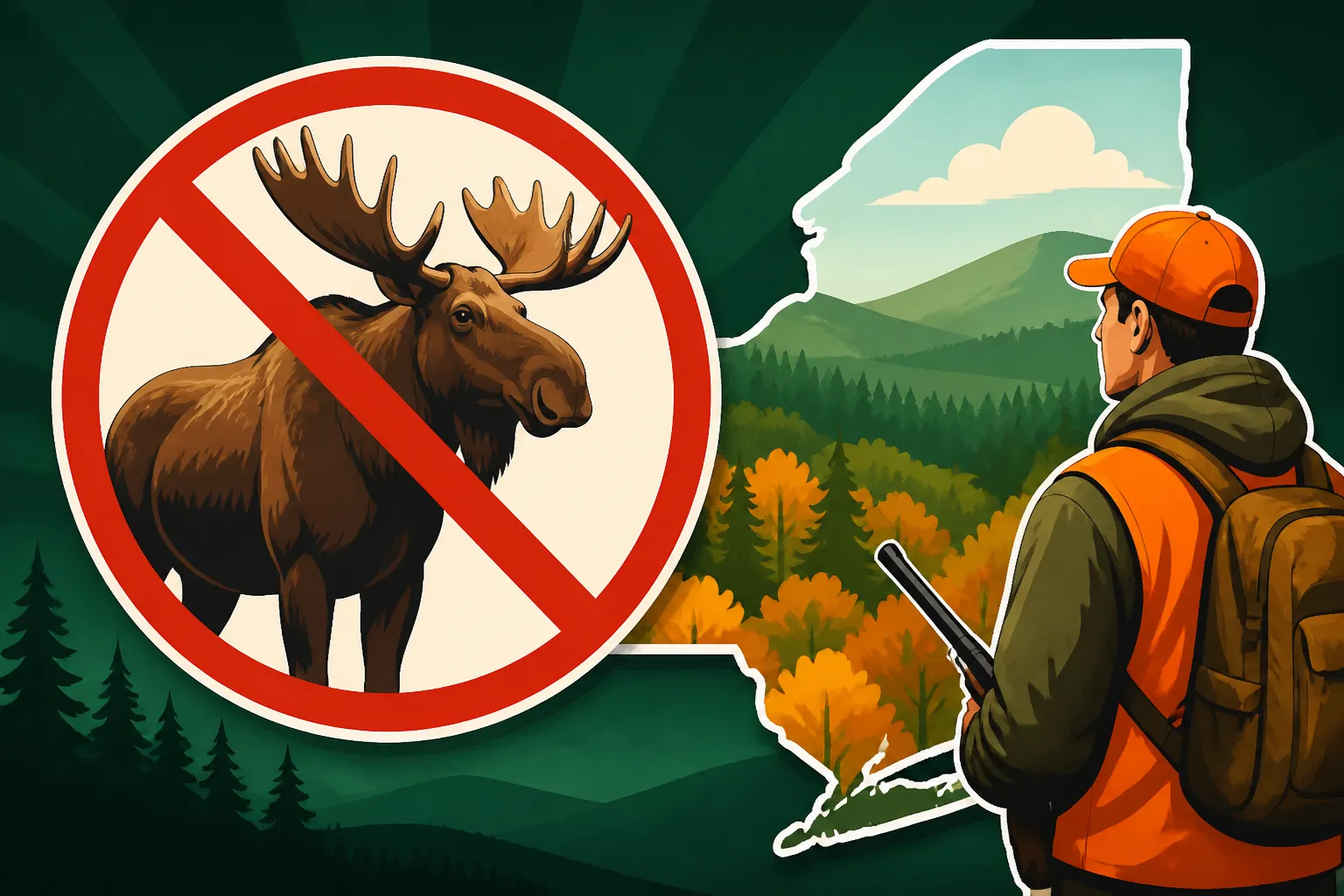
It can be incredibly frustrating for dedicated New York hunters to see thriving moose populations in neighboring states like Vermont, Maine, and New Hampshire, while our own majestic Adirondack moose remain off-limits to hunting. We're often left wondering why, despite increasing sightings, New York isn't ready to open a season. This guide will dive deep into the specific reasons behind the state's cautious approach and what it might take for a moose hunting season to eventually become a reality here in New York.
Understanding New York's Moose Population: A Delicate Recovery
When you think of New York hunting, big game usually means deer and bear, right? But the idea of a moose season holds a special allure for many, a true wilderness experience. The reality is, our moose population, while growing, is still very much in a recovery phase, a far cry from the robust numbers seen in other parts of the Northeast. It's a testament to nature's resilience, but also a call for extreme patience.
The Historical Decline and Modern Comeback
Imagine a New York where moose roamed freely alongside elk and wolves. That was once the case, but by the late 1800s, extensive logging, unregulated hunting, and habitat loss had driven moose to extirpation from the state. They were gone, a phantom of the past. For decades, the Adirondacks lay silent of their massive presence. Then, slowly, almost imperceptibly at first, moose began to re-enter New York in the 1980s and 90s, primarily migrating from healthy populations in Vermont, Massachusetts, and Canada. This wasn't a reintroduction effort by the state; it was a natural recolonization, a slow, arduous journey across state lines into suitable habitat.
These initial pioneers were few and far between, settling mostly in the vast, wild expanses of the northern Adirondacks. Their numbers grew slowly, one calf at a time, establishing small, dispersed groups. This history makes our current moose population unique; it's a testament to patience and natural processes rather than aggressive human intervention. Hunters familiar with New York's Emerging Moose Population will understand that this isn't a herd that has been actively managed for growth in the same way our deer or bear populations have. It's a wild recovery, and that means a different kind of management strategy.
Current Moose Numbers and Distribution
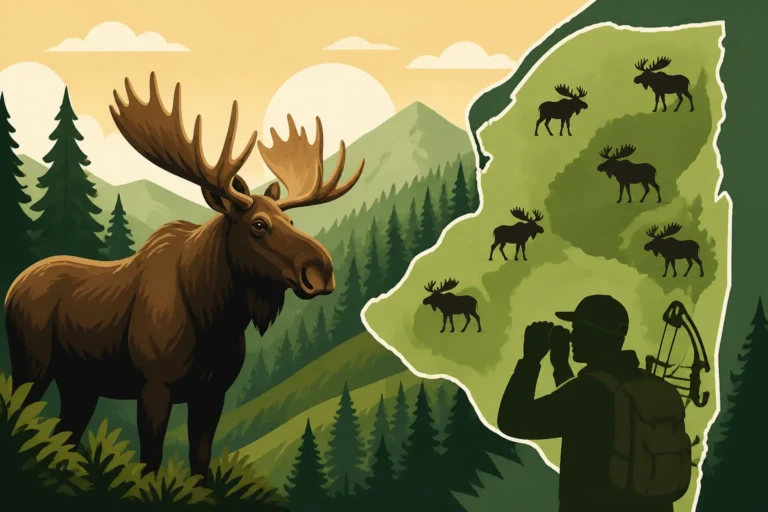
While it's exciting to hear about more moose sightings, and if you spend enough time up north, you've probably had a thrilling encounter yourself, the total population numbers are still relatively low compared to what's needed for sustainable hunting. Most estimates place New York's moose population in the hundreds, not the thousands. They are predominantly found in the northern reaches of the Adirondack Park, particularly in counties like Hamilton, Essex, and St. Lawrence. You'll also find some scattered individuals in the Tug Hill Plateau and along the eastern border near Vermont, where the occasional wanderer crosses over, especially in areas around Lake Champlain.
These moose need vast tracts of undisturbed forest, abundant browse, and cool, clean water. They aren't going to thrive in fragmented landscapes or heavily settled areas. The Adirondack Forest Preserve provides ideal habitat, but even within this enormous wild space, moose density isn't uniform. The scattered nature of the population means that while numbers are increasing, they haven't yet reached a point where they can withstand the additional pressure of a hunting season without significant risk to their long-term viability. We're still celebrating their presence, not yet considering them a harvestable resource in the traditional sense. Hunters using platforms like GoHunt for scouting might notice that even in areas with "moose sign," it's often more about sparse, individual movements rather than evidence of a robust, breeding herd. To understand more about their strongholds, you can look into How Many Moose Live in the Adirondacks and Moose Sightings Near the Vermont Border.
Conservation First: Why the DEC Holds Back on a Hunt
The New York State Department of Environmental Conservation (DEC) has a primary mandate to protect and enhance wildlife populations. When it comes to moose, this means prioritizing the species' continued recovery and expansion over the desires of hunters for a season. This approach is rooted deeply in biological realities and lessons learned from wildlife management across the continent. It’s about ensuring the long-term health of the herd before even considering harvest.
Biological Factors Influencing Management Decisions
Moose are a fascinating big game animal, but they're not like white-tailed deer. They reproduce much slower, typically having only one calf per year, sometimes twins, and don't start breeding until they're a few years old. This slow reproductive rate means that even a small amount of hunting pressure could have a disproportionately large impact on the population's growth trajectory. A species that takes years to replace individuals requires a much more conservative management strategy.
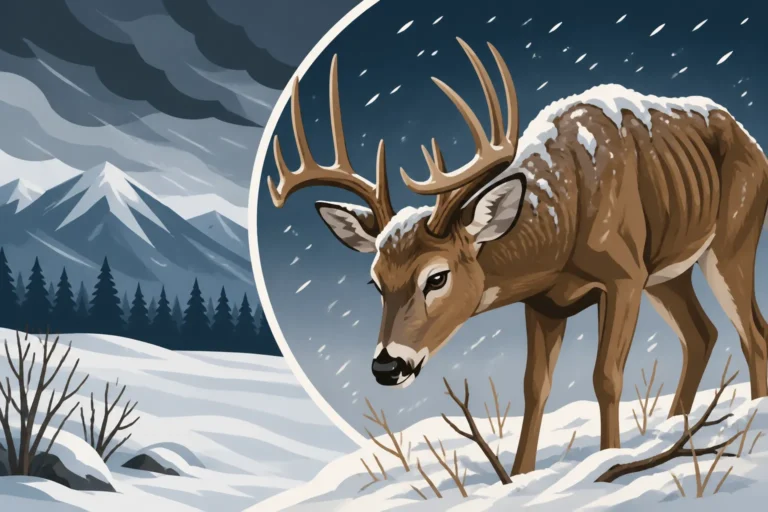
Furthermore, moose face significant biological challenges. One of the biggest threats to moose health and survival in the Northeast is the winter tick. These tiny parasites can infest moose in the tens of thousands, literally sucking them dry over the winter. Calves are particularly vulnerable, and heavy tick loads can lead to widespread mortality. New York's biologists are keenly aware of this threat, and you can delve deeper into this critical issue with resources like Winter Ticks and the Adirondack Moose Herd. Until the moose population demonstrates a robust ability to withstand these natural pressures and continue growing, adding hunting pressure is simply too risky. The DEC uses scientific modeling and aerial surveys to estimate populations and assess health, and these indicators currently point to a need for continued protection.
Learning from Other States' Moose Management
New York isn't operating in a vacuum when it comes to moose. Wildlife managers here look closely at how other states, both with and without hunting seasons, manage their moose populations. States like Maine, New Hampshire, and Vermont have well-established moose hunting traditions, but even they face challenges with tick burdens and habitat changes. They also have significantly larger and older moose populations, allowing for sustainable harvest quotas.
| State | Moose Population (Estimated) | Hunting Season | Primary Challenges |
|---|---|---|---|
| Maine | 60,000-70,000 | Yes | Winter ticks, habitat changes |
| New Hampshire | 3,000-4,000 | Yes | Winter ticks, habitat fragmentation |
| Vermont | 1,500-2,500 | Yes | Winter ticks, brainworm, EAB (ash die-off) |
| New York | 700-800 | No | Winter ticks, small population, slow recovery |
| Massachusetts | ~1,000 | No | Urbanization, vehicle collisions, public sentiment |
Note: Population figures are approximate and fluctuate based on surveys and environmental factors.
You can see from the table that New York's population is still considerably smaller than those states with hunting seasons. The DEC’s strategy is one of extreme caution, aiming to avoid the pitfalls seen elsewhere where moose populations have struggled after seasons were initiated too early or quotas were set too high. It's about ensuring a strong foundation for the species here before any thought of a recreational harvest. This conservative approach is key to understanding why moose are still among the Game You Cannot Hunt in New York.
The Path to a Potential Future Moose Season
While a moose hunting season in New York isn't on the immediate horizon, it's not an impossible dream either. The path forward involves continued scientific monitoring, public education, and demonstrating sustained population growth and health. For hunters who dream of a New York moose tag, understanding these prerequisites is key to appreciating the DEC's long-term vision.
Monitoring Key Health Indicators and Population Growth
The DEC closely monitors the moose population for several key indicators. This isn't just about counting how many moose are out there; it's about understanding the health and reproductive success of the herd. Biologists track calf survival rates, monitor for diseases like brainworm (a parasite carried by deer that is harmless to deer but often fatal to moose), and, crucially, assess the impact of winter ticks. Hunters who stumble upon a sick or deceased moose are encouraged to report it, as this data is vital for New York Wildlife Disease Monitoring and overall population health assessment. A single report could be a data point that informs years of policy.
For a hunting season to even be considered, New York would need to see several years of consistent population growth, indicating a robust, expanding herd that can withstand natural fluctuations and still increase. This isn't just about total numbers; it's about herd demographics – a healthy balance of bulls, cows, and calves that indicates strong reproductive potential. Organizations like GoHunt are excellent resources for hunters to stay informed about wildlife management trends and potential future opportunities, even if it's just following news from neighboring states for now. The data collected from sources like winter tick surveys, aerial counts, and hunter reports are all critical pieces of the puzzle. Every little bit of information helps biologists make informed decisions.
Public Sentiment and Hunter Education
Beyond the biological factors, public sentiment also plays a significant role in wildlife management decisions, especially concerning an iconic species like the moose. While many hunters are eager for a season, there's also a broad non-hunting public that views moose as a symbol of wilderness and might be hesitant about the introduction of a hunting season. The DEC would need to engage in extensive public outreach to explain the science behind any potential season, ensuring broad understanding and support.
Should a season ever be considered, it would almost certainly be highly regulated, likely starting with very limited permits and a lottery system, similar to how other states manage highly sought-after species. Hunter education would be paramount, focusing not just on ethical hunting practices but also on the specific biology and conservation needs of New York's moose. This would likely involve specialized training beyond the general New York Hunter Education Requirements. It's a long road, but it's a path that requires both sound science and a well-informed, supportive public to walk. Until then, we hunters can continue to appreciate these magnificent animals for their sheer presence in our wild spaces.
Disclaimer
This article is for general informational purposes only and does not constitute professional advice. Laws, prices and regulations vary by location and change over time. Consult a qualified professional for guidance on your specific situation.