How Many Moose Live in the Adirondacks
The whispers of a moose sighting in the vast wilderness of the Adirondacks can electrify any outdoors enthusiast. For a long time, these magnificent animals were a rare ghost of the northern forests, largely absent from New York. But things have changed, and if you've been wondering just how many moose are calling the Adirondacks home these days, you're not alone. This guide will walk you through their incredible comeback story, the challenges they face, and how biologists actually go about estimating their population in such rugged terrain.
The Return and Growth of the Adirondack Moose Population
It's hard to imagine, but there was a time when moose were practically non-existent in New York State. By the late 1800s, unchecked hunting, coupled with widespread habitat destruction from logging and settlement, had effectively extirpated moose from the state. They were a relic of a bygone era, a grand animal that many believed was lost to the Adirondack landscape forever.
However, nature has a remarkable way of healing, given the chance. Starting in the 1970s and picking up momentum through the 1980s and 1990s, moose began to naturally recolonize the Adirondacks. These pioneering animals weren't part of a reintroduction program; instead, they slowly but surely migrated south from healthy populations in Vermont, Quebec, and Ontario. They found a regenerating forest, largely protected within the Adirondack Park boundaries, that was slowly becoming suitable for them once again. This slow re-establishment marked a quiet but significant triumph for conservation.
The challenges of accurately counting moose in such a vast, remote, and often dense forest are immense. Unlike deer, which are far more numerous and often inhabit areas closer to human activity, moose are solitary creatures that prefer deep woods and swampy areas. Their numbers are relatively small, and their habitat is expansive, making precise enumeration a formidable task for wildlife biologists.
Early Estimates and Monitoring Efforts
When moose first started returning, tracking their numbers was largely a game of educated guesswork based on incidental sightings. Biologists would rely on reports from forest rangers, hunters, hikers, and trappers to piece together a picture of where moose were present. It was a qualitative assessment more than a quantitative one, a mosaic of observations suggesting a tentative presence.
As their numbers grew, the New York Department of Environmental Conservation (DEC) began to implement more structured monitoring programs. This included systematic aerial surveys, where observers in helicopters or fixed-wing aircraft would fly predetermined transects over vast sections of the Adirondacks, attempting to spot moose in the snow-covered landscape. While these surveys provided a valuable snapshot, they were (and still are) limited by factors like weather, forest canopy, and the inherent difficulty of spotting a large, dark animal in a dense forest. Ground observations, often involving looking for tracks, scat, and browse sign, supplemented these aerial efforts, giving a more boots-on-the-ground understanding of moose distribution.
Factors Influencing Population Expansion
Several key factors played a crucial role in the moose's ability to re-establish and expand their population in New York. First and foremost was the recovery of suitable habitat. The Adirondacks, particularly after significant sections were designated as "Forever Wild" and large-scale logging ceased in many areas, saw vast tracts of forest regenerate. Moose thrive on young, regenerating forests that provide abundant browse – the twigs, leaves, and buds of woody plants like balsam fir, aspen, and willow. They also rely heavily on aquatic vegetation found in shallow ponds and bogs, which are plentiful throughout the park.
A relatively low level of predation also aided their recovery. While black bears will occasionally prey on vulnerable moose calves, and historically wolves would have been a factor, the current Adirondack ecosystem lacks a primary large predator that would significantly impact adult moose populations. This allowed the returning moose to reproduce and increase their numbers with less pressure than they might face in other regions. Combined with New York's strict "no hunting" policy for moose, this created an environment ripe for slow but steady growth within protected areas like the Adirondack Forest Preserve.
Current Population Estimates and Trends
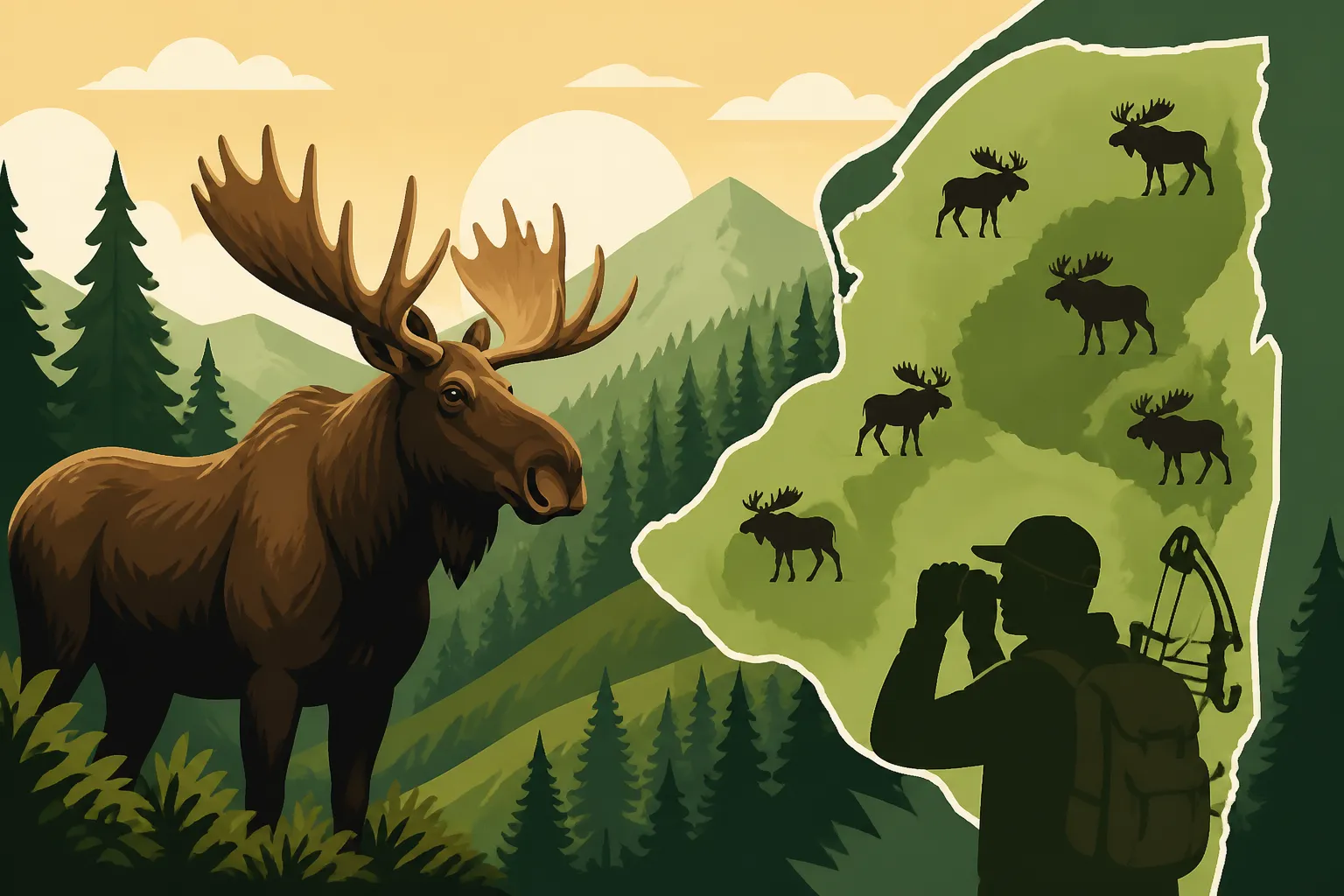
So, after decades of natural recovery and monitoring, what's the best estimate for how many moose live in the Adirondacks today? Based on recent studies and aerial surveys conducted by the New York DEC, the estimated moose population in the Adirondack Park is somewhere in the range of 600-1000 animals. It's crucial to understand that this is an estimate, not a precise headcount. Moose are not easily counted, and their vast habitat makes such a task nearly impossible. However, this range gives us a strong indication of a healthy, growing, albeit still relatively small, population.
The trend has generally been one of slow, incremental growth. While the population isn't exploding, it's consistently increasing, suggesting the Adirondack ecosystem is capable of supporting these iconic animals. The highest densities are typically found in the central and northern parts of the park, particularly in areas with extensive tracts of remote, regenerating forest and abundant wetlands. These regions provide the ideal mix of food, water, and cover that moose require to thrive.
Aerial Surveys and Ground Truthing
The DEC's primary tool for estimating moose numbers remains systematic aerial surveys. These surveys are carefully planned, often involving a grid pattern flown by low-flying helicopters over specific wildlife management units. The flights are usually conducted in late winter when deciduous trees have dropped their leaves, providing better visibility through the forest canopy, and when snow cover makes moose more visible against the white background.
Spotting moose from the air, even with ideal conditions, is incredibly challenging. Dense conifer stands can completely obscure animals, and even in hardwood forests, a moose standing still can blend in remarkably well. This is why ground truthing is so important. Biologists on the ground use a variety of methods to confirm observations, look for tracks and droppings, and even deploy remote cameras to capture images of moose in areas where aerial surveys might be less effective. For those who love scouting with tools like GoHunt, visualizing these remote, dense forest areas and potential wetland zones can give you an idea of just how vast and rugged the moose's domain truly is, making the biologists' job even more impressive.
Reproductive Success and Calving Rates
A healthy moose population is ultimately dependent on its reproductive success. Biologists closely monitor calving rates to assess the overall health and growth potential of the Adirondack herd. Female moose typically produce one calf, though twins are not uncommon, especially in prime habitat with ample food. These calves are born in late spring, usually May or early June.
Calf survival is a critical metric. Factors like predation, primarily from black bears in the spring, and severe winter conditions can significantly impact how many calves survive their first year. The ratio of calves to cows observed during surveys provides important data, indicating whether the population is maintaining itself, growing, or potentially facing challenges. When the cow-to-calf ratios are favorable, it signals a strong reproductive output, which is essential for continued population expansion and for moose to eventually fully reoccupy all suitable habitat within the Adirondack Park Actually Is.
Challenges and Future Outlook for New York Moose
While the comeback of moose in the Adirondacks is a conservation success story, it's not without its challenges. Like any large ungulate population, moose are susceptible to environmental pressures, disease, and the impacts of a changing climate. These factors could potentially limit further growth or even cause localized declines in the future.
One of the most pressing concerns for moose populations across their North American range, including New York, is the growing threat posed by winter ticks. These tiny parasites can have devastating effects, particularly on calves and young moose. Other potential threats include certain diseases and the long-term implications of climate change on their preferred habitat.
The Impact of Winter Ticks
Winter ticks (Dermacentor albipictus) are a serious threat to moose, especially in regions experiencing milder winters. Unlike deer, which have evolved to effectively groom and remove winter ticks, moose do not. A single moose can host tens of thousands of these ticks, which attach in the fall and feed throughout the winter. The cumulative blood loss can be immense, leading to anemia, weakness, and hypothermia as moose rub off their hair trying to dislodge the ticks, creating the classic "ghost moose" appearance.
Calves are particularly vulnerable. A heavy tick load can lead to such severe debilitation that calves simply don't survive the winter. Warmer autumns and shorter, less severe winters allow more ticks to survive and infest moose, exacerbating the problem. Understanding and mitigating the effects of Winter Ticks and the Adirondack Moose Herd is a critical area of ongoing research and concern for wildlife managers across the Northeast, including New York.
Habitat Changes and Human Interaction
The long-term health of the Adirondack moose population also depends on the availability of suitable habitat. Moose prefer young, regenerating forests for browse, and as forests mature, their preferred food sources can become less abundant. While the Adirondacks have vast forests, forest succession means that some areas may become less ideal over time unless there are natural disturbances (like wildfires or blowdowns) or managed forestry practices that create new patches of early successional habitat.
Additionally, as the moose population grows, there's a greater potential for human-wildlife conflicts. Vehicle collisions, while still relatively rare compared to deer, could become a more frequent issue, particularly on roadways that traverse prime moose habitat. Balancing human recreation and development within the park with the needs of a recovering moose population will be an ongoing management challenge. Observing wildlife, identifying potential areas where moose might thrive, and even recording incidental sightings are all things dedicated outdoors enthusiasts, perhaps even using a tool like GoHunt to mark locations, can help with, contributing to a broader understanding of the ecosystem.
How Hunters Contribute to Moose Knowledge (Even Though They Can't Hunt Them Here)
It's important to clarify that moose hunting is not permitted in New York State. The DEC's focus remains squarely on population recovery and monitoring, not on harvesting animals. However, the vast network of hunters pursuing other game species in the Adirondacks provides an invaluable, albeit indirect, source of information for wildlife biologists.
Think about it: who spends more time quietly observing the deep woods than deer hunters, bear hunters, and turkey hunters? Their presence in remote areas, often during critical times of year, means they are perfectly positioned to encounter and observe moose. These incidental sightings, when reported, can contribute significantly to the overall understanding of moose distribution, health, and population dynamics.
Citizen Science and Reporting Sightings
Every pair of eyes in the woods can be a valuable asset to conservation efforts. The DEC actively encourages members of the public, especially hunters and trappers, to report moose sightings. This isn't just for casual interest; it's a vital component of citizen science that helps fill in gaps between formal surveys. Information like the date, time, precise location (GPS coordinates are best!), number of moose observed, and any details about their condition (e.g., calf present, signs of illness, visible ticks) can be incredibly useful.
Even if you're not specifically looking for moose, jotting down a quick note or dropping a pin on a mapping app like GoHunt when you spot one can serve as a personal record. While GoHunt itself isn't a direct reporting tool for the DEC, it allows you to mark specific locations and details for your own scouting and record-keeping. Later, you can transfer that information to the official DEC reporting channels, ensuring your valuable observation contributes to the broader knowledge base about New York's Emerging Moose Population. This collective effort is crucial for monitoring a species that still exists in relatively low numbers.
New York's "No Hunt" Stance and Future Considerations
New York's stance on moose hunting is clear: it's currently prohibited. This decision is based on the still-recovering nature of the population and the desire to ensure its continued growth and stability within the Adirondacks. Unlike states like Maine, New Hampshire, and Vermont, which have established moose hunting seasons, New York's numbers have not yet reached a level that would support a sustainable harvest. This means that hunters in New York will, for the foreseeable future, continue to enjoy moose as a magnificent, albeit elusive, sight rather than a quarry.
It's purely speculative to consider what future population levels might look like before a limited hunt could ever be contemplated. Such a decision would involve extensive scientific review, public input, and careful consideration of all factors affecting the herd. For now, the focus remains on understanding and protecting these incredible animals, ensuring that they continue to be a vibrant part of the Adirondack ecosystem for generations to come.
Here's a quick summary of factors affecting Adirondack moose:
| Factor | Impact on Population | Description |
|---|---|---|
| Habitat | Positive (Growth) | Regenerating forests provide abundant browse; wetlands offer food and refuge. |
| Winter Ticks | Negative (Limiting Growth) | Heavy infestations cause blood loss, weakness, and hypothermia, especially in calves. |
| Predation | Minimal Impact (Currently) | Black bears are a minor threat to calves; no significant large predators for adults currently present. |
| Climate Change | Potential Negative (Future Concern) | Warmer winters favor ticks; changes in plant communities could affect food availability. |
| Disease | Potential Negative (Ongoing Monitoring) | Brain worm and other diseases could pose a threat if prevalence increases. |
| Human Impact | Mixed (Potential Conflict/Observation) | Vehicle collisions a concern; public sightings provide valuable data for monitoring. |
The story of the Adirondack moose is one of resilience and hope. From near extirpation, they have slowly but surely returned, adding a profound wildness to New York's northern forests. Understanding their numbers, the challenges they face, and how we can all contribute to their conservation is key to ensuring these majestic creatures continue to roam free in the Empire State.
Disclaimer
This article is for general informational purposes only and does not constitute professional advice. Laws, prices and regulations vary by location and change over time. Consult a qualified professional for guidance on your specific situation.