Winter Ticks and the Adirondack Moose Herd
It's a heartbreaking sight: a beautiful, majestic moose, usually the picture of robust wilderness health, looking bedraggled, emaciated, and patchy in late winter. This is often the tragic sign of a heavy winter tick infestation, a silent killer that poses a growing threat to New York's nascent moose population, particularly in the wild expanses of the Adirondacks. This guide will delve deep into the world of winter ticks, their devastating impact on our beloved moose, and what's being done to protect these iconic animals for generations to come.
Understanding the Winter Tick Menace
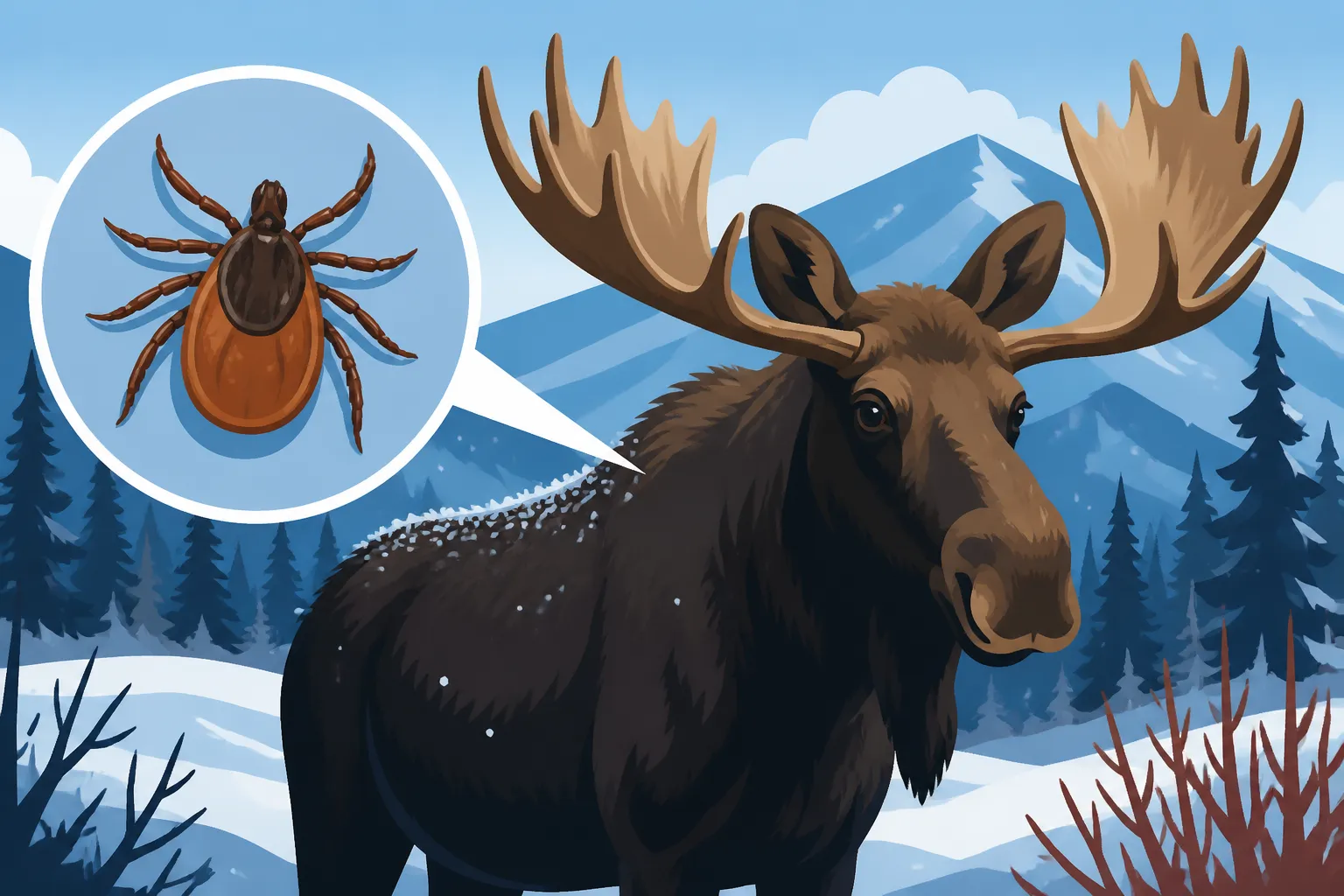
The winter tick, Dermacentor albipictus, isn't your typical deer tick or dog tick. It's a "one-host" tick, meaning it spends its entire feeding life cycle on a single animal. While they can attach to deer, elk, and even domestic livestock, moose are particularly vulnerable to these parasites, which can number in the tens of thousands on a single animal. This concentrated infestation makes them an especially potent threat to moose health.
The Unique Life Cycle of the Winter Tick
Unlike other ticks that drop off between life stages, the winter tick commits to one host. The cycle begins in late summer and early fall when tiny larvae hatch from eggs laid in the soil and climb up vegetation, patiently waiting for a host to brush by. A moose moving through the brush can pick up thousands of these larvae in just a few days. Once on the host, these ticks stay put through their nymph and adult stages, feeding continuously throughout the fall and winter months.
As winter progresses, these ticks grow, molting from larvae to nymphs and then to adults. This continuous feeding, especially by thousands of ticks, places an immense burden on the moose. In late winter and early spring, the now fully engorged adult female ticks drop off the moose, usually in snowy conditions, to lay their eggs on the forest floor, completing the cycle. This timing is critical, as a harsh, prolonged winter can leave moose weakened by starvation and tick infestation at the same same time.
Why Moose Are So Vulnerable
Several factors contribute to moose's extreme susceptibility to winter ticks. First, their sheer size means they present a large surface area for ticks to latch onto. Second, their long legs allow them to easily brush against high vegetation where larvae are questing. Perhaps most importantly, moose don't groom themselves as effectively as deer, which are more accustomed to dealing with ticks. A deer might meticulously remove many ticks, but a moose often struggles to reach the vast majority of its own body.
Additionally, moose typically have a single, thick coat of fur. When thousands of ticks bite and irritate their skin, the moose will rub and scratch themselves vigorously, often rubbing off large patches of hair down to the hide. This "ghost moose" appearance is a tell-tale sign of severe infestation, and it robs the animal of its insulating winter coat, making it highly susceptible to hypothermia, especially during late-season cold snaps in the Adirondacks. It's a double whammy: blood loss from the ticks and exposure from missing hair.
Devastating Impact on the Adirondack Moose Herd
While moose populations in New York are generally considered to be stable and even growing in some areas, the threat of winter ticks looms large, especially as winters become milder and provide longer windows for tick activity. This parasite can be a major limiting factor for herd health and population expansion, turning what could be a thriving population into one struggling with high calf mortality and adult morbidity.
Increased Calf Mortality
One of the most heartbreaking consequences of winter tick infestations is the dramatic increase in calf mortality. Young moose, with their smaller body mass and less developed immune systems, are particularly vulnerable to the cumulative effects of blood loss and hair loss. A heavily infested calf can literally be bled to death by tens of thousands of ticks. If they survive the blood loss, the hypothermia caused by a patchy coat can be just as deadly during a severe Adirondack winter.
Studies in other regions, particularly Maine and New Hampshire, have shown calf mortality rates nearing 70-80% in years with high tick burdens. While New York's specific figures for calf loss due to ticks are still being closely monitored, wildlife biologists are keenly aware of the potential for similar impacts. This level of mortality can severely hinder the growth of New York's Emerging Moose Population, making it harder for the herd to expand into new territories or rebound from other challenges.
Reduced Adult Health and Reproduction
It's not just the calves that suffer. Adult moose, though more resilient, can also be severely weakened by heavy tick loads. The constant blood loss leads to anemia, which saps their energy reserves. They spend more time scratching and less time foraging, leading to emaciation as their fat reserves dwindle. This chronic stress can reduce an adult cow's reproductive success, leading to fewer calves or calves born in poorer condition. A stressed, malnourished cow might not even conceive.
Furthermore, these weakened moose are more susceptible to other diseases, predators, and even New York Deer Vehicle Collisions because they are less alert and slower to react. The overall health of the herd is compromised, making it a less robust and less productive population. When you see a moose in the spring looking rough, with patches of hair missing, it's a clear indicator that it has spent a grueling winter fighting off these tiny, persistent parasites.
Habitat and Climate Connections
The Adirondack environment plays a critical role in the winter tick dynamic. Mild, short winters mean more ticks survive on the landscape to quest the following fall. A longer snow-free period in the fall gives larvae more time to find hosts. Conversely, a deep, persistent snowpack in spring can make it harder for engorged female ticks to successfully drop off and lay eggs, as they might be buried or predated.
Changes in climate, therefore, are a significant concern. Warmer winters, which have become more common, often correlate with higher tick burdens. Areas within The Adirondack Forest Preserve that have ideal moose habitat—a mix of young forest, wetlands, and coniferous cover—are also areas where ticks can thrive. Understanding these environmental connections is crucial for predicting future impacts on the moose and for informing management strategies.
Monitoring and Management Efforts
New York's Department of Environmental Conservation (DEC) and various research partners are actively monitoring the moose population and the impact of winter ticks. While direct intervention to treat wild moose for ticks is generally not feasible on a broad scale, understanding the problem is the first step toward informed conservation strategies. This involves a multi-pronged approach of surveillance, research, and public education.
Moose Collaring and Health Assessments
One key method of monitoring the herd involves collaring moose with GPS transmitters. These collars allow biologists to track moose movements, identify calving areas, and, critically, locate animals that may have succumbed to disease or other factors. When a collared moose dies, researchers can conduct necropsies to determine the cause of death, often finding significant evidence of winter tick infestation. This data is invaluable for understanding trends in New York's Black Bear Population and New York Deer Population Estimate and also to gauge the specific impact of ticks on moose.
Additionally, field crews regularly conduct visual health assessments of moose encountered in the wild. They look for signs like hair loss, body condition, and overall demeanor. Such observations contribute to a larger dataset that helps wildlife managers track the prevalence and severity of winter tick infestations over time. Tools like the GoHunt app or similar mapping platforms can be used by researchers to log observations and collate data points, enhancing the precision of these assessments.
Research into Mitigating Tick Impact
Scientists are actively researching potential ways to mitigate the impact of winter ticks, though large-scale solutions for wild populations remain elusive. This research includes studying the relationship between moose density and tick prevalence – in theory, fewer moose per square mile might lead to fewer tick encounters. They also examine habitat management techniques that could potentially disrupt the tick life cycle or reduce moose exposure in critical areas. For instance, creating more diverse forest stands could potentially alter areas where ticks quest, though this is a long-term strategy.
Another avenue of research explores whether genetic factors in moose might offer some natural resistance to ticks, or if changes in moose behavior could be encouraged. However, for a species that is already experiencing challenges with New York's Emerging Moose Population, direct manipulation is difficult. The focus tends to be on understanding the ecosystem and how moose fit into it.
Public Reporting and Hunter Involvement
The public, especially hunters, trappers, and outdoor enthusiasts who spend time in moose country, can play a vital role in monitoring the health of the Adirondack moose herd. Reporting sightings of moose, particularly those that appear sick, emaciated, or have significant hair loss, provides valuable ground-level data to the DEC. This information, combined with detailed location data (perhaps logged through a GPS feature on a mobile app like GoHunt), helps create a more comprehensive picture of where and when ticks are having the greatest impact. Reporting a Sick Animal in New York is always encouraged.
Hunters, while not currently permitted to hunt moose in New York—a decision often tied to population health and stability—are keenly interested in the well-being of all big game species. Their observations while Scouting With the New York HuntFishNY App for deer or bears, or during general outdoor recreation, are an important complement to formal research efforts. Understanding the health challenges faced by moose allows for greater appreciation of the complex dynamics of New York Wildlife Disease Monitoring.
The Future of New York's Moose
The winter tick issue is a stark reminder of the interconnectedness of wildlife, habitat, and climate. For New York's moose, which are still making a comeback in their historic range, these tiny parasites present a significant hurdle to continued growth and expansion. Protecting these magnificent animals means understanding these threats deeply and supporting the scientific efforts to manage them.
Why Moose Hunting Remains Prohibited
One of the direct consequences of the winter tick threat, alongside the still-recovering population numbers, is the continued prohibition of moose hunting in New York. Unlike deer or bear, where robust populations support regulated hunting seasons, the moose herd is still fragile. Introducing hunting pressure while the population is battling such a pervasive threat like winter ticks would be counterproductive to conservation goals. The decision of Why New York Does Not Hunt Moose Yet is firmly rooted in the health and long-term viability of the species.
| Factor | Impact on Moose Population |
|---|---|
| Winter Tick Infestation | High calf mortality, reduced adult health, lower reproductive rates |
| Habitat Availability | Limited by development, but good range in Adirondacks |
| Climate Change | Milder winters favor tick survival and proliferation |
| Vehicle Collisions | A constant, though manageable, source of adult mortality |
| Predation | Natural, but increased vulnerability in tick-weakened moose |
| Human Harassment | Generally low, but a factor in some areas |
Conservation and Long-Term Outlook
The long-term outlook for New York's moose population depends heavily on continued monitoring, adaptive management, and the broader trends in climate. While it's impossible to eradicate winter ticks from the vast Adirondack wilderness, focusing on healthy habitat management within areas like The Adirondack Forest Preserve and minimizing other stressors on the moose can help them build resilience. Ensuring that young, regenerating forests are plentiful, providing optimal browse, can help moose enter winter in the best possible condition to withstand tick burdens.
Engaging with initiatives that promote forest health and combat climate change, even indirectly, benefits moose. For those who cherish the sight of a moose wading in an Adirondack bog, the fight against the winter tick is an important part of ensuring these iconic animals continue to thrive in our state's wild places. Organizations that use data-driven approaches, similar to how GoHunt aggregates information for hunters, can also be invaluable resources for conservationists to track and manage these intricate environmental relationships.
Disclaimer
This article is for general informational purposes only and does not constitute professional advice. Laws, prices and regulations vary by location and change over time. Consult a qualified professional for guidance on your specific situation.