Wild Boar Sightings in the Catskills
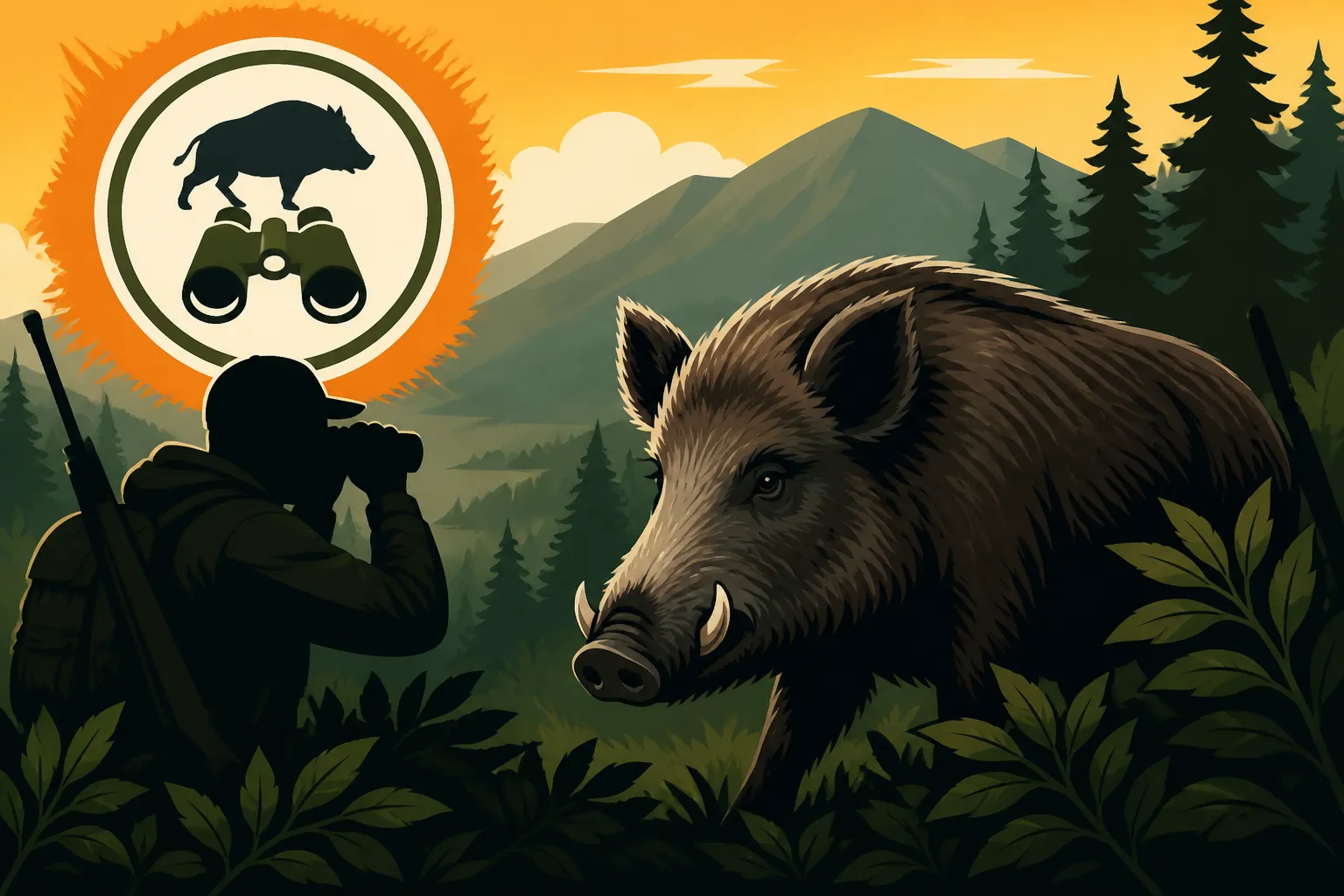
It's an age-old whisper in the Catskills, a persistent rumor that makes its way through hunting camps and local diners: "Did you hear about the wild boar someone saw?" For many New York hunters, the idea of these elusive, destructive animals roaming our familiar woods is both a thrill and a concern. This guide will cut through the myths and give you the real scoop on wild boar—or more accurately, feral swine—in the Catskills, why they're a problem, and what you need to know if you ever encounter one.
The Truth About Wild Boar in New York
Let's be clear from the outset: the term "wild boar" often conjures images of the ancient European beasts, but in North America, we're primarily dealing with what biologists call "feral swine." And while the Catskills might have sporadic sightings, a widespread, established breeding population remains largely unconfirmed by official sources, though vigilance is always key.
Feral Swine Versus Wild Boar: Clarifying the Terminology
When folks talk about "wild boar," they're usually referring to one of two things: either true European wild boar, which are generally smaller and more agile than domestic pigs, or, more commonly here in the states, feral swine. Feral swine are simply domestic pigs that have escaped captivity and begun to live and breed in the wild. They can be pure domestic breeds, or they can be hybrids, cross-bred with escaped European wild boar ancestors from game farms. These hybrids are particularly problematic because they often retain the hardiness and intelligence of wild boar while growing to the large size of domestic pigs, creating a truly formidable and destructive animal. The confusion in terminology is understandable, but understanding the difference helps clarify what we're actually dealing with in terms of potential management and impact.
The reality is that whether they're pure wild boar or feral domestic pigs, their behavior and the damage they inflict on the environment are remarkably similar. They're incredibly adaptable, intelligent, and prolific breeders, which is why even a small, isolated population can explode in a relatively short amount of time. This makes early detection and swift, decisive action absolutely critical for any state that wants to avoid the ecological disaster many southern states are facing.
Historical Context and Reported Sightings
New York isn't a stranger to reported sightings of these animals. Over the years, there have been scattered reports, mostly of individual animals or small groups. These usually stem from domestic pigs escaping farms or, in some cases, illegal releases from individuals attempting to establish hunting populations. Sometimes, exotic game farms that house wild boar for private hunting experiences might experience escapes. When these animals get out, they quickly revert to a wild state, becoming much more aggressive and difficult to catch. The Catskills, with its mix of remote wilderness, private farms, and dense timber, certainly offers habitat that could theoretically support them if they were to establish a foothold.
However, the consistent message from the New York State Department of Environmental Conservation (DEC) is that while they investigate every credible report, there's no evidence of a widespread, self-sustaining population of feral swine in the Catskills or anywhere else in the state. This doesn't mean you should let your guard down; rather, it highlights the importance of hunters being the eyes and ears on the ground. Hunters are often the first to notice unusual signs or species in the woods, especially those of us who spend a lot of time scouting for deer or turkeys. If you're mapping out new terrain using tools like GoHunt or checking trail cameras before New York's Archery Season Opens, keep an eye out for anything that doesn't quite fit the usual patterns of deer or bear.
Why New York Doesn't Want Feral Swine
Unlike other game species we actively manage and hunt, feral swine are universally considered an invasive species and a serious threat. It's not about sport; it's about protecting our ecosystem and agricultural interests from an incredibly destructive force. The potential damage they can inflict is truly staggering, and New York is working hard to prevent them from becoming established.
Ecological Damage to Our Pristine Habitats
Feral swine are ecological bulldozers. They root up huge swaths of forest floor and agricultural fields with their powerful snouts, seeking out tubers, roots, grubs, and anything else edible. This "rooting" behavior destroys native vegetation, disrupts soil structure, and leads to severe erosion, especially on sensitive slopes common in the Catskills. Think about your favorite grouse cover or a prime deer bedding area – these animals can tear it all apart in a single night. This damage impacts the food sources and habitats of native wildlife like white-tailed deer, wild turkeys, and ruffed grouse. They'll eat eggs from ground-nesting birds, decimate mast crops like acorns and beechnuts, and even prey on fawns and small mammals. Imagine the competition for food that our existing deer herd would face, particularly in areas like those described in Hunting the Southern Zone Holiday Hunt where deer already rely on limited late-season forage.
Furthermore, their wallowing in mud creates stagnant pools that can serve as breeding grounds for mosquitoes and other disease vectors. The sheer scale of their destructive power is hard to overstate. It’s not just about a few torn-up patches; it’s about broad, systemic degradation of the natural landscape, impacting everything from water quality in our streams and rivers to the biodiversity of our forests. They're like an unwelcome, unstoppable force that can quickly unbalance an entire ecosystem.
Disease Transmission Risks to Livestock and Wildlife
Beyond the habitat destruction, feral swine are notorious carriers of diseases that can devastate both domestic livestock and wild animals. They can carry diseases like classical swine fever, brucellosis, leptospirosis, and pseudo-rabies. While some of these might not directly impact humans, they can be highly contagious and lethal to domestic pigs, cattle, and even other wildlife. Imagine the impact on New York's agricultural industry if diseases spread from a wild population to local farms. It could lead to widespread culling and economic ruin for many farmers. We already contend with concerns like New York's Chronic Wasting Disease Containment Area for deer, and adding another vector for disease transmission from a prolific, wide-ranging animal like feral swine is a nightmare scenario.
These animals often share habitat and water sources with native species, facilitating the easy spread of pathogens. For instance, a deer drinking from a wallow contaminated by feral swine could contract a disease, which then might spread to other deer. The risk isn't just theoretical; states with established feral swine populations grapple with these disease challenges constantly. This is a primary reason why state wildlife agencies take any credible sighting so seriously and encourage immediate reporting, to prevent potential disease outbreaks before they can even begin.
What Hunters Need to Know
Given the potential threat, New York hunters have a critical role to play in monitoring and, if necessary, managing feral swine. This isn't just about bagging an unusual trophy; it's about being responsible stewards of our natural resources and protecting both wildlife and agriculture.
Hunting Regulations and Legalities for Feral Swine
Currently, feral swine are not classified as a game animal in New York State. This means there's no designated "season" or bag limit for them. Instead, they are considered an invasive pest. If you encounter a feral pig while legally hunting other species, and you can safely and legally dispatch it, you are encouraged to do so. However, it's crucial to understand that you must be legally hunting another species, following all pertinent regulations regarding licensing, season dates, and firearm restrictions for that species. You can't just go out specifically targeting feral swine unless you have specific permission or are involved in a control program.
The rules around pursuing and taking an animal like this can be nuanced. If you're on public land, you're bound by public land hunting rules. On private land, you'd need the landowner's explicit permission to be there, just as you would for deer hunting. Always remember that safety is paramount. These animals can be aggressive, especially if cornered or if sows have piglets. Always confirm the latest regulations with the DEC directly before taking any action. This isn't a situation where you want to guess about the law; understanding New York Hunting Licenses and What They Cost and all the associated privileges is critical before you head afield.
Reporting Sightings and Sign to the DEC
This is arguably the most important role for hunters. If you see what you believe to be a feral swine, or find signs like rooting, wallows, or tracks that don't match other wildlife, do not hesitate to report it to the DEC immediately. Prompt reporting allows the DEC to investigate, confirm the presence of these animals, and take appropriate action before a small problem becomes an unmanageable infestation. When reporting, try to be as specific as possible:
- Location: GPS coordinates are ideal. If not, crossroads, landmarks, or a detailed description of the area helps immensely. Using mapping tools like GoHunt to pinpoint the exact location can be incredibly helpful.
- Date and Time: When did you see the animal or the sign?
- Number of Animals: If seen, how many? Were they adults, juveniles, or piglets?
- Behavior: What were they doing? Were they alone or in a group?
- Evidence: Photos or videos of the animal or their sign are invaluable.
The DEC has specific protocols for Feral Swine Reports in New York, and your information is a vital part of their monitoring and control efforts. Don't assume someone else will report it; take the initiative.
Safe Handling Practices if Encountered or Harvested
While the primary goal is prevention and reporting, if you do find yourself in a situation where you legally harvest a feral pig, safe handling is paramount. Given the disease risks, treat any feral swine with extreme caution.
- Gloves: Always wear rubber or latex gloves when field dressing or handling the carcass.
- Minimize Contact: Try to avoid direct contact with blood or organs.
- Inspect for Anomalies: Look for any visible lesions, tumors, or other unusual signs on the organs or meat. If anything looks suspicious, document it with photos and report it to the DEC. They may want to collect samples for testing.
- Proper Disposal: If the DEC doesn't want the carcass for testing, ensure proper disposal. Burying it deeply or taking it to a landfill might be options, but always follow local regulations. Do NOT just leave it exposed where scavengers can spread potential pathogens.
- Thorough Cleaning: Meticulously clean all knives, equipment, and clothing that came into contact with the animal using a strong disinfectant. This is a habit many of us practice after Field Dressing a Deer in Cold Weather, but it's even more critical here.
Remember, the goal isn't to discourage you from being active in your woods. It's to equip you with the knowledge to be an informed and responsible hunter, ready to protect New York's wild places from threats like feral swine.
Distinguishing Feral Swine Sign from Other Wildlife
It's easy to mistake some feral swine sign for other animals, especially deer or bear. Knowing the subtle differences can help you make an accurate report.
| Sign Category | Deer Sign (e.g., Whitetail) | Bear Sign (e.g., Black Bear) | Feral Swine Sign |
|---|---|---|---|
| Tracks | Two distinct hooves, pointed oval, typically 2-3" long. Sometimes dewclaws show in soft ground. | Five toes with claws, larger, flat-footed impression. | Two distinct hooves, rounded, often splayed, dewclaws almost always visible. Tend to be wider than deer. |
| Scat/Droppings | Pellets or clumped, often cylindrical. Varies with diet. | Varied, often resembling large human stool; contains berries, nuts, insects, hair. | Varies widely from firm pellets to soft piles, often containing undigested plant matter, highly variable. |
| Feeding Sign | Browsing on twigs, leaves, acorns, rubs on trees (bucks). | Torn-up logs, overturned rocks for insects, chewed bark, claw marks on trees. | Extensive "rooting" – large areas of dug-up soil, churned earth, like a rototiller. Chewed vegetation. |
| Wallows | Typically no wallows; might use wet areas to drink. | Occasional mud wallows, but not as extensive or common as swine. | Prominent mud wallows – muddy depressions, often with nearby rubs on trees (for scratching off mud). |
| Rubs/Chews | Antler rubs on saplings (bucks), bark chewing if scarce food. | Claw marks on trees, sometimes chews on wood. | Tree rubs (for scratching) – often lower on trees than deer rubs, more extensive. Also, tusks can leave marks. |
| Trails | Well-defined deer runs, often single file. | Broader trails, more meandering, not as defined. | Broad, well-used trails that often resemble mini-roads through brush, due to their wide bodies and constant movement. |
Remember, your best bet is always to get photos or videos if possible. Using an app like GoHunt to mark the location of any unusual sign and record details can streamline your reporting process to the DEC and ensure accuracy. Every piece of information helps protect New York's natural heritage.
Disclaimer
This article is for general informational purposes only and does not constitute professional advice. Laws, prices and regulations vary by location and change over time. Consult a qualified professional for guidance on your specific situation.