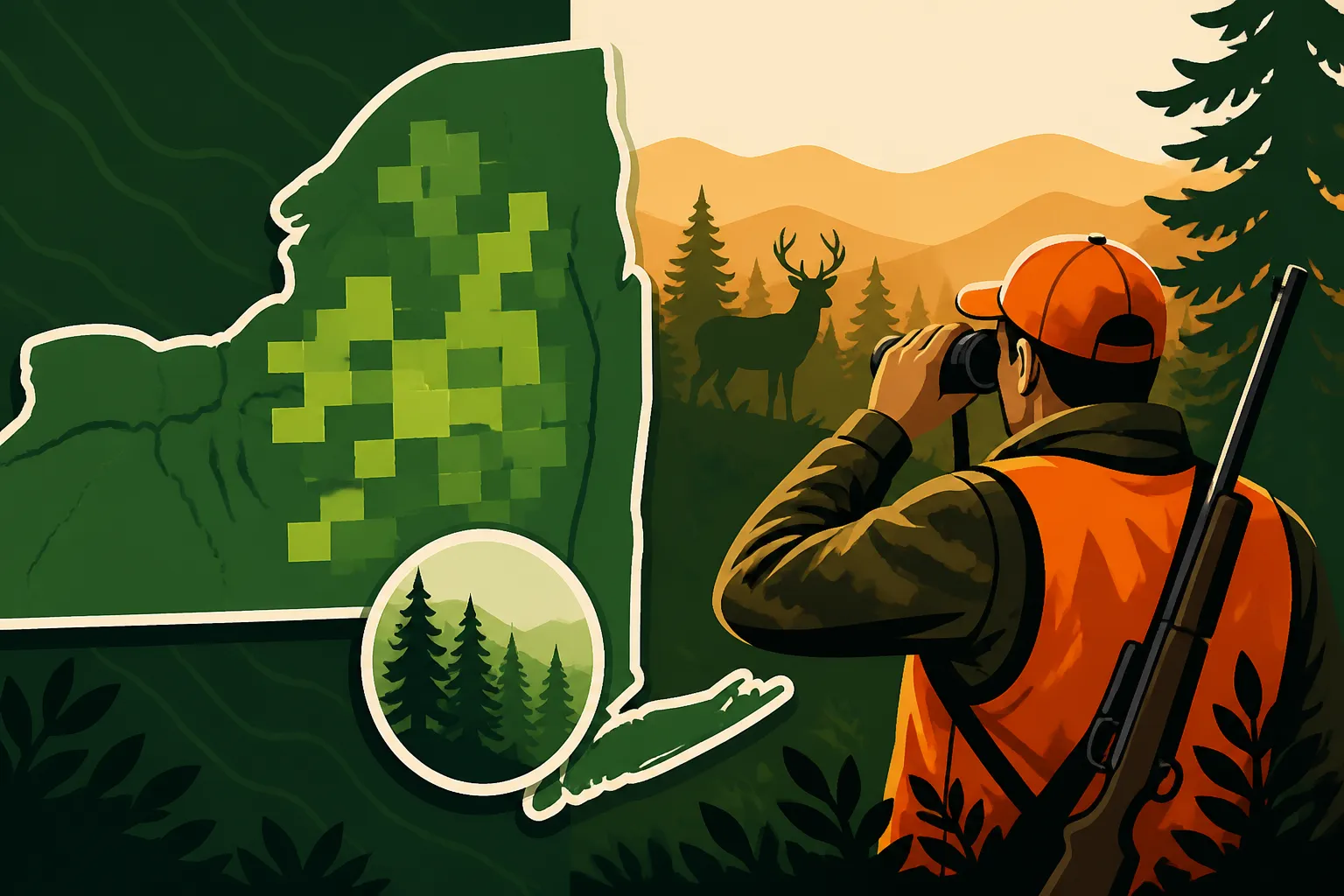
Southern Tier State Forest Blocks
For many New York hunters, the thought of public land often conjures images of the vast, remote Adirondacks or the rugged Catskills. While those regions are incredible, they can also be intimidating, demanding specialized gear and a significant time commitment. But what if you're looking for accessible, productive public hunting closer to home, with diverse habitats that hold abundant deer, turkey, and small game? The good news is, you don't have to venture far. This comprehensive guide will shine a light on the often-underestimated state forest blocks scattered across New York's Southern Tier, offering a wealth of opportunities for hunters willing to explore these fantastic, yet sometimes overlooked, woodlands.
The Unique Appeal of Southern Tier State Forests for Hunters
New York's Southern Tier is a sprawling landscape of rolling hills, deep valleys, and a mosaic of agricultural fields interspersed with vast timber stands. This unique blend of topography and land use creates an exceptional environment for wildlife, and consequently, for hunters. The state forests in this region are not wilderness areas in the same vein as parts of the Adirondacks, but they offer something equally valuable: diverse, accessible habitat that supports robust game populations without the extreme pressures sometimes found closer to major metropolitan areas.
Geography and Habitat Diversity
The Southern Tier's geography is characterized by its distinct drumlin fields, glacial valleys, and hill-and-valley terrain, which carve out natural travel corridors, bedding areas, and feeding grounds for deer. These state forests typically feature a mix of mature hardwoods like oak, maple, and cherry, interspersed with conifer plantations (often planted pines or spruce), and sometimes younger successional growth in areas that have been recently timbered. This variety in habitat is key, providing everything from dense thermal cover in the pines to abundant mast crops from the oaks. You'll often find small streams and seeps winding through the valleys, offering water sources, and the edges where forest meets old farm fields or logging roads create fantastic transition zones. This patchwork of forest types and topography means a hunter can find everything from dense thickets perfect for still-hunting to open timber ideal for setting up a treestand.
Abundant Deer and Turkey Opportunities
When it comes to big game, the Southern Tier State Forests truly shine. The deer herds here benefit from the adjacent agricultural lands, which provide a consistent food source, allowing them to grow large and healthy. However, they also rely heavily on the cover and mast within the state forests, especially as hunting pressure increases in the surrounding private lands. You'll find a healthy mix of mature bucks, does, and fawns, creating plenty of opportunity to fill your freezer or chase that elusive wall-hanger. Turkey populations are also strong, often roosting in the tall hardwoods and feeding in the more open areas or along field edges. These birds are often less pressured than those found on small private parcels, making for exciting spring and fall hunts. Many hunters specifically target these state forest blocks because of the consistent presence of both these popular game species, often allowing for multi-species trips.
Other Game Species and Predator Pursuits
Beyond deer and turkey, the Southern Tier State Forests offer a surprising variety of small game and furbearer hunting. Ruffed grouse, while declining in some areas, can still be found in pockets of younger aspen and brushy edges, particularly where past timber harvests have created ideal conditions. Grouse Hunting New York Aspen Cover is a great read for understanding these specific habitats. Woodcock often utilize the alder runs and wet bottomlands. Squirrels, especially gray squirrels, are abundant in the oak and hickory stands, providing an excellent way to introduce new hunters to the woods or extend your season. Furthermore, the robust deer and small game populations support a healthy predator base, with coyotes being prevalent throughout the region. Calling coyotes in the winter months can be a challenging but rewarding endeavor, offering an exciting hunt when deer seasons have closed. Rabbits and hare can also be found in thick brush piles and regenerating clear-cuts.
Navigating and Accessing These Vast Woodlands
One of the biggest hurdles for any hunter looking to explore new public land is simply figuring out where to go and how to get there. Southern Tier State Forests, while numerous, can sometimes feel like a maze if you don't have the right tools and information. Luckily, there are excellent resources available to help you unlock their potential.
Finding Maps and Resources
The New York State Department of Environmental Conservation (DEC) is your primary resource for identifying and understanding these state forest properties. Their website provides detailed maps and information sheets for each individual state forest. These maps often show access roads, parking areas, and even different timber stands, which can be invaluable for pre-season scouting. Beyond the official DEC maps, modern mapping applications are absolute game-changers. Tools like onX Hunt are invaluable, allowing you to view public and private land boundaries, topography, satellite imagery, and even property owner information right on your phone. This makes it incredibly easy to distinguish state forestland from adjacent private parcels, preventing accidental trespass. Using the New York HuntFishNY Map Tool can also help you get started with official state resources. While GoHunt might be more geared toward Western states, the principle of using digital mapping to identify terrain, cover, and access points applies universally.
Understanding Access Points and Parking
Most Southern Tier State Forests have designated parking areas, often gravel pull-offs along the main roads or small parking lots at the end of dead-end access roads. It's crucial to always park legally and avoid blocking gates or private driveways. Some areas may have limited parking, especially during peak seasons like the opening weekend of firearm deer season, so arriving early is often a good strategy. Keep an eye out for DEC signs indicating public access. Many of these forests are crisscrossed by old logging roads and recreational trails. While these paths offer excellent walking access, remember that vehicle use is typically restricted to designated, maintained forest roads and parking areas only. Always check local regulations for specific vehicle rules for the particular state forest you plan to visit.
Rules on Vehicle Use and Camping
While the primary purpose of State Forests is timber production and recreation, there are specific rules to ensure sustainable use. Vehicle use on forest roads is often restricted to administrative purposes or designated public access roads only, so don't expect to drive deep into the woods to your favorite hunting spot. Always look for signage indicating allowed vehicle traffic. Off-road vehicle use, including ATVs and UTVs, is generally prohibited unless specifically marked.
Camping is often permitted in State Forests, usually on a primitive, first-come, first-served basis, though some areas may have designated campsites. This can be a huge advantage for hunters who want to spend multiple days in the woods without driving back and forth. Always practice Leave No Trace principles, pack out everything you pack in, and be mindful of fire restrictions, especially during dry periods. Familiarize yourself with New York's specific camping regulations on state forest land before setting up your camp, as rules can vary regarding length of stay, fire pits, and waste disposal.
Hunting Deer in the Southern Tier's Timber and Hollows
Deer hunting in the Southern Tier State Forests offers a diverse set of challenges and rewards. The rolling topography and mixed timber provide excellent opportunities for a variety of hunting styles, from still-hunting to stand hunting. Success often comes down to understanding deer movement patterns within these specific habitats.
Deer Hunting Strategies
One of the most effective strategies for hunting these state forests is to identify natural funnels and pinch points. Deer will utilize saddles between ridges, creek bottoms, and the edges of dense cover to move between feeding and bedding areas. Old logging roads, while providing human access, can also act as deer highways, especially during the rut. Setting up a treestand overlooking such a funnel or a well-used trail, particularly in an area with good mast crop like an oak ridge, can be highly productive. Hunting the New York Rut in November offers general advice that applies perfectly to the Southern Tier's peak deer movement.
Still-hunting is another fantastic method in these woods. Moving slowly and deliberately through areas of mixed timber, especially near thick conifer plantations that offer bedding cover, can yield close-range encounters. Pay close attention to wind direction and thermals, as deer rely heavily on their noses. On steep terrain, thermals will rise in the morning and fall in the evening, influencing deer movement and your scent cone.
Tactics for Different Seasons
Early archery season in the Southern Tier can be fantastic, as deer are often in predictable patterns, feeding heavily on acorns or agricultural crops before the pressure mounts. Focusing on food sources and entry/exit routes to bedding areas is key. As the season progresses into late October and November, the rut becomes the dominant factor. Bucks will be on the move, searching for does. This is a great time to implement calling tactics like rattling and grunting, especially in areas with good visibility and varied terrain. Rattling and Grunting in New York can provide some excellent tips.
Firearm season often brings increased hunter pressure. During this time, deer may become more nocturnal or move into the densest cover. Consider hunting further off the beaten path, walking deeper into the forest than most other hunters. Deer drives can also be effective on these larger blocks of public land, provided you have a safe, coordinated plan with a small group of hunters. Deer Drives With Three or Four Hunters offers insights into making this tactic work. Finally, the late muzzleloader and archery seasons, especially during the Hunting the Southern Zone Holiday Hunt, can be productive when deer are focused on remaining food sources and have settled back into winter patterns.
Understanding Deer Behavior in State Forest Settings
Deer in state forests, particularly those bordering agricultural land, often behave differently than deer in pure wilderness. They are accustomed to human presence, including logging operations and hikers, but they also learn quickly to avoid high-pressure areas during hunting season. They will often bed in dense thermal cover during the day, like thick pine plantations or laurel thickets, and venture out to feed in the early morning and late evening, especially if they can access adjacent private agricultural fields.
Pay attention to subtle signs like old rubs and scrapes along logging roads or trails, as these can indicate historical buck travel routes. Finding fresh deer sign – tracks, droppings, and fresh rubs – is critical. A detailed scouting effort, perhaps using tools like onX Hunt to mark observations, will help you piece together a picture of deer movement. Remember, consistency and patience are your best friends in these environments; the deer are there, you just need to put in the time to find them.
Calling Spring Gobblers and Flushing Fall Birds
While deer hunting often takes center stage, the Southern Tier State Forests are also fantastic places to pursue wild turkeys and various upland game birds. The diverse habitat that supports healthy deer populations also provides excellent conditions for these other sought-after species.
Spring Turkey Hunting Tactics
Spring turkey season in the Southern Tier can be incredibly exciting. Gobblers will be vocal, especially during the early mornings, making them receptive to calls. Focus on listening for birds roosting in the tall hardwoods along ridge tops or near water sources. Once a gobbler is located, strategic calling and setting up in a spot with good visibility and clear shooting lanes are paramount. Often, turkeys will move from their roosts down into more open areas or along old logging roads to feed and strut.
Calling a tom off the roost is an art, and Calling a New York Gobbler Off the Roost provides some excellent foundational advice. Sometimes a soft series of yelps or clucks is all it takes, other times more aggressive calling can pique their interest. Consider using a decoy, especially a jake or hen, to draw them into range, but always be mindful of safety and other hunters. The varied terrain of the state forests allows for both aggressive run-and-gun tactics, especially on public land where you might need to cover ground to find birds, and more patient ambush setups near known strutting zones.
Fall Turkey and Upland Bird Pursuits
Fall turkey hunting in the Southern Tier State Forests is a different beast entirely. Instead of calling to lovesick gobblers, you're often looking for flocks of hens and poults. A popular tactic is to locate a flock, break it up by rushing them, and then set up and call the scattered birds back together. This can be incredibly effective, particularly if you can mimic the distress calls of a lost poult. The mixed hardwoods and conifer patches provide excellent cover for these birds, allowing them to remain elusive. Hunting New York's Fall Turkey Season gives a comprehensive overview of how to approach this unique challenge.
For upland bird enthusiasts, these forests can hold ruffed grouse and woodcock. Grouse prefer younger forest stands with dense undergrowth, often found in areas that have been clear-cut or actively managed for timber. Look for areas with a mix of aspen, birch, and thick berry bushes. Woodcock, on the other hand, are migratory birds that favor moist, alderswamps, and dense thickets along stream bottoms. A good bird dog can be an invaluable asset for both species, but even without one, slow, methodical walking through prime habitat can produce flushes. Listen for the distinct "whirr" of a flushing grouse or the twittering flight of a woodcock.
Making the Most of Your Hunt: Tactics and Preparation
Hunting success in any public land setting, especially Southern Tier State Forests, hinges on more than just showing up. Thoughtful preparation and adaptable in-the-field tactics can make all the difference between a memorable hunt and a frustrating walk in the woods.
Scouting Before the Season
Pre-season scouting is arguably the most critical component of a successful hunt in these state forests. Since you can't rely on private landowner insights, you need to become your own best scout. Start by studying maps, both topographic and aerial, using tools like onX Hunt to identify potential bedding areas (dense conifers, steep north-facing slopes), feeding areas (oak ridges, old apple trees, adjacent farm fields), and travel corridors (saddles, creek bottoms, logging roads). Pay attention to any recent timber cuts, as these areas often create excellent new growth for deer and grouse browse.
Once you have a few promising locations marked on your map, plan some boots-on-the-ground scouting trips. Look for fresh deer tracks, rubs, scrapes, and droppings. Identify turkey roost trees, dusting bowls, and feeding areas. Take note of water sources and natural funnels. While on the ground, verify the accessibility of your chosen spots, checking for ease of entry and exit, and potential stand locations. Remember to Scouting New York Public Land Before Season with minimal disturbance to avoid alerting game.
Dealing with Hunting Pressure
Southern Tier State Forests, while generally less pressured than some other public lands, will still see their share of hunters, particularly during firearm season. Being prepared for this reality is key. One effective strategy is to simply walk further than most other hunters. Many hunters tend to stick close to parking areas and main trails. By pushing deeper into the woods, especially into areas that are harder to access or have more challenging terrain, you increase your chances of finding less disturbed game.
Another tactic is to hunt mid-week if your schedule allows, as weekends are typically the busiest. During periods of high pressure, deer will often hold tight in the densest cover. Focusing your efforts on these thickets, even if it means still-hunting at a snail's pace, can pay off. Consider using a ground blind in these situations, as it allows for comfortable, silent waiting in dense cover where a treestand might be impractical or too exposed. Using a Ground Blind on New York Public Land is a great resource if you're thinking about this approach.
Reading Terrain and Cover
Understanding how deer and other game utilize the varied terrain and cover of the Southern Tier is essential. Deer will often bed on lee sides of ridges (sheltered from the wind) or in dense conifer stands for thermal protection. They'll use creek bottoms and draws to travel undetected. Look for transitions – where a pine plantation meets hardwoods, where a steep slope levels out, or where a thicket borders more open timber – as these are often hot spots for game movement. Reading a Ridge for Catskill Deer Movement offers valuable principles that are transferable to the Southern Tier's rolling hills.
The presence of different tree species also tells a story. Oak and hickory stands indicate potential mast crops, while areas with young aspen and dogwood suggest good browse for deer and cover for grouse. Learning to interpret these environmental cues will help you predict where game might be feeding, bedding, or traveling, giving you a significant advantage. This intimate knowledge of the land, built through scouting and time afield, is what truly separates successful hunters.
Regulations, Etiquette, and Safety in State Forests
Hunting in any public land area comes with a responsibility to understand and adhere to regulations, practice good etiquette, and prioritize safety. Southern Tier State Forests are no exception, and knowing the rules ensures a smooth and legal hunt for everyone.
Treestand and Ground Blind Rules
While treestands and ground blinds are widely used in New York State Forests, there are specific rules you must follow. Generally, stands must be portable and cannot be left overnight for extended periods, or left permanently. You usually cannot cut down trees or damage vegetation to create shooting lanes. Always ensure your treestand is clearly marked with your name and address or DEC customer ID number. Treestand Rules on New York Public Land details these requirements and is a must-read before you head out. When using a ground blind, ensure it's not permanently affixed to the ground and is easily removable. As always, practice proper treestand safety, using a full-body harness and a lifeline every single time you climb.
Blaze Orange Requirements
New York State has specific blaze orange (or blaze pink) requirements for hunters during certain seasons to enhance safety. During the firearm deer season and various other hunting seasons, hunters are required to wear a minimum amount of blaze orange (or pink). This means a vest, jacket, or hat that is highly visible from all directions. Even if it's not legally required for a particular season (like archery-only periods), wearing blaze orange is always a good idea when sharing public land with other hunters, especially if you are moving or still-hunting. It significantly reduces the risk of being mistaken for game. Familiarize yourself with the specific requirements for the season you're hunting to ensure you're in compliance.
Respecting Other Users and Private Land Boundaries
Southern Tier State Forests are multi-use areas, meaning hunters often share the woods with hikers, dog walkers, bird watchers, and other outdoor enthusiasts. Always be respectful of other users and avoid conflicts. Keep noise levels down, and if you encounter non-hunters, be courteous and visible. Pack out all trash, including spent shell casings, and leave the forest cleaner than you found it.
It is absolutely paramount to know and respect private property lines, even if they are not explicitly posted. This is where a mapping app like onX Hunt really shines, as it can show you property boundaries in real-time. Unintentional trespass is still trespass, and it can lead to legal issues and give hunters a bad reputation. New York Trespass and Permission Law outlines the consequences. If you plan to hunt near private land, make sure you know exactly where the line is and stay on public ground. If a deer runs onto private property, you generally need to seek permission from the landowner before attempting retrieval. Showing respect to landowners, even if you don't have direct permission to hunt their property, helps foster a positive relationship between hunters and the broader community.
Wildlife Management Units and Deer Management Permits
Hunting in New York, especially for deer, is often managed by Wildlife Management Units (WMUs). The Southern Tier comprises several of these units, and it's essential to know which WMU you're hunting in, as regulations like antler restrictions, season dates, and the availability of Deer Management Permits (DMPs) can vary. DMPs are antlerless deer tags that help manage the deer population. In some Southern Tier WMUs, DMPs might be readily available or even unlimited, especially in areas with high deer density or agricultural damage. Understanding New York Deer Management Permits Explained is crucial if you intend to harvest an antlerless deer. Always check the current DEC hunting regulations guide for the most up-to-date information on WMU-specific rules before your hunt.
Planning a Successful and Safe Hunt in Southern Tier State Forests
A well-planned hunt is a safe and enjoyable hunt. Taking the time to consider your gear, safety protocols, and post-hunt logistics will set you up for success in the diverse landscapes of the Southern Tier.
Essential Gear Considerations
Given the varied terrain and often wet conditions in the Southern Tier, appropriate gear is vital. Sturdy, waterproof boots are a must, as you'll likely encounter wet creek bottoms, muddy trails, and potentially snow later in the season. Layered clothing is always recommended, allowing you to adapt to changing temperatures throughout the day. Wool or synthetic base layers are excellent for wicking moisture and retaining warmth, even when wet. A quality daypack to carry your essentials—water, snacks, first-aid kit, extra layers, game calls, and navigation tools—is indispensable.
For navigation, while a smartphone app like onX Hunt is incredibly powerful, always carry a physical map and compass as a backup, especially if you venture into areas with poor cell service. A headlamp or flashlight is also critical for early morning walks in or late evening walks out. If stand hunting, invest in a quality safety harness and lifeline. For processing game, a sharp knife, game bags, and perhaps a deer drag or cart can make the recovery process much smoother, especially when navigating dense woods and uneven terrain.
Prioritizing Safety in the Field
Safety should always be your number one concern. Beyond wearing blaze orange during applicable seasons and using treestand safety equipment, there are other considerations. Always inform someone of your hunting plan – where you're going, your planned route, and when you expect to return. Carry a fully charged cell phone, but don't rely solely on it for emergencies or navigation. A whistle can be useful for signaling in an emergency.
Be aware of your surroundings, including other hunters. Take extra care when crossing fences or climbing into stands. If hunting with a firearm, always follow the four cardinal rules of gun safety. If still-hunting, move slowly and identify your target positively before shooting. Be mindful of potential wildlife encounters, particularly with bears, which are present throughout the Southern Tier. While generally shy, knowing how to react if you encounter one is important. Handling a Bear After the Shot is a critical read if you are pursuing bears in the region.
Post-Hunt Logistics and Reporting
Once you've successfully harvested an animal, the work isn't over. Field dressing your game promptly is crucial, especially during warmer early seasons, to ensure quality meat. Plan your extraction route before you shoot. Dragging a deer out of a steep ravine or across multiple ridges can be incredibly challenging. Consider tools like deer carts or sleds if hunting in flatter, snow-covered areas. If you plan to quarter your deer in the field, ensure you have the necessary knives and game bags.
Finally, New York State requires hunters to report their deer and bear harvests within seven days. This can typically be done online through the DEC's HuntFishNY system or by phone. This data is vital for wildlife management, helping the DEC make informed decisions about future seasons and bag limits. Reporting a New York Deer Harvest Online provides a simple guide for fulfilling this requirement. By following all regulations from start to finish, you contribute to responsible hunting and the continued health of New York's wildlife.
| Game Species | Primary Season | Typical Habitat | Key Tactics |
|---|---|---|---|
| White-tailed Deer | Archery, Firearm, Muzzleloader | Mixed hardwoods, conifer plantations, field edges, creek bottoms | Stand hunting funnels, still-hunting thick cover, scouting mast crops |
| Wild Turkey | Spring (Gobbler), Fall (Either sex) | Hardwood ridges, open timber, field edges, creek bottoms | Locator calls, hen calling, breaking up flocks (fall), decoy use |
| Ruffed Grouse | Fall | Young aspen cuts, brushy thickets, clear-cuts with dense new growth | Still-hunting, walking logging roads, working with a bird dog |
| Woodcock | Fall (Migratory) | Moist alder runs, willow thickets, wet bottomlands | Slow methodical walking through dense cover, bird dog (ideal) |
| Squirrel | Fall, Winter | Oak, hickory, beech stands, dense mature hardwoods | Still-hunting, sit-and-wait, using a .22 rifle or shotgun |
| Coyote | Year-round (specific seasons for pelts) | Any habitat, especially near deer travel routes and farm fields | Calling (distress, howler), stand hunting, targeting deer kill sites |
Disclaimer
This article is for general informational purposes only and does not constitute professional advice. Laws, prices and regulations vary by location and change over time. Consult a qualified professional for guidance on your specific situation.