Finding Access Near Rochester
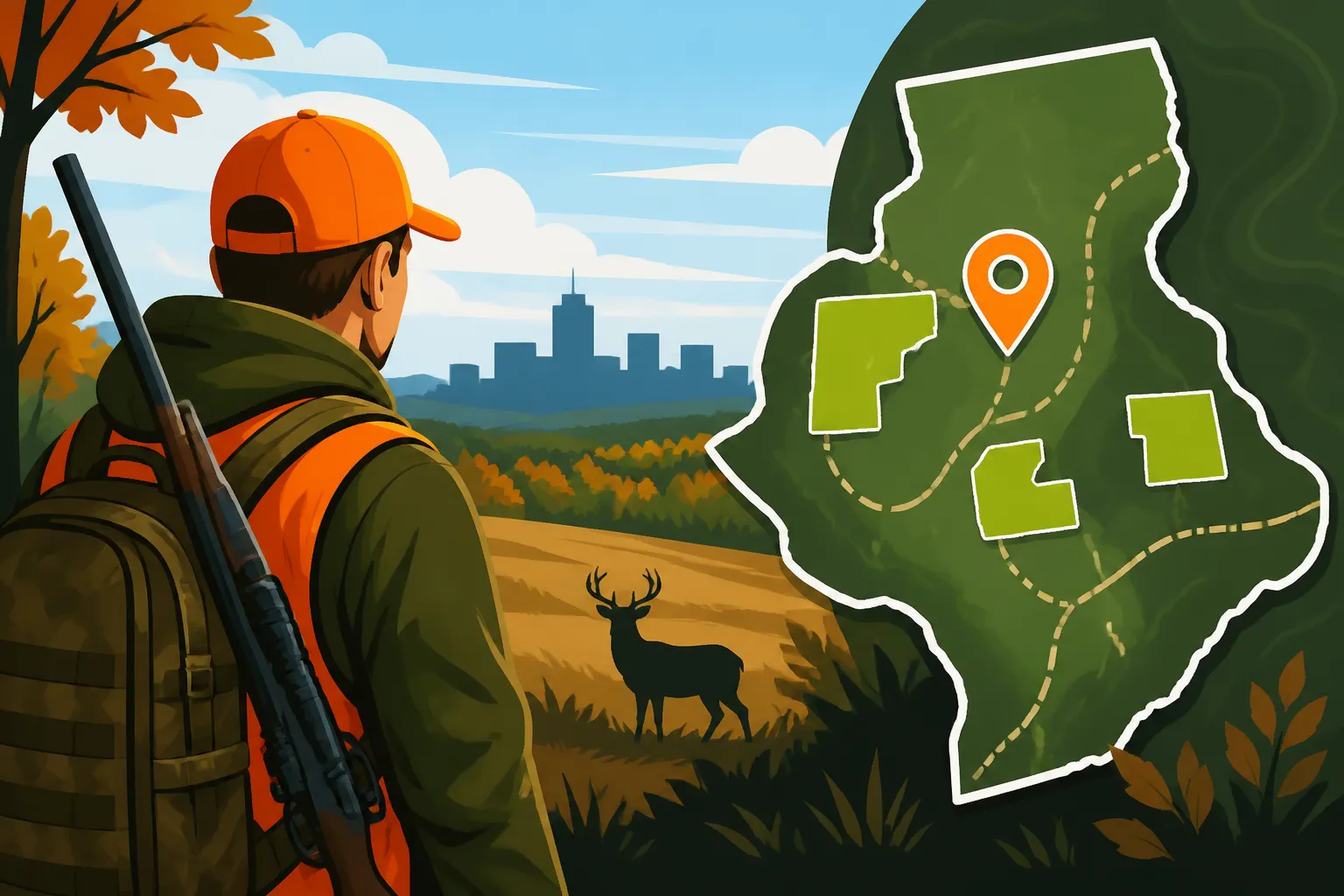
It’s a common frustration for hunters living in and around a growing city like Rochester. You’re passionate about getting out into the woods or fields, but every year it feels like the concrete jungle creeps a little further, and good hunting spots become harder to find, more crowded, or just too far for a quick morning hunt. This guide is dedicated to helping you navigate the unique challenges of finding quality hunting access near Rochester, uncovering both public and private land opportunities that might be closer and more plentiful than you think.
Understanding the Rochester-Area Hunting Landscape
Hunting near a metropolitan area like Rochester presents a distinct set of challenges and opportunities. It’s not the vast, uninterrupted wilderness of the Adirondacks, but it's also not exclusively suburban sprawl. Instead, you're dealing with a dynamic mix of agriculture, scattered woodlots, small town developments, and waterways. Understanding this unique blend is the first step to finding consistent success.
The Urban-Rural Interface Challenge
The biggest hurdle for many Rochester-area hunters is the constantly shifting line between urban development and wild spaces. What might have been a productive woodlot on the edge of town a decade ago could now be a new housing development or a shopping plaza. This means hunters need to be incredibly adaptable and diligent in their scouting, always looking for those interstitial spaces, the forgotten corners, or the parcels that haven’t been swallowed up yet. The pressure on remaining wild spaces, both from development and from other hunters, is palpable, and it can definitely feel like you're constantly fighting for a spot. It takes patience and persistence to find the pockets where game thrives despite human encroachment.
Navigating this interface also means being extra mindful of safety zones and property boundaries. Unlike deep wilderness hunting, you’re often in closer proximity to homes, roads, and other non-hunting outdoor enthusiasts. This isn't just about legality; it's about being a respectful and responsible hunter. A simple mistake could lead to negative public perception, and that's something we all want to avoid. Always double-check your surroundings and ensure you know exactly where you are in relation to any dwellings or restricted areas.
Dominant Game Species and Their Habitat Needs
Near Rochester, white-tailed deer are undoubtedly the main attraction for big game hunters. The mix of agricultural fields (corn, soybeans, alfalfa), brushy fencerows, small woodlots, and creek bottoms provides an ideal mosaic of food, cover, and water for deer. You'll find these deer are often accustomed to human activity, moving cautiously and often becoming more nocturnal as hunting season progresses. Knowing their movements between feeding and bedding areas, especially those hidden ones close to civilization, is key.
Beyond deer, the Rochester region offers good opportunities for wild turkeys, particularly in areas with a mix of mature timber for roosting and open fields for feeding. Small game like squirrels and rabbits are also abundant in many of the woodlots and brushy areas that dot the landscape. Waterfowl hunting can be surprisingly good on portions of Lake Ontario, the Genesee River, and numerous smaller ponds and marshes, though these spots often require specialized gear and knowledge. Understanding the specific habitat needs of each species will help you narrow down your search for suitable hunting grounds.
Public Land Opportunities Within Reach
While the Adirondacks and Catskills get a lot of attention for their vast public acreage, the Finger Lakes and Western New York regions, including areas around Rochester, also boast a surprising amount of public hunting land. It might be in smaller, more fragmented parcels, but these areas can offer excellent opportunities if you know where to look and how to approach them.
Exploring New York State Forests Near Rochester
New York State Forests are some of the most accessible and underutilized public hunting grounds in the state. Many of these are reclaimed agricultural lands that have been reforested, resulting in a mosaic of younger growth, mature timber, and brushy edges – prime deer and turkey habitat. While you won't find immense, unbroken tracts right on Rochester's doorstep, within a reasonable drive (an hour or two), you can access significant blocks. Think of places like the Honeoye Inlet Wildlife Management Area or High Tor Wildlife Management Area, which blend state forest characteristics with WMA management. These forests are managed for multiple uses, including timber production, which often creates excellent early successional habitat that deer and grouse absolutely love.
Hunting these state forests often means dealing with varying terrain, from rolling hills to steeper creek drainages. The key is to scout them thoroughly before the season. Look for signs of recent logging, which creates thick new growth that deer will gravitate towards. Identify natural funnels created by topography or changes in vegetation. New York State Forest Hunting provides more insight into these valuable resources. Don't be afraid to walk further than most hunters, as many simply stick to the obvious access points. The deer and turkeys often learn to avoid these high-pressure zones, pushing deeper into the woods.
When hunting state forests, remember that regulations can vary slightly by specific parcel. Always check the DEC website or the local office for any unique rules or closures. Generally, these lands are open to hunting during legal seasons, but it’s always wise to confirm. You might also encounter other outdoor enthusiasts like hikers or mountain bikers, so wearing plenty of blaze orange and being visible is paramount.
Wildlife Management Areas WMAs and Their Offerings
New York's Wildlife Management Areas (WMAs) are specifically managed for wildlife production and public recreation, including hunting. These areas are often smaller than state forests but are intensively managed to create optimal habitat for game species. Near Rochester, you'll find several WMAs that provide excellent hunting, though they can see higher pressure due to their known reputation. The John White Memorial WMA, for example, offers diverse habitats from wetlands to woodlands, providing opportunities for deer, turkey, small game, and waterfowl. Similarly, the Rattlesnake Hill WMA offers a larger tract of land with significant elevation changes and diverse cover.
WMAs are usually well-signed and often have designated parking areas, making access straightforward. However, this ease of access can lead to more hunters, especially on opening days and weekends. To succeed, you might need to employ different tactics, such as hunting during weekdays or focusing on less accessible sections of the WMA. Learning to navigate these areas requires a good mapping app like onX Hunt, which can show you property boundaries, access roads, and even topographic features that might indicate remote corners or natural funnels where deer might escape pressure. You can dive deeper into these valuable public lands by reading New York Wildlife Management Areas.
Beyond deer and turkey, many WMAs are excellent for small game and waterfowl. Some have specific management units for pheasants, often with stocking programs, or extensive marshlands managed for ducks and geese. Always check the WMA's specific regulations; some may have special seasons, hunting hours, or rules regarding specific game or methods. Understanding these nuances can give you an edge and ensure you're hunting legally and ethically.
County and Municipal Lands: Often Overlooked Gems
It's easy to focus on state-managed lands, but don't overlook county and even some municipal properties that may be open to hunting. These can be incredible hidden gems, often less pressured than state forests or WMAs because fewer hunters know about them or bother to research the rules. In the broader Rochester region, several counties manage their own forestlands or park properties. Examples might include sections of Mendon Ponds Park (with specific hunting rules and zones), or various county forest tracts throughout Monroe, Ontario, Wayne, or Livingston counties.
The challenge here is that rules and access can vary wildly. Some county parks might allow archery hunting only, or only during specific seasons, and often require a special permit. Others might have no hunting allowed at all. You’ll need to do some legwork: visit the county government websites, look up their parks and recreation departments, or even call their offices directly to inquire about hunting opportunities and required permits. It might feel like a bureaucratic maze, but the reward of finding a lightly pressured, close-to-home spot can be immense.
These smaller, often fragmented parcels can be fantastic for archery hunting, especially in the early season when deer are still on predictable summer patterns and the foliage provides plenty of cover. They often border suburban areas, meaning deer living there are used to human presence and can be incredibly wary. But they also offer consistent food sources and thick bedding cover. Using a mapping tool like onX Hunt can be indispensable for identifying these smaller public parcels and understanding their boundaries.
Cracking the Code of Private Land Access
While public land offers a solid starting point, private land often holds the key to less pressured hunting and potentially bigger, older bucks, especially in an agricultural region like Rochester. Gaining access isn't always easy, but a thoughtful, respectful approach can open up a world of opportunities.
The Art of Knocking on Doors: Building Relationships
Asking for permission is an age-old tradition, but it can feel intimidating in today's world. However, it remains one of the most effective ways to gain access to private land. Start by identifying potential properties on a map – look for woodlots, fencerows, or fields bordering public land or known deer travel corridors. Then, with a clean appearance and a polite demeanor, approach the landowner. The best time to do this is usually not right before opening day. Try early spring or mid-summer, when farmers aren't as busy and hunters aren't frantically looking for spots.
When you speak to a landowner, be clear about your intentions. Explain what you'd like to hunt (deer, turkey, small game), your hunting style (archery, shotgun, still-hunting), and offer to help them in return. This could be anything from helping with chores, fixing fences, or even assisting with planting or harvesting. Many landowners are simply looking for someone they can trust on their property, someone who respects their land and their privacy. Offering to share some of your harvest can also go a long way in building goodwill. Getting Private Land Permission in New York offers more detailed strategies for making a positive impression.
Remember, the goal is to build a relationship, not just get a one-time pass. A landowner who trusts you might open up their property for years to come, and they might even refer you to neighbors. Be respectful, leave no trace, always close gates, and never overstay your welcome. Even if you get a "no," thank them for their time and move on. You'd be surprised how often a polite "no" today can turn into a "yes" a year or two down the road.
Landowner Cooperator Programs and Their Benefits
New York has programs designed to encourage landowners to allow public access for hunting and fishing. These programs, often managed by the DEC, typically involve a landowner receiving certain benefits (like signs to deter trespassers, or even tax incentives) in exchange for opening their land. These lands are generally well-marked with signs indicating permission is granted. They often consist of agricultural fields with adjacent woodlots, which can be fantastic habitat.
Finding these cooperator farms usually involves checking the DEC website or contacting your regional DEC office. These programs can be a fantastic way to access private land without the individual "cold call" of knocking on doors, and they offer a legally protected framework for both the hunter and the landowner. However, just like WMAs, they can sometimes see higher hunting pressure because their availability is publicly known.
When hunting these cooperator lands, always adhere strictly to the posted rules and regulations. This is vital for the continuation of the program. Treat these lands with the utmost respect, as any negative incidents could lead to landowners withdrawing from the program, reducing opportunities for everyone. These areas often provide prime habitat for Hunting Southern Tier Farmland Deer, which is very relevant to the Rochester area's agricultural landscape.
Leasing Opportunities: Weighing the Investment
For some hunters, especially those looking for consistent, exclusive access to quality ground, a hunting lease might be worth considering. Leasing involves paying a landowner for the exclusive right to hunt their property for a specified period, usually a year. This can range from small woodlots to vast agricultural operations. While it's an investment, it guarantees you a place to hunt, often with less competition, and gives you the ability to manage the property for game more directly.
Lease costs vary greatly depending on the size of the parcel, its location, the quality of game, and local demand. You might find individual small leases, or you might join a hunting club that leases a larger tract and divides the cost and responsibilities among members. Before entering any lease agreement, make sure everything is in writing, including hunting dates, species allowed, guest policies, liability, and any specific land-use rules.
Platforms like GoHunt or local real estate listings sometimes advertise hunting leases. You can also network with other hunters or landowners to find out about available properties. While leasing might not be for everyone, it offers a level of control and consistency that is hard to achieve otherwise, especially if you're serious about targeting mature deer or consistently filling your freezer.
Leveraging Modern Tools for Scouting and Access
In the digital age, we have an incredible array of tools at our fingertips that make scouting and finding access infinitely easier than it used to be. For hunters near Rochester, where every acre counts, these tools are not just convenient – they're essential.
Digital Mapping Apps: Your Scouting Superpower
Gone are the days of relying solely on paper maps and compasses (though those are still vital backups!). Digital mapping apps like onX Hunt have revolutionized how we scout and navigate. With onX Hunt, you can see detailed aerial imagery, topographic lines, and most importantly, property boundaries and landowner names, right on your phone or tablet. This is an absolute game-changer for finding potential hunting spots and avoiding trespassing. Imagine being able to see a secluded woodlot tucked behind a few houses, identify the landowner, and then plan an approach to ask for permission – all from your living room.
Beyond property lines, these apps offer layers that show public land boundaries, roads, trails, water features, and even specific habitat types. You can mark waypoints for deer sign, rubs, scrapes, or potential stand locations, creating a digital map of your hunting area. This is particularly valuable in the fragmented landscapes near Rochester, where a small public parcel might abut a large tract of private land you could gain access to, or a small woodlot might be a deer highway. For more on using technology to your advantage, consider Reading Aerial Photos for Southern Tier Deer.
Many hunters also use these apps to track their movements, measure distances, and even identify subtle changes in elevation that might create thermal currents or natural funnels for deer movement. While a subscription is typically required, the information and confidence these apps provide are invaluable, especially when trying to pinpoint less-pressured areas.
New York DEC Resources: The HuntFishNY App and Website
The New York State Department of Environmental Conservation (DEC) provides a wealth of information through its website and the Using the New York HuntFishNY Map Tool and mobile app. This is your official source for regulations, season dates, WMA maps, and even deer harvest data by Wildlife Management Unit (WMU). The interactive map on the DEC website allows you to zoom in on specific areas, identify public hunting lands (State Forests, WMAs), and often shows specific access points or parking areas.
The HuntFishNY app is particularly useful for in-field navigation and for reporting your harvest, which is a mandatory requirement after harvesting a deer in New York. You can purchase your licenses and permits directly through the app, and carry digital proof on your phone. While it might not offer the same level of private land detail as a specialized app like onX Hunt, it is an indispensable official resource for any hunter in New York.
It's always a good idea to cross-reference information from third-party apps with the official DEC resources, especially regarding regulations or specific WMA rules. The DEC website also provides detailed breakdowns of WMUs, including deer density estimates, which can help you decide where to focus your efforts. For example, knowing which WMUs allow for New York Deer Management Permits Explained or have no DMP quota can help you plan your season and maximize your opportunities.
Strategic Approaches for the Rochester Hunter
Finding access is one thing; hunting it effectively, especially near a city, is another. Rochester-area hunters need to be strategic, adaptable, and often willing to work a little harder to find success.
Hunting Pressure: Finding Ground Others Walk Past
Public lands near population centers like Rochester invariably experience hunting pressure. Deer, turkeys, and other game quickly learn to adapt, becoming more nocturnal and seeking out refuge in the thickest cover or least accessible areas. To find success, you often need to adopt tactics that account for this pressure. This means being willing to walk further than most, venturing into swamps, steep ravines, or dense thickets that other hunters avoid. Sometimes, the most overlooked spots are just a few hundred yards from a popular parking lot.
Consider hunting during weekdays when pressure is typically lower, or focusing on late season when many hunters have hung up their gear. Finding Ground Others Walk Past is a skill honed by experience, but it starts with studying maps for hard-to-reach pockets, using aerial photos to identify dense cover, and being willing to put in the effort. Deer will often bed down in surprisingly small patches of cover if it offers security. That little swampy finger or the almost-impenetrable hawthorn thicket might be exactly where the big buck is hiding out.
Another strategy is to identify natural travel corridors or funnels that deer use to move between pressured areas. A narrow strip of woods connecting two larger blocks, a creek bottom winding through open fields, or a thick hedgerow can all serve as highways for deer trying to avoid human activity. Positioning yourself on these travel routes, especially during midday when deer are shifting, can be incredibly productive.
Late-Season Food Sources and Early Season Funnels
Understanding seasonal food sources and how deer utilize them is crucial, especially in agricultural areas. Early in the archery season, deer will often be focused on abundant soft mast (like apples) or lush alfalfa fields. As the season progresses into late fall and early winter, their focus will shift dramatically to hard mast (acorns, if available) and then to standing or recently harvested agricultural fields. Hunting a Standing Cornfield in Farm Country can be a fantastic late-season strategy. Deer need to pack on calories, and those remaining food sources become magnets, drawing them out even in daylight.
Conversely, early season hunting around Rochester can be excellent if you identify prime funnels. These could be narrow strips of cover, brushy creek bottoms, or even changes in topography that naturally direct deer movement. During the early days of archery, deer are still relatively unpressured and often follow consistent patterns between bedding and feeding. A well-placed stand on a funnel that connects a dense bedding area to an alfalfa field can be deadly.
Always remember that deer adapt, and their patterns change with food availability, hunting pressure, and the rut. Constant scouting, even during the season, will keep you clued into what the deer are doing. Trail cameras can be a huge asset in monitoring these patterns without adding human presence to the area.
Respecting Regulations and Local Sensitivities
Hunting near populated areas means being extra diligent about regulations and being a good neighbor. Always confirm the legal shooting hours, firearms restrictions for specific WMUs or towns, and setbacks from occupied dwellings. New York Firearms Discharge Setback Rules are particularly important in these zones. Know your target and what's beyond it – this isn't just a safety rule, it's a moral imperative.
Also, be aware of local public perception. While hunting is a legal and valued tradition, not everyone understands or appreciates it. Being discreet, dressing appropriately, and ensuring you don't spook neighbors or cause concern can go a long way in maintaining a positive image for hunters. For example, dragging a deer through someone's front yard is usually not a good idea, even if it's legally permitted. Planning your extraction routes beforehand can save you headaches and maintain good public relations.
Table: Comparing Public vs. Private Hunting Access Near Rochester
| Feature | Public Land (State Forests/WMAs) | Private Land (Permission/Lease) |
|---|---|---|
| Availability | Generally open, well-marked, found via DEC/mapping apps | Requires effort to obtain, often through direct contact |
| Hunting Pressure | Can be high, especially near access points and on weekends | Typically lower, often exclusive access |
| Habitat Quality | Managed for wildlife, diverse habitats, variable productivity | Often prime agricultural/woodlot mix, high deer density |
| Flexibility | Limited control over land management or access | More control over hunting style, timing, habitat management |
| Cost | License/permits only, no additional access fees | Potentially free (permission) to significant (lease) |
| Regulations | Standard DEC rules, specific WMA/State Forest rules apply | DEC rules plus landowner-specific rules/restrictions |
| Scouting | Essential to find overlooked areas and travel routes | Vital to understand game patterns and landowner expectations |
Disclaimer
This article is for general informational purposes only and does not constitute professional advice. Laws, prices and regulations vary by location and change over time. Consult a qualified professional for guidance on your specific situation.