Hunting the High Peaks Wilderness Boundary
The Adirondack High Peaks Wilderness area is undeniably beautiful, but for many hunters, its vast, seemingly impenetrable expanse and strict regulations can feel like a daunting barrier. Trying to figure out where you can even begin to hunt near such a remote and protected zone, while staying within the rules and being effective, often leads to frustration and confusion. This guide will cut through that complexity, offering clear strategies and essential insights for successfully hunting the boundary lands surrounding New York's iconic High Peaks Wilderness.
Understanding the High Peaks Wilderness Area and its Regulations
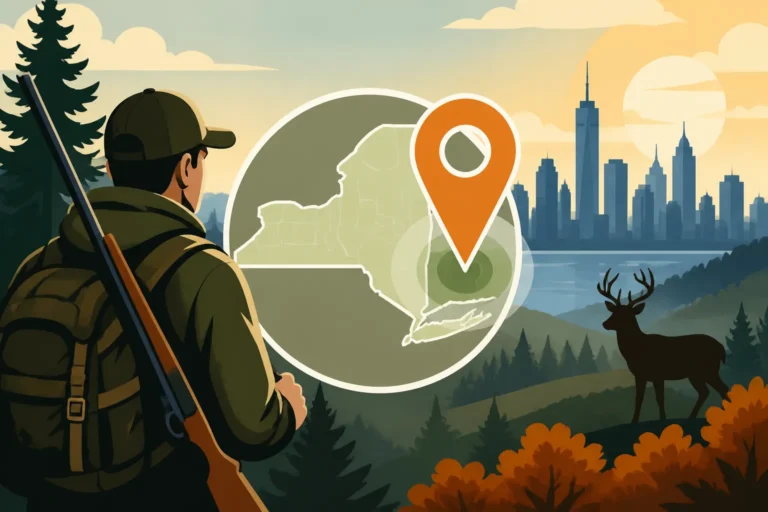
When you look at a map of New York, the High Peaks Wilderness stands out as a colossal block of green, calling to the adventurous spirit. But for hunters, it's not just another patch of woods; it carries a unique set of rules and an ethos that shapes how you can approach it. Understanding these distinctions is the first crucial step to planning a successful hunt.
What "Wilderness Area" Means for Hunters
The "Wilderness Area" designation in the Adirondacks, specifically within the High Peaks, is a very particular classification. It means that the land is managed to preserve its wild, untrammeled character. For hunters, this translates into some significant operational differences compared to other state lands. You won't find any roads in a wilderness area, nor are motorized vehicles or mechanized equipment, like ATVs, e-bikes, or even mountain bikes, permitted. This isn't just a suggestion; it's a core tenet of the "Forever Wild" clause protecting these lands.
What this really boils down to is foot power. If you're going into the High Peaks Wilderness, everything you need and everything you take out must be carried on your back or pulled by hand. This impacts how far you can realistically go, how much gear you can bring, and critically, how you'll recover an animal. This remoteness can be a blessing, pushing out casual hunters and creating sanctuaries for game, but it also demands a higher level of fitness, planning, and self-sufficiency from you. Knowing these rules upfront helps you set realistic expectations for your hunt. How Many Acres Are in the Adirondack Preserve gives you a sense of just how vast this wilderness truly is.
Navigating the "Forever Wild" Ethos and Boundary Lines
The phrase "Forever Wild" is more than just a motto for the Adirondack Park; it's enshrined in the New York State Constitution. It dictates that these lands shall remain "forever wild forest lands." For hunters, this means that while hunting is generally permitted, the emphasis is always on minimal impact. This ethos is particularly strong within Wilderness Areas, influencing everything from camping restrictions to how you're allowed to establish a hunting camp. You're expected to leave no trace, pack out everything you pack in, and respect the pristine nature of the environment.
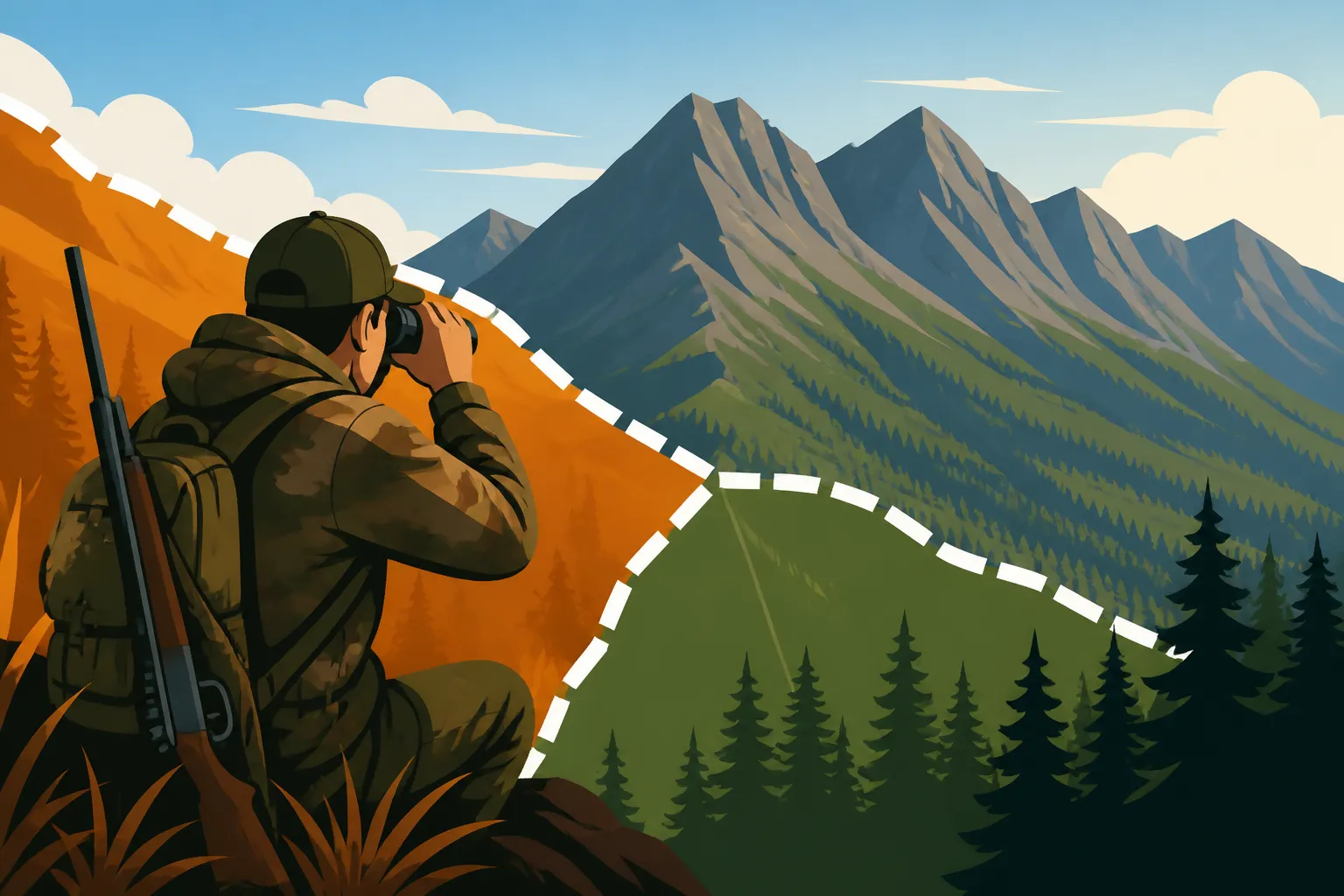
Understanding where the actual boundary lines lie is paramount. While some people might interpret "hunting the High Peaks Wilderness Boundary" as stepping just a few feet inside, the most effective and legally sound strategy often involves hunting the adjacent lands. These are typically "Wild Forest" areas or other public lands that abut the Wilderness Area. These Wild Forest lands still offer a wild experience but often allow for slightly different access methods (like certain designated routes for vehicles or the use of specific equipment) right up to the Wilderness line. It's a subtle but critical distinction that can mean the difference between a legal, ethical hunt and running afoul of regulations. Using detailed mapping tools like onX Hunt becomes invaluable here, as they clearly delineate these different land classifications and their boundaries. Adirondack Wild Forest Versus Wilderness Areas can further clarify these differences.
Permitted Activities and Restrictions
Hunting for deer and bear is generally allowed throughout the Adirondack Forest Preserve, including within Wilderness Areas, provided you have the proper licenses and adhere to all seasonal regulations. However, the "Wilderness" designation brings specific restrictions:
- No Motorized or Mechanized Transport: As mentioned, ATVs, e-bikes, mountain bikes, or any other motorized or mechanized vehicles are strictly prohibited within the Wilderness Area itself. All travel is by foot.
- Camping: Primitive camping is usually allowed, but often with distance restrictions from roads, trails, and water bodies. Specific limits on group size and duration may also apply. Lean-tos are available in some areas and are often first-come, first-served. Campfires are generally permitted, but often subject to seasonal restrictions or outright bans during dry periods. Always check local fire regulations.
- Structures: You cannot build permanent structures, cut live trees, or leave equipment unattended for extended periods. This includes treestands or ground blinds if they are not removed daily. For most hunters, this means using portable stands that can be taken down or scouting for natural ground setups. Treestand Rules on New York Public Land offers more detailed guidance.
| Activity/Equipment | High Peaks Wilderness Area | Adjacent Wild Forest Areas (General) |
|---|---|---|
| Hunting | Generally Permitted (Deer, Bear) | Generally Permitted (Deer, Bear, Small Game) |
| Motorized Vehicles | Prohibited (Cars, ATVs, e-bikes) | Permitted on designated roads/trails, often restricted seasonally |
| Mechanized Equipment | Prohibited (Mountain bikes, chainsaws, generators) | May be permitted for specific uses (e.g., e-bikes on some trails) |
| Camping | Primitive, "leave no trace," specific distance rules | Primitive, "leave no trace," often more flexible on access |
| Permanent Structures | Prohibited (No permanent treestands, blinds) | Prohibited (No permanent treestands, blinds) |
| Firewood | Dead and downed wood only; no cutting live trees | Dead and downed wood only; no cutting live trees |
| Trail Cameras | Generally permitted, but must be removed daily in some areas | Generally permitted, but must be removed daily in some areas |
| Game Retrieval | By foot only; no pack animals or mechanized aids | By foot, or sometimes by designated vehicle routes up to boundary |
Scouting and Planning Your Hunt Around the Boundary
The sheer scale and wildness of the High Peaks demand meticulous scouting and planning. You can't just show up and expect to stumble upon game, especially when you're focusing on those critical boundary areas where animal behavior can differ.
Using Mapping Tools for Boundary Identification
Modern mapping tools are your absolute best friend when hunting anywhere in the Adirondacks, but especially around a wilderness boundary. Services like onX Hunt provide invaluable layers that clearly show public land boundaries, including the precise lines of the High Peaks Wilderness Area. This isn't just about staying legal; it's about understanding the lay of the land in a way that boots on the ground can't always reveal.
Start by identifying the nearest Wild Forest or other accessible public lands that directly border the Wilderness Area. Look for areas where the terrain changes, where logging has occurred on the Wild Forest side (creating good deer browse), or where natural funnels lead into or out of the wilderness. These maps also help you locate key access points, parking areas, and potential water sources, all of which are crucial for multi-day hunts. I find that I can spend hours scrolling through the topographical maps and satellite imagery, finding potential bedding areas, travel corridors, and even subtle elevation changes that could influence wind direction. Even if you're not using onX Hunt, having a detailed physical map and compass is non-negotiable for safety in this remote country. Scouting With the New York HuntFishNY App can also be a valuable resource.
Identifying Key Habitat Features Adjacent to Wilderness
Deer and bear living near the High Peaks Wilderness boundary will often use the deep cover and lack of human pressure within the wilderness as a sanctuary. Your goal is to intercept them as they move in and out of this sanctuary. Look for specific habitat features on the Wild Forest side that would attract them:
- Edges and Transitional Zones: Animals frequently travel along edges where two habitat types meet. This could be where dense timber gives way to more open regrowth from an old logging cut, or where a spruce swamp meets a hardwood ridge. The boundary itself often acts as a significant edge.
- Food Sources: While deep wilderness might offer mast crops like acorns or beechnuts, adjacent Wild Forest lands, especially those with past timber activity, can provide prime browse, regenerating saplings, and clearings that attract deer. Bear, always opportunistic, will be found wherever food is available – especially berries, soft mast, and nuts. Pay attention to how a poor acorn year might push deer to different food sources. Hunting After a Poor Acorn Year
- Travel Corridors and Funnels: Look for natural funnels where the terrain forces animal movement into a predictable path. This could be a saddle between two peaks, a narrow strip of hardwoods between two thick swamps, or a bench system along a steep hillside. Water sources can also create funnels, as animals will often follow drainages. Finding Sign in Big Adirondack Timber is about more than just tracks; it's about interpreting these landscape features.
Access Points and Approach Strategies
Accessing the High Peaks boundary often means long walks, sometimes miles in, just to reach your hunting ground. Identify established trailheads, logging roads (if on Wild Forest land), or old skidder trails on your maps. These will be your primary entry points. Remember, the deeper you go, the fewer other hunters you're likely to encounter, but the more challenging your retrieval will become.
Plan your approach to minimize your impact and avoid alerting game. This might mean walking in before daylight, using wind and thermals to your advantage, and picking routes that are less trafficked. Consider how far you're willing to go and how much gear you can comfortably carry for a multi-day trip. If you're on public land, remember that Hunting Pressure on New York Public Land is a real factor, even in remote areas, especially during opening week. Sometimes, Finding Ground Others Walk Past is the key to success.
Tactics for Hunting the High Peaks Wilderness Boundary
Hunting the fringes of the High Peaks Wilderness is a different beast than hunting farmland or small woodlots. It demands a blend of patience, adaptability, and a deep understanding of how animals behave in response to vast, unpressured areas.
Deer and Bear Movement Patterns Near Wilderness
Deer and bear often treat the High Peaks Wilderness as a vast, unpressured refuge. During hunting season, especially once pressure builds on more accessible public lands, these animals will often retreat into the deep timber of the wilderness during daylight hours. Your best bet is to intercept them as they move between these secure bedding areas and feeding grounds on the periphery.
This means focusing your efforts on morning and evening movements. In the early morning, deer might still be feeding on the Wild Forest side, moving back towards the wilderness as hunter activity increases. Conversely, in the late afternoon, they'll often emerge from the wilderness to feed. Look for primary travel corridors or secondary trails that parallel the boundary line. Bear activity can be less predictable, driven heavily by food sources. If there's a strong mast crop outside the wilderness, bears might spend more time there. But they too will use the wilderness for security, especially if they've been bumped. Where Adirondack Bucks Bed delves into understanding how these animals choose their sanctuary.
Still-Hunting and Glassing Adjacent to Unpressured Zones
Given the vastness and the dense cover of the Adirondacks, still-hunting is an incredibly effective tactic along the wilderness boundary. This isn't about sitting in one spot all day (though that can work too); it's about slow, deliberate movement, covering ground silently, and constantly observing your surroundings. Take five steps, stop, listen, scan the woods, repeat. Look for subtle movements, a flash of antler, the flick of an ear, or the dark shape of a bear.
When hunting the boundary, don't be afraid to utilize elevated positions or natural clearings to glass into adjacent areas, especially during dawn and dusk. Even in dense timber, there are often subtle openings or ridge lines that offer brief views. Quality optics are crucial here. You're looking for animals moving along the edges of clearings, through saddles, or on benches. The ability to spot game from a distance allows you to plan a quiet approach. Remember, these animals are likely less accustomed to direct human pressure, but they are incredibly attuned to their surroundings.
Considerations for Remote Backcountry Retrieval
This is where hunting the High Peaks boundary truly separates the prepared from the unprepared. If you drop a deer or bear miles deep into the woods, especially within the Wilderness Area itself, you cannot drive a vehicle to it. You can't even use a game cart with wheels if you're inside the Wilderness. Everything must be packed out on your back, or perhaps dragged by hand if the terrain allows.
Before you pull the trigger, mentally game-plan the retrieval. Can you realistically get the animal out? Do you have a plan for boning it out if necessary? This might involve making multiple trips or having a partner. Carrying a quality pack designed for hauling meat is not optional; it's essential. Early season hunts add the complication of meat spoilage if temperatures are warm, necessitating rapid processing and cooling. Packs Built for a Multi-Day Backcountry Hunt will highlight the kind of gear you need. Dragging a Deer Off a Catskill Ridge might be useful, though the Adirondack terrain can often be even more challenging. Always consider how much weight you can safely carry, especially over difficult terrain, and don't underestimate the physical toll of packing out an animal in remote country.
Essential Gear and Safety Considerations
Hunting the High Peaks Wilderness boundary means you're operating in truly wild country. You can't rely on cell service, and help could be hours away. Being properly equipped and prepared for anything is not just smart; it's vital for your safety and success.
Navigation and Communication in Remote Terrain
In the vastness of the Adirondacks, getting lost is a real and dangerous possibility, especially if you venture off marked trails. A reliable GPS unit or a smartphone with downloaded offline maps (like those offered by onX Hunt) is non-negotiable. Don't rely solely on your phone, as battery life can be a major issue in cold weather, and service is non-existent. Always carry a traditional compass and a physical map as a backup, and know how to use them. For broader trip planning and understanding hunting pressure across different states, some hunters might also consult resources like GoHunt, which, while often focused on western states, provides a framework for detailed planning and data analysis.
Beyond navigation, communication is critical. A satellite messenger device (like a Garmin inReach or a Zoleo) allows you to send and receive text messages and, most importantly, send an SOS in an emergency, even without cell service. A charged power bank for your electronics is also a must-have. Always tell someone your exact hunting plan, including your intended route, where you'll be parking, and when you expect to return. This simple step can literally save your life. GPS Units for Adirondack Backcountry Hunts offers deeper insight into these essential tools.
Layering for Unpredictable Adirondack Weather
Adirondack weather, particularly in the High Peaks region, is notoriously fickle. A sunny morning can turn into a cold, driving rain or even snow by afternoon, even in early fall. Layering your clothing is the only way to stay comfortable and safe. Start with a moisture-wicking base layer, add an insulating mid-layer (fleece or wool), and top it with a waterproof and windproof outer shell.
Avoid cotton, which loses its insulating properties when wet. Wool or synthetic materials are far superior for cold, wet conditions. Carry extra layers, especially socks, gloves, and a warm hat, in your pack. Temperatures can drop dramatically after sunset, and being caught unprepared can quickly lead to hypothermia. Even if the forecast looks mild, pack for the worst-case scenario. Layering for a New York Deer Stand and Wool Versus Synthetics in Wet Snow provide excellent guidance on this topic.
Emergency Preparedness for Remote Hunts
When you're far from the nearest road, a minor incident can quickly escalate into a serious emergency. Always carry a well-stocked first-aid kit that includes supplies for common hunting injuries like cuts, blisters, sprains, and hypothermia. Include any personal medications you might need.
Beyond medical supplies, consider what you'd need if you had to spend an unexpected night in the woods. A lightweight emergency bivy or space blanket, a fire-starting kit (waterproof matches, lighter, fire-starter), and extra high-energy food are crucial. A headlamp with extra batteries is also essential for navigating in the dark. Carry plenty of water, or a reliable water filter/purification tablets. Remember, you are your own first responder in this remote country. Having a solid emergency plan and the gear to back it up provides peace of mind and, more importantly, ensures your safety.
Disclaimer
This article is for general informational purposes only and does not constitute professional advice. Laws, prices and regulations vary by location and change over time. Consult a qualified professional for guidance on your specific situation.