Finding Access Near New York City
For anyone living the fast-paced life in and around New York City, the thought of deer hunting often feels like a distant dream, reserved for folks "upstate" with acres of private land. It's easy to feel disconnected from the wild, thinking that you need to drive half a day just to find a patch of woods. But I'm here to tell you that while it takes some planning and perseverance, finding hunting access, even relatively close to the five boroughs, is absolutely possible. This guide will walk you through the various avenues available, from public lands to private access, helping you navigate the unique challenges of hunting within a reasonable distance of the city.
The Reality of Hunting Near New York City: Distance and Perception
Let's be real: when you think of hunting, towering skyscrapers and bustling streets aren't usually what come to mind. The common perception is that you have to travel hundreds of miles to find anything resembling a wild deer herd. This belief, while understandable, often discourages many city-dwelling hunters before they even start. The truth is, while you won't be finding prime whitetail habitat in Central Park, opportunities exist closer than you might think, albeit with their own set of considerations.
Geographic Challenges for City Hunters
The sheer population density and developed landscape surrounding NYC certainly present a hurdle. Open, unfragmented tracts of land are rarer here compared to the vast expanses of the Adirondacks or the Southern Tier. You're dealing with more private property, smaller parcels, and inevitably, more people. This means that public lands tend to be more pressured, and finding private land access requires a different approach than just driving around looking for "Posted" signs. You also have to contend with significant travel time, even for what might appear to be a short distance on a map, thanks to traffic and road networks.
Overcoming the Perception of No Access
The biggest challenge can often be mental. Many hunters simply assume there's no good hunting within a reasonable commute, so they don't even bother looking. This is where a shift in mindset is crucial. Instead of thinking "there's no hunting here," start thinking "where could there be hunting?" It forces you to look at maps differently, research obscure state properties, and consider options you might otherwise dismiss. It's about recognizing that "good hunting" doesn't always mean massive bucks in vast wilderness; it can also mean a successful outing for antlerless deer on a smaller, well-managed property closer to home, providing venison for the freezer.
Exploring Public Land Options Closer to the City
New York State, to its credit, does maintain various types of public lands that offer hunting opportunities, some of which are surprisingly accessible from the greater NYC area. These lands require careful scouting and adherence to specific regulations, but they are a solid starting point for any hunter without private connections.
New York State Wildlife Management Areas (WMAs)
Wildlife Management Areas are specifically acquired and managed by the New York State Department of Environmental Conservation (DEC) for wildlife habitat and public recreation, including hunting. While many of the larger WMAs are located further upstate, there are some in the Hudson Valley and eastern parts of the state that are within a reasonable drive of NYC. These areas can range from dense forest to marshland, each offering different hunting experiences. You'll often find a mix of deer, turkey, and small game on WMAs.
Accessing WMAs usually means following specific rules regarding parking, vehicle use, and sometimes even hunting methods. It’s critical to check the DEC website for the specific WMA you plan to visit, as regulations can vary. For instance, some might have special seasons or restrictions on certain types of firearms due to proximity to residential areas. While WMAs can be busy, especially on opening weekend, diligent scouting, often using mapping tools like onX Hunt, can help you find overlooked pockets of habitat away from the crowds.
State Forests and Parklands
Beyond WMAs, New York State also manages State Forests and other parklands that permit hunting. These lands are generally managed for timber, recreation, and wildlife. In the Hudson Valley, you can find a scattering of State Forests that may hold huntable populations of deer and turkey. These areas often provide a more traditional "woods" hunting experience compared to some of the more intensely managed WMAs. You might not find the same level of habitat diversity, but the sheer size of some parcels can offer a sense of solitude.
It's important to differentiate between State Forests and State Parks. While some New York State Park Hunting Rules do allow hunting, it's not universal, and restrictions are often quite strict, sometimes limiting hunting to specific seasons or methods (e.g., archery only). Always double-check the specific park's regulations. For example, some sections of the vast Hunting Long Island and the Hudson Valley region, including certain state parklands, have special deer management initiatives that allow hunting, but with very localized rules. Don't assume; always verify. Camping Rules on New York State Forest Land can also be a consideration if you plan to extend your hunt over a weekend.
Hunting in the Lower Hudson Valley and Catskill Foothills
For many NYC hunters, the Lower Hudson Valley and the eastern edge of the Catskill Mountains are the closest viable options. While the Catskill Forest Preserve is a significant public land resource, its rugged terrain and strict "Forever Wild" wilderness designations can make for challenging hunting, especially for those less accustomed to backcountry pursuits. However, the foothills and surrounding state forests, often within Ulster, Sullivan, and Orange counties, offer more accessible terrain and a mix of habitats.
These areas, while still pressured, can offer good opportunities, particularly for archery season. You'll find a mix of hardwood forests, old fields, and brushy draws that deer utilize. Getting away from main roads and popular access points is key here. Think about terrain features that deter other hunters – steep slopes, swampy areas, or thick cover that requires a little more effort to penetrate. This is where your pre-season scouting, both on foot and with digital maps, truly pays off.
Navigating Rules and Regulations in Downstate New York
Hunting closer to densely populated areas means a stricter regulatory environment. It's not just about knowing the statewide deer seasons; you need to be acutely aware of local ordinances, safety zones, and specific weapon restrictions that might not apply in more rural parts of New York. Ignoring these rules can lead to serious legal trouble and reflect poorly on all hunters.
Firearms Discharge Setback Rules and Safety Zones
One of the most critical regulations to understand when hunting anywhere in New York, but especially closer to residential areas, is the New York Firearms Discharge Setback Rules. You cannot discharge a firearm within 500 feet of a dwelling, farm building, or school. For bows and crossbows, this distance is 150 feet. These rules are non-negotiable and designed for public safety. In areas with fragmented land ownership and scattered homes, finding a spot where you can legally and safely take a shot can be challenging.
This means you need to be extra vigilant when scouting and always be aware of your surroundings, not just where your target is, but what lies beyond. Digital mapping tools like onX Hunt can be incredibly helpful here, allowing you to identify property lines and potential structures even before you set foot on the ground. Always err on the side of caution.
Southern Zone Hunting Calendar and Weapon Restrictions
The vast majority of the areas accessible to NYC hunters fall within New York's Southern Zone. This zone has its own distinct hunting calendar and, importantly, specific weapon regulations, particularly concerning rifles. While centerfire rifles are generally legal for deer hunting in much of the Southern Zone, some counties, particularly those closer to NYC like Westchester and Long Island, have tighter restrictions, often limiting hunters to shotguns, muzzleloaders, or archery equipment for safety reasons. You absolutely must verify the legal hunting implements for the specific Wildlife Management Unit (WMU) you intend to hunt.
| Hunting Method | General Southern Zone Legality | Restrictions Near NYC (Examples) |
|---|---|---|
| Centerfire Rifle | Legal for deer | Restricted/Prohibited in some downstate counties |
| Shotgun (Slug) | Legal for deer | Widely legal, common choice in restricted areas |
| Muzzleloader | Legal for deer | Widely legal, common choice |
| Archery (Bow) | Legal for deer | Widely legal, often preferred in suburban areas |
| Archery (Crossbow) | Legal during regular archery season | Check specific WMU rules; may have specific dates |
Beyond weapon choice, remember to be aware of other rules, such as New York Sunday Hunting Rules, which vary by county. While many upstate counties allow Sunday hunting, some downstate areas may still have older restrictions in place.
Special Deer Management Initiatives
In some areas with high deer populations and significant human-wildlife conflicts near NYC, the DEC may implement special deer management initiatives. These programs often include extended seasons, additional Deer Management Permits (DMPs), or even special hunts on specific public or private lands. For instance, Suffolk County on Long Island has very specific deer management rules due to dense populations and environmental concerns. These programs are often designed to increase antlerless harvest, providing more opportunities for hunters.
These special initiatives can be a boon for city hunters looking for accessible opportunities, but they come with very detailed rules. Participation might require specific permits, adherence to unusual season dates, or even mandatory check-in/check-out procedures. The key is to actively seek out this information through the DEC website or by contacting regional DEC offices.
The Private Land Pursuit: Getting Permission Near NYC
While public lands are a great starting point, private land often offers less pressure and more consistent hunting, even on smaller parcels. However, asking for permission near a major metropolitan area requires a refined approach and a deep understanding of local landowner perspectives.
Identifying Potential Private Land
Unlike rural areas with vast family farms, land ownership near NYC is often fragmented into smaller residential plots, hobby farms, or undeveloped woodlots owned by people who may or may not be traditional farmers. Your target is often the property owner with a few acres of woods that abuts a larger tract, or someone with an interest in deer control due to garden damage or Lyme disease concerns. Hunting Small Private Tracts in New York becomes a very real and often successful strategy here.
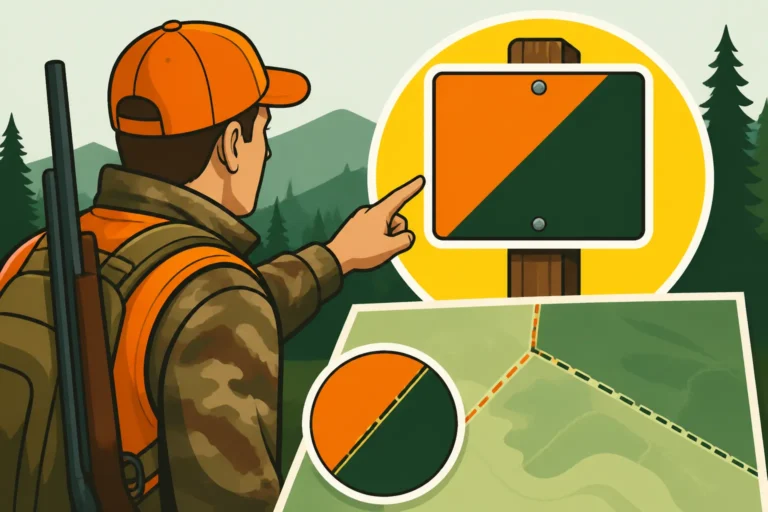
Start by studying aerial maps, like those available on onX Layers for New York Land Status within the onX Hunt app or via the free Scouting With the New York HuntFishNY App. Look for green spaces, woodlots, and natural corridors between developed areas. Pay attention to properties with visible deer sign (worn trails, rubs, scrapes) from public roads, or those bordering larger parks or preserves where deer might find refuge. You're looking for the "hidden gems" that might be overlooked by other hunters.
The Art of Asking for Permission
Knocking on doors is an age-old tradition, but near NYC, it requires extra politeness, professionalism, and a willingness to be flexible. Many landowners in this region may not be hunters themselves and might have preconceived notions. Approach them respectfully, clean-cut, and articulate. Explain why you're asking – perhaps you've noticed deer damage on their property, or you're simply looking for a safe, ethical place to hunt for venison.
Bring a small portfolio: a copy of your hunting license, proof of insurance (if you have it), and a simple map showing their property lines and where you'd be hunting. Be clear about your intentions: archery only? Shotgun? What times of day? Emphasize safety and your commitment to respecting their property. Offer to help with chores, share venison, or assist with anything else that builds a relationship. Remember, the goal is to establish trust. Do You Need Written Permission in New York? Yes, for your protection and theirs, always get written permission, even if it's just a simple note signed by the landowner. This also protects you under New York Trespass and Permission Law.
Maintaining the Relationship
If you're lucky enough to secure private land access, treat it like gold. This means communicating regularly with the landowner, adhering strictly to all agreed-upon rules, and going above and beyond to be a good neighbor. Help them out when you can, clean up any trash you find (even if it's not yours), and always close gates. A thank-you note or a small gift at the end of the season can go a long way in ensuring continued access. Remember, you're not just a hunter; you're a guest representing the entire hunting community. Word travels fast in these communities, and a bad impression can ruin opportunities for others.
Leveraging Technology for Access: Digital Scouting Tools
In today's hunting world, digital mapping and scouting tools are no longer a luxury; they're an absolute necessity, especially when hunting close to populated areas. These tools provide invaluable information that can save you countless hours and significantly increase your chances of finding huntable ground.
Utilizing HuntFishNY and Other State Resources
The New York State DEC's official HuntFishNY app is a fantastic free resource. It allows you to download maps that show public land boundaries, WMU lines, and other critical information, even if you don't have cell service in the field. This app is your first stop for understanding the lay of the land, identifying public parcels, and checking specific regulations for your chosen WMU. It's often updated with the latest season dates and rules, which is crucial for staying legal.
While the HuntFishNY app is excellent for official information, it might lack some of the granular detail that private mapping apps offer for truly in-depth scouting. Think of it as your reliable government-issued guide, always up-to-date on the law, but maybe not as feature-rich for advanced tactics.
The Power of onX Hunt and GoHunt
For a more comprehensive approach to scouting, especially around NYC, subscription-based apps like onX Hunt are incredibly powerful. These platforms offer detailed satellite imagery, topographic maps, and, most importantly, overlaid property lines with landowner information. This feature alone is worth its weight in gold for private land access. With onX Hunt, you can instantly see who owns a parcel of land, their mailing address, and identify potential hunting opportunities without ever leaving your couch. This allows for targeted outreach, rather than random door-knocking.
Beyond property lines, onX Hunt also provides layers for public land boundaries, wildlife management units, and even features like slope, aspect, and past timber cuts – all vital for understanding deer movement and habitat preferences. Similarly, GoHunt, while often focused on Western big game, offers advanced mapping features that can be applied to any landscape, providing another robust option for detailed planning and analysis. Both brands excel at helping you visualize the terrain, identify bottlenecks, funnels, and cover, making your in-field time far more efficient. You can mark waypoints, track your movements, and even drop pins on deer sign, building a comprehensive record of your scouting efforts.
Pre-Season Scouting and Mapping Strategies
Effective scouting using these digital tools involves more than just looking at pretty pictures. Start by identifying green spaces and likely wildlife corridors. Look for areas where larger blocks of woods meet agricultural fields, or where natural features like rivers and ridges funnel deer movement. Pay attention to details like dense cover, water sources, and potential bedding areas.
Once you've identified a promising public or private parcel, use the topo map and satellite imagery to plan your approach. Where are the likely access points? What's the best route to get to a stand location with minimal disturbance? Are there any hidden clearings or natural food sources? Mark potential stand sites, bedding areas, and travel routes. This virtual scouting helps you narrow down your physical scouting efforts, allowing you to focus on the most promising spots when you're actually in the woods. This is especially important when you have limited time and a longer commute from NYC.
Planning Your Hunt: Logistics for NYC-Based Hunters
Hunting from a base in New York City presents unique logistical challenges. From managing travel time to handling harvested game, careful planning is essential for a successful and stress-free experience.
Travel Time and Commuting Considerations
Driving from NYC to even the closest hunting grounds can take significant time, especially during peak traffic hours. Weekday hunts might mean leaving before dawn and battling evening traffic on the way back. Weekend hunts often involve Friday evening and Sunday afternoon travel crunch. Factoring in travel time is crucial for both mental and physical preparation. You don't want to arrive at your hunting spot already exhausted. Consider targeting properties that allow you to minimize highway driving once you're out of the immediate metropolitan area.
Think about carpooling with a hunting buddy if possible, not only to save on gas but to split the driving duties. Packing smart is also important; having everything organized and ready to go can save precious minutes. If you're heading to areas like the Catskill foothills, you might find yourself navigating winding country roads, which can add to your travel time.
Gear and Equipment for Day Hunts
Most hunts closer to NYC will be day hunts, meaning you'll be packing in and out everything you need. This calls for a streamlined, efficient gear setup. While you might dream of elaborate New York Deer Camp Traditions, for most city hunters, it's about being mobile and self-sufficient. A good day pack with essentials like water, snacks, a first-aid kit, a headlamp, navigation tools, and appropriate layers for fluctuating New York weather is critical.
Consider your weapon choice as well. An agile bow or a shotgun can be easier to maneuver in thicker, more fragmented cover that often characterizes downstate hunting. Rifle and Shotgun Choices for New York Deer will need to comply with local restrictions, which often favor shotguns or archery equipment. Keeping your gear light and compact will make those longer walks into public land or across private parcels much more manageable.
Handling and Transporting Harvested Game
Successfully harvesting an animal is the ultimate goal, but for a city hunter, it also presents its own set of challenges regarding processing and transportation. You won't have a barn with a hoist or vast amounts of freezer space readily available. Knowing your plan for a deer or turkey before you head out is crucial.
If you're hunting in warmer early archery seasons, rapid field dressing and cooling of the animal is paramount. Consider bringing a large cooler with plenty of ice to break down and transport the meat. Some hunters opt for the "gutless method" to remove the meat in the field, making the load lighter and easier to manage. If you secure a larger animal, coordinating with a local butcher for processing or having a dedicated plan for at-home butchering is essential. Remember that transporting a whole deer can be cumbersome in a car, especially if you have a long drive back to the city. Plan for game bags, tarp liners, and a strategy to keep your vehicle clean and odor-free.
Disclaimer
This article is for general informational purposes only and does not constitute professional advice. Laws, prices and regulations vary by location and change over time. Consult a qualified professional for guidance on your specific situation.