Finding a Posted-Land Cooperator Farm
For many New York hunters, finding reliable private land access feels like an endless uphill battle. You spend hours scouting, driving backroads, and often facing "Posted" signs on promising looking ground. It's frustrating when you see productive farmland or woodlots but have no clear path to hunt them. This guide is designed to help you understand a less-talked-about avenue for access: the posted-land cooperator farm, and how you might just find your next hunting spot through these unique programs.
What Exactly Is a Posted-Land Cooperator Farm?
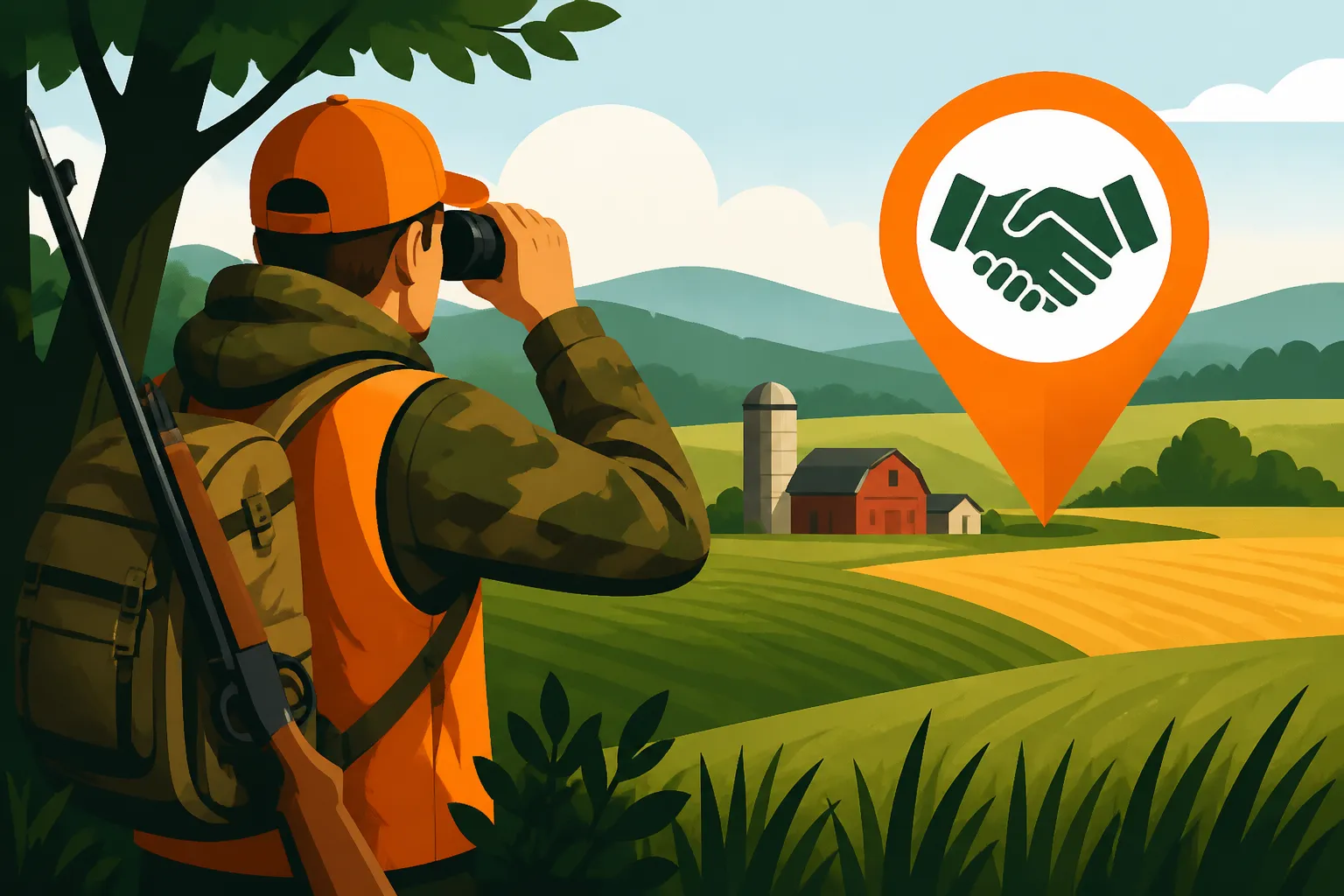
Let's be honest, the term "posted-land cooperator farm" might sound a bit official, maybe even intimidating. But at its heart, it's a brilliant concept designed to benefit both landowners and hunters. In New York, these programs typically involve private landowners who agree to allow public hunting access on their otherwise posted property, often in exchange for things like tax incentives, assistance with nuisance wildlife management, or simply as a community service. These aren't just random farms; they are specifically designated parcels where the landowner has a formal agreement to permit hunting, usually under certain rules and conditions.
Think of it this way: a farmer might have significant deer damage to their crops, or simply recognize the need for deer population management on their land. However, they might not want the free-for-all that comes with completely open land, or they might fear liability. By participating in a cooperator program, they can maintain control, dictate specific rules (like archery-only, antlerless-only, or specific hunting dates), and often get help managing the hunting pressure. For us hunters, it means gaining access to land that would otherwise be off-limits, which is a huge deal, especially in highly agricultural or developed areas where good hunting ground is at a premium. These programs are a win-win, fostering a controlled environment for hunting and building positive relationships between landowners and the hunting community. You'll often find these programs detailed under various names, sometimes simply referred to as Public Access Cooperator Farms or similar initiatives.
The Hunter's Advantage on Cooperator Land
Access, access, access – that's the number one advantage. If you've spent any time Getting Private Land Permission in New York, you know how difficult it can be to get your foot in the door with a private landowner. Cooperator farms cut through much of that red tape because the owner has already agreed, in principle, to allow hunters. This means less cold-calling, less door-knocking, and more time actually hunting.
Furthermore, these lands are often strategically chosen by the state's wildlife management agencies because they offer good habitat, are experiencing wildlife issues, or are simply in areas with high deer densities that need management. This isn't always true of every random piece of private ground you might ask to hunt. So, not only do you get access, but you often get access to quality hunting opportunities. For example, some farms might specifically be designated for antlerless deer harvest to help control local populations, which can be invaluable for filling those Deer Management Permits (DMPs) and putting meat in the freezer. Knowing that you're hunting on land where the local deer population might be higher than average due to crop damage or surrounding refuge areas can be a real confidence booster.
Benefits for Landowners Who Participate
From the landowner's perspective, these programs offer concrete benefits. Beyond potential tax abatements, they get a measure of control over who is on their property and what activities are permitted. They can specify hunting methods (e.g., Crossbow Rules During New York Archery Season might be allowed, but not rifles), limit the number of hunters, or designate specific safe zones around buildings. This helps mitigate their concerns about safety and property damage.
Perhaps even more critically, it provides a structured way to manage wildlife populations that might be causing economic harm. Deer eating crops, or turkeys nesting too close to barns, can be a real headache. By allowing controlled hunting, landowners can reduce these issues, often with the support and guidance of wildlife biologists. This symbiotic relationship is crucial for maintaining wildlife populations at healthy levels while respecting private property rights and agricultural livelihoods. For more on landowner tagging, you might look into New York Landowner Deer Tag Rules.
How to Actually Find These Farms
So, how do you find these elusive gems? This isn't like looking for a state forest or a Wildlife Management Area (WMA) on a map, where access is clearly delineated. Cooperator farms require a bit more detective work, but the effort is often well worth it.
First and foremost, your primary resource will be the New York Department of Environmental Conservation (DEC) itself. The DEC manages these programs, and they are the repository of information.
Leveraging DEC Resources and Online Tools
The DEC website is usually the best place to start. Look for sections related to public access programs, private land access, or specific wildlife management initiatives. They often have maps or lists of properties participating in programs, or at least provide contact information for regional wildlife offices that can give you details. Sometimes these are interactive maps, other times they are downloadable PDFs. It's often not as simple as a single "here's all the farms" button, so you might need to dig a little.
Another fantastic tool is the Using the New York HuntFishNY Map Tool. This app, available on your phone, often has layers that show public hunting opportunities, including some cooperator lands. While it might not explicitly call out "cooperator farms," it will mark areas that have public access agreements, which is essentially what these farms are. Layering this with satellite imagery on the app can help you visualize the type of terrain and potential hunting spots before you even step foot on the property.
You might also find it helpful to focus your search by region. For instance, areas known for agriculture, like the Hunting Southern Tier Farmland Deer or Hunting Western New York Farmland, are much more likely to have landowners interested in these programs than, say, the deep woods of the Adirondacks.
Here's a quick comparison of general private land access methods:
| Access Method | Description | Pros | Cons |
|---|---|---|---|
| Posted-Land Cooperator Farm | Landowner formally agrees to allow public hunting, often with specific rules. | Guaranteed access, often good habitat, DEC support. | Rules can be restrictive, limited number of farms, requires research. |
| "Knocking on Doors" | Directly asking landowners for permission on their private, unposted land. | Can find hidden gems, direct relationship with landowner. | High rejection rate, time-consuming, inconsistent access, awkward encounters. |
| Hunting Leases | Paying a fee for exclusive hunting rights on private land. | Exclusive access, often high-quality land, consistent opportunity. | Expensive, long-term commitment, can be competitive. |
Local Connections and Word of Mouth
Don't underestimate the power of local connections. Sometimes, the best way to find out about these farms is through word of mouth at local diners, tackle shops, or conservation club meetings. Game wardens (Environmental Conservation Officers, or ECOs) and regional DEC staff are also invaluable resources. They know their areas intimately and can often point you in the right direction, or at least to the right contact person. While they won't give out private landowner information willy-nilly, they can often tell you about programs in specific areas or connect you with the right DEC wildlife biologist who manages these relationships.
Conservation organizations like the Quality Deer Management Association (QDMA), the National Wild Turkey Federation (NWTF), or local chapters of Ducks Unlimited, also sometimes work with landowners on access programs. Attending their events or reaching out to local chapter leaders can open doors you didn't even know existed. You'd be surprised how many great opportunities stem from simply chatting with folks who share your passion for the outdoors.
Making the Most of Your Cooperator Farm Access
Once you've found a cooperator farm and secured permission (which is usually a formality once you identify the farm and its associated program), it's crucial to treat that access with the utmost respect and responsibility. This isn't just about your hunt; it's about maintaining a positive image for all hunters and ensuring these programs continue to exist and expand.
Understanding and Respecting the Rules
Every cooperator farm will likely have its own set of specific rules, in addition to the statewide New York Trespass and Permission Law. These rules are non-negotiable. They might dictate parking locations, specific entry points, areas that are off-limits (e.g., around buildings or livestock), hunting methods allowed (e.g., archery only, shotgun only), or even specific times of day you can be on the property. Some might be focused on antlerless harvest, so be sure you understand the New York Deer Management Permits Explained and how they apply.
Before you even step foot on the property, make sure you have a clear understanding of all the rules. If there's a map provided, study it carefully. If you have any questions, don't hesitate to ask the program administrator (usually a DEC representative) or the landowner. Ignorance is never an excuse. Adhering strictly to these rules builds trust and ensures the landowner continues to see the value in participating in the program.
Being a Responsible and Respectful Hunter
Beyond the specific rules, general hunting etiquette and responsible behavior are paramount.
- Communicate: Let someone know where you're going and when you expect to return. If you're going to be late, or if you need to reschedule, inform the relevant parties.
- Leave No Trace: Pack out everything you pack in. This includes spent shells, food wrappers, and anything else. Leave the property cleaner than you found it.
- Respect Property: Don't drive off designated paths, don't disturb crops or livestock, and be mindful of fences and gates. If you open a gate, close it. If you encounter livestock, give them a wide berth.
- Safety First: Always prioritize safety, both your own and that of others. Wear your New York Blaze Orange Requirements when appropriate, identify your target and what is beyond it, and follow all firearm safety rules. These farms may have other users, so assume you are not alone.
- Game Recovery: If you harvest an animal, make every effort to recover it quickly and efficiently. If an animal runs onto an adjacent property, do not pursue it without first obtaining permission from that landowner. This is a critical point that can quickly sour relationships. For advice on tracking, consider Blood Trailing After Dark in New York.
- Offer Thanks: A simple thank you note, a small gift (like a portion of your harvest), or even just a friendly chat can go a long way in showing your appreciation. Building a positive relationship can lead to continued access and even additional opportunities in the future.
Challenges and Considerations
While cooperator farms offer incredible opportunities, they aren't without their unique set of challenges and considerations that you, as a hunter, should be aware of.
Potential for Competition and Pressure
Because these lands represent guaranteed access, they can sometimes attract a fair amount of hunting pressure. While typically managed to prevent overcrowding, you might still encounter other hunters. This is especially true on opening weekends or during peak rut activity. It's not a free-for-all like some truly open public land, but it's also not necessarily private, exclusive hunting.
To mitigate this, consider hunting during weekdays, mid-season, or in less popular weather conditions. Scouting is still crucial, even on cooperator land. Look for areas that might be harder to access, or that other hunters might overlook. Sometimes the best spots are just a little further off the beaten path, or require a slightly longer walk. Using mapping apps like onX Hunt can be incredibly helpful here, allowing you to identify potential travel corridors, pinch points, or bedding areas away from obvious access points. This level of detail can help you Finding Ground Others Walk Past and enjoy a more solitary experience.
Varying Rules and Availability
The rules and availability of cooperator farms can vary wildly from one region to another, and even from farm to farm. What's allowed on a property in the Finger Lakes region might be completely different from a farm in the Hudson Valley. Some programs might be permanent, while others are annual agreements. Some might only be open for certain seasons or species.
This means you need to do your homework for each individual property you're interested in. Don't assume that because one cooperator farm allowed crossbows, another one will. Always check the specific guidelines for the land you intend to hunt. This variability can be a bit of a bureaucratic hurdle, but it's a small price to pay for access to quality hunting ground that you wouldn't otherwise have. Keeping up with changes through the DEC's annual hunting regulations guide is paramount.
Maintaining the Program's Integrity
The longevity and success of posted-land cooperator farm programs rely heavily on the responsible behavior of hunters. Any instances of rule-breaking, disrespect for property, or unethical behavior can jeopardize the entire program, not just for you, but for all hunters who benefit from it. Landowners are offering a privilege, not a right, and that privilege can be revoked.
By adhering to all rules, being overtly respectful, and leaving a positive impression, you contribute to the program's success. This not only keeps current opportunities open but also encourages other landowners to consider joining. Think of yourself as an ambassador for the hunting community every time you step foot on one of these farms. Your actions reflect on all of us, and helping to sustain these programs is a responsibility we all share.
Disclaimer
This article is for general informational purposes only and does not constitute professional advice. Laws, prices and regulations vary by location and change over time. Consult a qualified professional for guidance on your specific situation.