Blood Trailing After Dark in New York
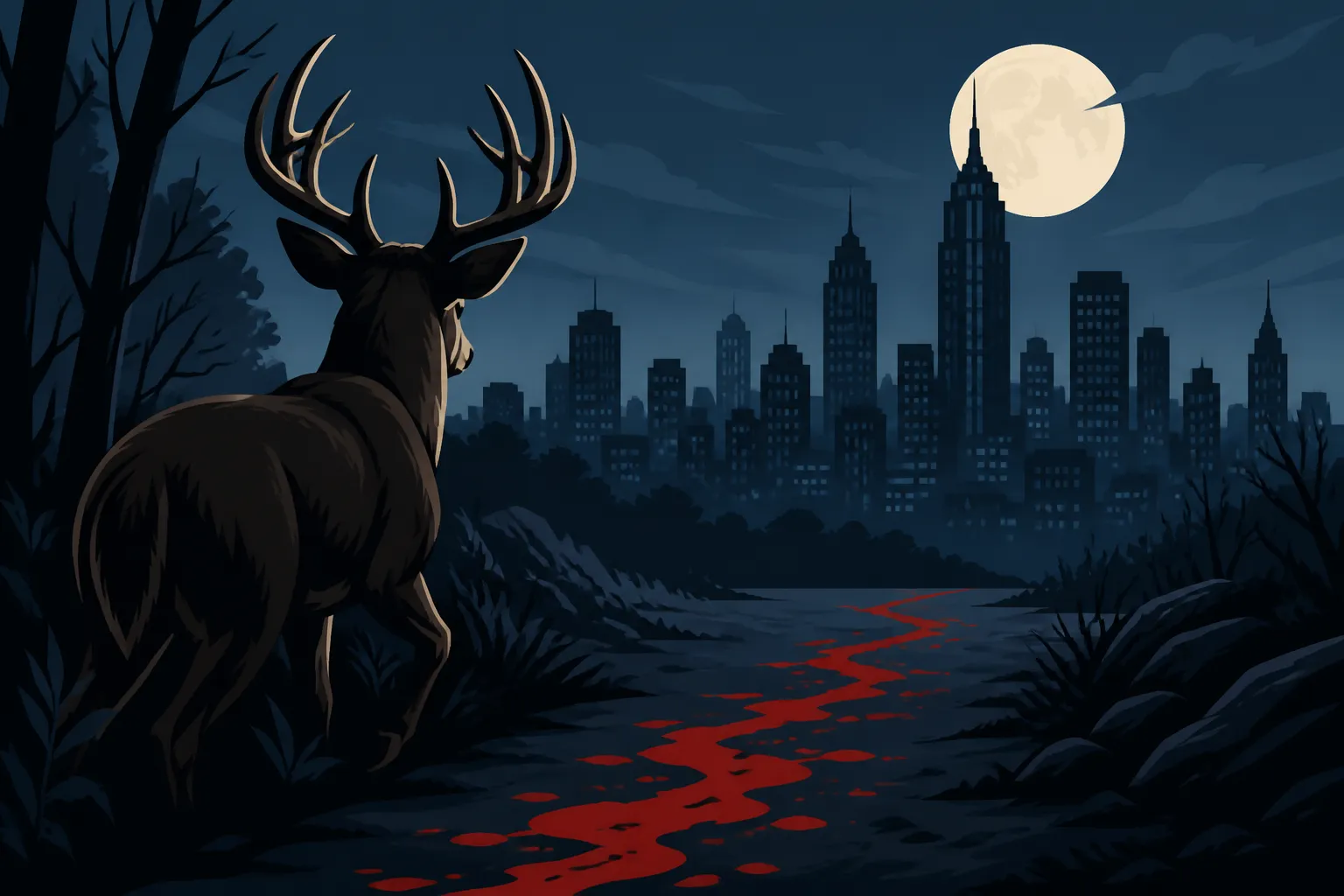
That feeling is all too familiar: you make a good shot on a deer as the last rays of sun dip below the Catskill ridges, but the animal doesn't go down immediately. As twilight gives way to full darkness, the prospect of following a faint blood trail through the New York timber becomes a daunting, even desperate, task. This guide is here to walk you through the realities, the preparation, and the painstaking methods for blood trailing after dark in New York, helping you make every effort to recover your hard-earned game ethically and safely.
The Critical First Steps and Waiting Game
When you make a shot late in the day, the immediate aftermath is often a mix of adrenaline and anxiety. Your first instinct might be to charge after the deer, but this is rarely the best course of action. Patience, though excruciating, is paramount.
Assessing the Shot and Waiting Period
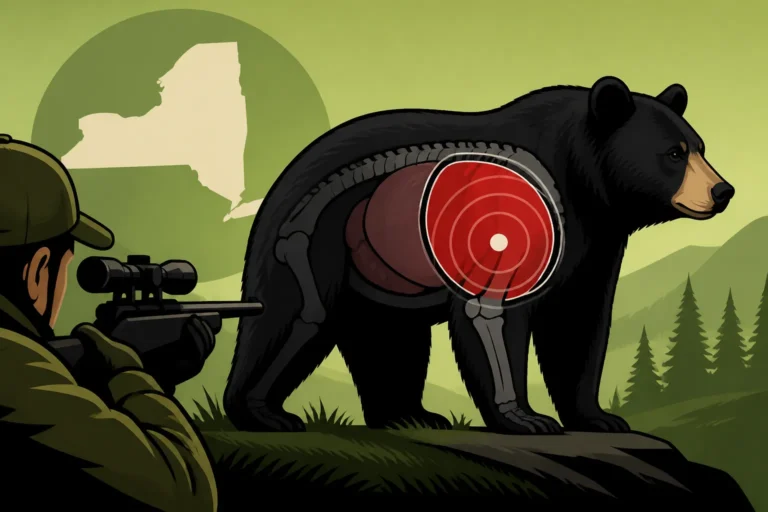
The type of shot you believe you made dictates your next move more than anything. Did you hear a "thwack" like an arrow hitting bone, or the solid "thump" of a good lung shot? Did the deer mule-kick, run off with its tail tucked, or just walk away calmly? All these observations are critical. A deer shot through both lungs with a quality bullet or broadhead, for instance, often doesn't travel far and will typically expire quickly. However, a gut shot deer can travel for hundreds of yards and bed down, only to jump up and run further if pushed.
For a suspected lung or heart shot, waiting 30 minutes to an hour is usually sufficient. This allows the animal time to bleed out and stiffen, preventing it from jumping up and running farther. If you suspect a liver shot, extend that wait to at least three to four hours. For a gut shot, the wait becomes even longer, ideally six to eight hours, or even overnight if conditions allow. Pushing a gut-shot deer is one of the most common reasons animals are never recovered; they might simply get up and keep going, never to be found. In New York, understanding New York Legal Shooting Hours is also key here, as you might run out of legal light before your waiting period is over, forcing a decision to trail in the dark or return in the morning.
Marking the Last Known Location
No matter what you think the shot was, always mark the exact spot where the deer was standing when you shot it, and then mark the last place you saw or heard it. Use flagging tape, a brightly colored hat, or even your pack if you're comfortable leaving it. This isn't just about starting your trail; it's about having a solid reference point if you get disoriented or lose the trail. Many hunters carry a small roll of biodegradable flagging tape specifically for this purpose. It’s also wise to drop a pin on your GPS or smartphone app, like the one offered by GoHunt, at these critical locations. This digital backup can be a lifesaver when the woods turn into a maze after dark.
Think about the terrain. If you're Recovering a Deer From a Steep Ravine in the Catskills, marking your starting point is even more crucial for safe navigation back to your vehicle and for accurate re-entry if you have to leave the trail.
Essential Gear for Night Trailing
Blood trailing in daylight can be tough; doing it in the dark adds a whole new layer of complexity. Having the right tools won't guarantee success, but it will significantly improve your odds and make the process safer.
Illumination Sources: Headlamps and Flashlights
This is your most critical piece of gear. You'll want multiple light sources. A powerful headlamp, ideally one with a red or green light option, is indispensable. The red or green light can often make blood pop more vividly against leaf litter and dirt, and it's less harsh on your night vision. Look for a headlamp with at least 500 lumens for good penetration into the darkness. But don't stop there. Carry a separate, powerful handheld flashlight, maybe 1000 lumens or more, to sweep wider areas and cut through thick brush. Having a buddy with another strong light source is even better, as two sets of eyes with two beams can cover more ground and triangulate on faint specks. Always, always carry extra batteries for all your lights. There's nothing worse than a dying beam when you're deep in the woods following a cold trail.
Navigation Tools and Markers
Navigating New York's diverse public lands, whether it's the Adirondack Forest Preserve or a state forest in the Southern Tier, requires reliable navigation. A GPS unit or a robust smartphone app is non-negotiable. Apps like the New York State DEC's HuntFishNY app or premium mapping services like GoHunt offer detailed topographical maps, satellite imagery, and the ability to drop waypoints. This is vital for tracking your path, marking blood sign, and finding your way back to your vehicle, especially if you get turned around while intently focused on the ground. For detailed pre-hunt planning, Scouting With the New York HuntFishNY App can highlight potential travel corridors and escape routes a deer might take.
Beyond digital tools, physical markers are essential. Biodegradable flagging tape (pink or orange works best) should be tied every few yards when you find consistent blood. This creates a visual breadcrumb trail you can follow back and helps you pick up the trail again if you lose it. If you're on a long, faint trail, consider taking photos of unique blood patterns or landmarks with your phone to refer back to later.
The Blood Trailing Gear Checklist
Here's a quick table outlining essential gear for blood trailing after dark:
| Gear Item | Purpose | Key Features / Notes |
|---|---|---|
| Headlamp | Hands-free illumination for close-up trailing | 500+ lumens, red/green light option, comfortable fit, long battery life |
| Handheld Flashlight | Powerful beam for scanning wider areas, backup light | 1000+ lumens, durable, easy to operate, focused beam |
| Extra Batteries | Critical for all electronic devices | Ensure they are fresh and compatible with all lights and GPS units |
| GPS Unit / Phone App | Navigation, marking waypoints, tracking path | Pre-downloaded maps (GoHunt, HuntFishNY), accurate, robust battery |
| Biodegradable Flagging | Marking blood trail, re-establishing direction | Bright color (pink/orange), sufficient roll for a long trail |
| Compass | Backup navigation, confirming direction | Reliable, familiar with its use |
| First-Aid Kit | Addressing minor injuries in the dark | Basic supplies for cuts, scrapes, sprains |
| Orange Vest/Hat | Visibility for safety, especially if others are out | How Much Blaze Orange New York Requires – essential for visibility at night if others are moving |
| Water & Snacks | Sustaining energy during a potentially long and strenuous effort | Easy-to-eat, high-energy options |
| Field Dressing Knife | If you find the animal | Sharp, sturdy blade for Field Dressing a Deer in Cold Weather |
Blood Trailing Techniques in Low Light
Finding a blood trail in the dark is less about speed and more about meticulous, methodical searching. It requires patience, a keen eye, and a systematic approach.
Slow and Systematic Searching
Resist the urge to rush. Move slowly, almost inch by inch, keeping your eyes glued to the ground. Start at your last known blood sign. If you don't immediately see the next drop, don't just walk forward blindly. Get down on your hands and knees if necessary, using your light to sweep every leaf, every patch of dirt. Blood can be incredibly hard to see, especially against certain backgrounds or if the deer didn't bleed profusely. Look for disturbances in the leaves, tracks, or broken twigs that might indicate the deer's path, even without visible blood.
The "grid search" or "circle search" method is highly effective. If you lose the trail, mark your last known blood spot. Then, expand your search in ever-widening circles or a grid pattern around that spot. The deer isn't going to vanish into thin air; it went somewhere. Sometimes a single drop of blood, or even a smear on a piece of bark, is all you need to re-orient. Remember, blood often drips in the direction the deer is moving. Observing the shape of the drops can sometimes help indicate which way the deer was traveling. This is a lot like Tracking a Deer in Fresh New York Snow, where you're looking for subtle signs, just without the pristine white background.
Understanding Different Blood Signs
Not all blood is created equal, and knowing what you're looking at can help confirm your shot placement and predict how far the deer might travel.
- Bright Red, Frothy Blood: This is excellent news. It indicates a lung shot, as air bubbles mix with blood. Deer hit here typically don't go far.
- Dark Red, Non-Frothy Blood: This often suggests a muscle hit or a liver shot. Liver-shot deer bleed well but can travel a significant distance before expiring.
- Greenish or Brownish Matter with Foul Odor: This is the dreaded gut shot. The presence of stomach contents means a much longer wait and a more challenging trail. Be prepared for a long, frustrating night or a return trip in the morning.
- Blood on Both Sides of the Trail: If you see blood on both sides of where the deer traveled, it indicates an exit wound, which generally means a better blood trail. If blood is only on one side, expect a much fainter trail.
Also, pay attention to the quantity and frequency of blood. A consistent, heavy trail is much easier to follow than intermittent specks. As you track, mark each new significant blood sign with flagging tape. This builds a clear path and allows you to confirm your direction.
Safety, Ethics, and Knowing When to Call It Quits
Blood trailing after dark in the New York woods isn't just about finding the deer; it's about doing so safely, ethically, and responsibly.
Hunter Safety and Awareness
The woods at night can be disorienting and dangerous. It's easy to lose your sense of direction, stumble on uneven terrain, or walk into hidden obstacles. Always let someone know where you are going and when you expect to be back, even if you’re just extending a daytime hunt. Wear your blaze orange, even at night, especially if there’s a chance other hunters might be out or if you encounter search and rescue. While How Much Blaze Orange New York Requires primarily applies during daylight hunting, visibility remains a safety concern.
If you're hunting with Rifle and Shotgun Choices for New York Deer or a bow, make sure your weapon is safe. Unload firearms or safely secure bows when actively trailing, especially if you're navigating dense cover. The last thing you want is an accidental discharge or a branch snagging your bowstring in the dark. Be aware of your surroundings, listen for sounds that indicate predators (coyotes are common in New York), or other animals.
Ethical Considerations and When to Suspend the Trail
The ethical hunter's primary goal is to recover the animal they shot. Abandoning a wounded animal is unacceptable. However, there are times when continuing a night trail becomes counterproductive or unsafe.
If the blood trail is almost non-existent, the terrain is too dangerous (e.g., steep cliffs, deep water), or you're simply too exhausted to be effective, it's often better to back out and return at first light. Marking your last blood sign carefully, perhaps with a distinctive double flag, is paramount. Deer typically bed down if not pushed hard, and waiting until morning often yields a better chance of recovery, especially for gut-shot animals. The cool night air in New York's shoulder seasons can also help preserve the meat, giving you more time.
In some situations, especially with extremely difficult trails, involving a trained tracking dog can be a game-changer. New York State regulations allow for the use of leashed tracking dogs for wounded deer recovery. Finding a certified tracking dog handler in your area might be your best option if you've exhausted your own efforts.
Finally, once you've recovered your deer, remember to properly New York Deer Reporting Requirements through the DEC's online system or app. This is a critical part of the ethical hunting process and contributes to wildlife management efforts. After the hard work of recovery, take the time to properly care for your harvest, whether it's for Butchering a Deer at Camp or taking it to a local processor. It's the culmination of your efforts and the respect you show for the animal.
Disclaimer
Always consult the most current New York State Department of Environmental Conservation (DEC) hunting regulations before heading afield. Laws and regulations can change, and it is the hunter's responsibility to be fully informed and compliant.