Letchworth State Park Hunting Rules
It's incredibly frustrating when you hear whispers about hunting opportunities in a beautiful spot like a state park, only to find yourself buried in regulations and not knowing what's actually allowed. Many New York hunters wonder if iconic places like Letchworth State Park, famous for its stunning gorges and waterfalls, offer any deer hunting, or if it's just off-limits. This guide will cut through the confusion, detailing the specific rules, seasons, and practical considerations for hunting in Letchworth State Park so you can plan your next hunt with confidence.
The Nuance of Hunting in New York State Parks
Unlike the vast tracts of State Forests or Wildlife Management Areas where hunting is a primary activity, New York State Parks often have a more complex relationship with hunting. These parks are primarily managed for diverse recreational uses, drawing hikers, campers, and sightseers year-round. This multi-use approach means that hunting, where allowed, is typically highly regulated and confined to specific areas and seasons to minimize conflict and ensure public safety.
General State Park Hunting Policies
Historically, many state parks in New York prohibited hunting entirely. The thinking was that these areas were sanctuaries for wildlife and places for non-consumptive recreation. However, as deer populations have grown in certain areas, leading to ecological damage and increased deer-vehicle collisions, some state parks have cautiously opened their gates to regulated hunting. These decisions are usually made on a park-by-park basis, taking into account local deer densities, public safety concerns, and the park's specific layout and visitation patterns. So, while you might find a state park just a few miles away where hunting is strictly forbidden, another, like Letchworth, might offer limited opportunities. It's crucial not to assume that what applies to one state park will apply to another; always check the specific park's rules. For a broader understanding of statewide rules, check out New York State Park Hunting Rules.
Why Letchworth is Different
Letchworth State Park, often referred to as the "Grand Canyon of the East," is an expansive property, covering over 14,000 acres along the Genesee River in Wyoming and Livingston counties. Its sheer size and varied terrain—from deep gorges and hardwood forests to open fields—make it unique among state parks. While the most popular areas around the waterfalls are undoubtedly off-limits for hunting due to heavy foot traffic, large portions of the park's perimeter and less-traveled sections provide suitable habitat for white-tailed deer. The park management, often in conjunction with the New York State Department of Environmental Conservation (DEC), recognizes the need to manage deer populations to protect the park's sensitive ecosystems and reduce potential issues with its millions of annual visitors. This is why Letchworth, unlike many smaller or more urban state parks, has carved out specific zones and seasons for hunting.
Specific Hunting Opportunities at Letchworth State Park
When it comes to hunting at Letchworth, white-tailed deer are the primary focus. The park has designated specific periods and methods to allow hunters to pursue deer, carefully balancing this with the park's other recreational uses. It's not a free-for-all, and understanding the nuances is key.
Deer Hunting Seasons and Methods
Hunting at Letchworth State Park is typically restricted to archery and muzzleloader seasons, with specific firearm season opportunities being less common or highly regulated to specific, remote zones. This approach is common in multi-use areas as archery and muzzleloading are generally perceived as safer, with shorter effective ranges.
For archery hunters, the park generally aligns with the New York Southern Zone calendar. This means you can expect bowhunting opportunities during the statewide archery season, which includes the early fall period and often a late-season reopener. This can be a fantastic time to hunt, with cooler weather and potentially the rut in full swing, offering a unique opportunity to experience the park in a different light. Bowhunting New York's Long Archery Season provides more context on the general archery calendar. Crossbows are usually permitted during these archery seasons, but always double-check any park-specific regulations that might diverge from statewide rules, as some areas can have additional restrictions.
Muzzleloader season often follows the archery and regular firearm seasons, providing hunters with another primitive weapon opportunity. This late-season hunt can be challenging but rewarding, often coinciding with colder temperatures and potentially snow, which can make tracking and locating deer easier. However, the exact dates and areas are subject to change, and annual updates from the park or DEC are vital.
Firearm hunting, if permitted at all, is usually highly limited to very specific zones and perhaps shorter timeframes, often aligning with a portion of New York's Southern Zone Firearm Season. These firearm hunts are typically implemented only if deer populations require more aggressive management and are carefully delineated to avoid conflict with other park users. Given the park's popularity, hunters should anticipate that firearms might be restricted to shotguns with slugs, or other limited-range firearms, rather than high-powered rifles, which are more common in vast, remote wilderness areas. Always verify the allowed weapon types before heading out.
Permitting and Special Requirements
Hunting in Letchworth State Park often requires more than just your standard New York hunting license and big game tag. In many instances, the park implements a special permit system, sometimes involving a lottery or a sign-up process. This is done to manage hunter density, ensure safety, and collect specific data.
To hunt at Letchworth, you typically need to:
- Possess a Valid NYS Hunting License: This is a non-negotiable first step.
- Obtain a Park-Specific Permit: This is where Letchworth often has its own process. You might need to apply online, register in person at the park office, or call a specific number. These permits are usually free but are mandatory for access to designated hunting areas. They often come with specific rules regarding parking, check-in/check-out procedures, and sometimes even harvest reporting that goes beyond the standard DEC reporting.
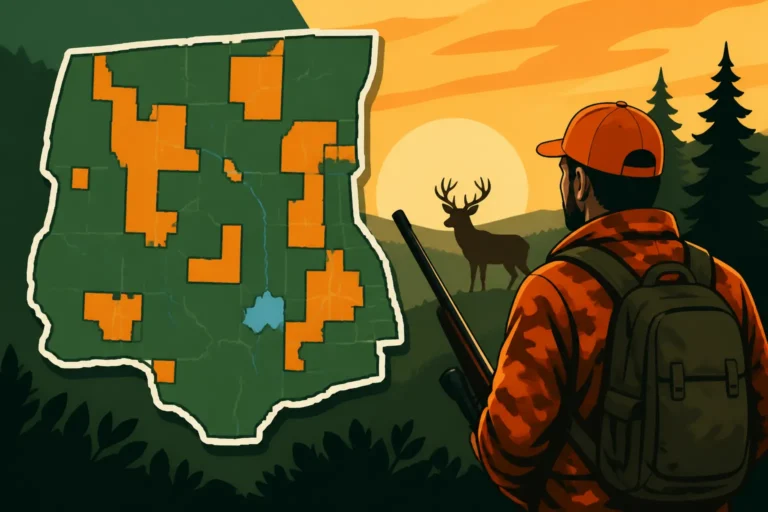
- Review Designated Hunting Maps: The park will provide maps clearly delineating the areas open to hunting, as well as those that are strictly off-limits (e.g., picnic areas, trails, developed zones). These maps are crucial for staying legal and safe.
- Adhere to Specific Safety Rules: Given the park's multi-use nature, extra safety precautions are often mandated. This might include specific blaze orange requirements even during archery season, or restrictions on discharge distances from roads, trails, or buildings.
It is absolutely critical to check the official Letchworth State Park website or contact the park office directly each year before planning your hunt. Rules can change annually based on deer population assessments, public feedback, and staffing capabilities. Don't rely on information from previous seasons or word-of-mouth.
Navigating Letchworth: Access, Zones, and Safety
Hunting in a state park like Letchworth means navigating an environment that is shared with a diverse group of users. This requires a heightened awareness of designated zones, access points, and safety protocols to ensure a positive experience for everyone.
Designated Hunting Areas and Access Points
Letchworth State Park is sprawling, and only specific, usually more remote, portions are open to hunting. The park is often divided into zones, with only certain ones allowing hunting. These zones are typically located away from the main attractions, visitor centers, and heavily used hiking trails. You'll often find these areas along the park's perimeter or in sections with limited road access.
To effectively hunt Letchworth, you’ll need detailed maps that clearly show these boundaries. The park office is usually the best source for current, official maps that outline the legal hunting zones. Many hunters also rely on digital mapping tools like onX Hunt. With its layered maps, you can often pinpoint property lines, identify public land, and even see designated hunting zones if the park provides the data. This is invaluable for knowing exactly where you can and cannot be, especially in areas where boundary markers might be less visible or terrain is rugged. Similarly, GoHunt can offer satellite imagery and general public land information that helps in pre-scouting, though onX Hunt excels with its specific boundary lines.
Access to these hunting zones might be through designated parking areas, or in some cases, you might need to park outside the main park roads and walk in. It's essential to respect any "no parking" signs or restricted access points. Walking in silently during pre-dawn hours, long before the first hikers hit the trails, is usually the best approach to get into your stand or still-hunt an area. This also minimizes interactions and potential conflicts with non-hunting visitors later in the day. Understanding where you can legally enter and exit, and making sure your vehicle is parked appropriately, is a vital part of planning your hunt at Letchworth. Checking for official maps and using tools like onX Hunt will be your best friend in this process. For general tips on navigating public lands, consider looking at Using the New York HuntFishNY Map Tool.
Safety Considerations and Park Regulations
Hunting in a popular state park demands an elevated commitment to safety and adherence to park rules. Unlike hunting vast, remote wilderness, you are far more likely to encounter non-hunters – hikers, photographers, or birdwatchers – who may not be accustomed to seeing hunters or aware of hunting seasons.
Blaze Orange/Pink: Even during archery or muzzleloader seasons, Letchworth often has stricter blaze orange or blaze pink requirements than general statewide regulations. This is a crucial safety measure to ensure you are highly visible to other park users. Always carry and wear the required amount of visible orange or pink. Blaze Orange Jackets Versus Vests offers insight into options.
Setback Distances: New York has specific setback rules regarding discharging a firearm or bow near dwellings, roads, or trails. In a state park, these rules are often applied with extra vigilance. Be intimately familiar with New York Firearms Discharge Setback Rules and ensure your shooting lanes are clear and safe. Never take a shot where you cannot be absolutely certain of your target and what lies beyond it, especially in areas that might see unexpected foot traffic.
Communication: If you encounter non-hunters, be courteous and respectful. A simple nod or a brief, friendly explanation of what you're doing can go a long way in fostering understanding. Remember, you are a representative of the hunting community.
Trail Cameras and Stands: Rules for trail cameras and treestands on public land can vary. Letchworth might have specific stipulations on how long stands can remain up, if screw-in steps are allowed, or if trail cameras are permitted at all. Always check park-specific regulations. Portable treestands and ground blinds that leave no trace are generally the safest bet. For advice on using them, see Using a Ground Blind on New York Public Land.
Planning Your Hunt and Maximizing Success
Hunting Letchworth State Park isn't just about following the rules; it's about applying sound hunting strategy within the unique constraints of a multi-use park. Success here often hinges on diligent scouting and adaptable tactics.
Scouting and Pre-Season Prep
Just like any other hunting location, scouting is paramount at Letchworth. The challenge is that heavy human activity can significantly influence deer movement. Deer in these areas often become nocturnal or utilize thick, less-accessible cover during daylight hours.
Remote Sections: Focus your efforts on the designated hunting areas that are furthest from main roads, trails, and developed areas. These are the spots where deer are most likely to feel secure during daylight. Use those onX Hunt layers to identify topography, thick cover, and potential pinch points in the more remote sections.
Sign: Look for traditional deer sign: rubs, scrapes, and trails. However, also pay attention to how deer might be moving to avoid people. Are there thick creek bottoms, steep ravines, or dense conifer stands that provide refuge? These could be daytime bedding areas or travel corridors. Don't overlook food sources; while agriculture might be limited within the park, natural browse, mast crops (like acorns), and even ornamental plantings on the park's edges can be major draws. Scouting New York Public Land Before Season offers broader tips for pre-season activities.
Pressure: Understand that even within hunting zones, other hunters might be present, especially on opening days. Look for areas that appear less trodden. A good tool like GoHunt provides general information that might help you find areas that are less frequently highlighted, allowing you to focus your deeper onX Hunt analysis on potentially overlooked spots.
Gear and Tactics for Park Hunting
The gear and tactics you employ at Letchworth should reflect the unique environment.
Quiet Movement: With other park users and potentially wary deer, quiet movement is essential. Choose clothing that is silent in the brush, and practice moving deliberately and slowly. This is especially true if you are still-hunting or stalking.
Stealthy Setups: If using a treestand, select locations that offer good cover and an escape route for access and egress that minimizes disturbance. Consider saddle hunting as a highly mobile and stealthy option. If hunting from the ground, brushing in a ground blind effectively is crucial. Since Letchworth is a state park, leaving minimal impact is key.
Patience: Deer in high-pressure areas are often patternable, but those patterns might be tight windows around dawn and dusk, or during periods of low human activity (e.g., midweek, during inclement weather). Long, patient sits in well-chosen, secluded spots are often more productive than constantly moving.
Scent Control: Given the likelihood of deer being highly sensitive to human presence, meticulous scent control is more important than ever. Pay attention to wind direction, both to avoid alerting deer and to ensure your scent doesn't drift into high-traffic areas and potentially alarm non-hunters.
Post-Harvest: Should you be successful, consider how you will retrieve your deer. Dragging a deer through a potentially busy area or across established trails might not be ideal. Plan your extraction route to be as discreet and efficient as possible. Ensure you understand Reporting a New York Deer Harvest Online rules for the state, and any additional park-specific reporting.
Hunting Letchworth State Park can be an incredibly rewarding experience, offering a chance to connect with nature in one of New York's most beautiful landscapes. By understanding and respecting the specific rules, utilizing good scouting practices, and adapting your hunting tactics, you can have a safe and successful outing.
Here's a quick summary of key regulations for Letchworth State Park hunting:
| Category | Archery Season | Muzzleloader Season | Firearm Season (Limited) |
|---|---|---|---|
| Primary Game | White-tailed Deer | White-tailed Deer | White-tailed Deer |
| Typical Dates | Southern Zone Archery | Southern Zone Muzzleloader | Select Dates/Zones |
| Weapon Types | Vertical Bows, Crossbows | Muzzleloading Rifles | Shotguns (Slugs), Handguns |
| Special Permit | Often Required | Often Required | Often Required |
| Blaze Orange/Pink | Often Required | Often Required | Mandatory |
| Access | Designated Zones Only | Designated Zones Only | Designated Zones Only |
| Check-In/Out | Potentially Required | Potentially Required | Potentially Required |
| Harvest Reporting | Standard DEC + Park Spec. | Standard DEC + Park Spec. | Standard DEC + Park Spec. |
Remember, this table provides a general overview. Always confirm current rules with Letchworth State Park directly before your hunt.
Disclaimer
This article is for general informational purposes only and does not constitute professional advice. Laws, prices and regulations vary by location and change over time. Consult a qualified professional for guidance on your specific situation.