Allegany State Park Hunting Rules
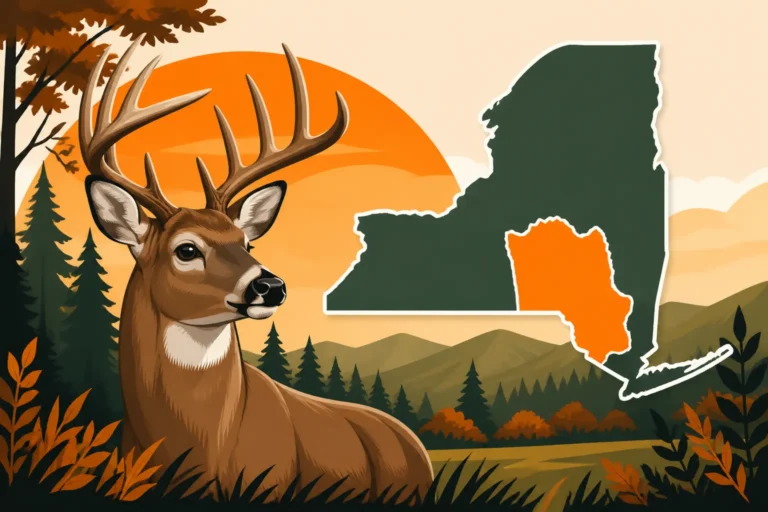
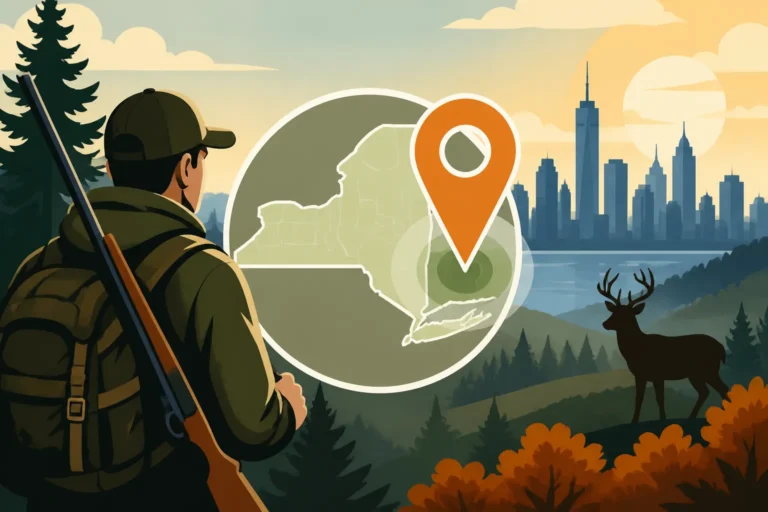
It's incredibly frustrating when you're eager to hit the woods, but the rules for public land seem to change depending on who's talking or what sign you just passed. Hunting in New York's State Parks, like the sprawling Allegany State Park, can feel like navigating a maze, especially when they share land with hikers, campers, and other outdoor enthusiasts. This guide is here to cut through that confusion, giving you a clear, in-depth understanding of what it takes to successfully and legally hunt deer, bear, and small game within Allegany's vast and beautiful boundaries.
Understanding Allegany State Park's Unique Hunting Landscape
Allegany State Park isn't your average patch of state forest or a dedicated Wildlife Management Area (WMA). It's a massive, multi-use recreational area, and that means the rules for hunting can be a little different, and often more restrictive, than what you might be used to on other public lands. Hunters often mistakenly assume that all "public land" means unrestricted hunting access, but state parks balance hunting with a wide array of other activities, making it crucial to understand the nuances here.
A Different Kind of Public Land
Imagine a place where families are picnicking, mountain bikers are tearing down trails, and bird watchers are quietly observing wildlife, all while you're trying to pursue game. That's the reality of a state park. Unlike the more singularly focused management of State Forests or WMAs where habitat is often tailored for game and human activity is primarily hunting, state parks prioritize recreation for everyone. This means hunting zones are carefully designated, safety setbacks are strictly enforced, and you're likely to encounter non-hunters, even in seemingly remote areas. The park's goal is to offer outdoor experiences for all, which is a fantastic thing, but it places an extra burden on hunters to be diligent, respectful, and fully aware of where they are and who might be sharing the woods. It requires a different mindset than, say, slipping into a remote corner of the Adirondack Forest Preserve.
General Regulations and Permits You'll Need
Before you even think about stepping foot in Allegany State Park with your hunting gear, you need to ensure all your basic New York hunting credentials are in order. This includes your valid New York State hunting license, and any necessary privileges like the bowhunting or muzzleloader stamps. While these are standard across the state, Allegany State Park often requires an additional, park-specific hunting permit. This permit is usually free but is mandatory and must be obtained directly from the park office. It's their way of tracking who is hunting where, and ensuring you're aware of park-specific regulations that might not be covered in the general DEC hunting guide.
Think of it this way: your state license gets you access to hunt in New York, but the park permit unlocks the gate to hunt within Allegany. You'll need to fill out a brief application, sometimes register your vehicle, and receive a copy of their specific hunting rules. It's not uncommon for these permits to have conditions, such as mandatory check-in/check-out procedures for safety, or specific parking instructions. Always, always check the Allegany State Park official website or call their office before your trip to get the most up-to-date requirements, as these can change season to season. Don't rely solely on what you heard from a buddy last year; verify it yourself. For a broad understanding of statewide requirements, you can check out New York Hunting Licenses and What They Cost.
Navigating Deer Hunting in Allegany State Park
Deer hunting is arguably the most popular pursuit in Allegany State Park, offering opportunities across archery, firearms, and muzzleloader seasons. However, the park's multi-use nature means that not all areas are open to all weapon types, and understanding these distinctions is key to a successful and legal hunt. The park is part of New York's Southern Zone, meaning it follows that general season calendar, but with added park-specific layers of regulation.
Archery and Crossbow Opportunities
Archery hunting for deer is typically the most widely permitted form of hunting within Allegany State Park, often extending into areas where firearms are strictly prohibited. This provides a fantastic opportunity for bowhunters to experience the park's diverse terrain and healthy deer population. The park's extensive woods, ridges, and valleys offer prime habitat for whitetails, and the quiet nature of archery hunting makes it more compatible with other park activities.
However, even within archery season, there are often designated Allegany State Park Archery-Only Zones to ensure public safety in high-traffic recreational areas. These zones are clearly marked on park maps and with signage in the field, making it your responsibility to know exactly where you are. When hunting with a bow or crossbow, remember that New York's general rules apply: you'll need your bowhunting privilege on your license, and crossbows must meet specific draw weight requirements. Broadheads must be at least 7/8 inches wide at the widest point, and you should always be mindful of shooting lanes and what's beyond your target. Portable treestands are generally allowed, but they must be completely removable at the end of the day or season, and you cannot damage trees. For more on the statewide archery experience, check out Bowhunting New York's Long Archery Season.
Firearm and Muzzleloader Hunting Zones
For hunters preferring firearms or muzzleloaders, Allegany State Park presents a more complex landscape. Due to the high volume of visitors engaged in non-hunting activities, many sections of the park are designated as "archery-only" or entirely "no hunting" zones, especially around developed areas, campgrounds, and popular trailheads. However, larger, more remote sections of the park are typically open to firearm hunting during the designated New York's Southern Zone Firearm Season.
It is absolutely paramount that you obtain a current park map and carefully study the delineated hunting zones. These maps will clearly indicate which areas permit firearms, which are archery-only, and which are entirely off-limits to hunting. Ignoring these boundaries can lead to severe penalties, not to mention creating dangerous situations for other park users. Muzzleloader season, which often follows the general firearm season, generally adheres to the same zone restrictions. If you're planning a December muzzleloader hunt, remember to review the park's rules for that specific period, as snow depth and other factors can sometimes lead to temporary access changes. Always ensure your firearm meets New York's legal requirements for deer hunting caliber and ammunition type for the Southern Zone.
Deer Management Permits (DMPs) and Harvest Reporting
Allegany State Park falls within specific Wildlife Management Units (WMUs) in the Southern Zone, which means Deer Management Permits (DMPs), often called antlerless tags, are available for additional antlerless deer opportunities. How many DMPs are available, and your chances of obtaining one, depend entirely on the WMU's population objectives for that season. It's crucial to understand New York Deer Management Permits Explained and how the lottery system works.
If you are fortunate enough to harvest a deer in Allegany State Park, whether it's your primary buck or an antlerless deer on a DMP, the mandatory harvest reporting requirements are no different than anywhere else in New York. You must report your kill online or via phone by the specified deadline. This data is critical for the DEC to monitor deer populations and set future hunting regulations. Failing to report a harvest is a violation and can negatively impact wildlife management efforts across the state. Remember to visit the DEC website for instructions on Reporting a New York Deer Harvest Online as soon as your deer is tagged.
Small Game and Other Species in the Park
While deer hunting often takes center stage, Allegany State Park also offers opportunities for pursuing other game species, from quick-flushing upland birds to the elusive black bear. Just like deer, hunting these species within the park requires careful attention to specific regulations and open zones.
Upland Birds and Squirrels
For those who enjoy the fast action of small game, Allegany State Park's diverse forest habitats provide excellent opportunities for squirrels and various upland birds. Gray squirrels are abundant throughout the oak and hickory stands, offering a fun and accessible hunt, often permissible in many of the same zones as archery deer hunting.
Ruffed grouse and woodcock, though their populations have faced challenges statewide, can still be found in Allegany's mixed woodlands, particularly in areas with early successional growth, dense thickets, and alder runs. Hunting these birds often involves covering a lot of ground, listening for flushes, and being ready for quick shots. Shotgun rules for small game are generally more lenient than for deer, but always check the park's specific rules. Some areas might have specific restrictions on shot size or even prohibit shotguns altogether in certain sensitive zones. If you're keen on chasing these iconic game birds, understanding general strategies for Grouse and Woodcock Hunting in New York will be helpful, but layer that with park-specific access rules.
Bear Hunting Considerations
New York's black bear population has been steadily expanding, and Allegany State Park, located within the Southern Zone, is certainly part of their range. Bear hunting in the park is an option during the general big game seasons, often coinciding with deer season. However, bear hunting in New York is strictly regulated, with no baiting allowed anywhere in the state. This means successful bear hunters rely on scouting for natural food sources, tracking, still-hunting, or intercepting bears moving through their habitat.
Allegany's dense forests and large tracts of undeveloped land make it good bear country, particularly during acorn mast years or when berries are abundant. Hunters must adhere to the same zone restrictions as deer hunters; if firearms are not allowed in a certain area for deer, they are not allowed for bear either. Always be prepared for an encounter and know your shot placement for bear. For an overview of how to pursue these impressive animals in New York, read up on Bear Hunting Without Bait in New York.
Turkey Season within Allegany
Wild turkeys are another success story in New York, and Allegany State Park holds a healthy population. Both spring and fall turkey seasons are generally open within the park's hunting zones. Spring turkey season is a fantastic time to be in the woods, calling in gobblers, and the park's rolling terrain and mature timber provide ideal roosting and feeding habitat. During spring, the bag limit is typically one bearded bird per day, two per season.
Fall turkey season offers a different challenge, often focused on breaking up flocks and calling birds back to you. The rules for fall turkey can vary more by WMU, so confirm the specific dates and bag limits for Allegany's WMU. As with all hunting in the park, pay close attention to the designated hunting areas. Turkey hunting requires stealth and patience, and Allegany's extensive hardwood ridges provide ample cover. For spring tactics, see Spring Turkey Hunting in New York, and for fall, look at Hunting New York's Fall Turkey Season.
Essential Rules and Safety for Allegany Hunters
Hunting in a state park means sharing the wilderness with a diverse group of users. This demands an even higher level of safety consciousness and adherence to rules than might be expected on more remote state forest land. Your responsibility to yourself, other hunters, and especially non-hunting park visitors is paramount.
Hunter Orange and Safety Zones
New York State law has clear guidelines on How Much Blaze Orange New York Requires during certain hunting seasons, typically during firearm deer and bear seasons. In a state park like Allegany, these rules are not just good practice, they are absolutely critical. Wearing sufficient blaze orange or pink makes you visible to other hunters and, importantly, to the many hikers, photographers, and campers who may not be expecting to see hunters in the woods. It's a non-negotiable safety measure.
Even more critical are safety zones. State law mandates a 500-foot safety zone around dwellings, farm buildings, and structures. In a state park, this extends to campgrounds, picnic areas, park offices, and even popular trailheads. You cannot discharge a firearm or bow within these zones, even if you are on public land. These areas will be clearly marked on park maps and often with signage in the field. It's your duty to know where these zones are and to maintain a safe distance. Using a mapping application like onX Hunt can be incredibly helpful here, as many will show property lines and exclusion zones, helping you visualize these boundaries even in thick timber.
Access, Vehicle, and Camping Rules
Accessing Allegany State Park for hunting can sometimes be different from simply pulling off a dirt road onto state land. The park has designated parking areas, and vehicle access might be restricted on certain seasonal roads, especially deeper into the park or during inclement weather. It's important to respect all "No Parking" signs and to park in designated areas to avoid tickets or having your vehicle towed. Some internal roads may be open to vehicles for access but not for off-road travel or ATV use. Always confirm vehicle regulations with the park office.
Camping within Allegany State Park is a popular activity, but specific rules apply to hunters. Unlike some State Forests where primitive camping is generally allowed almost anywhere, state parks often have designated campgrounds or specific backcountry camping rules that must be followed. If you plan to stay overnight, research the park's camping policies well in advance. Some may require reservations, while others might offer first-come, first-served backcountry sites in specific zones. Just like with Camping Rules on New York State Forest Land, you need to ensure you understand fire regulations, waste disposal, and general backcountry etiquette.
Treestands, Blinds, and Trail Cameras
Most hunters rely on treestands or ground blinds for deer and bear hunting. In Allegany State Park, these are generally permitted, but with important stipulations. Treestands, whether hang-ons, climbers, or saddle systems, must be portable and cannot be permanently affixed to trees in a way that causes damage (e.g., screw-in steps are usually prohibited). Often, stands must be removed daily or at the end of the season. Always check the park's specific rules for treestands. Treestand Rules on New York Public Land provides a good statewide overview, but Allegany might have additional restrictions.
Ground blinds are a popular alternative, especially in areas with good cover or where large, straight trees for treestands are scarce. Blinds must also be portable and should be removed at the end of your hunt or season. Natural materials can be used to brush in your blind, but you cannot cut live vegetation. Trail cameras are a useful scouting tool, and they are generally allowed on public land in New York, including Allegany. However, ensure they are placed discreetly, do not damage trees, and are clearly marked with your name and contact information. Remember, the rule of thumb is "leave no trace" – anything you bring into the woods must leave with you.
Planning Your Allegany State Park Hunt
A successful hunting trip to Allegany State Park, like any venture into unfamiliar territory, hinges on thorough preparation. This isn't just about packing the right gear; it's about understanding the lay of the land, knowing the rules, and being a responsible ambassador for hunting.
Researching Zones and Access Points
Before you even load your truck, spend significant time poring over maps. The park's official hunting maps, usually available online or at the park office, are your best friend. They clearly delineate the "no hunting" zones, archery-only areas, and firearm-permitted sections. Cross-reference these with topographical maps to identify potential funnels, ridge lines, and thick cover where deer and other game might travel or bed.
Digital mapping applications, such as onX Hunt or GoHunt, are invaluable tools for this research. They allow you to overlay property lines, public/private land distinctions, and even satellite imagery to get a bird's-eye view of the terrain. Many of these apps also show trails, roads, and other features that can impact your hunt. You can mark potential stand locations, entry and exit routes, and known safety zones directly on your phone or GPS device. This pre-season Scouting New York Public Land Before Season from your couch can save you countless hours of walking in circles once you're on the ground, and more importantly, prevent you from inadvertently hunting in a restricted area. Cell service can be spotty in parts of the park, so always download offline maps before you head out.
Respecting Other Park Users
This cannot be stressed enough: when hunting in Allegany State Park, you are a guest in a shared recreational space. You will encounter hikers, mountain bikers, dog walkers, and nature enthusiasts. It is your responsibility to be courteous, respectful, and a good steward of the outdoors. Make eye contact, offer a friendly nod or greeting, and ensure your presence doesn't diminish their enjoyment of the park.
Consider the optics of your actions. Don't field dress a deer right next to a hiking trail. If you've made a kill, get it out of sight as quickly and discreetly as possible. Ensure your blaze orange is highly visible, especially during peak visitor times. Be extra cautious with shot placement and always know your backdrop. These small considerations go a long way in fostering a positive perception of hunters among the general public and ensuring that hunting opportunities remain available in popular multi-use areas like Allegany State Park.
Contacting Park Management for Clarity
While this guide provides a comprehensive overview, regulations can occasionally be updated, or specific local conditions (like temporary closures due to logging or bear activity) might arise. The absolute best source for the most current and specific information regarding Allegany State Park's hunting rules is the park management office itself.
Don't hesitate to call them or stop by in person. Their staff are there to help ensure safe and enjoyable experiences for all park users, and they can provide definitive answers to your questions, clarify specific zone boundaries, or inform you of any temporary changes. Always verify information directly with the park before heading afield to avoid any surprises.
Here's a quick comparison of general hunting rules on State Forests versus those often found in multi-use State Parks like Allegany:
| Feature | Typical New York State Forest Rules | Common Allegany State Park Rules (Confirm Annually) |
|---|---|---|
| Hunting Permit Required | No special permit beyond NYS License | Often requires an additional, free park permit |
| Vehicle Access | Many seasonal roads open, some ATV access | Restricted to designated roads/parking; no ATVs |
| Hunting Zones | Generally open statewide (exceptions apply) | Clearly defined "firearm," "archery-only," "no hunt" zones |
| Camping for Hunters | Primitive camping widely allowed | Designated campgrounds or specific backcountry rules |
| Treestands/Blinds | Generally allowed, must be portable, removed annually | Portable only, often daily removal, no tree damage |
| Safety Zones | 500 ft from dwellings/structures | Includes campgrounds, picnic areas, high-use trails |
| Encountering Others | Less frequent, often other hunters | Frequent encounters with diverse non-hunting public |
| Trail Cameras | Allowed, marked with info | Allowed, marked with info, discreet placement |
Disclaimer
This article is for general informational purposes only and does not constitute professional advice. Laws, prices and regulations vary by location and change over time. Consult a qualified professional for guidance on your specific situation.