Ground Blind Anchoring in Wind
There’s nothing quite as frustrating as waking up on a blustery fall morning, excited for your hunt, only to arrive at your carefully brushed-in ground blind to find it crumpled, torn, or worse yet, completely gone. New York’s weather can be incredibly unpredictable, from strong lake-effect winds to swirling Catskill mountain thermals and wide-open Southern Tier field gusts. This guide will walk you through proven strategies and essential gear to ensure your ground blind stays put, providing you with a reliable, comfortable hide no matter what Mother Nature throws at it.
Why Solid Ground Blind Anchoring is Absolutely Critical in New York
Hunting in New York means being prepared for a bit of everything. One day it's calm and crisp, the next a fierce cold front rolls in, bringing high winds, rain, or even early snow. A poorly anchored ground blind isn't just an inconvenience; it can actively ruin your hunt, create a safety hazard, and even result in lost or damaged gear. We've all seen blinds flapping like a flag in a hurricane, but with the right approach, yours doesn't have to be one of them.
Protecting Your Investment and Your Hunt
Let’s be honest, ground blinds aren’t cheap. You spend good money on a quality blind, and then you invest your precious time brushing it in and getting it just right. To have all that effort undone by a gust of wind is soul-crushing. Beyond the monetary loss, think about the impact on your hunting plans. If your blind blows down, you either spend valuable hunting time trying to fix it, or you're forced to hunt from a less ideal, less concealed spot. This can be particularly problematic on public land where you can't just throw up a new one anywhere. A robust anchoring system ensures your blind is ready and waiting for you, hunt after hunt, season after season. It keeps your scent contained better, your movements more hidden, and ultimately, increases your chances of success.
Preventing Safety Hazards and Environmental Impact
A ground blind caught by a strong wind becomes a kite, and a dangerous one at that. Imagine your blind tumbling across open ground, potentially spooking every deer for a mile, or worse, getting caught on a fence or tree, tearing to shreds and leaving debris across the landscape. On public land, this is especially concerning as it leaves litter for others to deal with and certainly isn't in line with ethical hunting practices. Beyond the litter, a flying blind could strike another hunter or person enjoying the outdoors. Proper anchoring prevents these scenarios, keeping your blind secure, the environment clean, and everyone safe. It's a small effort with a huge payoff in peace of mind.
Essential Anchoring Methods and Gear
Now that we understand why it's so important, let's dig into the practical methods and the gear you'll need. There’s no single "best" way to anchor a blind; often, a combination of techniques will give you the best results, depending on your blind, the terrain, and the expected weather. The goal is always stability, minimizing any movement that could give away your position or allow the wind to catch a flap.
The Basics: Stakes, Ropes, and Tie-Downs
Every ground blind usually comes with a basic set of stakes and some tie-down loops. These are your absolute minimum. However, the stakes included with many blinds are often flimsy and prone to bending or pulling out of soft ground. It's almost always worth upgrading.
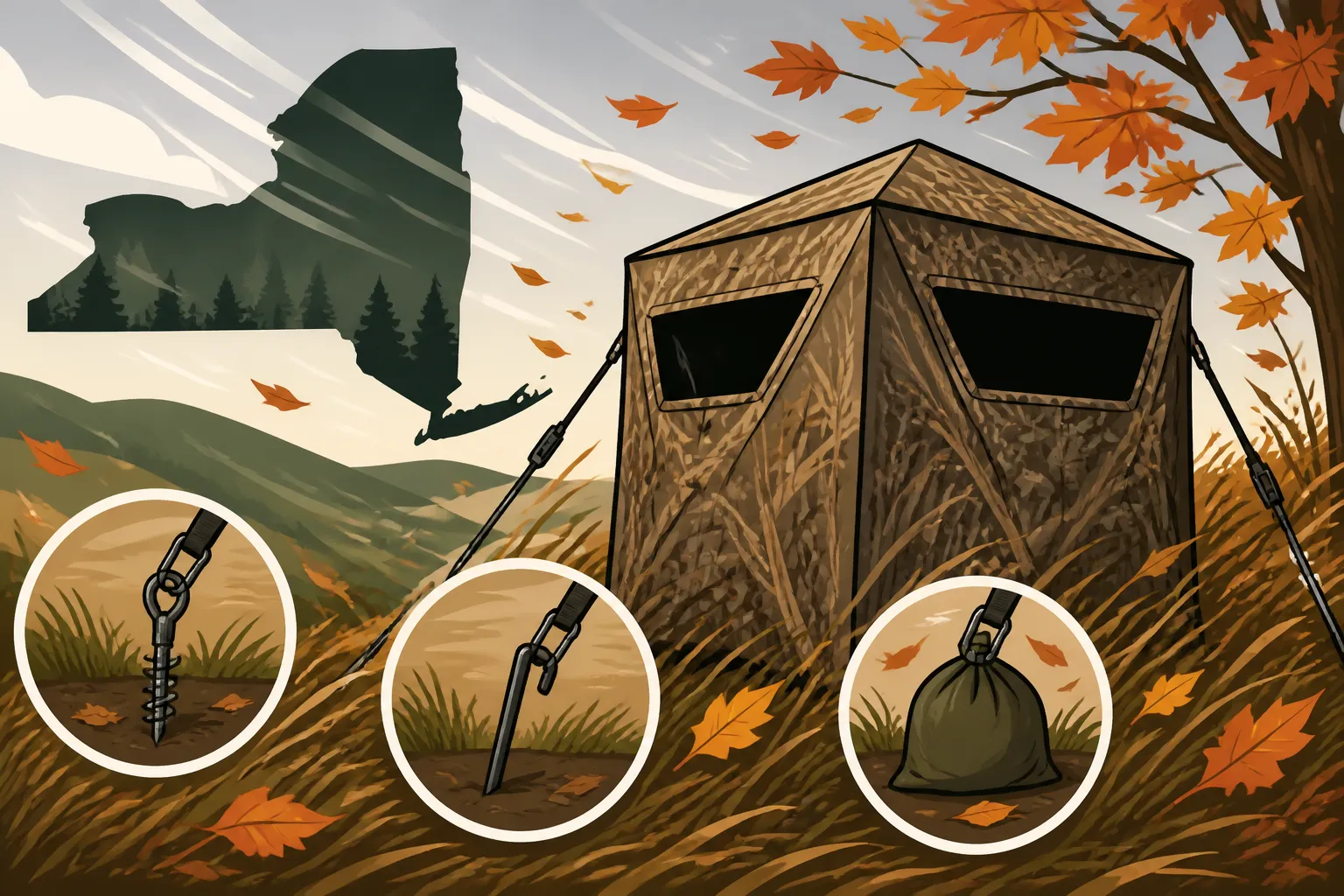
- Heavy-Duty Tent Stakes: Forget the thin metal ones. Look for robust, aluminum or steel stakes, sometimes called "screw-in" or "augur" stakes, especially those designed for camping in high winds or sandy soil. These bite much better into the ground. I personally carry at least four of these, one for each corner, and often eight if I plan to set up for an extended period or in a particularly exposed spot.
- Tie-Down Ropes/Cords: The loops on your blind are a good start, but often the ropes provided are too short or weak. Replace them with strong, thin cordage, like paracord. You'll want enough length to extend from the blind's corner loops to an anchor point in the ground at a good angle, usually about 45 degrees, and sometimes further out to an additional tree or heavy log if possible. This creates a broader base of support.
- Staking Technique: Don't just push stakes straight down. Angle them away from the blind (e.g., if the wind is coming from the west, angle the west stakes to the east). This creates more resistance against the pulling force. For even more security, run a short piece of paracord through the stake's eye and loop it around the corner hub of your blind, then use a taut-line hitch knot to adjust tension. This provides redundancy in case a loop on the blind itself fails.
Beyond the Basics: Adding Weight and Reinforcement
Sometimes stakes aren't enough, especially in truly gnarly weather or if your ground is too rocky or soft to hold stakes effectively. This is where adding weight and structural reinforcement comes in.
- Sandbags or Weight Bags: These are incredibly effective. You can buy empty ones and fill them with sand, gravel, or even rocks you find on site. Place a sandbag inside each corner of your blind, and if you have extra, one in the middle of each wall. This adds dead weight that the wind has to overcome. I’ve found that even small 10-15 lb bags per corner make a huge difference. You can also get "fillable" bags designed to wrap around the base of the blind's poles.
- Rebar or Large Spikes: In very firm or rocky soil where standard stakes won't penetrate, a short length of rebar (12-18 inches) driven into the ground with a small sledgehammer or heavy rock can provide incredible holding power. Just be mindful of underground utilities if you're on private land, though this is less of a concern on public hunting ground. Make sure to choose rebar with an eyelet or a bent top to attach your tie-down rope.
- T-Post Anchors: For semi-permanent setups or incredibly windy locations, T-posts (like those used for fencing) driven into the ground at each corner, then using heavy-duty bungee cords or ratchet straps to secure the blind frame to the posts, provides maximum stability. This is overkill for a weekend hunt but fantastic for a blind you plan to leave out for weeks in an area known for high winds, like certain exposed ridges in the Catskills or open agricultural fields in the Southern Tier. Just ensure you have landowner permission if on private ground, and check WMA rules if on public land.
Internal Linking Opportunity
For further details on setting up your blind effectively in different terrains, consider checking out Using a Ground Blind on New York Public Land and Brushing In a Blind on a Field Edge.
Advanced Tips for Extreme Weather and Long-Term Setups
If you're truly dedicated to keeping your blind locked down, especially in the more extreme conditions New York can dish out, there are a few more tricks up your sleeve. These are particularly valuable if you're planning to leave a blind out for the entire deer season or if you know a major storm is brewing.
Guy Lines and External Reinforcement
Think of your blind like a tent, but beefier. Guy lines are external ropes that extend from the blind's frame or exterior loops to anchor points further out. This creates a wider footprint of stability, distributing the forces of the wind over a larger area.
- Multiple Guy Lines: Instead of just one tie-down per corner, add two or three, fanning out in different directions. This creates a spiderweb effect that resists wind from multiple angles. You can tie these off to additional stakes, small trees, sturdy bushes, or even large rocks.
- Securing the Roof: The roof is often the first part to catch wind, especially on pop-up blinds. If your blind has a central hub, you can often run a rope directly over the top of the blind and secure it on two opposite sides to stakes or trees. This pulls the roof down and prevents it from bowing in or flapping aggressively. Be careful not to damage the material with excessive friction.
- Brush and Natural Camouflage: While its primary purpose is concealment, a thick layer of natural brush and branches strategically piled around the base and lower walls of your blind can also provide a surprising amount of wind resistance. It essentially acts as a windbreak, deflecting some of the force. Just make sure it's stable and won't blow away itself. This is especially useful in those situations where you’re trying to really disappear into the landscape while also providing extra anchor points.
Strategic Placement and Terrain Awareness
Sometimes, the best anchoring method starts before you even deploy your blind. Understanding how wind interacts with terrain in New York can significantly reduce the stress on your setup.
- Utilize Natural Windbreaks: If you can, position your blind on the leeward side (the side sheltered from the wind) of a dense thicket, a stand of evergreens, a large rock outcrop, or even a slight rise in the terrain. This natural barrier will break up the wind's force before it hits your blind. This is particularly effective in open areas like the Southern Tier farm country, where a hedgerow or small woodlot can make all the difference. Hunting Southern Tier Farmland Deer often involves utilizing these natural breaks.
- Avoid Exposed Ridges and Open Fields: While sometimes unavoidable for specific hunting strategies, be extra vigilant when setting up on the most exposed spots. The wind will always be stronger at the top of a Catskill ridge or in the middle of a vast Finger Lakes field. If you must hunt these areas, combine multiple anchoring methods and consider a more robust blind design. Using tools like GoHunt can help you assess terrain contours and identify potential wind corridors or sheltered spots before you even set foot on the ground.
- Consider Directional Setup: If prevailing winds are consistent (e.g., from the west), you can sometimes orient your blind to present the smallest profile to the strongest winds, or position it so the most robust side faces the brunt of the gust. You might have to compromise on your shooting lanes slightly, but a stable blind is always better than a blown-over one.
Common Mistakes and How to Avoid Them
Even with the best intentions, it's easy to overlook some details that can lead to a ground blind failure. Learning from common mistakes can save you a lot of headache and ensure your blind stays put.
Underestimating New York's Weather
This is perhaps the biggest mistake. We often look at the forecast for the day we plan to hunt, but what about the night before? Or two days later when we're not there? New York's weather systems can change rapidly, especially near the Great Lakes or in mountainous regions. A calm afternoon can turn into a violent squall overnight.
- The Fix: Always anchor for the worst-case scenario, not just the forecast. If your blind is going to be left unattended, assume it will face a strong storm. Use more stakes, stronger ropes, and consider adding weight even if the forecast looks mild. I’ve seen early snow squalls with significant wind flatten blinds that were only "lightly" anchored. When you're Cold-Weather Sitting Strategy in New York, you'll appreciate a blind that hasn't succumbed to the elements.
Ignoring the Type of Ground
Not all ground holds stakes equally well. What works in soft, loamy forest soil will fail miserably in sandy conditions or rocky hardpan.
- The Fix: Before you commit to a spot, test the ground. Try pushing a stake in. Does it go in easily but feel loose? That's a sign you need screw-in stakes or weight bags. Does it hit rock almost immediately? Then you'll need to look for natural anchors like roots or fallen logs, use rebar, or position your blind where you can tie off to a tree. On public land, especially in areas with high glacial till or exposed bedrock, getting stakes into the ground can be a real challenge. Carrying a small, folding shovel can help you dig out small depressions to bury the base of your blind or create anchor points.
Forgetting to Check and Maintain Your Setup
A blind isn't a "set it and forget it" item, especially if it's out for a while. Constant exposure to the elements and animal activity can weaken even the best anchoring jobs.
- The Fix: Periodically check your blind. Are the ropes still taut? Have any stakes pulled out a bit from ground softening (rain) or hardening (freezing)? Have animals chewed on your guy lines (it happens!)? Re-tension ropes, re-seat stakes, and replace any damaged components. If you're using ratchet straps, ensure they haven't loosened. This is especially important if you're leaving a blind out for a long stretch during, say, New York's Southern Zone Firearm Season. A quick check every few days or before each hunt can prevent a disaster.
Here’s a quick comparison of common anchoring methods to help you choose:
| Anchoring Method | Pros | Cons | Best Use Case |
|---|---|---|---|
| Basic Metal Stakes | Lightweight, easy to carry, often included | Flimsy, pull out easily, bend in hard ground | Calm weather, short hunts, soft ground |
| Screw-In Stakes | Excellent holding power, resists pulling out | Heavier, takes longer to install, not for rocky ground | Moderate to high winds, softer soil, extended setups |
| Sand/Weight Bags | Versatile, add significant dead weight, good for rocky ground | Bulky/heavy (if pre-filled), can be awkward to transport | Any conditions, especially rocky or soft ground, supplementing stakes |
| Guy Lines | Distributes stress, adds multi-directional stability | Requires more setup time, can create tripping hazards | Moderate to high winds, larger blinds, exposed locations |
| T-Posts/Rebar | Maximum stability, very strong | Heavy, requires tools to install, semi-permanent | Extreme winds, long-term setups, exposed farmland |
Ultimately, keeping your ground blind securely anchored in New York's ever-changing weather conditions comes down to preparation and using the right tools for the job. Don't let a gust of wind dictate your hunting success. Invest a little extra time and effort into your setup, and you'll enjoy a more reliable and enjoyable hunting experience.
Disclaimer
This article is for general informational purposes only and does not constitute professional advice. Laws, prices and regulations vary by location and change over time. Consult a qualified professional for guidance on your specific situation.