Thermal and Night Vision Rules in New York
It can be incredibly confusing to keep up with all the modern hunting technologies coming out these days, especially when you're trying to figure out what's actually legal here in New York. Hunters often wonder if those cutting-edge thermal and night vision devices are just for the movies, or if they have a place in our woods. This guide aims to clear up the muddy waters, explaining exactly where thermal and night vision equipment stands in New York's hunting regulations, so you can hunt confidently and lawfully.
Understanding New York's Core Regulations for Hunting
New York has a long history of hunting, and many of its laws were put in place well before advanced optics like thermal imaging or digital night vision even existed. This means that sometimes, new technologies can run up against old rules, creating a bit of a gray area or, more often, a clear prohibition. It’s crucial for every hunter to understand these foundational principles before even thinking about bringing high-tech vision aids into the field.
Why Clarity on Optics Matters
For most hunters, the concept of "fair chase" is paramount. It’s about giving the animal a reasonable chance and using your skills as a hunter, rather than relying on an overwhelming technological advantage. New York’s regulations are largely built around this idea, aiming to ensure that hunting remains challenging, ethical, and safe for everyone involved, including the wildlife. The use of certain technologies, particularly those that eliminate the natural advantage of darkness, can be seen as undermining these principles.
Think about it from a common sense perspective: if a deer or bear can't see you in the dark, but you can see them perfectly, that shifts the balance considerably. Lawmakers, and the hunting community at large, tend to be wary of anything that could lead to widespread unethical practices or public backlash against hunting. So, while the allure of seeing in the dark is strong, the regulations prioritize maintaining a certain standard of sport. It's not about stifling innovation, but about preserving the integrity of the hunt. Many hunters, myself included, might be tempted by the idea of new gear, but we also recognize the importance of rules that protect the sport we love.
The General Prohibition on Artificial Lights and Vision Aids for Deer and Bear
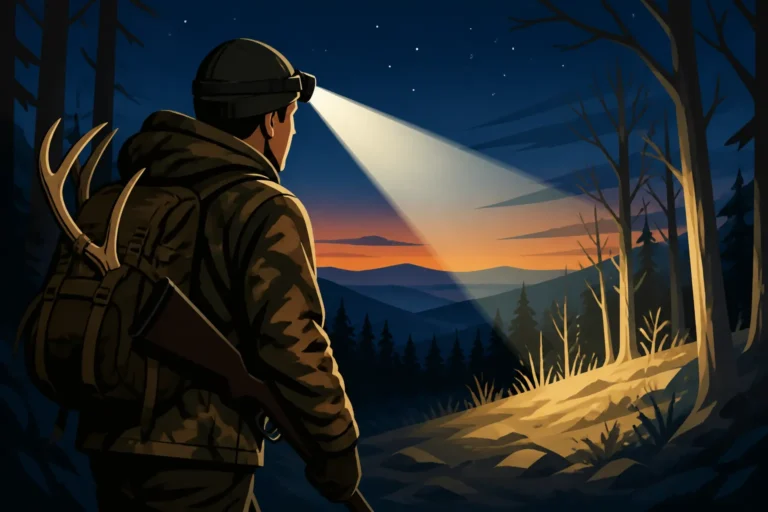
Let's cut right to the chase: New York State has a very clear stance on using artificial lights or vision-enhancing devices to locate or take big game, which includes deer and bear. The core rule states that it is illegal to use any artificial light, or any device that casts a beam of light (like a spotlight or headlamp), while hunting big game. This prohibition also extends to night vision and thermal imaging devices when you're pursuing deer or bear.
This isn't just about shining a flashlight. The law is designed to prevent any kind of unfair advantage that allows a hunter to see big game in conditions where the animal would normally be hidden by darkness. So, whether it's an old-school spotlight or a modern thermal scanner, if you're out there specifically hunting deer or bear, these devices are off-limits. The reasoning is sound: big game animals rely heavily on the cover of night or low light to move, feed, and feel secure. Using technology to strip away that natural defense is seen as directly violating the spirit of fair chase. The penalties for violating these rules can be pretty severe, including significant fines and the loss of hunting privileges, which is a headache no one wants to deal with.
Specific Rules for Thermal and Night Vision by Game Species
The legal landscape for thermal and night vision equipment in New York isn't a blanket "yes" or "no" for all hunting scenarios. It really boils down to what you're hunting. This distinction is absolutely critical, as misinterpreting the rules can land you in serious trouble.
Deer and Bear: A Clear No-Go
For white-tailed deer and black bear, the answer regarding thermal and night vision is an unequivocal no. You absolutely cannot use these devices to hunt, locate, or even assist in the taking of deer or bear in New York. This prohibition is deeply ingrained in the state's hunting ethics and regulations, emphasizing fair chase principles. The intent is to ensure that big game hunting remains a challenge, relying on a hunter's skill, scouting, and understanding of animal behavior, not on technological superiority that eliminates the cover of darkness.
Imagine you're out late-season deer hunting in the Southern Zone, maybe even during New York's Southern Zone Firearm Season. You've put in your time, scouted your stand, and now it's getting dark. The temptation to reach for a thermal monocular to "just check" if anything is moving across the field might be there, but resist it. Even using it to confirm a deer's presence, without ever raising your rifle, could be construed as aiding in the hunt. The simple fact is, if you're hunting deer or bear, these devices should not be part of your gear in the field. Leave them at home, or better yet, don't even have them in your possession while actively hunting these species to avoid any potential misunderstanding with a Conservation Officer. The rules are in place to prevent scenarios where technology completely removes the animal's natural advantage under low-light conditions.
Coyotes and Other Predators: Where It Gets Interesting
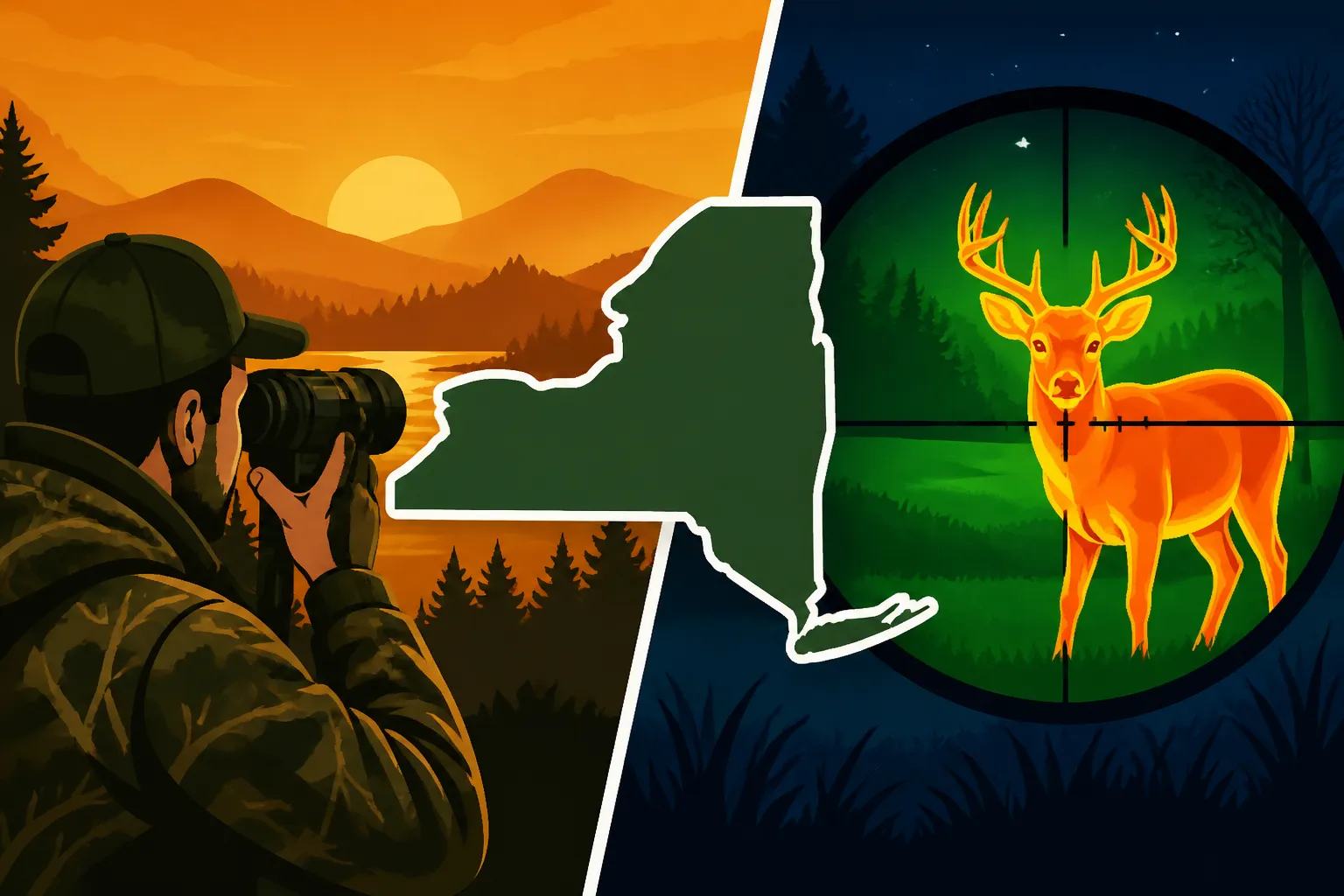
Now, here's where things get much more nuanced and, for many hunters, exciting. While strictly prohibited for big game, New York State does allow the use of night vision and thermal imaging devices for hunting coyotes, but with very specific conditions and requirements. This is a relatively newer development, recognizing the management needs for coyote populations and the role hunters play in that.
To legally use night vision or thermal equipment for coyote hunting, you must possess a valid New York State hunting license and an additional permit specifically for the use of Night Vision Devices (NVD) or Thermal Imaging Devices (TID) while hunting coyotes. This isn't something you can just decide to do on a whim. The permit is critical. Once you have that permit, you can legally pursue coyotes with these tools during their open season, including during the nighttime hours when they are most active. This opens up a whole new world for predator hunters, allowing them to effectively target these elusive animals after dark. You'll want to review the full details on New York Coyote Hunting Season Rules to ensure you're compliant with all aspects of the hunt. Many hunters rely on resources like GoHunt to stay on top of these nuanced regulations, as they can sometimes change or be interpreted differently. Just make sure you're always checking the official DEC resources as well.
This allowance for coyotes is a testament to the recognition that coyotes are often most active and vulnerable to hunting efforts at night, and that managing their populations can benefit other game species. It's important to remember that this permit is only for coyotes. You cannot, under any circumstances, use it as a loophole to hunt other species at night or with these devices. Focus on your coyote hunt, apply for the proper permit, and enjoy the unique challenge. When planning your pursuit of these clever canids, especially if you're interested in Coyote Calling in a New York Winter, having this permit can greatly enhance your success and safety in the darkness.
Small Game, Waterfowl, and Furbearers: Limited or No Use
Beyond big game and coyotes, the use of thermal and night vision for other species is either largely irrelevant or specifically prohibited. For most small game like squirrels, rabbits, or grouse, hunting typically occurs during daylight hours, and these devices offer no practical advantage. There's no specific permit or allowance for them in this context, and given their nature, they simply don't fit into how these species are traditionally hunted.
When it comes to migratory birds, including waterfowl, the rules are even more stringent due to federal regulations. The use of artificial light or night vision devices to hunt migratory game birds is strictly prohibited under federal law, which New York adheres to. This means if you're out hunting ducks on Hunting the Lake Champlain Marshes or geese in a cut cornfield, leave any thermal or night vision gear behind. Federal regulations around migratory birds are very clear and tend to be quite restrictive to ensure sustainable populations across state lines. For furbearers like fox or bobcat (which are distinct from coyotes in the regulations for these devices), the same general rule applies as big game – no artificial light or night vision/thermal for hunting them. Trapping furbearers is a different activity with its own set of rules, and while you might use a headlamp for checking traps in the dark, that's not "hunting" with a vision-enhancing device in the same context. Always double-check the specific regulations for the furbearer you're pursuing in the official New York hunting guide.
The Nuances of Possession and Intent
Understanding the letter of the law is one thing, but dealing with the practicalities of hunting in the field, where interpretation can sometimes come into play, is another. The difference between merely possessing a device and actively using it, and the concept of intent, are crucial for New York hunters to grasp, especially with advanced optics.
Carrying Versus Actively Using
This is often where hunters get tripped up. The law generally prohibits the use of night vision and thermal imaging for big game. But what if you're simply carrying one in your pack, perhaps thinking you'll only use it for coyotes later, or just for scouting? This is a gray area you really want to avoid. While merely possessing an illegal item (without intent to use) might seem less serious, a Conservation Officer seeing you with a thermal scope mounted on your deer rifle, or even a thermal monocular in your pocket while actively deer hunting, could easily interpret that as intent to use.
The best practice, unequivocally, is this: if you are hunting deer or bear, leave your thermal and night vision devices at home. Do not bring them into the field with you. Period. If you are specifically targeting coyotes and have your special NVD/TID permit, then it's a different story, but even then, ensure your setup is clearly for coyote hunting. For instance, if you're carrying a rifle capable of taking deer and a thermal scope, an officer might inquire about your primary intent. It’s always better to be beyond reproach than to have to explain your intentions under scrutiny. This vigilance extends to things like New York Legal Shooting Hours; using these devices outside of legal hours, even if just "scouting," can quickly lead to misunderstandings.
The Night Vision/Thermal Hunting Permit for Coyotes
As mentioned earlier, the permit for using night vision or thermal imaging devices for hunting coyotes is not just a suggestion; it's a legal requirement. This permit is issued by the DEC and signifies that you've acknowledged and agreed to abide by the specific rules governing these devices for coyote hunting. It's an additional step beyond your standard hunting license, akin to needing a bowhunting privilege or a muzzleloader privilege for those respective seasons.
When you apply for this permit, you're essentially telling the state that you understand the conditions: that these devices are only for coyotes, and that you will not use them for other game, particularly big game. The permit might outline specific times or areas where use is restricted, although generally, coyote hunting with these devices can extend into nighttime hours. Always carry your physical permit, along with your hunting license, whenever you're out pursuing coyotes with night vision or thermal. Failure to produce it is the same as not having it at all, and it will result in a citation. Make sure you understand all the specifics of New York Coyote Hunting Season Rules before heading out.
Legal Shooting Hours and Equipment Checks
Another critical point is how night vision and thermal devices intersect with legal shooting hours. For most game, hunting is only permitted from sunrise to sunset. However, the special permit for coyotes specifically allows for hunting them with these devices during nighttime hours. This is why having the permit is so important – it’s what legalizes an activity that would otherwise be a clear violation of general hunting regulations.
Conservation Officers are trained to spot deviations from standard hunting practices. They have the authority to check your hunting license, permits, and equipment at any time while you are in the field. If you're found with thermal or night vision equipment without the proper coyote permit, or using it in a manner inconsistent with the regulations (e.g., trying to locate deer at night), you will face consequences. They are looking to ensure compliance and prevent poaching or unethical hunting practices. Being knowledgeable and upfront about your intentions and equipment, and always ensuring you have the correct documentation, is your best defense. Don't be that hunter who thought they could skirt the rules; the cost is simply not worth it.
Practical Considerations and Ethical Hunting
Beyond the letter of the law, there's the spirit of hunting that many of us cherish. Ethics, conservation, and public perception are all intertwined with how we use technology in the field. It's not just about what you can do, but what you should do to maintain the integrity of our sport.
Why the Rules Exist: Fair Chase and Conservation
The rules prohibiting thermal and night vision for big game, and the strict permitting for coyotes, aren't just arbitrary lines drawn in the sand. They are deeply rooted in the principles of fair chase and conservation. Fair chase ensures that the hunt remains a true sporting endeavor, where the hunter's skill is tested against the animal's natural instincts and defenses. Removing the cover of darkness with advanced optics would fundamentally alter this balance, making big game overly vulnerable and diminishing the challenge.
From a conservation standpoint, unrestricted use of such powerful tools could lead to overharvesting or targeting animals in ways that aren't sustainable for the population. While New York has robust deer and bear populations, these regulations help manage that success responsibly. For coyotes, where population control is often a management objective, the allowance for night vision is a pragmatic approach, recognizing the specific challenges of hunting these animals. Hunters often share the same ethical considerations as the DEC, understanding that long-term sustainability and public acceptance of hunting depend on responsible practices. Our collective reputation as hunters is a precious thing, and adhering to these rules helps protect it.
Staying Informed with GoHunt and Official Resources
Hunting regulations, especially concerning technology, are not static. They can change over time as new devices emerge, as wildlife populations shift, or as public sentiment evolves. It is every hunter's responsibility to stay informed and up-to-date with the current laws. Relying on outdated information or what "a buddy told you" is a recipe for trouble.
While resources like GoHunt can provide valuable insights and tools for planning your hunts, including mapping and species-specific information, the ultimate and most authoritative source for New York hunting regulations will always be the official New York State Department of Environmental Conservation (DEC) hunting and trapping regulations guide. You can find this online, typically on the DEC website, or pick up a physical copy wherever hunting licenses are sold. Make it a habit to review these regulations annually, especially before any season opens. These guides cover everything from New York Deer Seasons by Zone to New York Bear Season by Zone and any specific rules for predator hunting. Many online platforms like GoHunt do a great job of presenting this information clearly and can be a fantastic supplement, but always cross-reference with the official DEC documents. Additionally, the Scouting With the New York HuntFishNY App can be a great resource for general hunting information, but specific legal interpretations should always come directly from the DEC.
Summary of Thermal and Night Vision Legality in New York
To give you a quick overview of what's allowed and what's not, here's a table summarizing the use of thermal and night vision for different game categories in New York:
| Game Category | Thermal/Night Vision Use | Required Permit (Beyond License) | Notes |
|---|---|---|---|
| Deer | Illegal | None | Prohibited for hunting, locating, or assisting in taking. |
| Bear | Illegal | None | Prohibited for hunting, locating, or assisting in taking. |
| Coyotes | Legal (with permit) | NVD/TID Permit for Coyotes | Specific permit required. Use legal during open coyote seasons, including at night. |
| Fox, Bobcat | Illegal | None | Prohibited for hunting. Trapping rules differ. |
| Small Game | Generally Not Applicable | None | Most hunting is daylight. No specific allowance or prohibition, but generally not used. |
| Migratory Birds | Illegal | None | Prohibited by federal law for waterfowl, doves, etc. |
| Furbearers (Trapping) | Not for Hunting | None (Trapping License) | Only for trapping activities, not direct hunting with these devices. |
This table should make it clear that while some opportunities exist for advanced optics, especially for Predator and Furbearer Hunting in New York, the restrictions for big game are absolute. Always err on the side of caution and ensure you have all necessary permits before heading into the field with thermal or night vision equipment.
Disclaimer
This article is for general informational purposes only and does not constitute professional advice. Laws, prices and regulations vary by location and change over time. Consult a qualified professional for guidance on your specific situation.