Frame Packs for Boning Out a Deer
You've just made that shot count, the deer is down, and now comes the truly hard part: getting all that precious venison out of the remote New York backcountry. Forget those YouTube videos of hunters dragging deer out easily from flat farmland; in the Catskills, the Adirondacks, or even some of the more rugged State Forests in the Southern Tier, dragging a whole deer out is often a monumental, if not impossible, task. This guide is all about how a frame pack becomes your absolute best friend when you need to bone out a deer in the field and pack it out efficiently, saving your back and preserving your meat.
Why a Frame Pack is Essential for Boning Out a Deer
When you’re deep in the woods, far from any ATV trail or road, the thought of trying to drag a whole deer back to your vehicle can be daunting. The terrain in New York is often unforgiving – steep ravines, tangled blowdowns, swampy lowlands, and rock-strewn hillsides. Boning out a deer in the field and packing it out in pieces with a dedicated frame pack isn't just a convenience; it's often the only practical way to ensure you get your harvest home. This method not only lightens the load per trip but also allows you to navigate challenging terrain much more effectively.
The Reality of Remote New York Backcountry
Imagine you've punched your tag on a respectable buck in the vastness of the Adirondack Forest Preserve, perhaps a few miles in from the nearest dirt road. The exhilaration of the hunt quickly gives way to the logistical challenge of extraction. A whole deer, especially a mature New York buck, can weigh upwards of 150-200 pounds dressed, and trying to muscle that through thick brush, over downed trees, and up a steep incline is a recipe for exhaustion, injury, and potentially, ruined meat. The reality is, most of us don't have a team of Sherpas or a four-wheeler waiting a quarter-mile away. We're often alone or with one partner, and the distance can feel endless.
Think about those long walks back after a successful hunt where you're already tired. Adding another 150 pounds of dead weight that snags on every branch, fills with mud, and tears up your boots is simply not sustainable. Moreover, in warmer early season conditions, getting that carcass opened up and the meat cooling as quickly as possible is paramount. Boning it out in the field allows for rapid cooling of the individual meat quarters, a huge advantage over trying to drag a whole, intact carcass for hours. It’s a smart, efficient, and ethical approach to harvesting game in challenging environments, aligning perfectly with the ethos of responsible hunting in wild places like the Catskills.
Beyond the Drag: Efficiency and Preservation
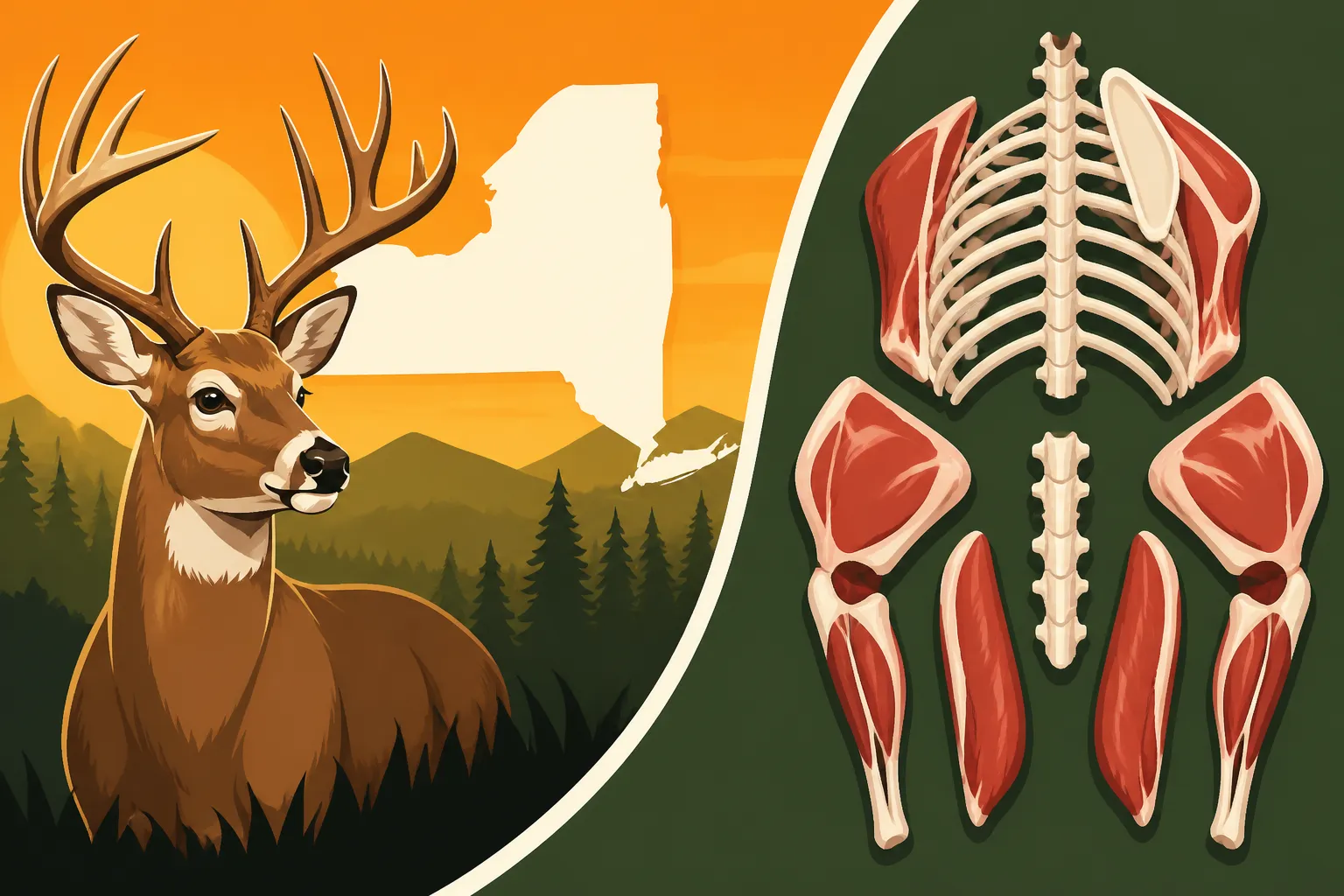
The traditional "drag it out" method often means taking multiple breaks, struggling with obstacles, and ultimately, a much longer time to get the animal back. During this prolonged period, especially if temperatures aren't near freezing, the quality of your meat can suffer significantly. Bacteria begin to grow, and if the meat doesn't cool quickly enough, you risk spoilage. Boning a deer out into quarters, backstraps, and tenderloins allows you to distribute the weight across multiple trips or among hunting partners, significantly reducing the physical strain.
With a good frame pack, you can carry a substantial amount of meat – often a full deer in one or two trips, depending on the size of the animal and your physical condition. This efficiency means less time struggling and more time getting that valuable protein into your cooler and ultimately, your freezer. It’s about being prepared for the inevitable reality of a successful hunt in remote areas. A well-chosen frame pack, paired with proper Field Dressing a Deer in Cold Weather or warmer conditions, ensures you’re making the most of your harvest and respecting the animal by preserving its meat properly.
Key Features to Look for in a New York Frame Pack
Choosing the right frame pack isn't just about picking one off the shelf; it's about understanding the specific demands of hunting in New York. You need a pack that can handle heavy, awkward loads, endure harsh weather, and stand up to the abuse of thick brush and rocky terrain. Investing in quality here pays dividends in comfort, durability, and ultimately, your success in getting meat off the mountain.
Frame Design and Weight Distribution
The core of any good pack for hauling heavy loads is its frame. There are generally two types: internal and external.
- External Frame Packs: These packs feature a rigid, often aluminum, frame that is visible on the outside. This design typically excels at carrying very heavy, bulky, or irregular loads, like boned-out deer quarters or even camp gear for extended trips. The external frame helps distribute weight more effectively to your hips, taking the strain off your shoulders. They also often allow for better ventilation between your back and the pack, which is a blessing on those warmer early season days or during strenuous climbs. Many serious backcountry hunters favor external frames for their meat-hauling capabilities. They often come with a dedicated "meat shelf" or lashing system to secure quarters directly to the frame, keeping the blood and mess outside of your main gear compartment.
- Internal Frame Packs: While traditionally less suited for extreme heavy hauling than external frames, modern internal frame packs have come a long way. They use internal stays (often aluminum or carbon fiber) to provide rigidity and help transfer weight to the hips. They tend to hug the body more closely, offering better balance and maneuverability in tight spots, which can be advantageous when Still-Hunting Catskill Ridges or pushing through dense Adirondack blowdowns. If you opt for an internal frame, ensure it's designed for heavy loads (often 70+ pounds) and has a robust hip belt and suspension system.
Regardless of the type, the key is proper weight distribution. A well-designed frame pack will transfer the majority of the load (around 60-80%) to your hips, allowing your stronger leg muscles to bear the burden rather than your shoulders and back. Look for adjustable torso lengths and hip belts that can be customized to your body for optimal comfort and load transfer. Some brands, like those often reviewed on platforms like GoHunt, offer modular systems where the frame and bag can be separated, allowing you to use just the frame for heavy meat hauling and attach different size bags for other trips.
Capacity, Compression, and External Carry
When boning out a deer, you're looking at significant volume, especially if you're carrying out an entire animal. A pack with a main compartment capacity of at least 3,500 to 5,000 cubic inches is often recommended for multi-day hunts where you might also carry camp gear. However, for dedicated meat hauling, the external carry capabilities are just as, if not more, important.
Look for a pack with robust compression straps and a dedicated "meat shelf" or load shelf system. This feature allows you to sandwich the boned-out meat (typically in game bags) between the frame and the main pack bag, or directly against the frame itself. This keeps the bloody, potentially messy meat separate from your dry clothing, optics, and other gear in the main compartment. Strong, durable buckles and straps are crucial here – flimsy plastic will crack under the strain of 80+ pounds of venison. You'll also want to consider how easily the pack can cinch down or expand. When you start your hunt, it might be relatively empty, but on the way out, it will be fully loaded, and you need to be able to compress everything tightly so it doesn't shift around while you're navigating rough terrain.
Durability and Weather Resistance
New York weather can be notoriously unpredictable. One minute it's crisp and clear, the next you're caught in a sudden downpour or a wet snow squall. Your frame pack needs to be built to withstand this. Look for packs made from heavy-duty, abrasion-resistant fabrics like Cordura nylon (500D or higher is good). Reinforced stitching at all stress points, especially where the frame connects to the straps and hip belt, is non-negotiable.
Water resistance is also a critical factor. While no fabric is truly 100% waterproof without a coating, look for materials with a DWR (Durable Water Repellent) finish. Better yet, many quality packs include an integrated rain cover, or you can purchase one separately. This is essential for protecting your gear, but also for keeping blood off the pack in transit, making cleanup easier. Think about the zippers too; YKK zippers are generally considered the gold standard for durability and smooth operation, even when dirty or wet. Having a pack that can shed water and resist punctures from branches or sharp bone fragments means your investment will last for many seasons to come.
Packing and Carrying Your Boned-Out Load
Successfully packing out a boned-out deer is an art form that blends efficiency with ergonomics. It’s not just about stuffing meat into a bag; it’s about strategic loading and proper adjustment to make the arduous journey as comfortable and safe as possible. Done incorrectly, you risk injury, discomfort, and potentially even losing parts of your precious harvest.
The Art of Loading Meat
Once your deer is boned out into quarters, backstraps, and tenderloins, the next critical step is to place the meat into breathable game bags. These bags protect the meat from dirt, flies, and debris while allowing air circulation to aid in cooling. Never, ever, put meat directly into your pack's main compartment without bags, and ideally, not even directly into the main compartment at all.
For most frame packs designed for meat hauling, the strategy involves using the external load shelf. You'll typically open up the main pack bag (if it's a modular system or has a large opening), place the bagged meat quarters directly onto the load shelf, against the frame. Start with the heaviest, densest pieces closest to your back and high up, between your shoulder blades. This keeps the center of gravity high and tight to your body, which is crucial for stability when climbing or descending. Distribute the remaining quarters and other cuts evenly. Once the meat is positioned, cinch down all the external compression straps tightly. This is where those strong buckles and webbing become invaluable. The goal is to make the meat an integral part of the pack, not a floppy, shifting burden. A pack that moves independently of your body will throw you off balance and wear you out quickly, especially on uneven ground like what you'd find when Dragging a Deer Off a Catskill Ridge.
Adjusting for Comfort on the Trail
Even the best pack, loaded perfectly, will feel terrible if it's not adjusted correctly for your body. Before you even put a heavy load in it, make sure your pack is properly fitted for your torso length. Most quality frame packs have adjustable shoulder straps that allow you to fine-tune where the pack rides on your back.
The hip belt is your best friend when carrying heavy loads. It should sit comfortably on your iliac crest (the top of your hip bones), bearing the majority of the weight. Cinch it down firmly – it should feel snug, not painfully tight. The shoulder straps should mainly serve to keep the top of the pack close to your body and prevent it from pulling backward, not to bear significant weight. Load lifter straps, which connect the top of the shoulder straps to the top of the pack, allow you to pull the pack closer to your back and adjust the angle, providing relief to your shoulders. The sternum strap helps keep the shoulder straps from sliding off and further stabilizes the load. Take your time adjusting these straps before you start moving. A minute spent adjusting at the outset can save you hours of discomfort and fatigue later.
Navigating New York's Diverse Terrain
New York offers a huge variety of hunting landscapes, from the steep, rocky slopes of the Catskills to the dense, wet forests of the Tug Hill Plateau, and the mixed farmlands of the Southern Tier. Your frame pack, properly loaded, needs to handle it all. When climbing steep inclines, lean slightly forward, using your leg muscles and strong core to power through. The hip belt should be doing most of the work. On descents, you might need to loosen the load lifters slightly to allow the pack to shift a bit lower, preventing it from pushing you forward.
In thick brush or tangled blowdowns, an external frame might catch more, but its ability to keep the load stable and centered often outweighs this. Take smaller steps, use trekking poles for balance, and be mindful of where your load is. If you're traversing a tricky sidehill, keep your body angled slightly uphill, and again, rely on your core strength to maintain balance. Remember that a heavy pack changes your center of gravity, so move deliberately. Don't be afraid to take frequent, short breaks. Hydrate, snack, and allow your muscles to recover. This isn't a race; it's a marathon, and getting yourself and your meat out safely is the ultimate goal. For long walks over varied terrain, especially if you're alone, consider if a Packs for a Backcountry Adirondack Hunt is specifically designed to handle the multi-day grind.
Maintenance and Longevity of Your Frame Pack
A good frame pack is an investment, often costing a fair bit more than a standard daypack. To ensure it serves you reliably for many seasons of New York hunting, proper care and maintenance are crucial. Especially after carrying meat, meticulous cleaning and sensible storage will prevent degradation and ensure it’s ready for your next adventure.
Cleaning After a Bloody Job
This is perhaps the most critical step after a successful pack-out. Raw meat, blood, and grime can attract pests, create unpleasant odors, and degrade the fabric and components of your pack over time. As soon as you’ve unloaded the meat, it’s time to clean the pack.
Start by removing any visible debris. If your pack has a modular design where the bag separates from the frame, do so. Use a stiff brush to get off any caked-on mud or dirt. For blood, it’s best to use cold water. Hot water can "set" bloodstains, making them much harder to remove. A gentle soap, like dish soap or a specialized outdoor gear cleaner, can be used for scrubbing. Pay particular attention to the load shelf, compression straps, and any areas that came into direct contact with the meat. Use a sponge or rag to thoroughly wipe down all surfaces. Don't forget the buckles and zippers; grit can accumulate here and cause premature wear. Rinse the pack thoroughly with cold water to remove all soap residue. Hang the pack upside down in a well-ventilated area, out of direct sunlight, to air dry completely. Ensuring it's absolutely dry is vital to prevent mold and mildew growth. This fastidious cleaning is key to keeping your pack scent-free and extending its lifespan.
Storage and Pre-Season Prep
Once your pack is completely clean and dry, proper storage is essential. Store it in a cool, dry place away from direct sunlight, which can degrade fabrics over time. Avoid storing it in places where rodents or insects might get to it, especially if there's any residual scent. Hanging it in a closet or on a large hook is usually ideal. Make sure all straps are unbuckled and loosened to prevent unnecessary tension or deformation over prolonged periods.
Before each hunting season, or any major trip, take the time for a "pre-flight" check. Inspect all buckles for cracks or damage. Check all webbing and straps for fraying. Look at the stitching, especially around stress points like the hip belt and shoulder strap attachments. Test all zippers for smooth operation. If your pack has an internal or external frame, ensure all frame components are secure and free of bends or breaks. This is also a good time to re-apply any DWR treatment if the fabric seems to be absorbing water rather than beading it up. By giving your pack this routine attention, you can catch small issues before they become catastrophic failures in the field, ensuring your pack is always ready for whatever the New York woods throw at you. After all, you don't want a busted buckle or torn strap when you're loaded down and miles from the truck, perhaps having just followed Blood Trailing After Dark in New York to your trophy.
| Feature | Internal Frame Pack Advantages | External Frame Pack Advantages |
|---|---|---|
| Weight Distribution | Hugs body, better balance for technical terrain | Excellent for heavy, awkward loads, superior hip transfer |
| Capacity | Good for general backpacking, often smaller loads | Often higher capacity, especially for bulky items |
| Comfort | Conforms to back, less sway | Better ventilation, good for hot weather |
| Meat Hauling | Modern designs can work, often less direct | Dedicated meat shelves, keeps meat off main bag |
| Durability | Good, depends on fabric | Frame less susceptible to fabric tears from cargo |
| Maneuverability | Agile in tight spaces and dense cover | Can be wider, may snag more in thick brush |
| Adjustability | Often highly adjustable torso and suspension | Typically very adjustable for varying loads and body types |
Disclaimer
This article is for general informational purposes only and does not constitute professional advice. Laws, prices and regulations vary by location and change over time. Consult a qualified professional for guidance on your specific situation.