Game Bags for Warm October Days
There's nothing quite like the crisp air of an October morning in the New York woods. You've been up before dawn, slipped into your stand, and with a bit of luck and skill, you've punched your tag on a beautiful whitetail. But then, as the sun climbs higher, that crisp air starts to warm up, and suddenly, you're faced with a new challenge: how do you get that hard-earned venison from the woods to your freezer without it spoiling? This guide is all about navigating those warm October days, focusing on the essential role of quality game bags and best practices to protect your harvest.
Understanding the Urgency: Why Warm October Days Threaten Your Hard-Earned Venison
Harvesting a deer is only half the battle; the real work begins when it comes to preserving that valuable meat. For those of us hunting New York's archery season, especially in the early and middle parts of October, we often deal with days that can feel more like late summer than mid-fall. This warmth creates a race against time, and understanding why is crucial for every responsible hunter.
The Science of Spoilage: Bacteria and Temperature
The primary enemy of fresh game meat is bacteria. These microscopic organisms are always present, both on the animal's hide and within its gut, and they thrive in warm, moist environments. Once an animal is down, its internal body temperature, which is naturally warm, provides the perfect incubator for these bacteria to multiply rapidly. This process of decomposition begins almost immediately after death. If the meat is not cooled quickly and adequately, bacterial growth leads to spoilage, resulting in off-flavors, odors, and eventually, rendering the meat unfit for consumption. Even a slight increase in ambient temperature can significantly accelerate this process, turning a successful hunt into a heartbreaking loss.
New York's October Reality: Sunshine and Sweat
Think about a typical October day in the Southern Zone. You might start in a jacket, but by midday, you're sweating in just a flannel, or even a t-shirt. Temperatures can easily climb into the 60s, or even the low 70s, especially on a sunny afternoon with no breeze. This isn't just uncomfortable for you; it's a critical factor for your deer. When you drop a deer at 10 AM on a 65-degree day, that carcass is going to retain its body heat for a long time, and the ambient temperature won't help it cool down. We often find ourselves in situations where a deer might fall far from a road or vehicle access, leading to a significant amount of time spent field dressing, retrieving, and transporting the animal. Every minute counts when the mercury is climbing.
The "What If": Scenarios of a Spoiled Harvest
Imagine spending countless hours scouting, preparing your gear, putting in your time in the stand, and finally making that perfect shot. You've New York Southern Zone Archery Dates marked on your calendar for months. You field dress the deer efficiently, but then it takes two hours to drag it out on a warm, humid afternoon. By the time you get it back to camp, the meat, particularly the tenderloins and backstraps, feels warm to the touch. You might think, "It'll be fine," but sometimes, by the time you're butchering it, you notice a greenish tinge, a slightly sour smell, or a slimy texture on some surfaces. This is a common and disheartening scenario for hunters who underestimate the impact of warm weather. Losing even a portion of your hard-earned venison to spoilage feels like a punch to the gut, making all that effort seem in vain. It's a risk no hunter wants to take, especially given the rising cost of licenses and gear.
The Essential Arsenal: What Makes a Great Game Bag
With the threat of spoilage firmly in mind, let's talk about your first line of defense: game bags. These aren't just glorified trash bags; they are purpose-built tools designed to protect your meat and facilitate cooling. Choosing the right game bag can make all the difference between prime venison and questionable cuts.
Material Matters: Breathability and Strength
The material of your game bag is paramount. You want something that allows the meat to "breathe" while keeping flies, dirt, and debris out. Traditional canvas or cotton bags are great for breathability and can be very durable, but they can also be heavy, especially when wet, and absorb blood. Modern synthetic materials, often a blend of polyester or nylon, offer an excellent balance. They are typically lighter, incredibly strong, resist tears from sharp bone fragments, and are much easier to wash and reuse. The key is a tight weave that repels insects but still permits airflow. Avoid anything that is completely airtight, as this will trap heat and moisture, accelerating spoilage. A good bag will feel robust in your hands, not flimsy, ready to hold the weight of a quarter or a whole animal.
Size and Portability: Matching the Bag to the Beast
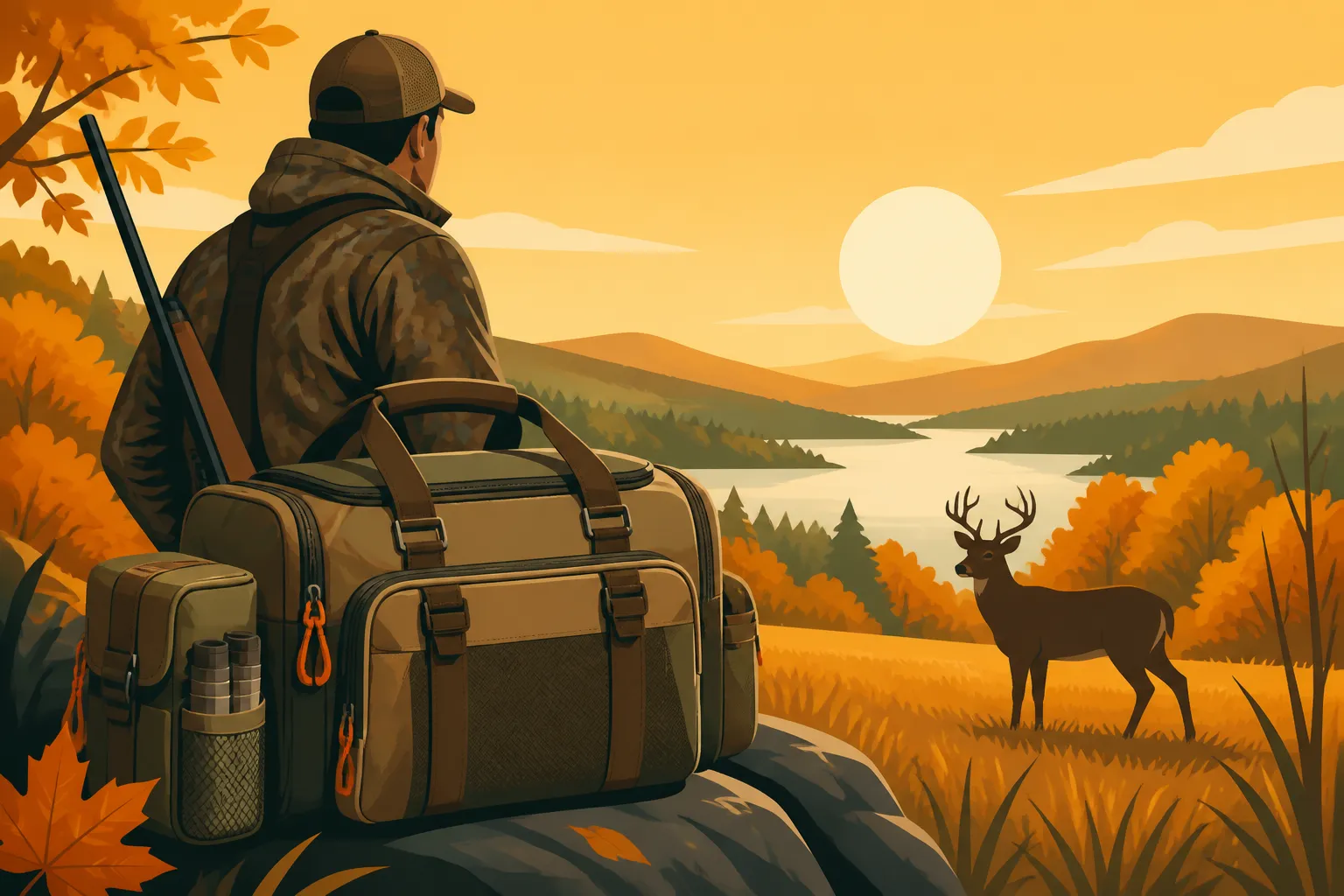
Game bags come in various sizes, from small bags designed for individual quarters or backstraps to massive ones capable of holding an entire boned-out deer or even larger game. For a New York whitetail, you'll want a set that can accommodate either the whole animal (if you're able to transport it quickly) or, more commonly, individual quarters. Many hunters prefer to quarter a deer in the field, especially when dealing with a long drag or warm temperatures. A good set will typically include four quarter-sized bags, a separate bag for the backstraps and tenderloins, and maybe one for the head and cape if you're planning a mount. Portability is also key; the best game bags will pack down small and light, easily fitting into your hunting pack, ready when you need them. Think about how much you already carry in your Packs for a Day on Public Land; you don't want your game bags to add significant bulk.
Beyond the Basic: Features That Make a Difference
While basic function is crucial, some game bags offer features that enhance their utility. Drawstrings or roll-top closures ensure a tight seal against insects. Loops or ties can be incredibly handy for hanging quarters from a tree branch to promote airflow. Some bags are even designed with reinforced seams or double-stitched bottoms to handle the immense weight and stress of a heavy quarter. Look for bags that are bright white or a light color; this helps reflect sunlight, keeping the meat a bit cooler. Some high-end options even incorporate reflective strips or unique antimicrobial treatments into the fabric to further inhibit bacterial growth, giving you an extra edge on those unexpectedly hot days.
Choosing Your Game Bag Strategy: Options for Every Hunter and Situation
Just as there are different ways to hunt, there are different game bag strategies to fit your style and the conditions you face. Understanding the pros and cons of each type will help you make an informed decision for your next New York hunt.
Lightweight Synthetic Bags: The Backpack Hunter's Friend
These are perhaps the most popular choice for modern hunters, and for good reason. Made from durable, breathable synthetic fabrics like polyester or nylon blends, they are incredibly light, pack down to almost nothing, and are surprisingly strong. They excel when you're deep in the backcountry, perhaps miles from the nearest road, and every ounce in your pack matters. If you're planning to debone your deer or quarter it in the field to pack out over a long distance – maybe scouting out public land routes using a mapping platform like GoHunt – these bags are invaluable. They keep flies off, allow air circulation, and protect the meat from dirt and debris without adding significant weight to your load. They're also usually reusable, washing up easily for next season.
You'll find these in various sizes, often sold in sets, providing enough bags for an entire deer, separated into quarters, backstraps, and even smaller trimmings. Because they are so lightweight, you can carry them easily on every hunt, ensuring you're never caught unprepared, even if you stumble upon a deer unexpectedly close to your vehicle. Their fine mesh weave is highly effective at preventing even the smallest gnats or yellow jackets from reaching the meat, which is a huge relief when you're working in the field.
Heavy-Duty Cotton Bags: For Traditionalists and Quartering
Before synthetics became prevalent, cotton game bags were the standard. Many traditionalists still prefer them. These bags are typically made from a thick, unbleached cotton blend. Their primary advantages include excellent breathability and a natural feel. They're often quite inexpensive and can be found at most sporting goods stores. If you're planning to quarter your deer in the field and have a relatively short distance to transport it back to a cooler or processing facility, these can be a solid, budget-friendly option. They're also often quite large, capable of holding a substantial amount of meat.
However, cotton bags do have their drawbacks, especially on warm, wet October days. They absorb moisture and blood readily, which can make them heavy, potentially harbor bacteria if not cleaned meticulously, and they take longer to dry. Their weave might also not be as fine as some synthetic options, potentially allowing smaller insects to penetrate. For hunters who prioritize durability and don't mind the extra weight or the more involved cleaning process, they remain a viable choice. Just remember that once soaked with blood, they can become quite heavy to handle, especially if you're Dragging a Deer Off a Catskill Ridge.
Specialty Bags: When You Need Extra Protection or Cooling
Beyond the standard synthetics and cotton, there are some specialized game bag options designed for unique situations or offering enhanced features. Some companies produce bags with reflective exterior surfaces, engineered to reflect sunlight and help keep the meat cooler. Others incorporate an elasticized opening or built-in ties to ensure a very secure closure. You might also find bags treated with food-grade preservatives or antimicrobials, though it's important to check local regulations and your personal comfort level with such treatments.
For extreme conditions or extended recovery times, some hunters will even double-bag their meat, using a breathable game bag inside a more robust, sometimes insulated, outer layer. While this can provide extra protection, it's crucial that the inner layer still allows for airflow to prevent condensation and trapped heat. Another specialty item includes those designed specifically for boned-out meat, offering compact, form-fitting protection that maximizes space in your pack or cooler. These are particularly useful if you're taking advantage of additional New York Deer Management Permits Explained and plan on breaking down multiple animals quickly.
| Feature / Bag Type | Lightweight Synthetic | Heavy-Duty Cotton | Specialty (e.g., Reflective) |
|---|---|---|---|
| Material | Polyester/Nylon Blend | Cotton/Canvas | Advanced Synthetics (coated) |
| Weight | Very Light | Moderate to Heavy | Light to Moderate |
| Portability | Excellent (packs small) | Good (bulky) | Excellent |
| Breathability | Excellent | Excellent | Good (with proper design) |
| Insect Barrier | Excellent (fine mesh) | Good (can have gaps) | Excellent |
| Durability | Very Good (tear-resistant) | Good (can snag) | Excellent (reinforced) |
| Cleaning | Easy (machine washable) | Moderate (stains, dries slow) | Easy |
| Cost | Moderate to High | Low to Moderate | High |
| Best Use | Backcountry, long carries | Short carries, traditionalists | Extreme heat, extended periods |
Field to Freezer: Mastering Game Bag Use in Warm Weather
Having the right game bags is only part of the equation. Knowing how to use them effectively, from the moment the deer hits the ground until it's safely in your cooler or at the processor, is paramount. This process is a race against the clock when temperatures are mild.
Immediate Steps After the Shot: Getting the Meat Ready
The clock starts ticking the moment your deer is down. Your first priority, after confirming the animal is expired, is to field dress it immediately. This removes the entrails, which are a major source of heat and bacteria, and allows the carcass to begin cooling from the inside out. Don't waste time admiring your trophy if the sun is beaming down and the air is still. Work quickly and cleanly. Once field-dressed, if you plan to quarter the animal, do so right away. Separate the four quarters, remove the backstraps and tenderloins, and place each piece into its own game bag. This not only makes the meat easier to handle and transport but also exposes more surface area to the air, promoting faster cooling. Remember to wipe away as much blood as possible from the meat surfaces before bagging, as blood is another excellent medium for bacterial growth. Field Dressing a Deer in Cold Weather offers some good tips, but in warm weather, speed is even more critical.
Strategic Placement: Finding Shade and Airflow
After field dressing and bagging, where you put the meat while you prepare for transport makes a huge difference. Never leave bagged meat in direct sunlight, even for a few minutes. Find the densest shade you can – under a thick evergreen, in a deep ravine, or even by burying it under a pile of leaves if absolutely necessary for a short period. The goal is to get the internal temperature of the meat to drop as quickly as possible. If you can, elevate the bagged quarters by hanging them from a branch. This allows air to circulate around all sides of the meat, significantly enhancing the cooling process. A gentle breeze is your best friend. Even if you only have a short wait while you arrange your Deer Drives With Three or Four Hunters or gather your gear, strategic placement can shave precious degrees off the meat's temperature.
Transport and Cooling: The Race Against Time
Once the meat is bagged and has had a chance to air out briefly, the next challenge is getting it out of the woods and into a cooler or a climate-controlled environment. If you're packing out quarters, ensure they are secured in your pack to prevent unnecessary movement and bruising. If dragging a whole animal, even if field-dressed, it will still retain a lot of heat. The longer the drag, the more critical it is to have started cooling efforts immediately. For those long hauls across challenging terrain, maybe after identifying a distant bedding area using GoHunt's satellite imagery, consider bringing a small, flexible tarp to protect the carcass from friction and dirt while dragging, but ensure it's not trapping heat. The moment you get to your vehicle, have a plan for where the meat is going next.
Beyond the Bag: Comprehensive Warm Weather Meat Care Tips
While game bags are indispensable, they're just one tool in your warm-weather meat care arsenal. A holistic approach, combining effective bagging with other cooling and transport strategies, is what truly safeguards your harvest.
Water, Ice, and Airflow: Your Allies Against Heat
Sometimes, especially if you're a long way from home or your camp, you need more aggressive cooling. If you have access to clean, potable water, you can gently rinse away any remaining blood and grime from the meat (while it's in the bag, to keep the bag clean too) which can help cool the surface. More importantly, ice is your absolute best friend. Have coolers packed with ice ready at your vehicle. As soon as the bagged meat is out of the woods, get it on ice. Don't just lay it on top; create a bed of ice beneath it and cover it with more ice. Keep the cooler drain open to allow melted water to escape, preventing the meat from sitting in bloody water, which can promote bacterial growth. Ensure there's still some air circulation around the bags if possible, though direct contact with ice is paramount for rapid cooling. When you're dealing with temperatures that persist well into the evening, quick, active cooling is the only way to go.
The Journey Home: Protecting Your Meat During Transit
The ride home can be another critical period for meat spoilage, especially if it's a long drive. If you've got the meat on ice in coolers, great. Keep the coolers sealed. If you're using a pickup truck bed, make sure the bagged meat is not exposed to direct sunlight or hot winds. A canvas tarp can provide shade, but again, ensure it's not trapping heat around the meat. Some hunters will even place additional ice packs or frozen water bottles in their game bags for the ride if they don't have enough cooler space or are just trying to keep things stable until they can transfer to the main coolers. Think of it as a continuation of the cooling process. Every minute the meat stays cool on the way home, the better its quality will be. Remember to properly secure your load, as even minor road vibrations can contribute to bruising if the meat isn't stable.
Processing Promptly: The Final, Critical Step
All the field dressing, bagging, and initial cooling efforts lead up to this: prompt and proper processing. As soon as you get home or to camp, get that meat into your Coolers for an Early Archery Kill or ideally, start Butchering a Deer at Camp. The goal is to cut, trim, and package the meat as quickly as possible to get it into a freezer. If you're taking your deer to a professional processor, call ahead and let them know you're coming, especially if it's a warm day and you need immediate attention. Don't let your bagged quarters sit in a warm garage or shed overnight, even if the temperature drops into the 40s. The internal temperature of the meat takes a long time to equalize with the ambient air, and you don't want to lose all your hard work at the final stage. The faster the meat goes from the animal to the freezer, the better the final product will taste and the longer it will last.
Disclaimer
This article is for general informational purposes only and does not constitute professional advice. Laws, prices and regulations vary by location and change over time. Consult a qualified professional for guidance on your specific situation.