First Aid Kits for Remote Adirondack Ground
Heading into the remote corners of the Adirondack Park for a hunting trip can be an incredibly rewarding experience, but it also carries inherent risks that many of us, in our excitement, tend to downplay. When you're miles from the nearest road, deep in dense timber or traversing rugged mountain slopes, a simple twisted ankle or a minor cut can quickly escalate into a serious, even life-threatening, situation. This guide is all about equipping you with the knowledge to assemble and use a robust first aid kit specifically tailored for the unique challenges of hunting remote Adirondack ground, ensuring you’re prepared for whatever the backcountry throws your way.
Why Remote Adirondack Hunting Demands a Specialized First Aid Kit
Hunting in the Adirondacks isn't like heading to a state forest with paved roads and quick access. This is big, wild country, and it requires a different level of preparedness, especially when it comes to medical emergencies. You simply can't rely on quick help when you're hours from the nearest trailhead, let alone a hospital.
The Sheer Isolation of the Adirondacks
The Adirondack Forest Preserve covers an immense area, and much of it is designated as "Forever Wild" wilderness. This means vast tracts of land with no roads, no buildings, and often, absolutely no cell service. You might spend an entire day without seeing another soul, which is part of the allure for many of us, but it also means that if something goes wrong, you are on your own for a significant period. Emergency services response times, even once they're alerted, can be measured in hours, not minutes, often involving complex search and rescue operations across difficult terrain. This isn't to scare you, but to instill a realistic understanding: self-sufficiency isn't just a virtue here; it's a necessity. You need to be able to stabilize a situation, manage pain, and prevent further injury or infection while you wait for help or attempt to self-evacuate. Finding Ground Others Walk Past is great for solitude, but also means less chance of a chance encounter with another person.
Common Hunting Injuries and Adirondack Hazards
Hunting, by its very nature, involves elements of risk. We're carrying sharp knives, firearms, and heavy packs through challenging environments. In the Adirondacks, these risks are amplified by the terrain and weather.
Consider some common scenarios:
- Cuts and Lacerations: Field dressing a deer, slipping with a knife, or even just snagging exposed skin on a sharp branch can lead to deep cuts. When you're actively butchering a deer at camp, a slip can be severe.
- Sprains and Fractures: Navigating uneven ground, especially under a heavy pack or in low light, makes twisted ankles, knee sprains, or even falls resulting in fractures a real possibility. Rocks covered by fallen leaves, slippery roots, and hidden holes are everywhere.
- Animal Encounters: While rare, a run-in with a black bear, an aggressive coyote, or even an injured deer can result in bites or gouges. Knowing New York's Black Bear Population and their habits is good, but doesn't eliminate all risk.
- Hypothermia and Frostbite: Adirondack weather can change rapidly. Even in early archery season, unexpected cold snaps and rain can lead to hypothermia if you're not properly dressed or get wet. Later in the season, during Muzzleloader Deer Hunting in New York, deep snow and freezing temperatures make frostbite a constant threat.
- Allergic Reactions: Bee stings, tick bites, or even new plants can trigger allergic reactions in susceptible individuals. Anaphylaxis in the backcountry without immediate treatment is terrifying.
- Dehydration and Exhaustion: Long walks, strenuous climbs, and forgetting to replenish water can lead to severe dehydration and exhaustion, impairing judgment and physical ability.
Your kit needs to be ready for these, and more. It's not just about patching up a boo-boo; it's about being able to treat a significant injury effectively enough to buy yourself time.
Essential Components of Your Adirondack First Aid Kit
Building a first aid kit for remote Adirondack hunting isn't about throwing a few band-aids into a zip-top bag. It's about a strategic collection of supplies designed for serious situations and the prolonged wait for help.
Basic Wound Care and Trauma Supplies
These are the core of your kit, designed to manage bleeding, prevent infection, and stabilize injuries. Think about what you'd need if you or a partner had a significant injury in a remote setting.
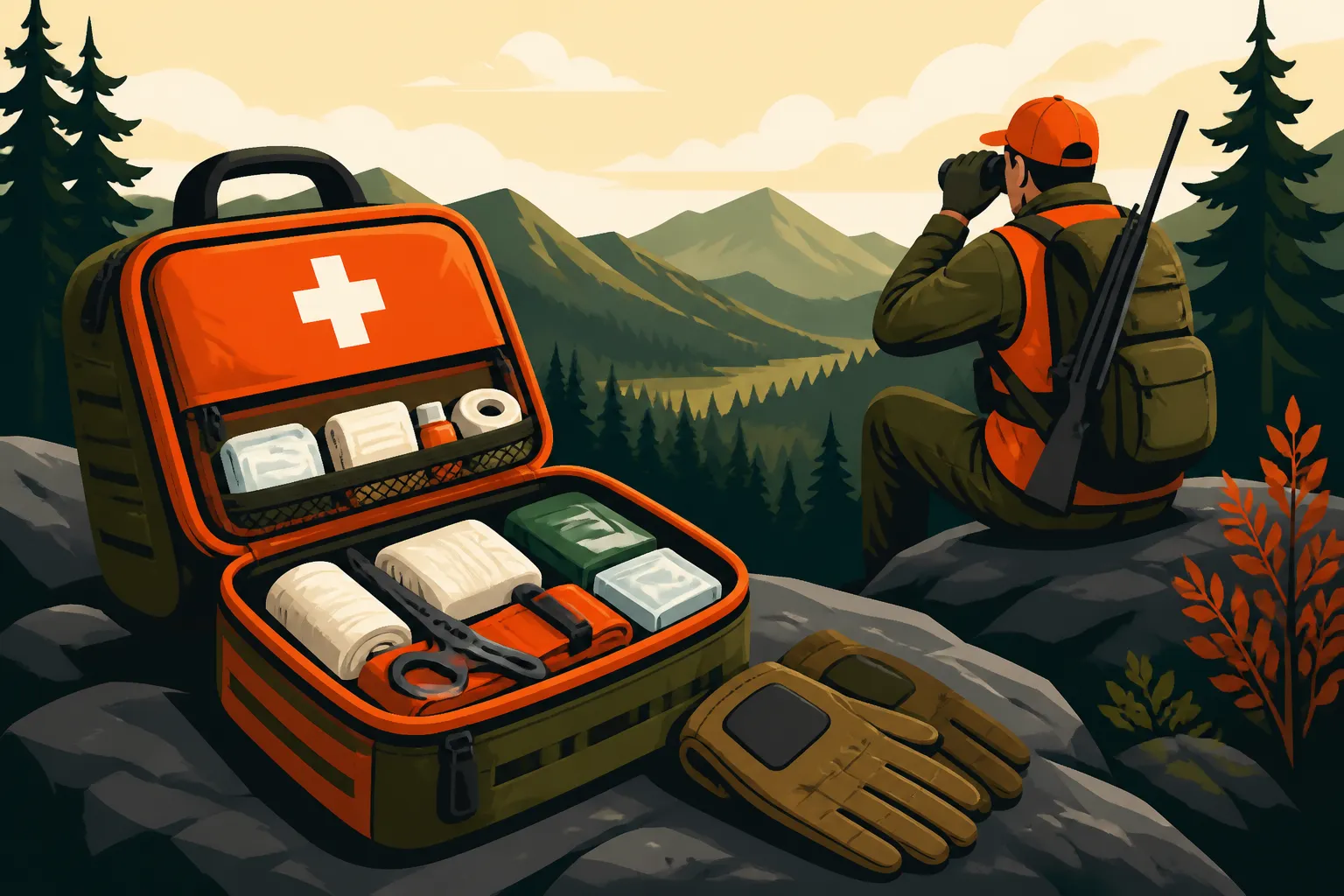
- Assorted Bandages and Gauze: Beyond standard adhesive bandages, you need sterile gauze pads (various sizes), rolled gauze, and conforming stretch bandages. These are crucial for direct pressure on wounds.
- Medical Tape: Durable, waterproof medical tape to secure dressings. Consider cloth tape for better adhesion in wet conditions.
- Antiseptic Wipes and Ointment: Individually wrapped alcohol wipes, Betadine pads, or small tubes of antibiotic ointment (like Neosporin) are vital for cleaning wounds to prevent infection. In the backcountry, even a small infection can become a major problem.
- Trauma Dressings/Pads: These are larger, highly absorbent pads designed for heavy bleeding. Think about severe lacerations or puncture wounds that need significant pressure.
- Hemostatic Gauze (Optional but Recommended): Products that promote clotting can be a game-changer for serious bleeding. They are more expensive but invaluable in a true emergency.
- Tourniquet: A legitimate, purpose-built tourniquet (like a CAT or SOF-T Wide) is non-negotiable for controlling arterial bleeding from a limb. Crucially, know how to use it before you ever need it. Practice applying it to yourself and a partner.
- Splinting Materials: A SAM Splint or similar flexible splint is lightweight and adaptable for stabilizing broken bones or severe sprains. Combine this with tape or ace bandages for securing it.
- Burn Cream/Pads: For minor burns from a campfire or cooking stove.
- Gloves: Several pairs of non-latex examination gloves to protect both the injured person and the rescuer from infection.
Medications and Personal Items
Beyond the trauma gear, consider what you and your hunting partners might routinely need, plus some backcountry specific additions.
- Pain Relievers: Over-the-counter options like ibuprofen (Advil) or acetaminophen (Tylenol) are essential for managing pain from injuries, headaches, or muscle soreness.
- Allergy Medication: Antihistamines (e.g., Benadryl) for mild allergic reactions to insect bites or plants. If anyone in your group has severe allergies, an EpiPen is an absolute must-have (and everyone should know how to use it).
- Personal Prescriptions: Ensure everyone carries enough of their essential medications for the duration of the trip, plus a few extra days, in a waterproof container.
- Anti-Diarrhea Medication: Nothing ruins a hunt faster, or makes an emergency worse, than severe gastrointestinal issues.
- Antacids: For indigestion after a long day of exertion and camp cooking.
- Moleskin or Blister Pads: For blisters on your feet – a common and debilitating issue on long hikes.
- Eye Drops: For irritation from dust, pollen, or branches.
- Insect Repellent: To prevent bites that can carry disease or cause allergic reactions. While not a "first aid" item, preventing bites reduces the need for first aid.
- Small Mirror: For checking wounds on your face or removing splinters from eyes.
Tools and Emergency Gear
Some items blur the line between first aid and survival, but they are critical for managing an emergency in a remote setting.
- Tweezers and Scissors: Tweezers for splinter removal or tick extraction. Trauma shears or small, sharp scissors for cutting tape, bandages, or clothing.
- Safety Pins: Useful for securing slings, bandages, or emergency repairs.
- Emergency Blanket: A Mylar space blanket or a heavier, more durable survival blanket. Crucial for preventing hypothermia in an injured person who cannot generate their own heat.
- Fire Starter: Waterproof matches, a lighter, or a ferro rod. Being able to start a fire is key for warmth, signaling, and morale.
- Whistle: A loud signal whistle can carry much further than your voice, especially when signaling for help or trying to locate a hunting partner in dense cover.
- Headlamp with Extra Batteries: Absolutely essential for working on an injury or navigating in the dark. You don't want to be fumbling for gear in the pitch black.
- Small Notebook and Pencil: To record symptoms, times of medication, and details of the incident. This information is invaluable for first responders.
- Water Purification Tablets or Small Filter: If you're delayed or have to extend your stay in the woods, access to clean drinking water is paramount.
- Duct Tape: The ultimate multi-tool. Can be used for temporary repairs, emergency splinting, or even closing minor wounds in a pinch (though not ideal directly on skin).
- Satellite Messenger or PLB (Personal Locator Beacon): While not technically part of a first aid kit, this is arguably the single most important "emergency item" for remote hunting. Devices like Garmin inReach or Zoleo allow you to send SOS signals and communicate even without cell service. If you're going deep into the Adirondack Forest Preserve, this is a must-have.
Assembling and Customizing Your Kit for the Deep Woods
You can buy pre-made kits, and they're a good starting point, but truly being prepared means understanding and customizing your first aid supplies.
Pre-Made Kits vs. DIY Customization
Many outdoor retailers sell pre-made first aid kits. They offer convenience, but often lack customization for specific environments or personal needs.
Pre-Made Kits:
- Pros: Convenient, often well-organized, good baseline for general use.
- Cons: May lack specific trauma items, contain unnecessary bulk, or omit crucial personal medications. Contents might not be of the highest quality.
- Recommendation: If you start with a pre-made kit, treat it as a foundation. Go through it, remove what you don't need, and add what you do need. Replace low-quality items with better ones.
DIY Customization:
- Pros: Tailored to your specific hunting style, group size, known medical issues, and the remote nature of the Adirondacks. You choose high-quality components.
- Cons: Requires more research, time, and knowledge to assemble effectively. Can be initially more expensive.
- Recommendation: This is the superior approach for remote hunting. Consider a platform like
GoHuntwhen planning your trip; while it focuses on western big game, the principle of meticulously preparing for a hunt by reviewing terrain, potential animal encounters, and environmental factors applies directly to the Adirondacks. Reviewing maps onGoHuntcan help you visualize the ruggedness of your intended hunting area, which in turn influences the type and quantity of medical supplies you might need. If you're going into an area with particularly steep ravines or dense blowdowns, you'll want more robust splinting materials and trauma pads.
| Item Type | Pre-Made Kit (Typical) | DIY/Customized Kit (Adirondacks) |
|---|---|---|
| Bandages | Assorted adhesive, small gauze | More gauze, trauma pads, rolled bandages |
| Medication | Basic pain relievers | Personal meds, EpiPen (if needed), anti-diarrhea, Moleskin |
| Trauma Gear | Minimal | Tourniquet, hemostatic gauze, SAM splint |
| Tools | Tweezers, small scissors | Trauma shears, reliable fire starter, whistle |
| Emergency Shelter | Small Mylar blanket | Durable survival blanket |
| Communication | None | Satellite messenger (crucial) |
| Protection | Minimal gloves | Multiple pairs of heavy-duty gloves |
Remember to rotate your supplies, checking expiration dates on medications and sterile packaging annually.
Packing and Accessibility Considerations
How you pack your kit is almost as important as what's inside it. In an emergency, you don't want to be fumbling around or realizing a crucial item is at the bottom of a buried pack.
- Waterproof and Durable Container: Your kit needs to survive rain, snow, and rough handling. A dry bag, a waterproof stuff sack, or a sturdy Pelican-style case are all good options. Label it clearly with a waterproof marker or reflective tape.
- Organized and Segmented: Use smaller zip-top bags or labeled pouches within your main kit to organize similar items (e.g., "Wound Care," "Medications," "Tools"). This prevents you from digging through everything for one item.
- Accessibility: Your primary first aid kit should be readily accessible, ideally in an exterior pocket of your pack or at the very top. If you're injured, you might not be able to dig deep. Some hunters carry a very small, immediate-access "boo-boo kit" on their person, with essential trauma items, while the larger, more comprehensive kit is in their main pack.
- Weight Distribution: While you need a comprehensive kit, be mindful of its weight in the overall scheme of your pack, especially if you're making long hauls to remote spots to practice Still-Hunting Catskill Ridges. Balance preparedness with practical packability.
Training and Practice: More Than Just Carrying Gear
Having the best first aid kit in the world is useless if you don't know how to use its contents. Training is paramount.
- Basic First Aid and CPR: These courses are widely available and provide foundational knowledge. Knowing how to perform CPR can be life-saving.
- Wilderness First Aid (WFA) or Wilderness First Responder (WFR) Courses: These specialized courses are designed for individuals operating in remote environments. They teach you how to improvise with limited resources, manage injuries for extended periods, and make critical decisions when professional help is distant. This type of training is highly recommended for anyone venturing deep into the Adirondacks regularly.
- Practice with Your Gear: Don't wait for an emergency to learn how to apply a tourniquet, splint a limb, or properly dress a wound. Practice these skills at home. Get familiar with every item in your kit.
- Scenario-Based Training: Mentally walk through hypothetical scenarios. What would you do if a hunting partner broke their leg on a steep climb? What if you accidentally cut yourself deeply while field dressing a deer in the dark? This mental preparation builds confidence and muscle memory.
- Using Mapping Tools for Pre-Planning: Just as
GoHuntis utilized by many hunters to meticulously plan routes, identify terrain features, and understand access points in unfamiliar territory, you can leverage similar thought processes for first aid. Reviewing topographical maps, whether onGoHuntor other mapping applications, can help you identify areas of particular risk (e.g., steep rock faces, dense swamps, river crossings) and plan safer routes, thereby reducing the likelihood of certain injuries. Knowing the terrain also influences what kind of first aid supplies you might prioritize; a rocky area might mean more splinting material, while a wet area might mean more hypothermia prevention.
Scenario Planning and Prevention in the Adirondacks
The best first aid is prevention. While you can't eliminate all risks, you can significantly reduce your chances of needing that kit in the first place.
Preventing Common Backcountry Mishaps
Taking proactive steps before and during your hunt can make all the difference.
- Proper Footwear and Clothing: Wear broken-in, sturdy hiking boots with good ankle support. Layer your clothing to adapt to changing weather, even during Bowhunting New York's Long Archery Season in early fall. Always carry rain gear, even if the forecast looks clear. Hypothermia is a real threat.
- Communicate Your Plan: Always tell someone reliable exactly where you're going, your planned route, when you expect to return, and who you're with. Leave a detailed itinerary.
- Know Your Limits: Don't push yourself beyond your physical capabilities, especially when alone or far from help. If a climb looks too risky, or you're feeling overly fatigued, turn back or take a break.
- Stay Hydrated and Fed: Carry enough water or a reliable filtration system. Pack high-energy snacks. Dehydration and low blood sugar impair judgment and physical performance, making you more prone to accidents.
- Check Weather Forecasts: The Adirondacks are notorious for unpredictable weather. A sunny morning can turn into a cold, wet, or even snowy afternoon rapidly. Check the forecast before you leave and be prepared for the worst.
- Inspect Gear: Before every trip, check your firearms, bows, treestands, and other equipment for wear and tear. A malfunction can cause an accident. Ensure your Treestand Setups in Adirondack Hardwoods are secure.
What to Do When the Worst Happens
Despite all precautions, accidents can still occur. Knowing how to react calmly and effectively is crucial.
- Stop, Assess, Decide (SAD):
- Stop: Don't rush in. Take a moment to calm down and evaluate the scene. Are there any immediate dangers (e.g., a falling tree, unstable ground, an aggressive animal)?
- Assess: What happened? What are the injuries? How many people are affected? What resources do you have?
- Decide: What's the best course of action? Is it safe to move the injured person? Do you need to administer immediate first aid? Do you need to signal for help?
- Administer Immediate First Aid: Focus on life-threatening issues first:
- Bleeding: Apply direct pressure, elevate, and if necessary, apply a tourniquet for severe arterial bleeding on a limb.
- Airway/Breathing: Ensure the person's airway is clear and they are breathing.
- Circulation: Check for a pulse.
- Shock: Treat for shock by keeping the person warm and elevating their feet (if no head/spine injury).
- Signal for Help: If possible and necessary, use your satellite messenger to call for help. If you don't have one, use your whistle (three short blasts, pause, repeat) or build a signal fire (three fires in a triangle).
- Shelter and Comfort: Get the injured person into a sheltered location. Use an emergency blanket, extra clothing, and build a fire if possible to keep them warm.
- Stay Put (if severely injured): Unless there's an immediate, life-threatening danger, it's generally best to stay put with a severely injured person and wait for rescue rather than attempting a difficult self-evacuation that could worsen injuries.
- Record Everything: Note the time of injury, symptoms, vital signs, and treatments administered. This will be critical for medical professionals.
Leveraging modern mapping and communication tools like GoHunt can actually play a role in emergency preparedness. For instance, if you've marked a specific tree stand or camp location using GoHunt’s mapping features, you can share that exact GPS coordinate with your emergency contact before you even leave. In an emergency, these coordinates can be relayed to rescuers, significantly narrowing the search area. Furthermore, during your pre-hunt scouting, if you're using GoHunt to analyze potential routes and terrain, you can identify possible emergency extraction points or easier paths of travel if a self-evacuation becomes necessary.
Group Dynamics and Shared Responsibility
Hunting often involves partners or small groups, and this can be a huge advantage in an emergency, provided everyone is on the same page.
- Communicate Medical Conditions: Before the hunt, ensure everyone in your group knows about any allergies, chronic medical conditions, or medications a partner is taking. This is not about being nosey; it's about potentially saving a life.
- Shared Knowledge: Don't rely on just one person to be the "medical expert." While one person might be the designated first aid lead, everyone should have basic first aid knowledge and know where the kit is and how to use key components.
- Distributed Gear: Instead of one person carrying the entire first aid kit, consider distributing some essential items amongst the group. For example, one person might carry the primary trauma kit, another the medications, and a third the survival tools. This way, if someone gets separated or has an accident, not all critical gear is lost.
- Designate a Leader: In an emergency, clear leadership is vital. Designate someone to take charge, assess the situation, and direct actions. This prevents confusion and ensures effective decision-making.
By proactively preparing, training, and understanding the unique challenges of the Adirondack backcountry, you can significantly enhance your safety and the safety of your hunting partners. Being ready for anything truly gives you peace of mind to enjoy the wild New York woods.
Disclaimer
This article is for general informational purposes only and does not constitute professional advice. Laws, prices and regulations vary by location and change over time. Consult a qualified professional for guidance on your specific situation.