Keeping a Muzzleloader Dry in Lake-Effect Snow
There’s nothing quite like the crisp air and hushed woods of a New York winter hunt, but when those infamous lake-effect snows roll in, your trusty muzzleloader can quickly become a finicky, unreliable companion. The heavy, wet snow can seep into every crack and crevice, threatening to drown your powder charge or freeze your firing mechanism, leaving you with a disheartening misfire when that big buck finally steps out. This guide is all about equipping you with the practical, real-world strategies and gear choices to keep your muzzleloader bone-dry and firing true, even in the nastiest lake-effect conditions.
Understanding Lake-Effect Snow and Its Unique Challenges for Muzzleloaders
When you hear "lake-effect snow" in New York, you're not just talking about a regular snowfall. This is a beast of its own, particularly for those of us venturing out with a muzzleloader. It’s crucial to understand why this specific weather phenomenon poses such a threat to our chosen firearm.
The Unique Nature of Lake-Effect Snow
Lake-effect snow forms when frigid air masses, often from Canada, sweep across the relatively warmer, unfrozen waters of Lake Erie and Lake Ontario. As this cold air travels over the warmer water, it picks up moisture and heat. The air rises, cools, and condenses, forming deep, narrow bands of intense snowfall, often localized to a specific region, like the Tug Hill Plateau, Western New York, or parts of the Finger Lakes region. What makes it so challenging for hunters is its sheer intensity and moisture content. Unlike light, fluffy flakes, lake-effect snow is often heavy, wet, and relentless. It doesn't just dust the ground; it accumulates rapidly, saturates everything it touches, and can quickly turn a picturesque hunt into a soggy, freezing battle against the elements. You might be hunting in a full-blown blizzard, while just a few miles away, folks are seeing clear skies. This unpredictability means you always need to be prepared for the worst if you're hunting in a prime lake-effect zone.
Why Muzzleloaders Are Especially Vulnerable to Moisture
Modern centerfire rifles are largely sealed units, designed to keep moisture out of their inner workings. Muzzleloaders, however, operate on a much more exposed principle. Their ignition systems – whether cap, primer, or flint – are inherently open to the environment. Black powder and its substitutes are extremely hygroscopic, meaning they readily absorb moisture from the air. Even a tiny bit of dampness can degrade the powder's effectiveness, leading to hang-fires (a delayed ignition) or, worse, complete misfires.
Consider the ramrod opening at the muzzle, the breech plug or nipple where the primer sits, and the pan on a flintlock. These are direct pathways for water to reach your powder charge. If water gets into the barrel and mixes with the powder, you're not getting a reliable shot. If the primer or cap gets wet, it won't ignite properly. The frustration of carefully stalking a deer in bitter cold, only to have your firearm fail, is a feeling no hunter wants. That's why meticulous attention to waterproofing is paramount when bringing a muzzleloader into New York's lake-effect snow country. It’s not just about comfort; it’s about ensuring your tool performs when it absolutely has to.
Pre-Hunt Preparation: Shielding Your Muzzleloader from the Elements
The battle against moisture in lake-effect snow begins long before you ever step foot in the woods. Proactive preparation is your best defense, ensuring your muzzleloader is as impervious as possible to the wet onslaught.
Waterproofing Critical Components
Your muzzleloader has several "Achilles' heels" when it comes to moisture, and each requires specific attention. The goal is to create barriers without interfering with the gun's function.
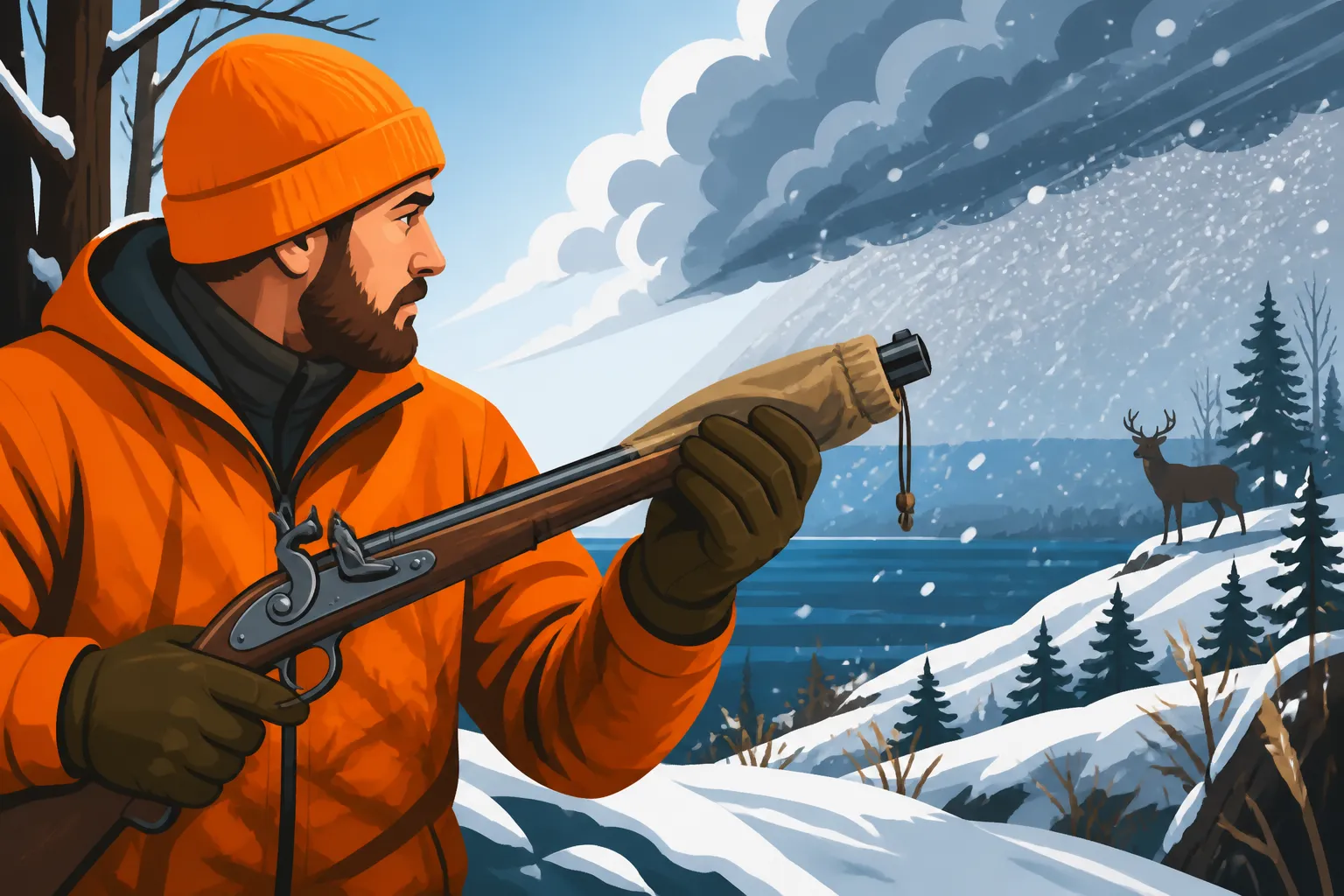
First, focus on the muzzle end. The ramrod channel is a direct highway for snow and water into your barrel, right onto your powder charge. A simple, yet highly effective method is to use a piece of electrical tape or a small balloon stretched over the muzzle. This creates a tight seal. Make sure it's easily removable with a flick of the thumb just before you shoot, or choose a cap that will blow off harmlessly. Some hunters prefer a dedicated muzzle cover, often made of stretchy rubber or silicone, which can be just as effective. Another critical area is the breech plug and nipple (for percussion and 209 primer systems) or the pan (for flintlocks). For percussion caps, a small piece of electrical tape wrapped around the cap and nipple can provide a good seal. For 209 primers, ensuring the primer itself is seated tightly and the breech plug is snug helps, but external covers specifically designed for primer pockets can add another layer of defense. For traditional flintlocks, keeping the pan absolutely dry is paramount. Many traditionalists will carry a small oilskin or leather cover for the pan, or even a small piece of inner tube rubber held on with a string. Don't forget the lock mechanism itself; while not directly in contact with powder, a frozen or gummed-up lock can prevent firing. A light coating of moisture-displacing oil like Rem Oil or a silicone spray can help repel water without attracting dirt.
Choosing the Right Gear and Supplies
Beyond the gun itself, the accessories you carry and wear play a huge role in keeping your muzzleloader dry. Think of it as creating a "dry system" around your entire hunting setup.
When it comes to carrying your muzzleloader, a good quality gun sling is essential, allowing you to keep the muzzle pointed down, preventing snow from accumulating inside the barrel. However, a sling alone won't protect it from persistent, wet snow. A full-length, waterproof gun case or cover made from durable nylon or waxed canvas is a serious asset. Brands like Boyt Harness Company offer robust soft cases that can be slipped on and off quickly. These cases don't just keep snow off; they also protect your optics from collecting moisture and freezing over. For your ignition components, carry a small, waterproof container (like a pill bottle or a small tackle box) for your primers, caps, or flints. These absolutely must stay dry. Pack a small, dry rag or a few paper towels in a waterproof bag to wipe down your muzzleloader if it does get wet. Consider investing in a high-quality, weather-resistant hunting pack. Apps like GoHunt can be invaluable for checking hyper-local weather conditions, allowing you to anticipate severe lake-effect events and pack accordingly, ensuring you have the right waterproofing gear for the expected conditions. Remember, you might be out there all day, and preparing for the unexpected is key. For more in-depth preparation for winter hunts, consider checking out our guide on Muzzleloader Tactics in December Cold.
Pre-Loading and Storage Considerations
How you load and store your muzzleloader before the hunt can significantly impact its performance in wet conditions. The goal is to minimize moisture exposure to your powder charge from the moment it's loaded.
Many hunters prefer to load their muzzleloader at home, in a warm, dry environment, before heading to camp or the hunting grounds. This ensures the powder is as dry as possible at the outset. When loading, ensure all components are dry and clean. Use a measured charge from a sealed container to prevent atmospheric moisture absorption. After loading, cap the nipple or prime the pan, and then immediately apply your chosen muzzle and ignition point waterproofing methods. If you're going to be driving to your hunting spot, keep the muzzleloader in a hard, waterproof case within your vehicle, rather than exposed to the elements on an ATV rack or in an open truck bed. This protects it during transit from freezing rain or snow that might begin falling. If storing your loaded muzzleloader overnight in a camp or cabin, avoid placing it directly next to a heat source, which can create condensation. Instead, keep it in a relatively cool, dry place. For those participating in New York’s late-season hunts, understanding New York Muzzleloader Season Tactics will further refine your pre-hunt strategy for success.
In-Field Tactics: Maintaining Dryness During the Hunt
Once you're out in the woods, lake-effect snow isn't just a threat from above; it's a constant, insidious presence. Active management and smart habits are essential to keep your muzzleloader operational.
Carrying and Protecting Your Muzzleloader
How you carry your muzzleloader while still-hunting or sitting on a stand can make a significant difference in its dryness. The primary rule is to minimize direct exposure to falling snow and snow on branches.
When walking, always carry your muzzleloader with the muzzle pointed down. This prevents snow from falling directly into the barrel. If you're using a sling, position the gun so the muzzle is lower than the stock. For added protection during movement, a full-length gun sleeve or cover, as mentioned earlier, is invaluable. When you stop to glass, or when you're sitting on a stand, always orient your muzzleloader to shield its most vulnerable parts. If possible, rest the gun against a tree trunk, ensuring the muzzle is down and the action is tucked in, away from falling snow. If sitting in a treestand, consider using a bungee cord or rope to secure the gun to the stand, keeping it upright and allowing you to position it for maximum protection. A small, waterproof bag or cover draped over the action while you're sitting can also be a game-changer. It sounds simple, but actively thinking about where and how your gun is positioned at all times is crucial. This is particularly important when hunting in areas known for heavy lake-effect, such as those discussed in guides like Hunting Deer in Deep Tug Hill Snow.
Reloading in Adverse Conditions
One of the biggest challenges with a muzzleloader in wet snow is the need to reload if you get a shot opportunity. This is where meticulous organization and practice come into play.
If you anticipate needing to reload, the first step is to seek shelter. A thick pine stand, a rocky overhang, or even a large, low-hanging branch can provide a temporary reprieve from falling snow. Have your reloading components — powder, bullet, and primer/cap — pre-packaged in waterproof, individual containers. Many hunters use speedloaders, which hold a pre-measured powder charge and bullet, often with a primer pocket. These are typically sealed units. Practice reloading with cold, gloved hands at home so it becomes second nature. When it comes time to reload, work quickly but carefully. Wipe down the muzzle and breech area as best you can with a dry cloth before opening anything up. Be extra cautious not to let any snow or moisture enter the barrel or breach plug/nipple area during the process. Once loaded, re-apply your muzzle cover and ignition waterproofing immediately. A well-designed hunting pack helps keep these critical reloading supplies easily accessible and dry. For finding deer in tough conditions, tools like the GoHunt app can assist with scouting and finding favorable terrain that might offer natural cover for reloading or setting up for a shot.
Dealing with a Wet Firing System
Despite your best efforts, sometimes moisture gets in. Knowing how to troubleshoot a wet firing system quickly can salvage a hunt.
If you suspect your primer or cap is wet, or if you experience a misfire, do not immediately try to re-fire. Safely clear the gun first. For percussion caps, carefully remove the wet cap and replace it with a fresh, dry one. For 209 primers, removing a wet primer from a breech plug can be tricky in the field; often, the best approach is to try and dry the exposed primer surface or, if possible, replace the entire breech plug if you carry a spare pre-primed. If the gun still doesn't fire, you might have moisture in the powder charge itself. At this point, it's often best to unload the rifle safely (typically by firing into a safe backstop or removing the breech plug and carefully pouring out the powder, depending on your rifle's design and local regulations) and call it a day for that muzzleloader. However, a quick tip for minor dampness on the nipple or primer: a quick blast of compressed air from a small canister (often carried for cleaning camera gear) can sometimes dislodge moisture, or even just a firm shake and then waiting a few minutes. Always carry extra, dry primers or caps in a sealed container, and ensure you have a tool to remove spent primers or caps. When planning your hunting day, consider the conditions discussed in New York's Southern Zone Firearm Season to anticipate the likelihood of such weather challenges.
Post-Hunt Care: Ensuring Longevity and Readiness
The hunt isn't over when you leave the woods, especially when dealing with a muzzleloader exposed to lake-effect snow. Proper post-hunt care is vital not just for the gun's longevity but for its readiness for your next outing.
Immediate Field Stripping and Drying
The moment you're done hunting for the day, or certainly as soon as you get back to camp or home, your muzzleloader needs attention. Ignoring it can lead to immediate corrosion and long-term damage.
Your first priority is to get the gun dry. Remove all external covers and wipe down the entire exterior with a clean, dry cloth. If possible, field strip your muzzleloader. This usually involves removing the breech plug, barrel, and sometimes the stock, depending on your model. This allows you to get at all the hidden nooks and crannies where moisture loves to hide. Use more dry cloths to meticulously wipe down every part. Pay special attention to the bore, breech plug, and lock mechanism. If your ramrod became wet, dry it thoroughly too. Avoid leaving the gun in a case after a wet hunt; this traps moisture and creates a perfect environment for rust. Instead, leave it disassembled to air dry in a warm, low-humidity environment. This isn't just about preventing rust; it's about making sure any residual moisture that could wick into powder next time is gone.
Deep Cleaning and Rust Prevention
Once dried, a thorough cleaning is the next critical step. Black powder and its substitutes are corrosive, and when mixed with moisture, they become even more aggressive.
Begin by cleaning the bore. Using a quality black powder solvent and a bore brush, scrub the barrel until patches come out clean. Follow this with dry patches, then lightly oil the bore with a rust-preventative oil. For the breech plug, use a specialized breech plug cleaning tool or a small brush to remove all residue from the flash channel and threads. Ensure the nipple or primer pocket is spotless. Clean the lock mechanism thoroughly, removing any powder residue or grime. Pay particular attention to all metal surfaces. After cleaning, apply a thin, even coat of rust-preventative oil or a silicone gun cloth to all metal parts, both inside and out. Don't forget the wooden or synthetic stock; wipe it down and ensure it’s dry. For plastic or synthetic stocks, a silicone spray can offer protection. For wood stocks, a good wax or oil treatment will help repel moisture in the future. Products like Bore Tech or Hoppe's Black Powder Cleaner are excellent choices. Proper maintenance, as outlined in articles such as Choosing a Muzzleloader for December Cold, is crucial for reliable performance.
Long-Term Storage Solutions
After a hard day in the lake-effect snow, and once your muzzleloader is meticulously clean and oiled, consider its long-term storage, especially if it won't be used for a while.
For longer storage, ensure your gun safe or cabinet is not overly humid. Desiccant packs or a dehumidifier rod inside your safe can draw out moisture, protecting all your firearms. Store the muzzleloader unloaded, of course, with the breech plug slightly greased or anti-seized and then re-inserted to protect the threads. Consider a silicone-impregnated gun sock for an extra layer of protection against dust and ambient humidity. If you have optics on your muzzleloader, ensure they are clean and dry, and consider placing lens caps on them. Before your next hunt, always give your muzzleloader a quick inspection to ensure no surprise rust has formed and that all mechanisms move freely. Regularly checking on your gear, and performing preventative maintenance after exposure to harsh elements, is a core part of being a responsible hunter and ensuring your equipment is ready when you are. The GoHunt app, beyond weather, can often provide historical weather data for specific hunt periods, helping you learn patterns and predict gear needs for future hunts.
| Component | Waterproofing Method | Materials Needed | Notes |
|---|---|---|---|
| Muzzle | Electrical tape, balloon, cap | Electrical tape, balloon, dedicated muzzle cover | Easily removable for quick shot, prevents snow ingress into barrel. |
| Nipple/Primer Pocket | Electrical tape, custom cover | Electrical tape, specialized primer cover | Prevents moisture from fouling ignition. Must be secure. |
| Ramrod Opening | Tape, cover (often combined with muzzle) | Electrical tape, rubber band, small sleeve | Stops water from running down ramrod into charge. |
| Barrel/Action | Full gun cover/sleeve | Waterproof fabric (nylon, waxed canvas) | Protects overall gun, optics, and metal from direct snow/rain. |
| Components (Caps/Primers) | Sealed, waterproof container | Small plastic bottle, tackle box | Essential for keeping spare ignition components bone-dry. |
| Lock/Trigger | Light oil, silicone spray | Moisture-displacing oil, silicone spray | Repels water, prevents freezing/gumming of moving parts. |
Disclaimer
The information provided in this guide is for informational purposes only. Hunting regulations and safety practices can change. Always consult the most current New York State Department of Environmental Conservation (DEC) regulations and practice proper firearm safety. Hunting carries inherent risks, and personal responsibility is paramount.