Scrape Lines Along a Logging Road
There's nothing quite as frustrating as hitting the deer woods, putting in the miles, and feeling like you're just wandering aimlessly, hoping to stumble upon a sign of deer. We've all been there, especially in the sprawling, sometimes overwhelming, landscapes of New York. But what if there was a way to decode deer movement, to find those consistent travel routes that mature bucks often use as their personal communication hubs? This guide is going to peel back the layers on one of the most reliable and often overlooked indicators of deer activity: scrape lines along logging roads. We’ll explore why these forgotten pathways are whitetail magnets and how you can effectively hunt them.
Why Logging Roads Are Whitetail Superhighways
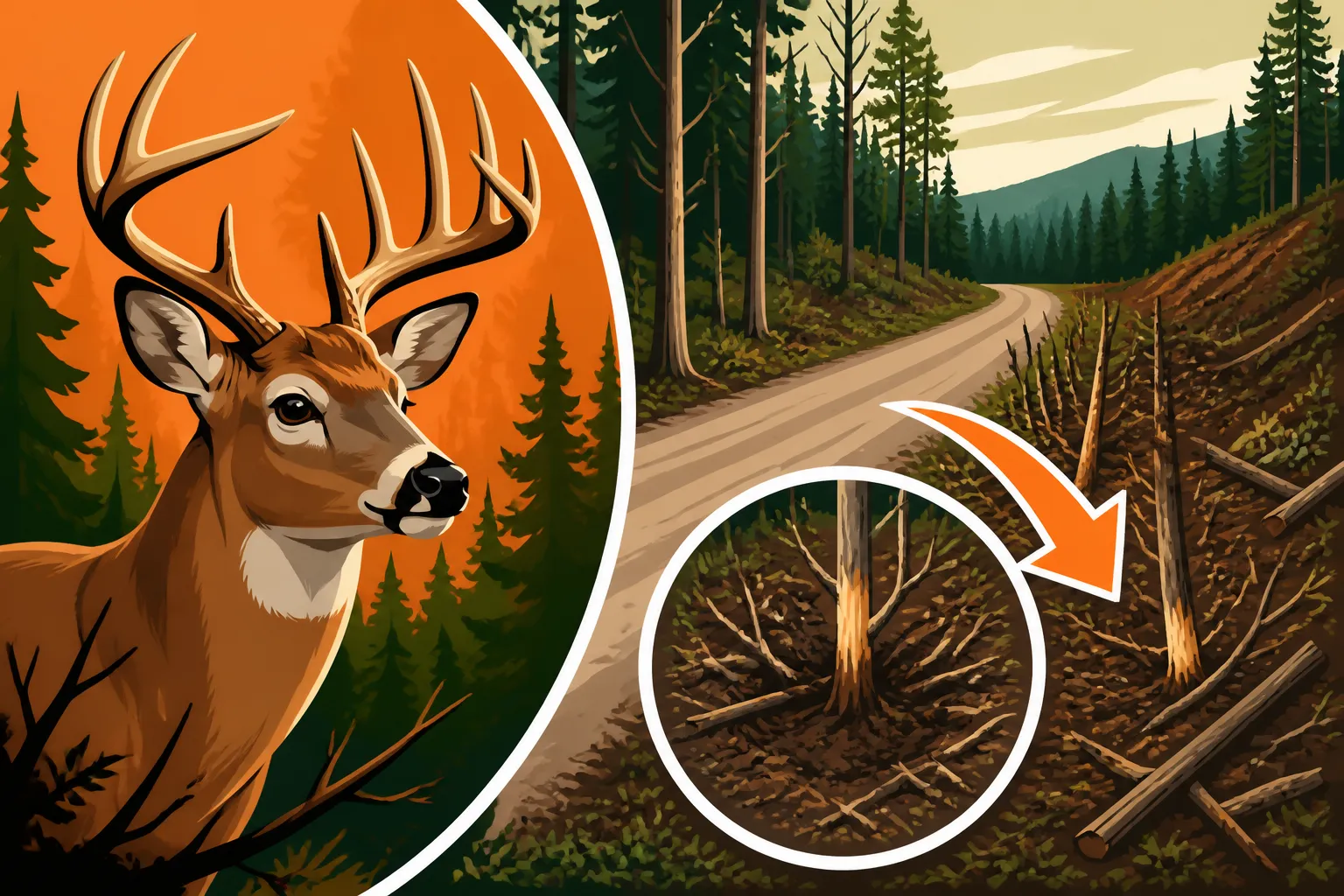
Logging roads, whether they're actively used gravel paths or barely discernible overgrown tracks, are absolute goldmines for deer hunters in New York. They might seem like just old trails to us, but to a whitetail, they represent efficiency, safety, and opportunity.
Natural Funnels and Travel Corridors
Think about it from a deer's perspective: why fight through dense briars and tangled undergrowth when there's a relatively clear path available? Logging roads, even those that haven't seen a truck in decades, naturally become the path of least resistance. They act as natural funnels, concentrating deer movement and dictating travel patterns between essential areas.
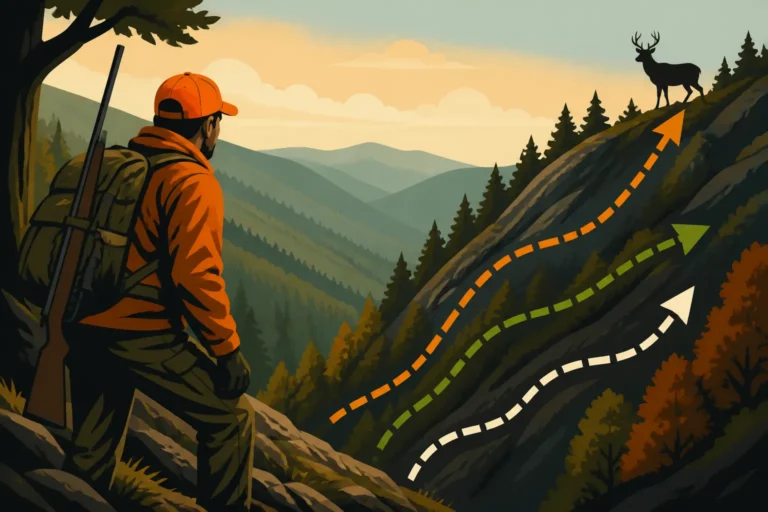
These roads often connect different types of terrain and habitat. A buck might use an old logging road to travel from a secure bedding area deep in the woods to a preferred feeding spot on a field edge, or to a water source in a low-lying swamp. They are like interstates for deer, offering a direct route while still providing enough cover along the edges for a deer to feel safe. In areas like the Catskills or Adirondacks, where terrain can be steep and unforgiving, deer will absolutely take the easy way out, making these old roads prime locations to intercept movement. Understanding how deer use these linear features can be as crucial as knowing how to interpret Reading a Ridge for Catskill Deer Movement.
Edge Habitat and Cover Transitions
One of the most vital concepts in deer biology is "edge habitat." This refers to the transition zone between two different types of cover, and logging roads create this in spades. On one side, you might have mature timber, offering shade and thermal cover. On the other, the disturbance from the old road might have encouraged new, tender growth – think saplings, briars, and forbs – which are excellent browse for deer.
This edge isn't just about food; it's about security. Deer can browse comfortably along the edge of the road, always with the option to duck back into the thicker cover with just a few steps if danger appears. For a mature buck, these edges are perfect for scent-checking for does, especially as the rut approaches. They can cruise along, staying mostly hidden, while still being able to detect any new scents or activity. This is why you'll often find not just scrapes, but also rubs and heavy tracks concentrated along these transitional areas.
Decoding Scrape Lines: What They Mean and Where to Find Them
Finding a random scrape is one thing, but identifying an active "scrape line" along a logging road is a game-changer. These aren't just one-off paw marks; they're a series of communication points that tell a story about buck movement and activity.
The Anatomy of a Scrape
Before we talk about lines, let's break down what makes up a single scrape. A well-defined deer scrape typically has three key components, each serving a vital purpose in a buck's communication strategy:
- The Overhead Licking Branch: This is arguably the most important part. Bucks will chew, rub, and deposit scent from their forehead glands, preorbital glands (near their eyes), and even their saliva onto these low-hanging branches. It's like leaving a business card with all their personal details. This branch might be thin or quite thick, but it's always within easy reach for a deer to mouth and rub.
- The Pawed-Out Bare Earth: Below the licking branch, the buck will paw away all the leaves and debris, exposing the bare soil. On this exposed earth, they deposit urine, often mixed with secretions from their interdigital glands (between their hooves). This combination creates a powerful scent cocktail that communicates their presence, dominance, and readiness to breed.
- The Scrape Itself (The Indentation): This is the actual cleared-out patch of ground, usually round or oval. The size can vary, from a small dinner plate to a large garbage can lid, depending on the buck and how frequently it's used. The fresher the scrape, the darker and more moist the exposed earth will appear.
Think of scrapes as the whitetail equivalent of a community bulletin board or a social media feed. Bucks and even some does will visit these spots, leaving their own scent and checking to see who else has been there. During the pre-rut and rut, these communication hubs become highly active, with bucks constantly checking them for receptive does and other bucks.
Identifying High-Traffic Scrape Lines on Logging Roads
Not every pawed-up spot in the woods is worth hunting. The real secret is finding a line of scrapes that are actively being tended. These are the equivalent of a buck's regular patrol route, and they are especially potent when found along a logging road.
Here's what to look for:
- Consistency: A true scrape line isn't just one scrape, but several, spaced out along the logging road, often within 20 to 50 yards of each other. They'll show consistent activity over time, not just a single visit.
- Location, Location, Location: Bucks tend to place primary scrape lines in areas that offer both security and visibility. Look for:
- Bends in the Road: These naturally slow a deer down and offer a good vantage point for leaving scent.
- Intersections with Game Trails: Where a smaller deer trail crosses or merges with the logging road, it creates a natural bottleneck for communication.
- Thicker Cover: Scrapes often appear where the logging road brushes up against a dense thicket, a stand of pines, or a swamp edge. This allows the buck to quickly vanish if disturbed.
- Subtle Terrain Features: A slight rise in elevation, a small saddle, or even just a heavier concentration of mast trees can make an area more appealing for a scrape.
- Freshness: The fresher the scrape, the more active the deer. Look for fresh, dark soil, often still damp from recent pawing, and a distinct smell of deer urine. Licking branches might show fresh breaks or chew marks.
- Mock vs. Primary Scrapes: Early in the season, you might find "mock scrapes" – these are often just a single scrape, maybe pawed out a few times, but not consistently tended. Primary scrape lines, especially those along logging roads, will show consistent use and freshening, signaling that a dominant buck is actively patrolling and communicating.
Using advanced mapping tools can significantly help in locating these potential hotspots. Apps like GoHunt allow you to overlay historical aerial imagery and topographic maps, revealing old logging roads that might not even be visible on the ground anymore due to vegetation growth. You can literally scout from your couch, marking potential travel corridors and pinch points long before you ever step foot in the woods. This is an invaluable tool for Scouting New York Public Land Before Season.
Hunting Strategies for Scrape Lines Along Logging Roads
Once you've identified an active scrape line along a logging road, the real work begins: devising a plan to intercept that buck. This requires careful consideration of your setup, timing, and how you interact with the scrape itself.
Optimal Stand and Blind Placement
The number one rule when hunting a scrape line is wind direction. You absolutely must position yourself downwind or crosswind of the scrape line. A buck will almost always approach a scrape from downwind to scent-check for does and other bucks, so if your scent is blowing into the scrape, you'll be busted before you even see him.
Here are some setup considerations:
- Elevated Positions (Treestands/Saddles): If the logging road is in mature timber, a treestand is often your best bet for getting your scent above the deer's nose and offering a better vantage point. Look for a sturdy tree 20-30 yards downwind of the most active scrapes, positioned so you can cover the entire line. Think about how you might set up a Treestand Setups in Adirondack Hardwoods. Make sure your entry and exit routes are quiet and keep you out of the deer's primary travel corridor.
- Ground Blinds: In areas where suitable trees are sparse, or if you need a quick setup for a freshly discovered scrape line, a ground blind can be incredibly effective. Place it in a thicket, against a large downed log, or amongst heavy brush, always ensuring the wind is in your favor. Brushing in your blind to match the surroundings is crucial for success. For more tips, check out Using a Ground Blind on New York Public Land.
- Concealment is Key: Whether elevated or on the ground, blend in. Break up your outline with natural cover. Don't silhouette yourself against the sky or a bright background. A buck cruising a logging road is often on alert, even if he feels secure.
- Shooting Lanes: Clear any shooting lanes you need quietly and well in advance of your hunt. You want to be able to make a clean shot on a buck that might be scent-checking the licking branch or pausing in the middle of the road.
Timing Your Hunt Around Scrape Activity
Scrapes are not consistently active year-round. Their intensity ebbs and flows with the deer breeding cycle.
- Pre-Rut (Late October): This is when scrape lines really begin to heat up in New York. Bucks are actively establishing their dominance and laying down scent to attract does. They'll be checking these lines frequently, often in daylight. This period, before the main breeding frenzy, can be one of the most productive times to hunt a scrape line.
- Peak Rut (Early to Mid-November): During the absolute peak of the rut, bucks might be so busy actively chasing and breeding does that they spend less time physically at the scrape. However, they are still cruising these travel corridors heavily, looking for new does or checking on past visitors. The scrape line still functions as a vital artery of information for them, and you can catch a buck simply traveling through. Hunters often find great success during Hunting the Rut in the Southern Zone or Hunting the Rut in the Northern Zone by targeting these travel routes.
- Time of Day: While bucks can visit scrapes at any time, increased activity is often observed during low-light conditions, especially first thing in the morning and the last hour or two of daylight. However, during the peak rut, all bets are off, and a buck could cruise a scrape line at high noon. Trail cameras are your best friend here, providing real-time intelligence on when specific deer are using the scrape line.
Incorporating Calls and Decoys
Once you're set up, you can enhance your chances by subtly mimicking deer communication.
- Subtle Calling: Don't overdo it. A soft grunt or two, mimicking a buck cruising the area, can sometimes pique a real buck's interest and draw him closer to investigate. If you're using a mechanical call, ensure it's not too loud, especially in thick timber. A simple Grunt Calls in Mature New York Timber can be surprisingly effective. If you spot a buck heading your way, a well-timed bleat or tending grunt can make him pause or even commit.
- Scent Control and Enhancers: Meticulous scent control is always critical. Wash your hunting clothes in scent-eliminating detergent, spray down with a scent killer, and use scent-free storage. When it comes to using deer scents, be strategic. A small amount of quality buck urine or estrus scent can be applied directly to the licking branch or scraped earth to enhance its appeal. Some hunters also create a "mock scrape" with these scents near their stand, slightly off the main scrape line, to pull a buck into a better shooting lane.
- Decoys (Use with Caution): A single buck or doe decoy can be highly effective, especially during the pre-rut and rut. A buck decoy placed near the scrape line can challenge a dominant buck to investigate, while a doe decoy can draw in a cruising buck looking for a receptive partner. However, always exercise extreme caution when using decoys, especially on public land in New York during New York's Southern Zone Firearm Season, as other hunters might mistake your decoy for a live deer. Ensure your blaze orange is highly visible when walking in and out.
Common Mistakes and Advanced Tips for New York Hunters
Even with the best intentions, mistakes can happen. Learning from them and implementing advanced strategies will sharpen your edge.
Avoiding Common Hunter Errors
It's easy to get excited when you find a hot scrape line, but enthusiasm without discipline can quickly ruin your chances.
- Over-Hunting a Scrape Line: This is perhaps the biggest mistake. If you hunt a scrape line too frequently or for too many hours without success, you're likely educating the deer. Bucks are smart. If they consistently detect human scent or presence, they will become nocturnal or abandon the area. Hunt these spots judiciously, perhaps only a few times during the peak activity windows, and always with the right wind.
- Poor Scent Control: We've mentioned it, but it bears repeating. Every piece of gear, every step you take, can leave scent. Consider scent-proof bags for your clothes, rubber boots to minimize ground scent, and showering with scent-eliminating soap before your hunt. New York's variable weather, from crisp fall mornings to damp, drizzly days, can carry scent far, so vigilance is paramount.
- Ignoring the Wind: A change in wind direction, even a subtle swirl, can ruin your hunt. Always have a backup plan or multiple stand locations for different wind directions. If the wind isn't right, don't hunt it. Period.
- Not Scouting Thoroughly: Don't just hunt the first scrape you find. Dedicate time to truly scout the logging road, identifying the line of scrapes and observing how they relate to thicker cover, feeding areas, and bedding. Look for rubs leading to and from the scrapes, indicating a buck's travel path. A single, isolated scrape might just be a buck passing through, not an actively tended communication hub. GoHunt can help you identify these patterns over wider areas.
Advanced Scouting and Seasonal Adaptations
Becoming truly proficient at hunting scrape lines involves continuous learning and adaptation.
- Pre-Season Reconnaissance: The best time to find logging roads and potential scrape locations is well before the season, during late summer or early fall. The vegetation is still up, but you can identify old road beds and subtle terrain features. Look for primary scrapes that might have been active in previous years – they often get re-established in the same spots. This is part of year-round Scouting New York Public Land Before Season.
- Trail Camera Intelligence: Trail cameras are indispensable tools for monitoring scrape lines. Set them up to capture activity on the licking branch or the scraped earth. This will tell you:
- What bucks are using the scrape.
- When they are using it (daylight vs. nocturnal).
- The frequency of visits.
- The direction they are typically approaching from.
- This data is gold for timing your hunts perfectly.
- Seasonal Shifts: Remember that scrape activity is primarily a pre-rut and rut phenomenon. While a logging road might be a consistent travel corridor all season, the scrape lines along it will be less active in the early archery season or during the colder Muzzleloader Tactics in December Cold or Late-Season Food Sources for New York Whitetails periods. Adapt your tactics to the season – in early season, focus on food sources; during the rut, focus on these communication hubs.
- Mapping Applications: Leverage mapping tools like GoHunt or the New York DEC's HuntFishNY app. These allow you to mark every scrape, rub, and deer sighting, building a comprehensive picture of deer movement over time. You can analyze patterns, predict travel, and plan precise ambush locations. This digital scouting adds a crucial layer to your hunting strategy, making you more efficient and effective in the diverse New York landscape.
Understanding and effectively hunting scrape lines along logging roads can transform your deer season in New York. By learning to read the sign, employing smart setup strategies, and adapting to the deer's behavior, you'll find these forgotten paths are anything but abandoned – they're bustling whitetail networks waiting to be discovered.
| Scrape Activity Season | Typical Behavior & Use | Hunter Strategy |
|---|---|---|
| Early Season | Scattered, light activity. Bucks may paw, but not consistently. | Primarily scouting and identifying potential future hot spots. |
| Pre-Rut | Activity picks up significantly. Bucks begin laying down scent. | Prime time for hunting. Focus on fresh, active scrapes with good wind. |
| Peak Rut | Bucks cruising, chasing. May not visit scrapes as often but use roads. | Hunt the entire travel corridor, not just the scrape itself. Use calls. |
| Post-Rut | Activity drops off sharply. Scrapes largely abandoned. | Shift focus to bedding areas and late-season food sources. |
Disclaimer
Hunting is an inherently dangerous activity. Always prioritize safety, follow all New York State Department of Environmental Conservation (DEC) regulations, and ensure you have the proper licenses and permits. The information provided here is for educational purposes and should not replace proper hunter education or personal judgment. Be aware of your surroundings, know your target and what is beyond it, and always handle firearms and bows responsibly.