Hunting the Rut in the Southern Zone
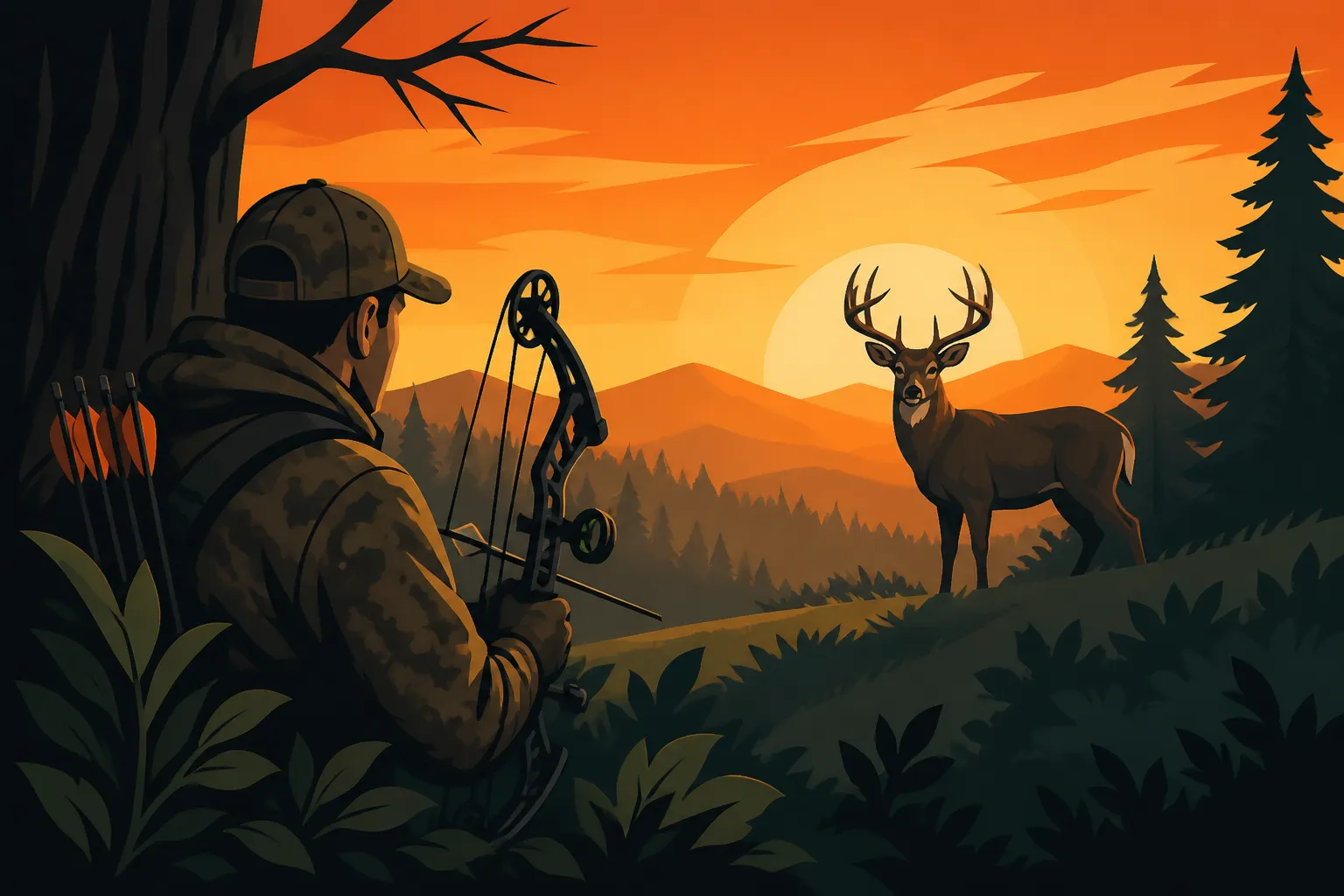
The peak of the rut in New York’s Southern Zone is what every deer hunter dreams of: bucks throwing caution to the wind, chasing does, and daylight movement increasing dramatically. However, actually capitalizing on this frantic period can feel like trying to catch lightning in a bottle. Hunters often feel frustrated trying to predict the exact timing and determine the most effective strategies amidst the vast and varied landscapes of the Southern Zone. This comprehensive guide will peel back the layers of the whitetail rut, offering insights into its timing, the behaviors to watch for, and the most productive tactics to help you punch your tag during this exhilarating time.
Understanding the Rut's Timing in New York's Southern Zone
You hear a lot of chatter about the rut, but understanding its true rhythm in the Southern Zone is crucial for successful hunting. It's not just a single day; it’s a dynamic period with distinct phases.
The Astronomical Rut Versus the Actual Chase Phase
The term "rut" often gets thrown around to describe the entire breeding season, but it’s more nuanced than that. The biological, or astronomical, rut is primarily dictated by photoperiod – the length of daylight. As days shorten in the fall, a cascade of hormonal changes in deer drives them to breed. This biological trigger is incredibly consistent year after year, typically pushing the peak breeding activity in New York's Southern Zone into mid-November. This is when the majority of does are receptive and bred.
However, the "chase phase" – the time when you actually see bucks actively running does, making scrapes, and generally being highly visible – can feel a bit more variable. It usually precedes the peak breeding by a week or two and continues into it. While the biological peak is fixed, the visible peak, where you see the most frenzied activity, can feel like it shifts slightly based on local doe-to-buck ratios and individual doe cycles. For instance, in areas with a balanced herd and a strong mature buck presence, you might see intense chasing and scraping earlier and for a longer duration. In contrast, if there are many does and fewer bucks, the visible chase might seem more spread out as bucks have more does to find. Regardless, marking your calendar for the second and third weeks of November as prime "rut action" time in the Southern Zone is a solid bet. This is when you'll see the most consistent buck movement during daylight.
Pre-Rut Excitement and Post-Rut Opportunism
Before the frantic chasing of the peak rut, there's the pre-rut, a period brimming with anticipation and opportunity. This is typically late October into early November. Bucks are feeling their oats, moving around, scent-checking, and laying down a tremendous amount of sign. You’ll see fresh scrapes appearing along field edges, old logging roads, and ridge lines, often near traditional travel corridors. Bucks are still somewhat predictable in their movements between bedding and feeding areas, but they’re also starting to cruise widely, checking for the first receptive does. This phase offers fantastic hunting, as bucks are actively looking for trouble and responding well to calls. Many veteran hunters argue that the biggest bucks are actually more vulnerable in the pre-rut because they're on their feet and haven't locked down with a doe yet.
Following the main breeding push, we transition into the post-rut, usually late November into early December. While the intensity of chasing has often waned, don't write off this period. Bucks are exhausted, having expended massive amounts of energy during the peak, but they are still actively seeking any unbred does. Often, these are yearling does or those that didn't conceive during the primary breeding cycle. During the post-rut, deer begin to shift their focus more towards food sources as they need to replenish calories. This means hunters should concentrate their efforts near remaining food sources, like standing cornfields in the Southern Tier or acorn flats that are still producing. It’s a great time to fill those extra Deer Management Permits (DMPs) if you're lucky enough to have them, especially in unlimited WMUs.
Key Rutting Behaviors to Look For
Deer are constantly communicating, and during the rut, their "language" becomes much louder and more obvious. Learning to read these signs is like getting a cheat sheet for where to focus your efforts.
Scrapes, Rubs, and Travel Corridors
The woods during the rut become a billboard for buck activity. Scrapes, those cleared patches of ground where a buck has pawed away leaves and urinated, are scent posts signaling his presence and readiness to breed. Pay close attention to fresh scrapes – those with wet earth and a strong odor, often with a low-hanging "licking branch" above them that bucks chew and rub with their pre-orbital glands. A line of these scrapes, particularly a "primary scrape line" along a natural travel route, indicates heavy buck traffic.
Rubs are another critical sign. These are sections of saplings or small trees that bucks have rubbed with their antlers, leaving behind shredded bark and scent from their forehead glands. Newer, shinier rubs mean current activity. As you scout, differentiate between small rubs made by young bucks and larger, more aggressive rubs often found on bigger trees, indicating a mature buck. Finding multiple large rubs in an area suggests a mature deer is working that territory.
Crucially, during the rut, bucks utilize travel corridors even more intensely. These are natural funnels or pinch points that connect bedding areas, feeding areas, and doe hangouts. Think about saddles on ridges, creek bottoms, narrow strips of woods between fields, or thickets bordering open timber. A deep understanding of these travel patterns is critical. For instance, in the steep terrain of the Catskill Forest Preserve, bucks will often cruise benches or specific ridge lines to conserve energy while checking for does. Conversely, in the agricultural areas of the Southern Tier, a buck might move along a hedgerow or a ditch line between two standing cornfields. Using detailed mapping tools, like those found on GoHunt, can help you visualize the terrain and identify these natural funnels before you ever step foot in the woods.
Observing Deer Movement Patterns
One of the most exciting aspects of hunting the rut is the dramatic increase in daylight movement, especially from mature bucks who might have been largely nocturnal. During the pre-rut, you'll see bucks cruising, often alone, actively scent-checking and moving with purpose. They’re less focused on eating and more focused on finding does.
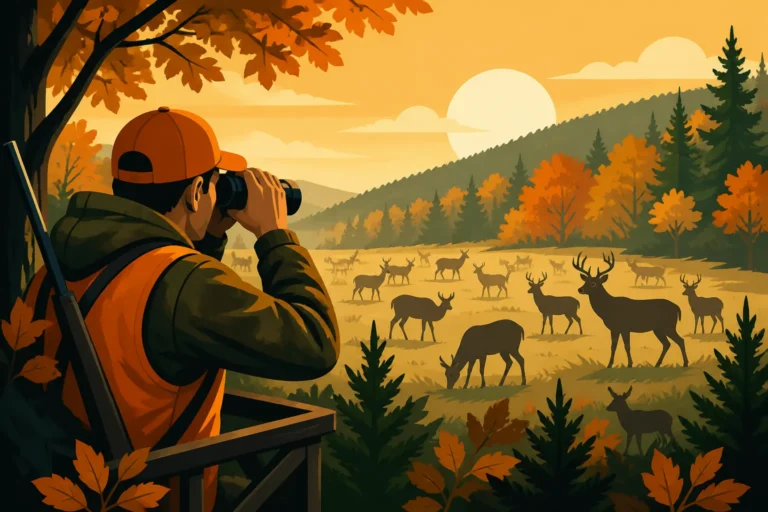
As the peak rut approaches, the scene changes. You'll start to witness bucks actively chasing does, sometimes relentlessly. This can be frantic, with deer tearing through the woods. A "hot" doe, one that is truly receptive, will often have multiple bucks trailing her, or a single dominant buck will be relentlessly pushing her. If you see a doe acting skittish, constantly looking back over her shoulder, or even running with her tail tucked, there’s a good chance a buck is right behind her. Being patient and observing these interactions can often lead to a shot opportunity as the buck will eventually drop his guard, focused solely on the doe. Remember, during the rut, bucks will often check traditional doe bedding areas and feeding sites more frequently, making these locations high-probability setups.
Effective Hunting Tactics During the Southern Zone Rut
The rut requires a different mindset and different tactics than early or late season hunting. It's about being where the action is and understanding how to influence it.
Stand Placement for Peak Rut Action
During the peak rut, you need to be in areas where bucks are likely to move frequently while searching for does. Forget static setups around a single food plot. Instead, think about intercepting movement. Prime locations include:
- Natural Funnels and Pinch Points: These are areas where topography or habitat forces deer into a narrow corridor. A saddle between two ridges, a narrow strip of timber connecting two larger woodlots, or a bottleneck created by a swamp or steep creek. Bucks will naturally use these to check for does more efficiently. Consider how to set up for success by Hanging a Stand on an Adirondack Funnel if you find similar terrain characteristics in your Southern Zone hunting area.
- Ridge Tops and Benches: In hilly regions like the Catskills or parts of the Southern Tier, bucks will often cruise ridge tops or benches (flat areas on a slope) as they check for does below and above them. These vantage points offer good visibility and scenting conditions. Reading a Ridge for Catskill Deer Movement can give you specific insights into these habits.
- Doe Bedding Areas and Food Sources: While bucks aren't primarily feeding, they're constantly checking doe bedding areas and the food sources where does congregate. Setting up downwind of a thick bedding area or an active acorn flat can pay off, especially during the midday lull when bucks might be checking these spots for a receptive doe.
- All-Day Sits: This is perhaps the most crucial tactic. Bucks can be on their feet at any time during the rut, but midday hours often see a surge in chasing activity when other hunters are out of the woods. Packing a good lunch, plenty of water, and having a comfortable stand setup for Cold-Weather Sitting Strategy in New York can make all the difference.
Calling and Decoying Strategies
Engaging with deer through calling and decoying can be incredibly effective during the Southern Zone rut.
- Grunt Calls: A simple grunt tube is a must-have. A deep buck grunt can pique a cruising buck's curiosity, making him come closer to investigate. During the pre-rut, less aggressive grunts work well. As the rut intensifies, more aggressive grunts, sometimes combined with a snort-wheeze, can challenge a dominant buck.
- Rattling Antlers: Mimicking a buck fight can be a powerful attractant. During the pre-rut, light rattling might draw in curious bucks. At the peak of the rut, crashing antlers together aggressively, followed by a series of grunts, can really pull in bucks looking for a fight or to steal a doe. Adjust your Rattling Volume in Thick Cover based on how dense the woods are around you.
- Doe Bleats: A doe bleat, especially a "canned heat" or estrus bleat, can signal a receptive doe and draw in bucks. Use it sparingly, and often after a rattling sequence to imply a doe is present after the "fight."
- Decoys: Decoys can work, but require careful planning. A lone buck decoy can challenge a dominant buck, while a doe decoy can attract bucks looking for a mate. Scent is critical with decoys; use dominant buck urine or estrus doe urine to enhance realism. Always position your decoy downwind of your stand so an approaching buck is broadside for a shot as he circles to scent-check. Make sure you use a scent eliminator on the decoy itself to avoid any unnatural odors.
Mobile Hunting and Still-Hunting
Not everyone is a fan of sitting all day, and thankfully, the rut also offers excellent opportunities for more active hunting methods.
- Still-Hunting: This involves moving slowly and deliberately through the woods, stopping frequently to scan, listen, and glass. It's an art form that requires immense patience. Focus on moving into the wind or with a slight crosswind, especially through thicker cover, creek bottoms, or along benches where deer might be bedded or cruising. Still-Hunting Catskill Ridges is a classic example of this, where you move quietly along contours, picking apart the terrain with your eyes. The goal isn't to walk far, but to move silently, scanning for pieces of deer – an ear flick, a horizontal backline, a patch of brown hair.
- Spot and Stalk: In more open terrain, such as agricultural fields in the Southern Tier, glassing from a distance to locate deer and then executing a careful stalk can be highly effective. This works particularly well for bucks that are locked down with a doe in a field or woodlot edge. Patience and using terrain features to conceal your approach are key.
- Deer Drives: While often associated with firearm season, small, coordinated deer drives can be effective during the rut, especially on public land where deer might be pushed into thick cover by pressure. A small group of 3-4 hunters can gently push a woodlot towards standers, potentially bumping a rut-crazed buck. For larger groups, understand the safety protocols and how to effectively execute Deer Drives With Three or Four Hunters.
Factors Influencing Rut Activity and Success
The rut isn't just about deer hormones; external factors play a huge role in how and when deer move, dictating your hunting success.
Weather's Role in Rut Intensity
Weather is arguably one of the biggest external influences on deer activity, especially during the rut.
- Cold Fronts: A significant drop in temperature, especially after a warm spell, almost always triggers an increase in deer movement. Bucks feel more comfortable being active during daylight hours when it's colder, and the crisp air can enhance scenting conditions, making them more efficient at finding does. Pay close attention to weather forecasts, and plan your hunts around incoming cold fronts.
- Rain and Snow: Light rain or a dusting of fresh snow can be a double-edged sword. While it might suppress movement initially, deer often become very active right before or after a weather system moves through. Fresh snow, in particular, offers an unparalleled opportunity for Tracking a Deer in Fresh New York Snow, allowing you to follow fresh sign right to a buck.
- Wind: High winds can make deer nervous, as it makes it harder for them to hear approaching predators. Movement might be reduced in open areas but could increase in more sheltered, thicker cover. Always play the wind, especially in varied terrain like the Catskills where Wind and Thermals on a Catskill Ridge can shift throughout the day. Your scent is your biggest enemy.
Hunting Pressure and Deer Behavior
New York's Southern Zone, especially its public lands, can see substantial hunting pressure during the firearm season, which largely overlaps with the rut. This pressure significantly impacts deer behavior.
- Increased Nocturnal Activity: Heavily pressured deer, particularly mature bucks, will often revert to more nocturnal patterns, moving primarily under the cover of darkness to avoid hunters.
- Seeking Sanctuaries: Deer will quickly learn where hunters aren't and seek refuge in thick, often overlooked areas like dense swamps, steep ravines, or small, isolated pockets of cover on private land adjacent to public ground.
- Adapting Your Strategy: To counter pressure, you need to think differently. Get deeper into public land than most hunters are willing to go. Look for difficult-to-access areas that others overlook. Utilize detailed mapping applications that show public land boundaries and topography. Tools like GoHunt can be invaluable here, allowing you to overlay public land boundaries with topographical maps to pinpoint those hidden pockets or identify prime travel corridors that other hunters might overlook. Focus on hunting midday, when many hunters have left the woods for lunch or to warm up. Understanding Hunting Pressure on New York Public Land is key to adapting.
Food Sources and Unbred Does
Even during the rut, deer need to eat. While bucks might prioritize breeding over feeding at the peak, does still need to refuel, and bucks will eventually follow them to food.
- Acorns: In oak-heavy areas, a strong acorn crop can be a major draw. Bucks will cruise through oak stands checking for does, especially if there's a good mast crop keeping does in the area. Hunting After a Poor Acorn Year might mean you need to adjust your focus from oak flats to other food sources.
- Standing Crops: In agricultural regions of the Southern Tier, standing corn or soybean fields are magnets for deer. Bucks will often stage in adjacent woodlots or thickets, checking field edges for does. Consider setting up on the downwind side of such fields or along the travel routes leading into them. For specific advice, look into Hunting a Standing Cornfield in Farm Country.
- Browse and Evergreens: Don't overlook natural browse, especially in timber country. Clear-cuts, regenerating areas, or even specific evergreen stands can offer both food and cover, attracting does and the bucks that follow. During the post-rut, these areas become even more critical as deer try to regain lost weight. Understanding Late-Season Food Sources for New York Whitetails will prove beneficial as the rut winds down.
| Rut Phase | Typical Timing (Southern Zone) | Primary Buck Behavior | Recommended Tactics | Key Signs |
|---|---|---|---|---|
| Pre-Rut | Late October – Early November | Rubs, scrapes, cruising | Stand over scrapes, calling, cruising | Fresh rubs, big scrapes, increased daylight activity |
| Peak Rut (Main Breeding) | Mid-November (approx. Nov 10-25) | Chasing does, locked down with does | All-day sits, funnels, aggressive calling | Bucks chasing does, frenzied movement |
| Post-Rut | Late November – Early December | Seeking unbred does, recovering | Focus on food sources, thermal cover | Fewer chases, bucks often alone, focus on nutrition |
Disclaimer
Hunting is an inherently risky activity. Always prioritize safety, understand and follow all New York State hunting regulations, and obtain appropriate licenses and permits. This guide provides general information and recommendations; local conditions and specific deer behavior can vary. Always scout your chosen hunting area thoroughly and be prepared for changing conditions.