Hunting the Long Island Fall Turkey Window
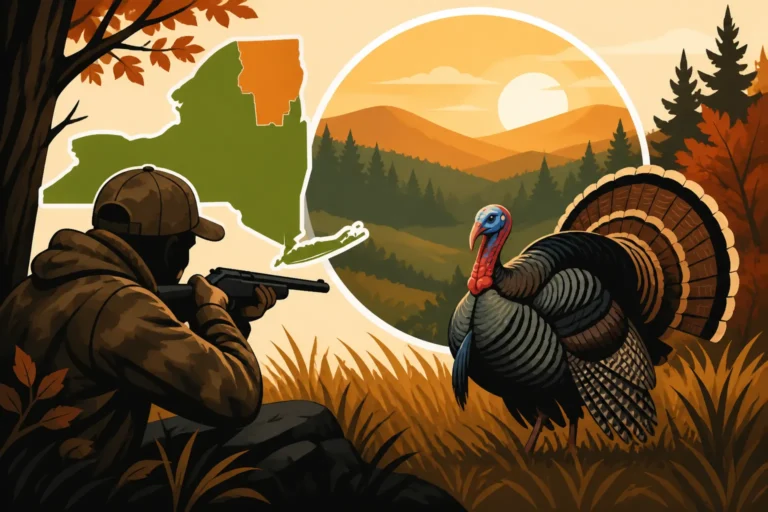
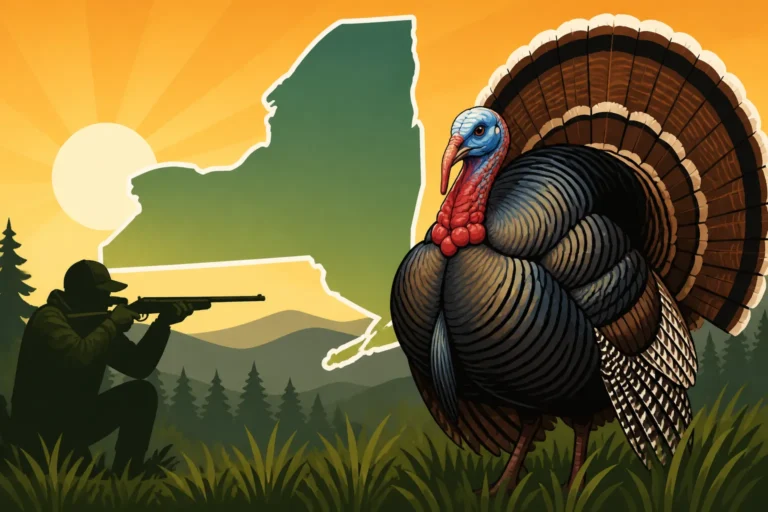
Hunting wild turkeys on Long Island in the fall can feel like a completely different ballgame compared to the rest of New York State. Many hunters get confused by the specific, often later, season dates and unique regulations that apply to this region. It’s easy to miss the short window if you're not paying close attention, and the hunting itself demands a different approach than the bustling spring woods or even fall hunts elsewhere. This guide is designed to clarify the Long Island fall turkey window, help you understand the specific rules, and provide actionable strategies to successfully locate and harvest a gobbler or hen in this distinct hunting environment.
Decoding the Long Island Fall Turkey Season
Unlike much of the rest of New York, Long Island operates under its own specific set of rules and seasons when it comes to fall turkey hunting. This isn't just a minor tweak; it's a completely different calendar that can catch even seasoned hunters off guard if they're not careful. The unique population dynamics and habitat characteristics of Long Island necessitate these special considerations, so understanding them is your first and most critical step.
Understanding the Specific Season Dates and Duration
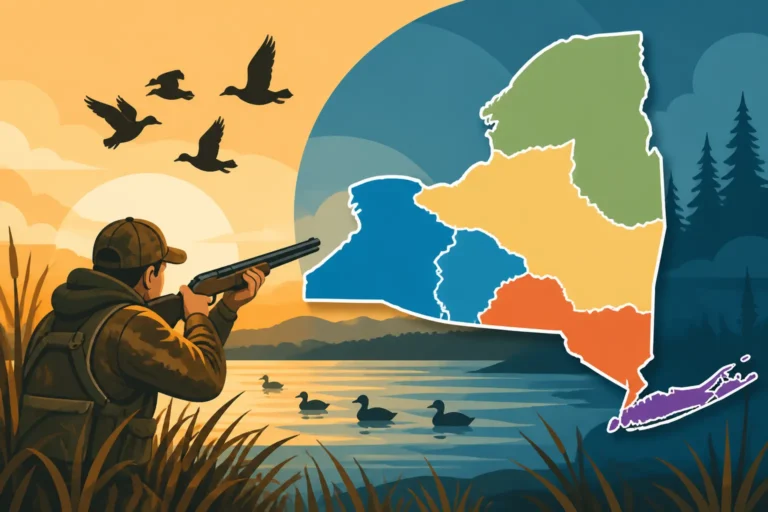
The most important thing to grasp about fall turkey hunting on Long Island is its distinct season length and timing. While the Southern Zone generally has a much longer fall turkey season, often spanning most of October and November, Long Island's window is considerably shorter and typically starts much later in the year. For most years, you're looking at a compressed period, often in the latter half of November and sometimes extending into early December. This late start often means colder weather, sparser cover, and potentially even snow, all of which can influence turkey behavior and your hunting tactics. The New York Department of Environmental Conservation (DEC) sets these dates annually, and it's absolutely crucial to check the current regulations before planning your hunt. This specialized window for Long Island is explicitly outlined in the broader details concerning New York Fall Turkey Zone Windows, highlighting its uniqueness within the state.
This shortened, later season means you have less time to get out there, and you might be contending with holiday travel or other late-season deer hunting commitments. It really puts the pressure on to make the most of every opportunity you get. If you're used to the long, leisurely fall seasons upstat, the Long Island window demands a more focused, strategic approach to scouting and hunting.
Bag Limits and Other Regulations
Beyond the season dates, the bag limit for fall turkeys on Long Island is also quite specific and often more restrictive than in other parts of the state. For many years, the bag limit has been one bird, of either sex, per season. This contrasts with some other zones where you might be allowed more. This "one bird" rule means every decision you make, from shot placement to ethical calling, carries a bit more weight. You want to ensure you make a clean, ethical harvest when the opportunity presents itself.
It's also important to remember that fall turkeys, unlike spring gobblers, do not require a separate turkey permit in addition to your small game license. However, you must possess a valid New York hunting license. All other general hunting regulations apply, such as legal shooting hours, blaze orange requirements (when hunting small game or deer concurrently, or simply for safety), and respectful conduct on public and private lands. Always consult the official DEC Hunting and Trapping Guide for the most up-to-date and complete information, as regulations can change from year to year. Knowing these rules ensures you stay legal and enjoy your hunt without unnecessary complications.
Here’s a quick overview of the key differences for Long Island fall turkey hunting:
| Feature | Long Island Fall Turkey | Southern Zone Fall Turkey (General) |
|---|---|---|
| Season Dates | Late November – Early December (Short, specific window) | Mid-October – Mid-November (Longer window) |
| Bag Limit | One bird (either sex) | One bird (either sex) OR two birds (either sex, depending on WMU) |
| Permit Required | Hunting License Only | Hunting License Only |
| Blaze Orange | Recommended / Required if concurrent with big game season | Recommended / Required if concurrent with big game season |
Locating Fall Turkey Flocks on Long Island
Finding turkeys on Long Island is often the biggest challenge, especially if you're accustomed to areas with higher turkey densities. Long Island's landscape is unique, with significant suburban development interspersed with large tracts of state forests and parks, particularly in Suffolk County. This means you need to be very strategic in your scouting and focus on key habitat types where turkeys can thrive and escape pressure. Tools like mapping apps, including GoHunt, can be invaluable for pinpointing these areas and understanding the lay of the land before you even step foot in the woods.
Preferred Habitat and Food Sources
Long Island's turkeys tend to concentrate in areas with suitable mixed woodlands, often characterized by oak, pine, and some wetland features. The expansive Pine Barrens region, particularly within Suffolk County, offers some of the best habitat. Areas like the Rocky Point Natural Resources Management Area, the Otis Pike Preserve, and other state forest blocks provide the necessary cover and food sources. Turkeys are always looking for food, and in the fall, this means acorns are a primary draw. Hardwood ridges with a good mast crop will hold birds. Look for white oak and red oak stands, as these provide crucial sustenance. Beyond acorns, turkeys will forage for seeds, insects, and any remaining berries. They also need access to water and suitable roosting trees, typically large, mature pines or hardwoods.
Understanding where the food is currently located is paramount. A poor acorn year in one area might push birds to seek out other food sources like beechnuts, dogwood berries, or even agricultural fields if they are present nearby. Utilizing a mapping tool like GoHunt can help you identify areas with dense oak concentrations or pine stands that might offer good roosting cover. It allows you to overlay different habitat types and topographical features, which is essential for planning effective hunting routes and pinpointing potential turkey hotspots. Focusing your efforts on these food-rich, secluded habitats will greatly increase your chances of encountering birds. Don't forget to review Hunting Long Island State Parkland Hunting Rules for specific access regulations.
Scouting for Roosts and Ground Sign
Pre-season scouting is absolutely critical for fall turkeys, perhaps even more so than in spring. Fall turkeys are flock animals, and finding their patterns and preferred areas is key. Start by looking for classic turkey sign: tracks in soft earth, droppings (larger and often more amorphous in fall than the distinct spring droppings), and dusting bowls. Dusting bowls are shallow depressions where turkeys "bathe" in dry dirt or dust to rid themselves of parasites. These indicate a well-used area.
Pay close attention to potential roosting sites. Turkeys typically fly up to roost in large, mature trees, often pines, at dusk and fly down at dawn. Finding their droppings and feathers under large trees, especially on ridges or near water, can pinpoint their nighttime locations. If you can locate a consistent roost, you can plan an early morning ambush. Listening for fly-down cackles at first light or fly-up sounds at last light can also give away their position. GoHunt can assist here by showing mature timber blocks where roosts are likely. By thoroughly scouting before the season, you're not just looking for birds; you're building a mental map of their movements and preferred areas, which will pay dividends once the season opens. This level of detail in scouting is vital for success, much like when Scouting New York Public Land Before Season for deer.
Effective Tactics for Long Island Fall Turkeys
Fall turkey hunting is fundamentally different from the spring gobbler pursuit. Instead of enticing an eager tom with seductive hen calls, your primary goal in the fall is to locate a flock, break it up, and then call the scattered birds back together. This tactic preys on the strong social instincts of turkeys. On Long Island, with its often denser cover and potentially fewer birds, executing these tactics effectively requires patience, stealth, and a keen understanding of turkey behavior.
Breaking Up the Flock: The Classic Fall Strategy
The most effective and widely used fall turkey tactic is to locate a flock and then purposefully scatter it. Turkeys are highly social creatures, and once separated, they have an innate drive to regroup. To do this, you first need to find them. This can involve still-hunting through known feeding areas, listening for their distinct "cluck-cluck-putt" vocalizations, or even spotting them from a distance. Once you've identified a flock, your goal is to rush them, making as much noise as possible to send them flying or running in every direction. The more scattered they are, the better. This is where the tactic of Breaking Up a Fall Turkey Flock truly shines.
After the flock has dispersed, immediately find a good setup location that offers concealment and a clear line of sight in multiple directions. Wait quietly for 15-30 minutes, letting the woods settle down. The urge to regroup will soon kick in. This is when you begin calling. The key is to mimic the sounds of lost birds trying to find each other, primarily using kee-kees and assembly yelps. This emotional distress call is incredibly effective on scattered, lonely birds. Patience is crucial here; sometimes it takes an hour or more for birds to start responding and commit to coming back to your calls.
Calling Strategies and Setup
Once the birds are scattered, your calling strategy needs to switch from locator calls to reunion calls. The "kee-kee" is the signature call of a young lost turkey, and it's highly effective in fall. It's a series of three to five high-pitched, whistled notes. You can also add some lost yelps, which are longer, more drawn-out yelps than those used in spring. Start softly and then increase volume and urgency as time passes, much like real birds would do as their anxiety grows. Listen intently for responses – soft kee-kees, clucks, or even distant yelps.
When setting up, choose a spot with good back cover to break up your outline, but also ensure you have clear shooting lanes. Turkeys will often approach cautiously, circling to try and spot the "lost" bird they hear. Avoid setting up in thick brush where visibility is poor. If you're using decoys, a single hen or jake decoy can add visual reassurance, but it's often not strictly necessary for this tactic. For more on this, consider insights from Decoy Placement for Pressured Birds. Remember, fall birds are often more wary than their spring counterparts, so minimizing movement and remaining absolutely still is paramount as they get close. If you're looking for Turkey Calls Worth Carrying in New York, a good box call and a slate call are excellent choices for replicating these fall sounds.
Still-Hunting and Ambush Opportunities
While breaking up a flock is ideal, it's not always possible, especially if you're hunting particularly shy birds or in areas where flocks are smaller or widely dispersed. In these situations, still-hunting becomes a valuable tactic. Still-hunting involves moving very slowly and deliberately through the woods, pausing frequently to look and listen. Focus on areas where you’ve found fresh sign or identified prime feeding habitat, like oak flats or edges near fields if available. Use binoculars to scan ahead for movement.
Another effective approach on Long Island is setting up an ambush along known travel corridors, especially if you've done your scouting. Turkeys often use predictable routes between roosting areas, feeding grounds, and water sources. These can be faint game trails, logging roads, or natural funnels created by terrain features. If you know turkeys regularly pass through a certain choke point, positioning yourself silently and patiently can lead to an unexpected shot opportunity. This is akin to Hunting a Funnel Between Two Swamps for deer, but applied to turkey movement. A quiet, comfortable setup with a good Turkey Vests With a Kickstand Seat can make these patient waits more bearable and productive.
Essential Gear for Long Island Fall Turkey Hunting
Having the right gear is crucial for any hunting endeavor, and Long Island fall turkeys are no exception. The unique conditions, from potentially dense cover to variable late-fall weather, dictate certain choices. You don't need a mountain of specialized equipment, but a few key items will significantly enhance your comfort, safety, and success.
Shotgun and Ammunition Choices
For fall turkeys, a 12-gauge or 20-gauge shotgun remains the standard. The choice between them often comes down to personal preference and how comfortable you are handling recoil. A 20-gauge, when paired with modern tungsten super shot (TSS) loads, is incredibly effective and offers less kick, which can be advantageous for faster follow-up shots if needed. A full or extra-full choke is generally recommended to achieve a tight pattern, ensuring maximum pellet density at the turkey's head and neck, which is your target zone.
When it comes to ammunition, modern high-density loads, especially TSS, have revolutionized turkey hunting. While lead shot is still legal for turkeys, TSS offers superior downrange energy and pattern density due to its heavier material, allowing for cleaner kills at longer distances. However, standard lead loads, such as magnum 4, 5, or 6 shot, are still perfectly adequate for closer shots. The most important thing is to pattern your chosen load and choke combination at various distances (20, 30, 40 yards) to understand its effective range. You want to be confident in your setup. More details on selecting the right setup can be found in Turkey Shotguns and Chokes.
Calls and Decoys
For fall turkey hunting, your call repertoire is slightly different than in spring. While you might still use a gobble tube as a locator, the real workhorses are calls that produce kee-kees, lost yelps, and assembly yelps. A good slate call or pot call is versatile and can produce a wide range of these sounds. Mouth calls (diaphragm calls) are excellent for hands-free calling, which is vital when a turkey is approaching and you need to remain motionless with your gun shouldered. A box call can also be very effective, especially for reaching out over longer distances with loud, plaintive yelps.
Decoys are less critical in fall than in spring, but they can still be useful. If you successfully scatter a flock and call birds back, a single hen or jake decoy can provide that visual confirmation that a wary bird needs to commit the last few yards. However, avoid elaborate decoy spreads, as they are often unnecessary and just add extra bulk to carry. Sometimes, a simple, realistic hen decoy is all you need. Focus on natural, subtle presentations.
Clothing, Navigation, and Comfort
Long Island's late fall can be quite variable, from mild, sunny days to cold, blustery conditions with rain or even early snow. Layering your clothing is essential to adapt to changing temperatures and your activity level. Start with a moisture-wicking base layer, add insulating mid-layers like fleece or wool, and finish with a quiet, waterproof outer shell. Wool is an excellent choice for hunting clothing because it retains warmth even when wet and is naturally quiet. Blaze orange is often required if you are hunting concurrently with the firearm deer season, or simply as a safety precaution if other hunters are in the area. Always check current regulations.
Navigation on Long Island, even in seemingly smaller state forests, can be tricky. Dense thickets, subtle terrain changes, and interconnected trail systems can disorient you. A reliable GPS unit or a smartphone app like GoHunt with downloaded offline maps is invaluable. Mark your starting point, known turkey sign, and any other points of interest. This helps you move confidently and ensures you can navigate back to your vehicle, especially when walking out after dark. Don't forget a good headlamp, plenty of water, and some high-energy snacks for longer hunts. These items contribute significantly to both your effectiveness and safety in the woods. While New York Hunter Education Requirements cover safety extensively, proactive preparation with your gear is equally important.
Long Island's Unique Turkey Population Dynamics
The wild turkey population on Long Island has a fascinating history and current status that influences hunting success. Unlike the booming numbers seen in many upstate regions, Long Island's turkeys faced a complete extirpation and have since been re-established through dedicated conservation efforts. Understanding these dynamics can give you a better perspective on why the hunting experience here is so distinct.
History of Restoration and Current Population
Wild turkeys were once native to Long Island but were extirpated by the late 19th century due to habitat loss and unregulated hunting. Their return is a conservation success story. The New York DEC, working with local conservation groups, began reintroducing wild turkeys to Long Island in the 1990s, primarily in suitable habitat within Suffolk County. These birds were trapped from robust populations in other parts of New York and relocated to areas like the Rocky Point Natural Resources Management Area. Over the subsequent decades, these transplanted birds successfully established breeding populations and slowly expanded their range.
Today, while the population is stable and huntable, it's generally not as dense or widespread as in the Southern Tier or Catskills. Turkeys are primarily found in Suffolk County, particularly within the Pine Barrens and other large contiguous blocks of woodland. Their expansion into more suburban areas is limited by habitat fragmentation and human development. This means that success often hinges on finding these localized pockets of birds rather than encountering them frequently throughout the landscape. For a broader perspective, you might be interested in reading about New York Turkey Population Trends.
Challenges and Outlook for Hunters
Hunting Long Island fall turkeys comes with its own set of challenges that are important for hunters to acknowledge. Firstly, as mentioned, the population density is lower than in other parts of the state. This means you might have to work harder, scout more extensively, and cover more ground to locate birds. The presence of significant public land holdings, like those managed by the DEC or the county, offers access, but these areas can also experience some hunting pressure, especially on opening days. GoHunt maps can help identify less-pressured areas further off the beaten path.
Secondly, the "late fall" timing of the season means weather can be a significant factor. Colder temperatures, strong winds, and the potential for snow can make hunting more difficult, both for you and for the birds. Turkeys may alter their feeding patterns, spend more time roosted, or become less vocal in harsh conditions. Despite these challenges, the satisfaction of harvesting a Long Island turkey is immense, knowing you've succeeded in a unique and hard-won hunting environment. The consistent management by the DEC ensures that the population remains viable for future generations of hunters who appreciate the distinct opportunity to pursue these wary birds close to home.
Disclaimer
Please remember that hunting regulations, season dates, and bag limits can change annually. Always consult the official New York State Department of Environmental Conservation (DEC) hunting and trapping regulations guide before heading afield to ensure you are fully compliant with all current laws. This article is for informational purposes only and does not supersede official DEC regulations.