How Long a New York License Stays Valid
Ever felt that slight pang of anxiety right before heading afield, wondering if your New York hunting license is actually still valid? It’s a super common worry, especially with so many different seasons, permits, and specific rules in our diverse state. This comprehensive guide is here to untangle the complexities of New York hunting license validity, ensuring you're always compliant and ready to enjoy our incredible outdoor opportunities.
The Annual Cycle of New York Hunting Licenses
For most New York hunters, the hunting license operates on a pretty standard annual cycle that can sometimes feel a bit counter-intuitive if you're not used to it. Unlike a driver's license that might expire on your birthday, New York hunting licenses follow a fixed period that kicks off in the late summer.
When the License Year Begins and Ends
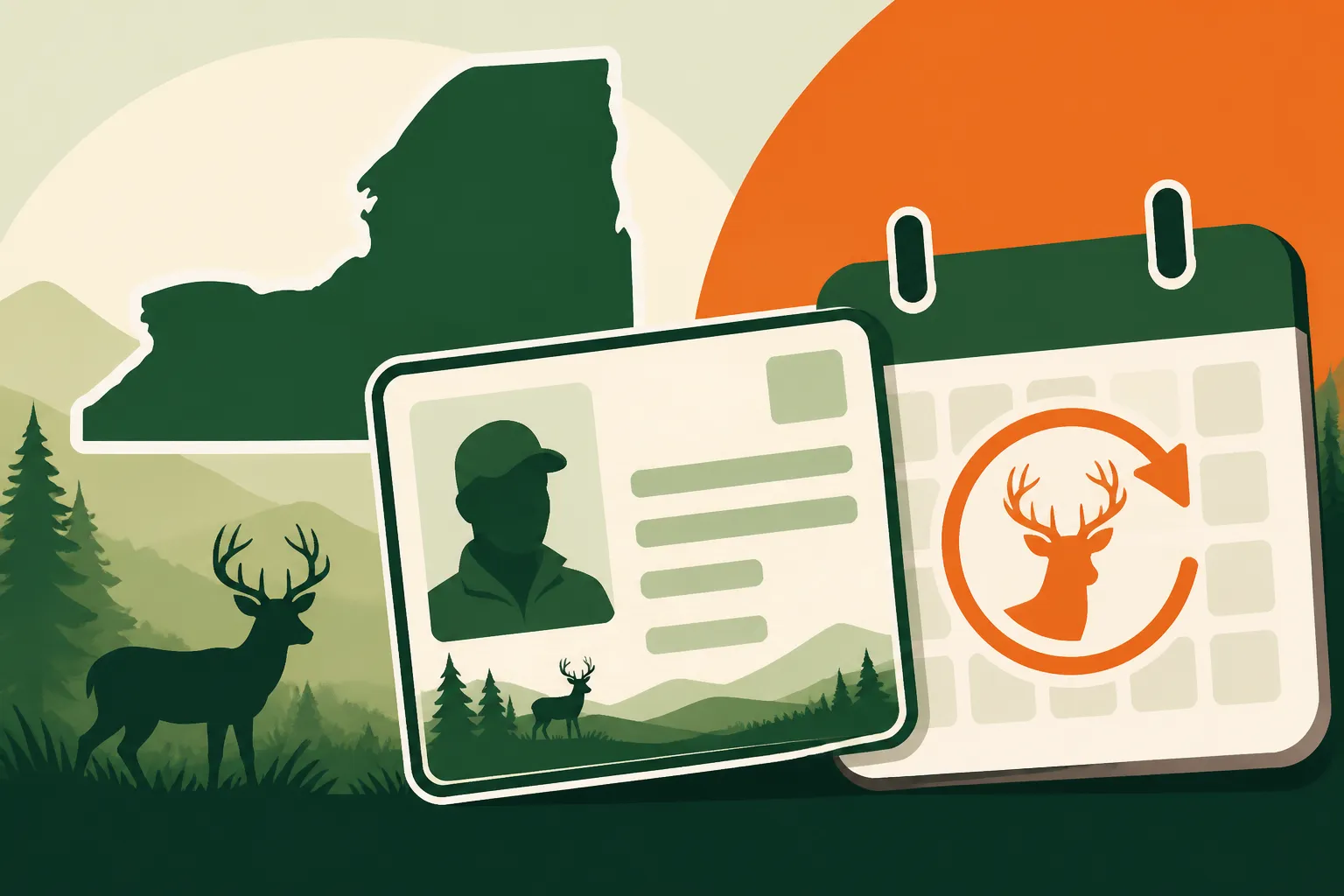
The New York State Department of Environmental Conservation (DEC) sets a specific annual period for most hunting licenses. Generally speaking, a standard annual New York hunting license, as well as associated privileges like bowhunting and muzzleloading, becomes valid on September 1st of any given year and remains valid through August 31st of the following year. So, if you purchase a 2024-2025 hunting license, it's good from September 1, 2024, until August 31, 2025. This cycle applies whether you're buying a general hunting license or specific add-ons. It's crucial to remember this August 31st expiration date because it often catches hunters off guard, especially those who primarily hunt early fall seasons like archery or small game. You might buy your license in July or August, hunt a bit, and then think you're good for the next year, only to find out you've expired before the prime September opener!
This fixed cycle means that even if you buy your license in, say, January of 2025, it will still expire on August 31, 2025. You're not getting a full 12 months from the date of purchase; you're buying into the current license year. This is a key difference from some other states or types of permits, and it's something many first-time New York hunters or those new to the state often misunderstand. It's why the DEC encourages hunters to purchase their licenses before the fall season officially opens, ensuring they don't miss out on those critical first few days or weeks of hunting.
Why the September 1st Start Date Matters
The September 1st start date is designed to align with the beginning of various hunting seasons across the state, particularly early archery seasons for deer and bear, as well as the opening of many small game and waterfowl seasons. This structure simplifies things for the DEC in terms of administration and enforcement, ensuring everyone is on the same page for the entire hunting year. However, it requires hunters to be proactive and mindful of the calendar. Many hunters find it easiest to just make it a habit to renew their license sometime in August, even if they don't plan to hit the woods until later in the fall.
Imagine you've been diligently scouting public land, maybe using an app like GoHunt to pinpoint promising cover and travel corridors, and you've got a killer spot picked out for the archery opener on September 27th. You're all set, gear is prepped, broadheads are sharp. But if you bought your license the previous November and forgot to renew, you're suddenly out of compliance before you even draw your bow! This scenario plays out more often than you'd think. Always check that expiration date on your physical or digital license, perhaps through the Scouting With the New York HuntFishNY App which helps keep track of your credentials. Being informed about New York Hunting Licenses and What They Cost is the first step toward hassle-free hunting.
Decoding Different License Types and Their Lifespan
While the September 1st to August 31st window is the general rule, New York offers several different license types and privileges, each with its own nuances regarding validity. Understanding these differences is crucial for any hunter.
Annual Hunting Licenses and Associated Privileges
The basic "Annual Hunting License" is your entry ticket to most hunting activities in New York. However, to hunt with specific equipment or for certain species, you'll need additional privileges, often purchased alongside your base license. These include the Bowhunting Privilege and the Muzzleloading Privilege. Just like the annual hunting license, these privileges are also valid for the same September 1st to August 31st cycle. They aren't separate, year-round permits; they are extensions of your annual hunting license. This means if your general hunting license expires, so do your bowhunting and muzzleloading privileges.
For instance, if you're a dedicated archer, you'll need both a valid annual hunting license and the bowhunting privilege. This combination allows you to participate in Bowhunting New York's Long Archery Season. Without both, you're not legal. The same goes for muzzleloader hunters who want to participate in Muzzleloader Deer Hunting in New York. It’s not uncommon for hunters to assume that once they pay for the "privilege," it's somehow permanent or lasts longer than the base license. This isn't the case in New York. All annual components tie into that specific license year, making it essential to renew everything together to ensure you're covered for all your intended hunting methods. Remember to check out your specific New York Resident Hunting License Options or New York Nonresident Hunting License Options depending on where you reside.
Lifetime Licenses: The Exception to the Rule
For those who plan to hunt in New York for the long haul, a Lifetime License is a fantastic investment and the primary exception to the annual renewal rule. Once purchased, a Lifetime License for hunting, bowhunting, or muzzleloading is valid for the lifetime of the license holder. This is a one-time purchase that eliminates the need for annual renewals for that specific license type. It's peace of mind for the committed hunter, freeing them from the yearly scramble to renew and the worry of accidentally letting a license lapse. You can find out more about New York Lifetime License Options if this sounds appealing.
However, even with a Lifetime License, there are still a few things to keep in mind. While the license itself is valid for life, certain permits and stamps may still need to be acquired annually. For example, even a Lifetime License holder will still need to apply for and obtain Deer Management Permits (DMPs), often called antlerless tags, each year if they wish to harvest additional antlerless deer. Additionally, if you plan to hunt migratory birds, you'll still need an annual federal duck stamp and state HIP (Harvest Information Program) certification. These aren't part of the core hunting license or privileges, so they fall outside the lifetime validity. It's always wise to review these specific requirements annually, even if your main license is set for life.
Deer Management Permits and Special Permits
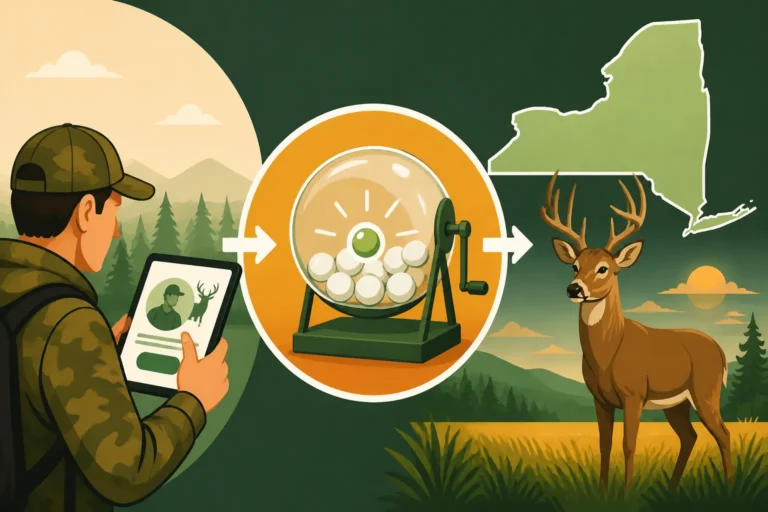
Deer Management Permits (DMPs) are crucial for managing New York's deer population and offering hunters additional opportunities. Unlike your general hunting license, DMPs are specific to a given hunting season (e.g., the 2024-2025 season) and are only valid for that period. They typically become available in July or August, and hunters can apply for them, often through a lottery system for specific Wildlife Management Units (WMUs). Once issued, these DMPs are valid only for the season they were issued for and expire at the end of the last applicable deer season (usually the late archery or muzzleloader season, depending on the zone).
It's also important to note that DMPs often have specific dates of validity within the season. For example, a DMP might be valid only during archery and muzzleloader seasons, or it might open up for use during the regular firearm season in certain WMUs. Always double-check the specific dates and WMU listed on your DMP. This requires careful attention to the New York Deer Seasons by Zone, which often dictate when and where these special permits can be used. Other special permits, such as those for youth hunters or those participating in specific management initiatives, will also have their own defined validity periods, which are always outlined when the permit is issued. You'll also want to be mindful of New York Deer Reporting Requirements for any harvested deer.
Practical Implications for Hunters
Understanding the New York license validity period isn't just about following rules; it’s about practical planning and ensuring your hunting experiences are smooth and legal.
Planning Your Purchases and Renewals
Given the September 1st start and August 31st end date, the most practical approach for New York hunters is to make a habit of purchasing their new licenses and privileges in August. This ensures you're ready for any early season opportunities, from small game to early archery deer or bear seasons. Many hunters will make it part of their late-summer routine, right alongside checking their gear and doing some last-minute scouting. This also helps avoid the rush and potential system slowdowns that can occur closer to the major firearm openers in October and November.
The DEC's online licensing system, available through the Buying a License Through New York's DEC System portal on their website, makes this process incredibly convenient. You can also purchase licenses in person at various license issuing agents across the state, such as town clerk offices or sporting goods stores. Setting a reminder on your phone or marking your calendar for August is a simple, yet highly effective, way to ensure you never accidentally hunt without a valid license. For new hunters, completing New York Hunter Education Requirements is the first step before even thinking about purchasing a license.
Keeping Track of Your Current License Status
New York State has made it easier than ever to keep tabs on your license. When you purchase a license, you'll receive a physical copy, but you can also access a digital version through the DEC's HuntFishNY app. This app is incredibly useful, allowing you to carry your license, tags, and permits digitally on your smartphone. It's legal proof of your license, which means less paper to keep track of in the field.
However, always be mindful of battery life if you're relying solely on your phone. Having a screenshot of your digital license or a small laminated copy tucked into your wallet is a smart backup plan, especially if you're hunting in remote areas with no cell service. Regularly checking your profile on the HuntFishNY app or the DEC's online licensing system will clearly show you the expiration date of all your active licenses and privileges. Some hunters even use external planning apps, like GoHunt, to cross-reference season dates and confirm they're always operating with current credentials. This diligence is key to avoiding an unfortunate encounter with an Environmental Conservation Officer due to an expired license.
Common Mistakes and How to Avoid Them
Even experienced hunters can sometimes trip up on the nuances of license validity. Being aware of these common pitfalls can save you a lot of headache and potential legal trouble.
Misunderstanding the Expiration Date
The most frequent mistake is simply forgetting or misunderstanding the August 31st expiration date. Many hunters assume their license lasts for a full year from the date of purchase, or that it aligns with the calendar year. This is particularly true for those who buy their license late in the hunting season, say in December or January, and then mistakenly believe it will carry them through the next fall. This oversight can lead to hunting illegally during early archery or small game seasons the following year.
To avoid this, make it a steadfast rule: every August, check your license. Period. Even if you're positive you just renewed it, a quick look at the expiration date on your physical license or within the HuntFishNY app confirms you're good to go. This simple check takes seconds and can prevent a world of trouble. Think of it like checking your vehicle's registration sticker; it's just part of responsible ownership, or in this case, responsible hunting.
Forgetting Specific Permits and Stamps
While your main hunting license might be valid, it’s easy to overlook annual requirements for specific permits or stamps. We touched on DMPs and migratory bird requirements, but these are areas where even lifetime license holders can stumble. For instance, the New York Habitat and Access Stamp Cost is another annual consideration that supports habitat conservation and access to public lands, and while optional, many hunters choose to purchase it.
Always review the current year's hunting regulations guide, published by the DEC, to ensure you're aware of any new or ongoing requirements. These guides are updated annually and clearly list all necessary permits, stamps, and certifications. Think of it as your yearly refresher course on what you need to be fully compliant. Before planning a specific hunt, whether it's for ducks in the Western Zone or bear in the Catskills, ensure you have every single required piece of paper (or digital equivalent) for that specific species and location. Even a great mapping tool like GoHunt won't remind you to buy a duck stamp; that's on you!
Ignoring Hunter Education Requirements
For new hunters, or those who have let their license lapse for a significant period, re-certification or initial completion of hunter education is paramount. New York requires successful completion of a hunter education course (and a separate bowhunter education course for archery privileges, or a muzzleloader education course for muzzleloader privileges if not obtained before 1980) before a hunting license can be issued. If you're a new hunter, trying to buy your first license without the proper certification is a non-starter.
If you're unsure about your past certifications, the DEC’s online licensing system can often tell you what courses you have credit for. Don't assume that because you hunted years ago, you're still eligible without verification. Always ensure your hunter education is on file and up-to-date before attempting to purchase your annual license and privileges. This isn't just a legal hurdle; it ensures you have the foundational knowledge for safe and ethical hunting.
Table of New York Hunting License Validity
To help clarify the various validity periods, here's a quick reference table:
| License/Permit Type | Validity Period | Renewal Frequency | Notes |
|---|---|---|---|
| Annual Hunting License | September 1st – August 31st (following year) | Annually | Required for all hunting methods. |
| Bowhunting Privilege | September 1st – August 31st (following year) | Annually | Requires valid Annual Hunting License. |
| Muzzleloading Privilege | September 1st – August 31st (following year) | Annually | Requires valid Annual Hunting License. |
| Lifetime Hunting License | Lifetime of Holder | Never | One-time purchase, but still needs annual DMPs & stamps. |
| Lifetime Bowhunting | Lifetime of Holder | Never | One-time purchase, requires Lifetime Hunting License. |
| Lifetime Muzzleloading | Lifetime of Holder | Never | One-time purchase, requires Lifetime Hunting License. |
| Deer Management Permits (DMPs) | Specific Season Dates (WMU-dependent) | Annually (by application) | Harvest additional antlerless deer; WMU and date specific. |
| Federal Duck Stamp | July 1st – June 30th (following year) | Annually | Required for hunting migratory waterfowl. |
| HIP Certification | September 1st – August 31st (following year) | Annually | Required for hunting migratory game birds. |
Conclusion
Staying on top of your New York hunting license validity might seem like a small detail, but it's fundamental to a worry-free and legal hunting season. By understanding the standard September 1st to August 31st cycle for most annual licenses and privileges, and noting the exceptions for lifetime licenses and specific permits like DMPs, you can ensure you're always properly credentialed. Make an annual habit of checking your licenses, utilize the convenient digital tools available, and stay informed through the DEC's resources. Happy hunting, and may your seasons always be fully legal and incredibly rewarding!
Disclaimer
This guide is intended for informational purposes only and should not be considered legal advice. Hunting regulations in New York are subject to change. Always consult the official New York State Department of Environmental Conservation (DEC) hunting regulations guide or visit their website for the most current and accurate information before participating in any hunting activity.