New York Pheasant Permit Requirement
It's a common question that pops up among hunters, especially those new to the state or coming from areas with different regulations: "Do I need a special pheasant permit to hunt pheasants in New York?" The confusion is understandable, as many states require specific stamps or endorsements for certain game species. This guide is here to cut through the guesswork and give you the definitive answer about New York's pheasant hunting requirements, along with plenty of practical advice to get you out in the fields.
The Straight Truth: No Separate Pheasant Permit in New York
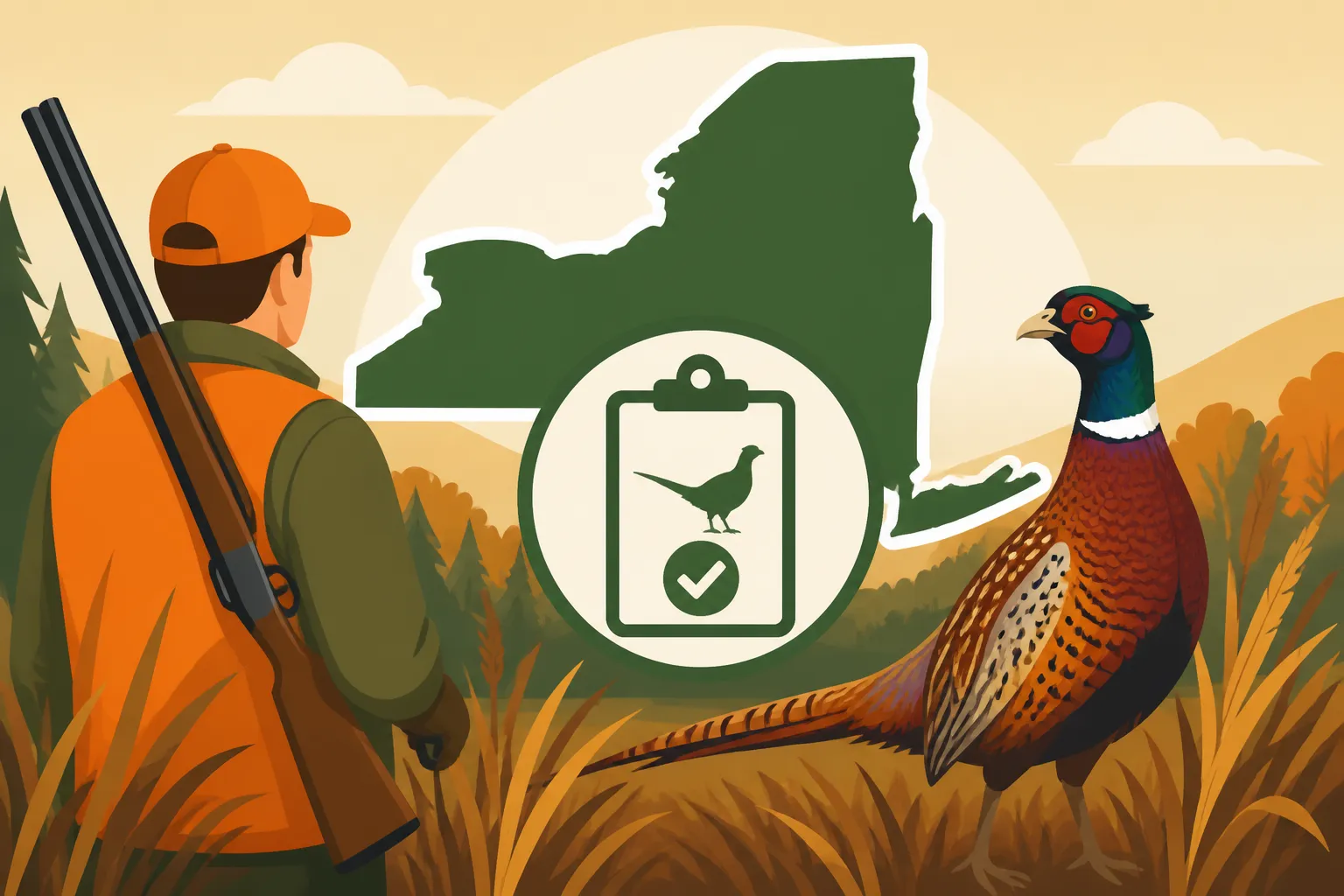
Let's clear the air right from the start, because it's probably the most important piece of information you're looking for: New York State does not require a separate, dedicated pheasant permit or stamp to hunt these vibrant upland birds. Unlike species such as wild turkey, which require a specific turkey permit in addition to your general hunting license, pheasants fall under the umbrella of general small game hunting privileges.
What You Actually Need to Hunt Pheasants Legally
To legally pursue pheasants in New York, your primary requirement is a valid New York State hunting license. This license, which you obtain after completing your hunter education course, grants you the privilege to hunt small game, which includes pheasants, along with other species like rabbits, squirrels, and grouse. There's no extra form to fill out specifically for pheasants, no additional fee, and no special tag to affix to a harvested bird. Your general hunting license is the golden ticket.
It's crucial to understand that while this simplifies things for pheasant hunters, it doesn't mean you can just head out without any paperwork. You absolutely must possess a current, valid hunting license for the season. Whether you carry a physical copy in your wallet or keep an electronic version on your smartphone through the DEC's official HuntFishNY app, having proof of your license readily available is non-negotiable. Game wardens regularly check licenses, and not having one can lead to fines and legal trouble.
This straightforward approach to pheasant hunting in New York often comes as a pleasant surprise to hunters accustomed to more complex licensing systems. While other states might demand an "upland bird stamp" or a "game bird permit," New York groups pheasants into the broader small game category. This means less administrative hassle for you and more time focusing on scouting those prime covers or patterning your shotgun for the upcoming season.
Why This Specific Permit Question Often Arises
The reason so many hunters ask about a dedicated pheasant permit isn't because they're trying to overcomplicate things; it's genuinely due to the varied and often intricate regulations found in other hunting jurisdictions. Many hunters, especially those who travel to hunt or are new residents in New York, might be familiar with states that require specific upland bird stamps or conservation permits for species like pheasants, quail, or even partridge. It's a valid concern to make sure all your ducks (or in this case, pheasants) are in a row before heading afield.
Adding to this confusion, New York does have special permits for other hunting activities. For instance, if you want to hunt deer with a bow, you need a Bowhunting Privilege. If you plan to hunt during the muzzleloader season, a Muzzleloader Privilege is required. And, as mentioned, hunting wild turkeys requires a specific Turkey Permit. These dedicated permits for certain species or methods understandably lead hunters to wonder if pheasants also have their own specific endorsement. The good news is, for pheasants, the answer is a resounding "no."
It's also worth noting that many online hunting resources, while incredibly helpful for general information, often cater to a national audience or focus on specific regions with more complex permit systems. For example, platforms that some hunters use for detailed species information and draw odds for Western states, such as GoHunt, might highlight various permit types. When new hunters consult such broad resources, they naturally start looking for similar complexities in New York's regulations. However, when it comes to New York's pheasant requirements, the process is refreshingly simple: just a general hunting license.
Acquiring Your New York Hunting License and Privileges
Since a general hunting license is the cornerstone of pheasant hunting in New York, understanding how to obtain one is paramount. It’s a process designed to ensure safety and responsible hunting practices, and it’s the gateway to all small game, including pheasants, as well as big game like deer and bear.
Step-by-Step to Getting Your License
The very first step to obtaining a New York hunting license is completing an approved Hunter Education course. This isn't just a formality; it's a comprehensive program that covers firearm safety, responsible hunting ethics, wildlife identification, and state regulations. If you've never held a hunting license in New York or another state, this course is mandatory. The Department of Environmental Conservation (DEC) offers various courses, including in-person field days and online options with a required in-person evaluation. You can find all the details you need to get started by checking out the guide on New York Hunter Education Requirements. It’s an investment in your safety and the future of hunting.
Once you’ve successfully completed your hunter education, or if you can prove prior hunting license history, you can purchase your license. The easiest and most convenient way for most hunters is through the DEC's online licensing system, often referred to as HuntFishNY. This digital portal allows you to purchase your license from the comfort of your home, print it out immediately, or save an electronic copy to your phone. It's available 24/7, which is a huge convenience, especially if you suddenly decide to hit the fields last minute.
Alternatively, you can purchase your license in person at various license issuing agents across the state, such as town clerks, some sporting goods stores, or DEC regional offices. These agents can guide you through the process and answer any questions you might have on the spot. New York offers various license types, including options for residents and non-residents, as well as discounted rates for junior and senior hunters. Understanding these options can help you choose the most cost-effective license for your needs. For a detailed breakdown of what's available, read up on New York Resident Hunting License Options. Your general hunting license covers a wide array of species, and thankfully, pheasants are squarely in that category alongside other popular small game like cottontail rabbits and gray squirrels, as outlined in New York Small Game and Upland Bird Seasons.
Important Add-ons (That Aren't for Pheasants)
While the general hunting license covers pheasants, it's easy to get sidetracked by other permits that don't apply to these birds but are crucial for other types of hunting. For instance, if you plan to hunt migratory game birds like ducks, geese, or woodcock, you'll need to obtain a Harvest Information Program (HIP) certification, and for waterfowl specifically, a federal duck stamp is mandatory. This is a common area of confusion, but pheasants, being primarily a stocked, non-migratory species in New York, do not fall under these migratory bird requirements. For more on HIP certification, check out New York HIP Certification for Bird Hunters.
New York also mandates separate privileges for specific hunting methods or species beyond small game. As mentioned earlier, if you're planning to hunt deer or bear with a bow or during the muzzleloader season, you'll need to purchase the appropriate Bowhunting or Muzzleloading privilege. Similarly, if pursuing wild turkey, a dedicated Turkey Permit is required. These are distinct from your general hunting license and each carries its own fee, adding to the overall cost of your hunting season.
It's important to differentiate these costs from your general hunting license fee. The basic hunting license covers small game like pheasants, but adding privileges for big game or turkey will increase your total outlay. This is why knowing exactly what you plan to hunt before you purchase your license is always a good idea. A clear understanding of these distinctions helps you avoid unnecessary purchases and ensures you’re fully compliant with all state regulations. For a full rundown of all license and permit costs, the article New York Hunting Licenses and What They Cost is an excellent resource.
Hunting Pheasants in New York: Beyond the License
Having your valid hunting license is just the first step. To truly have a successful and enjoyable pheasant hunting experience in New York, you need to understand where to find these birds, what regulations apply, and how to approach the hunt. Since wild, self-sustaining pheasant populations are quite rare in New York, the state's robust stocking program plays a huge role.
Navigating New York's Pheasant Stocking Program
New York's pheasant hunting opportunities are largely supported by the DEC's extensive pheasant stocking program. Each year, thousands of pheasants are raised at the John White Memorial Game Farm in Basom and released on various public and private lands across the state, specifically managed for public hunting access. This program ensures that hunters have a reasonable chance to find birds, even in areas where wild populations might struggle. These stocked birds are released shortly before and during the open pheasant season, providing a fresh supply for hunters.
The key to successfully hunting stocked pheasants is knowing where and when these releases occur. The DEC maintains a list of lands open to pheasant hunting, often Wildlife Management Areas (WMAs), State Forests, or cooperative hunting areas, where pheasants are routinely liberated. These locations are carefully chosen for suitable habitat and public accessibility. Hunters are strongly encouraged to check the DEC website for the annual pheasant release schedule and a map of stocking sites, as these can vary year to year based on available birds and land access. This information is your best friend when planning a trip, giving you the edge on fresh birds. For more detailed information on this, check out New York Pheasant Season and Stocking.
Beyond the direct stocking for hunting, New York also operates a "Day-old Pheasant Chick Program." This initiative provides day-old pheasant chicks to qualified cooperators, often private landowners or hunting clubs, who raise the birds for release on their own property. This program further augments the pheasant population available for hunting, contributing to the overall abundance. It’s an excellent example of how the DEC partners with local communities to enhance hunting opportunities. If you're hunting private land, knowing if the landowner participates in this program could mean finding more birds.
Essential Rules and Tactics for a Successful Hunt
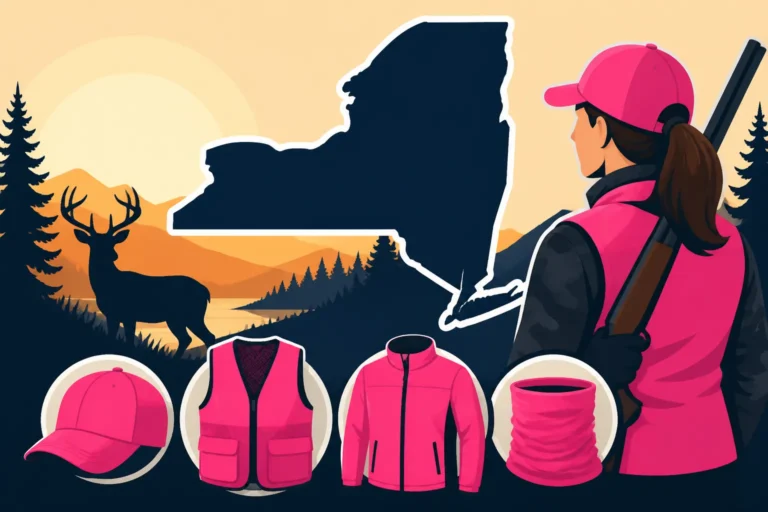
Beyond the license, several key regulations and tactics are essential for a safe and effective pheasant hunt in New York. One of the most critical safety requirements is wearing blaze orange or blaze pink. New York law mandates that during specific hunting seasons, including many small game seasons, hunters must wear a certain amount of visible outer clothing in either blaze orange or blaze pink. This ensures you're visible to other hunters, significantly reducing the risk of accidents. Always check the current regulations, but generally, a hat and vest are recommended. A deep dive into these requirements can be found in New York Blaze Orange Requirements.
Understanding legal shooting hours is another vital piece of information. For small game like pheasants, hunting is generally permitted from sunrise to sunset. However, it's always wise to consult the official DEC regulations guide for the exact times, as these can vary slightly throughout the season. Additionally, while New York doesn't have a separate pheasant permit, it does have daily bag limits. Typically, the limit is two pheasants per hunter per day, but always verify this information in the current year's hunting regulations before you head out. These rules are in place to manage the resource and ensure fair chase. You can learn more about specific shooting hours here: New York Legal Shooting Hours.
When it comes to tactics, pheasant hunting often involves walking through heavy cover—think dense grasses, brush rows, and cornfields—to flush birds. Pheasants prefer to run rather than fly, so a slow, methodical approach is often more effective than simply strolling through an area. Using a good bird dog, particularly a pointing or flushing breed, can dramatically increase your success rate and make the hunt incredibly enjoyable. These dogs excel at locating and retrieving birds hidden in thick vegetation. For those interested in this aspect, exploring articles like Pheasant Hunting Western New York Farmland and Running Pointing Dogs on New York Pheasants can provide valuable insights into prime habitats and dog training. As for gear, a 12-gauge or 20-gauge shotgun with appropriate upland loads (typically 6 or 7.5 shot) is standard, paired with a good upland vest to carry shells, water, and, hopefully, birds. For more on appropriate firearms, check out Upland Guns for Aspen and Alder.
Planning Your New York Pheasant Hunt with Confidence
With the permit question settled and a good grasp of the basic requirements, you’re well on your way to planning a fantastic pheasant hunt. But even without a specific permit, successful hunting still requires thoughtful preparation, especially when it comes to finding suitable land and respecting local rules.
Finding Public Access for Pheasants
One of the biggest challenges for any hunter is finding accessible land. Fortunately, New York offers numerous public hunting opportunities where pheasants are often stocked. Wildlife Management Areas (WMAs) are prime locations, specifically managed by the DEC for wildlife habitat and public recreation, including hunting. These areas often feature excellent cover for pheasants, making them popular choices for hunters. State Forests also offer vast tracts of public land, though they may not always be actively stocked with pheasants unless part of a specific WMA or cooperative program. For general information on where to hunt, reviewing resources like New York State Forest Hunting can be incredibly helpful.
When planning your hunt, thoroughly investigating specific WMAs and public access points is crucial. The DEC's online map tools within the HuntFishNY platform are invaluable for identifying property boundaries, parking areas, and potential pheasant cover. While specific brands like GoHunt might be renowned for their detailed Western state mapping, New York hunters will find the DEC's mapping resources more directly relevant for in-state public land identification. Scouting these areas beforehand, either virtually with maps or physically by walking the terrain, can reveal key features like fencerows, field edges, and brushy draws where pheasants are likely to hold. Look for areas with a mix of tall grass, crop fields, and dense cover for roosting.
Beyond WMAs and State Forests, New York also has cooperative public access programs, such as the "Open Fields and Stream" program. This initiative allows public hunting on private lands where landowners agree to open their property, often for a fee paid by the state. These areas are typically well-marked and provide additional opportunities, especially in agricultural regions. Always ensure you are on designated public access land or have explicit permission for private property.
Respecting Private Land and Local Regulations
Even with the abundance of public land, many excellent pheasant hunting opportunities exist on private property, particularly in agricultural areas. However, accessing private land always requires explicit permission from the landowner. It cannot be stressed enough: trespassing is illegal, unethical, and can severely damage the reputation of hunters as a whole. Always ask permission well in advance, introduce yourself, and clearly communicate your intentions. A simple knock on the door, dressed respectfully, can open up a world of hunting opportunities that maps alone won’t reveal.
Beyond state-level regulations, it’s important to be aware of any local ordinances that might affect hunting, especially if you’re hunting near suburban areas or small towns. Some municipalities have specific rules regarding firearm discharge setbacks from dwellings, roads, or property lines, which can be stricter than state minimums. Always check with local authorities or town clerks if you have any doubts about a specific area. Being a responsible and knowledgeable hunter means understanding all layers of regulation, not just the state ones.
Finally, always practice good outdoor ethics. Leave no trace, pack out everything you pack in, and respect the land you’re hunting on. If you gain access to private land, offer to share some of your harvest or help with small chores as a thank you. These simple actions foster positive relationships with landowners and help preserve hunting access for everyone. Responsible hunting is about more than just bagging a bird; it’s about upholding a tradition and ensuring its future.
| Requirement Category | Specific Item | Is it Required for Pheasant Hunting in NY? | Notes |
|---|---|---|---|
| Hunting License | General Hunting License | YES | Mandatory for all small game, including pheasants. |
| Specific Permits | New York Pheasant Permit/Stamp | NO | Not required; pheasants are covered by the general hunting license. |
| Turkey Permit | NO (but required for turkey) | Only for wild turkey hunting, not pheasants. | |
| Bowhunting Privilege | NO (but required for bowhunting) | Only for hunting deer/bear with a bow, not for pheasants. | |
| Muzzleloading Privilege | NO (but required for muzzleloader) | Only for hunting deer/bear with a muzzleloader, not for pheasants. | |
| Migratory Bird Docs | HIP Certification | NO (but required for migratory birds) | Not required for pheasants; only for migratory game birds (ducks, geese, woodcock). |
| Federal Duck Stamp | NO (but required for waterfowl) | Not required for pheasants; only for waterfowl. | |
| Safety Gear | Blaze Orange/Pink | YES (During specific seasons) | Mandatory for visibility during many hunting seasons; check current regulations. |
| Hunter Education | Hunter Education Course | YES (For first-time hunters) | Prerequisite for obtaining your first hunting license. |
Disclaimer
The information provided in this guide is for general informational purposes only and is not a substitute for the official New York State Department of Environmental Conservation (DEC) hunting regulations. Hunting laws and regulations can change frequently. Always consult the most current official New York State hunting and trapping regulations guide available on the DEC website or from a license issuing agent before engaging in any hunting activities. It is the hunter's responsibility to know and obey all applicable laws and regulations.