New York Pheasant Season Opening Day
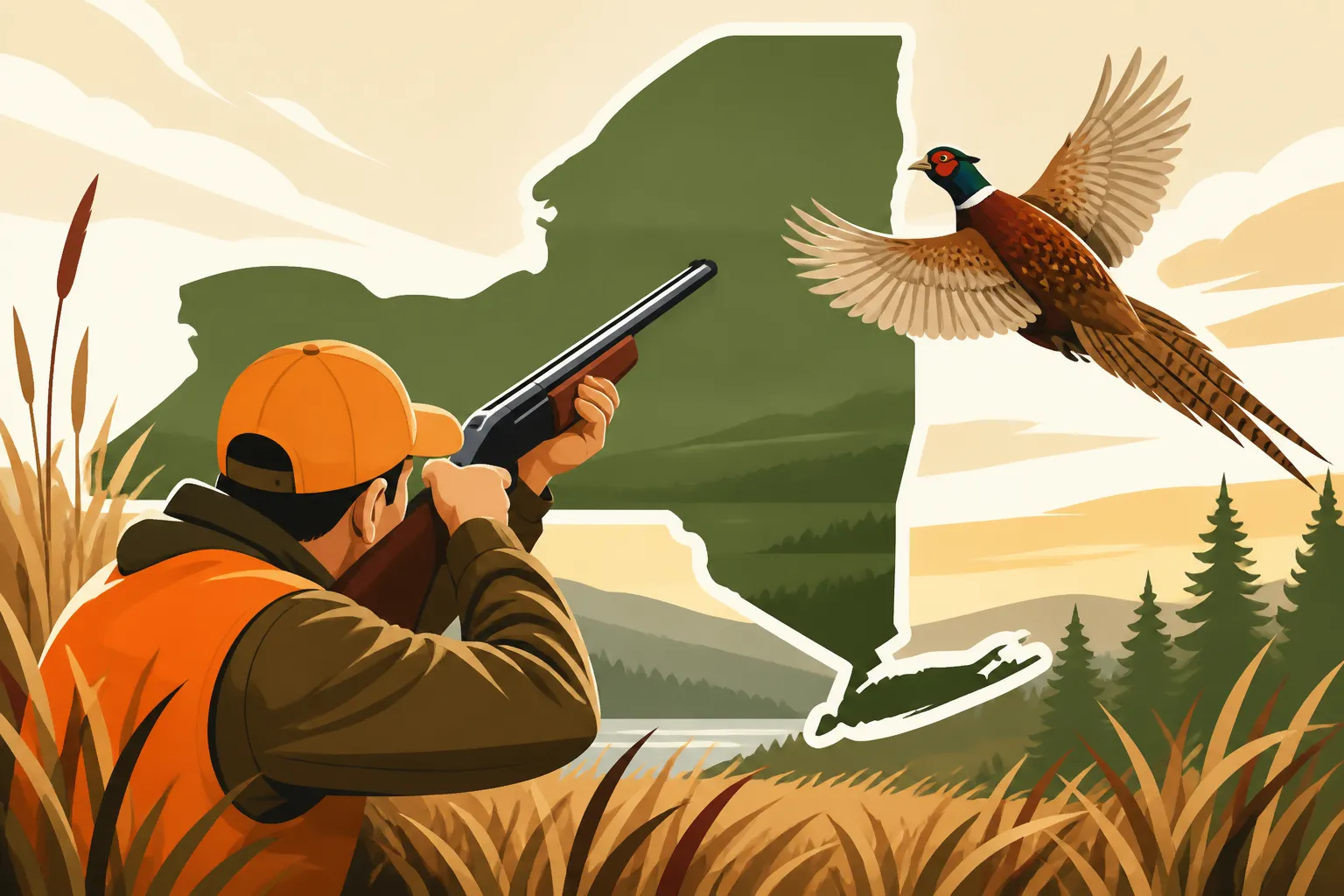
The crisp October air, the rustle of dry leaves underfoot, and the electrifying cackle of a flushing pheasant — these are the moments many New York hunters live for. But navigating the specific opening day rules, especially with stocked birds and varying regulations, can be a head-scratcher. This comprehensive guide will ensure you're fully prepared for New York's pheasant season opening day, covering everything from permits to prime locations and essential hunting tactics.
Understanding New York's Pheasant Season Framework
Pheasant hunting in New York offers a unique blend of traditional upland sport and modern wildlife management. Getting ready for opening day means understanding the foundation of the season.
The Statewide Opening Day and Regional Nuances
For most eager pheasant hunters in New York, the big day arrives with the turning of the calendar page. Generally, the pheasant season across much of New York State officially kicks off on October 1st. This date is etched in the minds of many as the signal to dust off the bird vests and pattern the shotguns. However, New York is a vast state, encompassing everything from farmlands to forested mountains, and while October 1st serves as a broad opener, hunters absolutely must consult the most current New York State Department of Environmental Conservation (DEC) regulations for their specific Wildlife Management Unit (WMU) or county.
While the October 1st start is quite common, specific regions can sometimes have slightly different schedules, particularly for other small game. For instance, Long Island often operates on its own distinct calendar for various seasons, sometimes opening a bit later. These nuances are critical, and a quick check of the official DEC hunting guide or the HuntFishNY app is non-negotiable. Knowing these specific local dates prevents any accidental violations and ensures your hunting plans align perfectly with legal season windows. It's truly disheartening to show up ready to hunt only to find out you're a week early or late. Always make checking the precise dates, which you can often find under the New York Small Game and Upland Bird Seasons, your first step.
Stocked Birds Versus Wild Populations
Let's be candid about pheasant hunting in New York: the vast majority of birds you'll encounter and harvest, especially on opening day, are pheasants that have been explicitly released by the New York DEC. The state's Pheasant Stocking Program is robust, releasing thousands of birds annually across various public lands and private cooperative hunting areas. These birds are raised in game farms, and their release is strategically timed to coincide with or precede the hunting season. This means that many pheasants are, by definition, recently "wild" and might exhibit different behaviors than truly wild-hatched birds. They could hold exceptionally tight, offering exciting flushes, or, if pressured quickly, become quite skittish.
While the stocking program provides fantastic recreational opportunities, particularly for those who might not have access to private land with established wild populations, truly self-sustaining wild pheasant populations in New York are a rare find. Decades of habitat fragmentation, changes in agricultural practices, and increased predation have taken a toll on these birds' ability to thrive naturally across large areas. You might discover small, resilient pockets of wild pheasants in exceptionally prime habitat, perhaps in certain parts of Pheasant Hunting Western New York Farmland where extensive cover and food sources still exist, but counting on these for consistent success on opening day is a long shot for most.
Understanding this distinction is fundamental to your opening day strategy. When you're targeting stocked birds, your focus should be on identifying release sites and the immediate, dense cover they'll seek out after being liberated. Think about those areas listed on the DEC's stocking schedule: specific fields, dense brushy margins, or dedicated cover strips. For those rare occasions when you might be pursuing truly wild birds, a deeper understanding of pheasant ecology is paramount, focusing on natural food plots, secure escape cover, and reliable roosting areas, which often involves much more intensive scouting and habitat analysis.
License and Permit Requirements for Pheasant Hunting
Before you even dream of the first cackle or the smell of gunpowder, you absolutely must ensure your legal ducks—or rather, pheasants—are in a row. To hunt pheasants in New York, you are required to hold a valid New York State hunting license. This is the foundational credential for pursuing any small game in the state. However, here's the critical piece of information that sometimes trips up newcomers: in addition to your regular hunting license, you are also mandated to purchase a specific pheasant permit. This permit is a separate endorsement added to your license and is a non-negotiable requirement for all pheasant hunting, regardless of whether you're after stocked birds or the elusive wild ones.
The pheasant permit typically involves a modest fee, but it directly supports the stocking program that provides so many opportunities for hunters. Obtaining it is usually straightforward; you can add it when you purchase your primary hunting license through the DEC's convenient HuntFishNY online system, or you can buy it in person at any authorized license issuing agent across the state. It’s always a good idea to sort out these permits well in advance of opening day. Nobody wants to be scrambling at a sporting goods store at 5 AM, hoping the system isn't bogged down. For a deeper dive into this specific requirement, refer to New York Pheasant Permit Requirement.
Once acquired, always carry proof of your valid hunting license and pheasant permit with you when you're afield. While digital copies on your smartphone are increasingly accepted and convenient, especially with apps from providers like GoHunt that can store all your licensing information, having a physical copy can offer peace of mind, particularly in remote areas where cell service might be nonexistent. Ensuring all your documentation is correct and easily accessible is a crucial responsibility for every ethical hunter.
Preparing for Opening Day Success
Opening day pheasant hunting is a combination of strategy, knowing the terrain, and having the right equipment. Here’s how to set yourself up for success.
Scouting and Habitat Identification
Success on opening day isn't just about luck; it's heavily influenced by preparation. Even for stocked pheasants, a little pre-season scouting can dramatically improve your odds. The absolute best place to start your research is the New York DEC's website, where they typically post their pheasant stocking schedule. This invaluable resource will list the specific Wildlife Management Areas (WMAs) and Cooperative Hunting Areas that are slated to receive birds, often including the approximate dates of release. This information is a direct roadmap, telling you exactly where to concentrate your efforts. Once you've identified these stocking locations, your next step is to pinpoint the exact types of cover these birds will gravitate towards.
Pheasants are experts at finding dense, thick cover adjacent to reliable food sources. Picture tall, switchgrass fields, dense cattail marshes, brushy fencerows, unharvested standing cornfields (if access is permitted), and impenetrable hedgerows. Even stocked birds, despite their origins, will quickly revert to instinct, seeking out the most secure protection they can find. Utilizing aerial maps, perhaps through a robust app like GoHunt, can help you visually identify these prime habitats from the comfort of your home, long before your boots hit the ground. Look for those critical "edge habitats" where different types of cover converge, as these often serve as natural travel lanes and security zones for pheasants. To better understand the scope of these efforts, researching New York's Pheasant Stocking Program provides excellent context.
It's also essential to consider that opening day doesn't just mean fresh birds; it also means fresh hunting pressure. Birds released earlier might be less wary, but as hunters push through fields, pheasants quickly learn to utilize the thickest, nastiest cover available as escape routes. Scouting helps you predict these movements and identify secondary holding areas that might be overlooked by other hunters. Don't hesitate to take a few walks through potential areas a week or two before the season begins. Observe the lay of the land, identify access points, note prominent cover, and get a feel for the terrain, all while minimizing disturbance to any birds that might already be present.
Essential Gear and Shotgun Setup
Your gear setup is critical for an enjoyable and productive pheasant hunt. At the heart of it all is a reliable shotgun. Most experienced pheasant hunters in New York favor a 12-gauge or 20-gauge, as these calibers strike a good balance between effective power and comfortable maneuverability in dense cover. The choice between them often boils down to personal preference and recoil tolerance, but both are highly effective on pheasants. When it comes to shotgun chokes, a modified or improved cylinder is a popular choice. These chokes offer a sufficient shot spread for pheasants that often flush within 20-40 yards, yet they still provide enough pellet density to anchor birds cleanly.
Regarding ammunition, a common and effective load for pheasants is 1 1/4 ounces of #5 or #6 lead shot. Some hunters might opt for #4 shot, especially if anticipating longer shots or hunting in extremely dense cover where penetration is key. Always verify current regulations, but typically, lead shot is permissible for upland game birds in New York. Beyond the firearm, protective clothing is paramount. Durable brush pants or chaps are an absolute must for navigating thorny thickets and briar patches, saving your legs from countless scratches. A high-quality upland vest, complete with ample shell loops and a generous game pouch, is also indispensable for carrying your shells, water, and, hopefully, your birds. While these specific recommendations are for pheasants, many principles of shotgun choice and use can be gleaned from broader articles like Shotgun Slugs for New York Deer, though the specific ammunition differs greatly.
Never underestimate the importance of safety gear. Blaze orange is not just a recommendation; it's a critical safety component. New York law mandates specific blaze orange (or blaze pink) requirements during certain hunting seasons, and for pheasant hunting, it’s simply common sense. A blaze orange hat and vest make you highly visible to other hunters, a non-negotiable consideration on potentially crowded public lands. Lastly, invest in a sturdy pair of waterproof boots to keep your feet dry and comfortable during long treks through dewy fields, wet marsh edges, or even light snow.
Dog Work and Solo Hunter Tactics
Hunting pheasants with a well-trained bird dog is, for many, the pinnacle of the upland experience. The dog's keen sense of smell and tireless drive to find birds can dramatically increase your success rate, especially for stocked pheasants that might hold incredibly tight. A pointing dog, like a German Shorthaired Pointer or an English Setter, will lock up on the bird's scent, allowing you to walk in and prepare for the flush. Flushing dogs, such as English Springer Spaniels or Labrador Retrievers, will systematically cover ground, pushing birds into the air within shooting range. On opening day, with potentially tight-holding stocked birds, a dog's nose can be the critical factor in filling your game bag. Ensure your canine companion is physically fit, carries appropriate protective gear if traversing tough cover, and is well-acquainted with the sights and sounds of hunting. For those looking to optimize their dog's performance, exploring resources like Bird Dog Gear for New York Cover can be highly beneficial.
For the solo hunter or those without a canine partner, success on opening day is still very much within reach. The key lies in adopting methodical and strategic hunting techniques. Instead of merely wandering through a field, try to "grid" or "block off" sections, walking in a zig-zag pattern or utilizing natural barriers such as fencerows, ditches, or distinct changes in vegetation to funnel birds. Remember that pheasants often prefer to run rather than fly when initially disturbed, so maintaining a steady, consistent pace and being ready for a sudden flush at any moment is paramount. Look for that tell-tale nervous movement in the grass or the sudden burst of color and sound.
Another highly effective tactic for solo hunters, especially on heavily pressured public land, is to focus on the fringes and the thickest, most overlooked cover. While many hunters stick to the easily accessible open fields, consider venturing into dense cattail swamps, thorny multiflora rose patches, or overgrown creek bottoms. These are often the sanctuary areas where pressured birds retreat. You might not cover as much ground as a party with multiple dogs, but the pheasants you do encounter in these challenging spots are far more likely to hold tight, offering better shot opportunities. And don't forget to revisit areas later in the day, as new birds might move in, or previously pressured birds might settle back into more accessible cover.
Navigating Opening Day Challenges and Etiquette
Opening day is exciting, but it often comes with unique challenges, especially regarding fellow hunters. Being prepared for these helps ensure a safe and enjoyable hunt.
Dealing with Crowds on Public Lands
Let's not sugarcoat it: opening day of pheasant season, especially on popular Wildlife Management Areas (WMAs) or DEC Cooperative Hunting Areas, can feel less like a solitary communion with nature and more like a bustling outdoor event. The sheer enthusiasm for the season opener brings out a significant number of hunters, which translates directly into increased pressure on the birds and the potential for crowded conditions. This isn't inherently negative, but it absolutely demands a heightened awareness of safety, courtesy, and responsible hunting etiquette. One of the most common frustrations is driving to your carefully scouted spot only to find a line of vehicles already parked there.
To minimize the impact of crowds, a proactive approach is best. Consider arriving at your chosen hunting spot exceptionally early on opening day – the old adage about the "early bird" definitely applies here. Alternatively, you can embrace the presence of other hunters strategically. Sometimes, hunters pushing through one section of a large field can inadvertently push birds towards other hunters positioned on the edges or at the opposite end. If feasible and safe, communicate with other hunting parties, especially on smaller parcels, to ensure everyone is aware of each other's positions and to prevent inadvertently "blocking" fields or causing unsafe situations. Always maintain a respectful distance from other hunters and their dogs, remembering that we are all out there to share and enjoy the outdoors. Using tools like GoHunt can help you visualize other hunters' positions if they are using similar apps.
Having a backup plan is also crucial. If your primary spot is clearly overrun, don't just stand there frustrated. GoHunt's advanced mapping features, for example, can be a lifesaver, allowing you to quickly identify alternative public hunting lands or even less-traveled sections of larger state forests that might offer a more solitary and productive experience. Sometimes, a slightly longer drive to a less-known WMA or a more strenuous hike into a remote part of a property can yield far better results and a more peaceful hunt than competing for space in highly pressured prime locations. Always prioritize safety and courtesy above all else.
Safety Considerations and Best Practices
Safety is the absolute cornerstone of any hunting endeavor, and it becomes even more critical on opening day when hunter numbers are elevated. The cardinal rule, ingrained in every hunter education course, is to always be absolutely sure of your target and what lies beyond it. Pheasants often flush quickly and fly low, making it easy to develop tunnel vision. Before you even think about pulling the trigger, definitively identify your target and confirm that your shot path is clear of other hunters, dogs, buildings, or roads. New York has very specific New York Firearms Discharge Setback Rules dictating minimum safe distances from structures, so a keen awareness of your surroundings is non-negotiable.
As previously emphasized, blaze orange (or blaze pink, which is also legally permitted) is not merely a fashion choice; it is a vital safety measure. Every hunter in your party, including yourself, should be wearing highly visible blaze orange or pink. This ensures maximum visibility to other hunters, dramatically reducing the risk of accidents in potentially dense cover or crowded fields. Beyond that, meticulously adhere to the fundamental rules of firearm safety: treat every firearm as if it's loaded, keep the muzzle pointed in a safe direction at all times, and keep your finger off the trigger until your sights are on the target and you are ready to shoot. These rules are non-negotiable and bear constant repetition, especially when the adrenaline of a flushing bird kicks in.
Clear and consistent communication among your hunting partners is equally important. If you're walking in a line, pushing cover, or crossing obstacles, ensure everyone knows what's happening. Shout out "Hunter up!" or "Bird!" or "Fence!" as needed. If you're hunting with a dog, ensure your canine is well-trained, under control, and responsive to commands to avoid disturbing other hunters or inadvertently trespassing onto private property. A little extra diligence and communication on opening day will go a very long way in ensuring a safe, enjoyable, and successful outing for everyone involved.
Post-Harvest Care and Reporting
Congratulations! You've successfully harvested a pheasant on opening day. Now, proper post-harvest care is essential to ensure the meat is of the highest quality and ready for the dinner table. The first critical step is to retrieve your bird promptly. If you're hunting with a well-trained dog, this is often handled efficiently by your canine partner. Once retrieved, especially on warmer October days, field dress the bird as quickly as possible. This involves removing the entrails, which helps the carcass cool down rapidly and prevents bacterial growth that can spoil the meat. You can then choose to pluck the bird entirely or simply breast it out if time is of the essence or you prefer just the breast meat. However, a whole plucked pheasant makes for a more impressive presentation and offers more culinary options.
Cooling your bird effectively is paramount. If you're hunting on a mild early-season day, having a cooler filled with ice in your vehicle is an excellent idea. Do not simply toss the bird into a hot trunk or the back of a pickup truck; this is a direct path to spoilage. Place the field-dressed bird, ideally in a breathable game bag, into the cooler to bring its temperature down quickly. With proper care, pheasant meat is a delectable, lean, and healthy game bird that can be prepared in numerous delicious ways.
While pheasants typically do not require the same detailed mandatory harvest reporting as larger game species like deer or bear in New York, it is always a good practice to be aware of any potential new requirements or voluntary surveys the DEC might be conducting. Always consult the most current regulations for any such directives. And, of course, strictly adhere to the established bag limits. New York has specific daily and seasonal bag limits for pheasants, and respecting these limits is a fundamental aspect of responsible and ethical hunting, ensuring sustainable opportunities for future seasons.
| Season Zone/Area | Opening Day (General) | Closing Day (General) | Daily Bag Limit | Possession Limit | Special Permit Required |
|---|---|---|---|---|---|
| Statewide | October 1st | Varies by WMU | 2 Cocks | 4 Cocks | Yes |
| Long Island | November 1st (approx.) | December 31st (approx.) | 2 Cocks | 4 Cocks | Yes |
(Always confirm exact dates and regulations with the current NYSDEC hunting guide for your specific WMU.)
Disclaimer
Please be aware that hunting regulations, season dates, and permit requirements are subject to change. Always consult the most current New York State Department of Environmental Conservation (DEC) hunting regulations guide before heading afield to ensure compliance and a safe hunting experience.