New York Federal Duck Stamp Requirement
It's a familiar scenario for many New York waterfowl hunters: you've got your state hunting license, your New York migratory bird certification, and you're geared up for an early morning hunt. But then, a nagging thought creeps in – what about that federal duck stamp? Forgetting this one crucial piece of paper can quickly turn a promising hunt into a frustrating legal issue. This guide is here to untangle the requirements surrounding the New York Federal Duck Stamp, ensuring you're fully prepared and compliant for your next adventure in the marsh or blind.
The Indispensable Federal Duck Stamp for Waterfowlers
For anyone planning to pursue ducks, geese, or other migratory waterfowl in New York, the Federal Duck Stamp isn't just another permit; it's a foundational piece of conservation funding and a legal requirement that has stood for nearly a century. This small stamp holds immense power in protecting the very habitats these birds, and we hunters, rely upon. Without it, you’re simply not legal to hunt migratory birds, regardless of your state-issued licenses. It’s an easy thing to overlook in the flurry of preparing for the season, but its importance cannot be overstated, both for legal compliance and for the future of our hunting heritage.
What Exactly is the Federal Migratory Bird Hunting and Conservation Stamp?
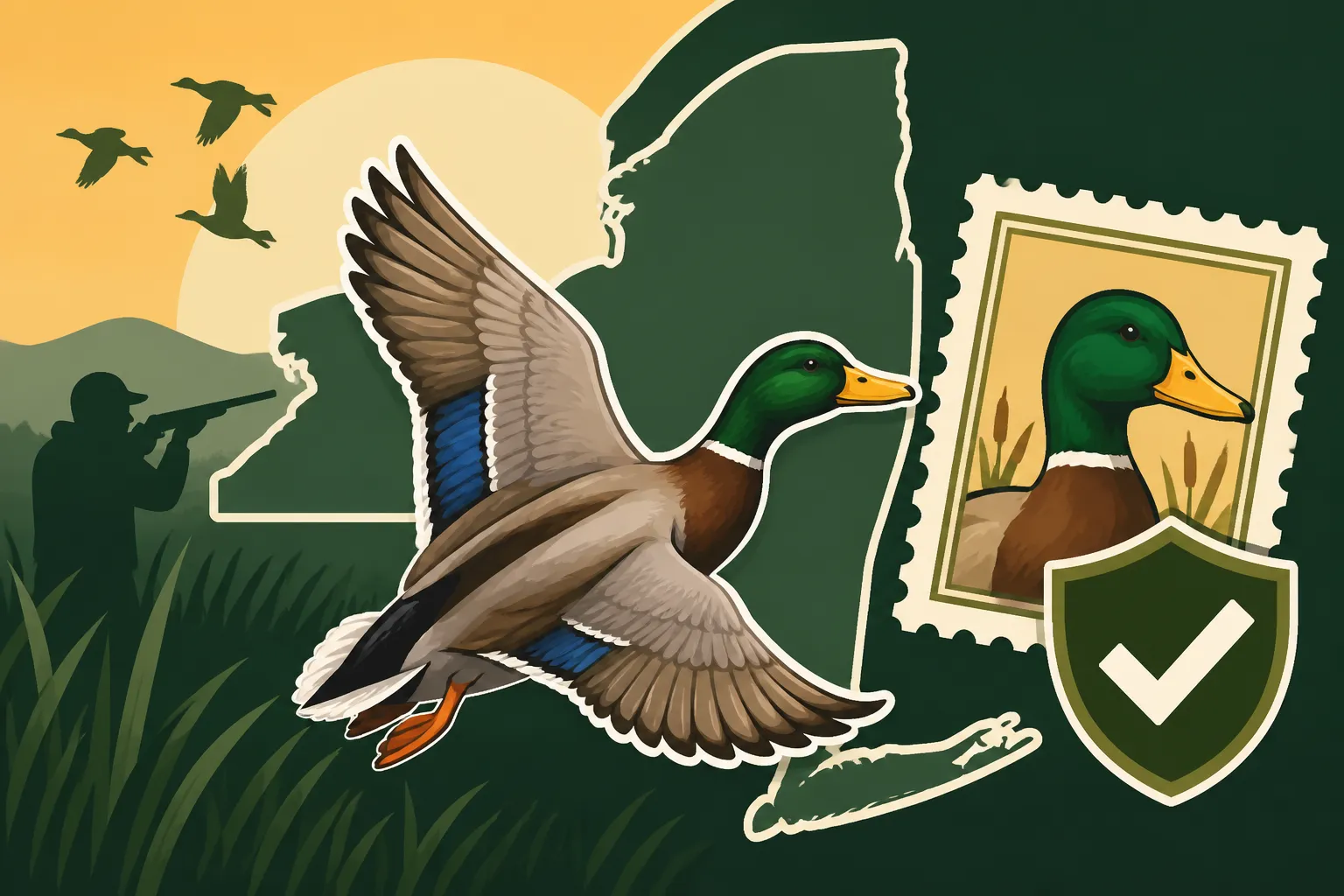
Officially known as the Federal Migratory Bird Hunting and Conservation Stamp, this isn't just a quirky collectible; it's a critical component of waterfowl management in the United States. Established in 1934, the stamp is a mandatory purchase for most waterfowl hunters aged 16 or older. It serves as a permit to hunt migratory waterfowl, but its real genius lies in its funding mechanism. The vast majority of the revenue generated from stamp sales—98 cents of every dollar, in fact—goes directly into the Migratory Bird Conservation Fund. This fund is then used to acquire and protect wetland habitats and grasslands for the National Wildlife Refuge System. These lands benefit not only migratory birds but countless other species, and provide public access for hunting, fishing, birdwatching, and other outdoor activities. It’s an incredibly efficient and effective conservation tool, directly linking hunters’ participation to tangible habitat preservation.
A Century of Conservation: The Duck Stamp's Legacy
The Federal Duck Stamp program boasts an incredible legacy, often hailed as one of the most successful conservation initiatives in American history. Since its inception, the program has conserved over 6 million acres of wetland habitat. Think about that for a moment: 6 million acres, roughly the size of Massachusetts, all thanks to hunters purchasing this stamp. This habitat is vital for breeding, nesting, and migratory stopovers for ducks and geese, which spend a good portion of their year flying through diverse landscapes, including our own New York Waterfowl Hunting by Zone regions. When you purchase a duck stamp, you're not just buying a permit; you're actively contributing to the preservation of these essential wetlands. This ensures that future generations of hunters will have healthy populations of birds and places to pursue them, a direct and powerful investment in the future of the sport we cherish.
Who Needs a Federal Duck Stamp When Hunting in New York?
Understanding who exactly needs a Federal Duck Stamp can sometimes cause confusion, especially with various state licenses and certifications required for hunting in New York. The rule is pretty straightforward, but it's essential to be clear to avoid any unintentional violations. It's not just about what you're hunting, but also about your age, which provides a small but important exemption for younger hunters. This distinction helps encourage youth participation while still upholding the conservation funding model.
Age Requirements and Exemptions
The primary rule is that every waterfowl hunter 16 years of age and older must possess a valid Federal Duck Stamp. This means if you're turning 16 during the hunting season, you need to purchase one as soon as you hit that milestone. For those younger than 16, there's a welcome exemption: you are not required to purchase a Federal Duck Stamp to hunt migratory waterfowl. This allows younger hunters to gain experience in the field alongside mentors without the additional cost, aligning with programs like the New York Youth Deer Hunt Rules which aim to foster a new generation of sportsmen and women. However, even if exempt from the federal stamp, junior hunters still need to comply with all state licensing and permit requirements, including any state-specific migratory bird certifications. This tiered approach helps ensure conservation efforts are broadly supported while making hunting accessible for youth.
Targeting Specific Migratory Game Birds
The Federal Duck Stamp is specifically required for hunting "migratory waterfowl." What does this mean in practical terms? It includes all species of ducks and geese that fall under federal management. So, if you're planning on hunting mallards, pintails, canvasbacks, Canada geese, snow geese, or any other duck or goose species, you need that stamp. It's also required for certain other migratory game birds like brant. However, it's crucial to understand what the duck stamp doesn't cover. If you're solely pursuing migratory birds like woodcock, snipe, rails, doves, or coots, the Federal Duck Stamp is not required. For these species, you'll still need your New York hunting license and the state's New York Migratory Bird Certification, but the federal stamp isn't part of that equation. This distinction is often a point of confusion, so always double-check the species you intend to hunt against the specific requirements.
Navigating the Purchase Process for Your New York Duck Stamp
Acquiring your Federal Duck Stamp is fortunately a straightforward process, thanks to modern technology and established retail networks. Gone are the days when it was solely a physical stamp you had to stick to your license. While the physical stamp is still a beautiful collectible and a tangible reminder of your contribution, temporary electronic versions make it incredibly convenient to get compliant right away. Understanding these options can save you a headache, especially if you realize you’ve forgotten it right before a hunt in one of New York's specific New York Waterfowl Zones and Seasons.
Where and How to Buy Your Stamp
There are primarily two ways to purchase your Federal Duck Stamp: electronically or physically. The electronic option is often the most convenient. Many state wildlife agencies, including the New York State Department of Environmental Conservation (DEC), integrate the federal duck stamp purchase into their online licensing system. When you buy your state hunting license and migratory bird certification online, you'll often have the option to add the Federal Duck Stamp to your cart. Once purchased, you'll receive an instant electronic validation, which is usually a confirmation number or a temporary e-stamp that is valid for 45 days. You must carry proof of this electronic purchase (either printed or on your phone) while hunting. The physical stamp will then be mailed to you later.
Alternatively, you can purchase the physical stamp at select U.S. Post Offices, some national wildlife refuges, and various sporting goods retailers. Stores like Cabela's or smaller local bait and tackle shops that sell hunting licenses might also carry them. Even if you purchase the physical stamp directly, it's a good habit to keep a digital record of your purchase. Using a robust hunting app or platform, like the kind offered by GoHunt, to keep all your licenses, permits, and certifications organized on your phone can be a real game-changer. This ensures you have access to your details even when deep in a remote marsh. Always check the official U.S. Fish and Wildlife Service website or the NYSDEC website for the most up-to-date list of vendors and purchasing options.
Ensuring Proper Validation and Carrying Proof
Simply buying the stamp isn't quite enough; you also need to ensure it's properly validated and that you carry proof while in the field. If you purchase the physical stamp, you must sign it across the face in ink. An unsigned stamp is not valid. It might seem like a small detail, but conservation officers do check for this. For hunters who opt for the electronic validation, you must carry your temporary electronic license or the receipt that includes your unique confirmation number. This proof is valid for 45 days, giving the U.S. Fish and Wildlife Service enough time to mail you the actual physical stamp. Once the physical stamp arrives, you should sign it and carry it with you. Many hunters tuck their signed duck stamp into their wallet, attach it to their state hunting license, or keep it safe in their hunting vest pocket. It's a good practice to take a photo of all your licenses and stamps with your phone, perhaps even using an organizer feature in an app like GoHunt, as a backup in case the physical copy is lost or damaged. This diligent approach helps avoid unnecessary fines and ensures you can focus on the hunt.
The Profound Impact of Your Duck Stamp Purchase
While the Federal Duck Stamp might seem like a small annual expense, its significance resonates far beyond the price tag. Every single stamp purchased by a hunter contributes directly to a massive, continental-scale conservation effort that has tangible and enduring benefits. It's a classic example of how a direct user-pays model can fund monumental achievements, and it really highlights the unique role hunters play as primary conservationists. This impact is critical for the long-term health of waterfowl populations and the places they call home.
Fueling Wetland Conservation Across North America
The financial power of the Federal Duck Stamp is truly remarkable. Ninety-eight percent of the funds collected from sales go directly to the Migratory Bird Conservation Fund. This fund is primarily used by the U.S. Fish and Wildlife Service to acquire vital wetland and grassland habitats for inclusion in the National Wildlife Refuge System. These refuges are not just patches of land; they are critical breeding grounds, nesting sites, and essential stopovers for millions of migratory birds along their incredible journeys. From vast marshes to prairie potholes, these protected areas ensure ducks and geese have safe havens and abundant food sources. This work extends beyond New York's New York Duck Zone Boundaries to impact flyways across North America. For example, preserving vital wetlands in the Dakotas where many of the ducks we hunt breed directly benefits our hunting opportunities here in New York. It's a continental effort, and your stamp is a part of it.
Connecting Hunters to a Larger Conservation Ethic
The Federal Duck Stamp also serves as a powerful symbol, connecting hunters to a larger conservation ethic. When you buy that stamp, you're not just buying access to a hunting season; you're directly investing in the future of the resource. This is a source of immense pride for many waterfowlers. It showcases how hunters, through their license and stamp purchases, are directly funding the very conservation efforts that ensure healthy wildlife populations and robust ecosystems. It's a testament to the "North American Model of Wildlife Conservation," where wildlife belongs to all, and hunting plays a key role in its sustainable management and funding. This collective effort is what allows us to discuss topics like New York Duck Harvest Numbers with confidence, knowing that populations are being managed with a long-term vision. This connection runs deep, fostering a sense of stewardship that extends beyond the hunting season, encouraging participation in habitat projects and advocating for wildlife-friendly policies, perhaps even inspiring you to learn more about Hunting the Lake Champlain Marshes or other local waterfowl opportunities.
By understanding the Federal Duck Stamp requirement, purchasing it diligently, and appreciating its conservation impact, New York waterfowl hunters not only ensure they are legal in the field but also actively participate in a proud tradition of preserving wildlife and habitat for generations to come.
Disclaimer
Please remember that hunting regulations, license requirements, and season dates can change. Always consult the official New York State Department of Environmental Conservation (DEC) website and the U.S. Fish and Wildlife Service for the most current and accurate information before heading afield. This guide is for informational purposes only and should not be considered legal advice.