New York Disabled Hunter Permit Options
Hunting in New York can be an incredibly rewarding experience, but for many hunters living with disabilities, navigating the dense forests, rugged terrain, and sometimes complex regulations can feel like an uphill battle. It’s a common frustration to want to pursue your passion for the outdoors only to encounter physical or logistical barriers. This comprehensive guide aims to demystify New York’s disabled hunter permit options, providing clear, actionable information so you can confidently apply for the necessary accommodations and enjoy your time afield.
Understanding New York's Commitment to Accessible Hunting
The New York State Department of Environmental Conservation (DEC) recognizes that hunting is a cherished tradition and a vital part of conservation efforts for many residents and non-residents alike. They understand that a physical disability shouldn't automatically disqualify someone from participating in this heritage. The DEC has worked to create a framework that, while maintaining safety and wildlife management integrity, strives to remove as many barriers as possible for hunters with disabilities.
The DEC's Approach to Inclusive Hunting
It's truly frustrating when you feel like the system isn't designed for you. For years, hunters with disabilities often felt overlooked, struggling to find ways to access hunting grounds or participate in traditional methods. The DEC's approach has evolved significantly, focusing on creating a more inclusive environment that acknowledges these unique challenges. Their goal isn't just to issue a piece of paper; it's about enabling individuals to experience the thrill of the chase, the tranquility of a morning spent in the woods, and the satisfaction of a successful hunt.
This commitment goes beyond mere compliance; it reflects a deeper understanding of the importance of connecting with nature and participating in outdoor traditions. Whether you’re dreaming of chasing deer through the rolling hills of the Southern Tier or hoping to hunt small game in a State Forest, the DEC wants to ensure that physical limitations don't extinguish that passion. They continually review and update policies to ensure that hunters with diverse needs have legitimate opportunities to participate, working to bridge the gap between desire and accessibility.
This dedication to inclusion is also seen in how the DEC collaborates with various organizations. They often partner with accessibility advocacy groups and hunting clubs to identify areas where improvements can be made, from creating accessible hunting blinds on Wildlife Management Areas (WMAs) to clarifying permit processes. This collaborative effort helps to refine existing programs and develop new initiatives that truly serve the hunting community across the state.
Eligibility Requirements for Disabled Hunter Permits
One of the biggest hurdles can be figuring out if you even qualify for a disabled hunter permit in the first place. It's not always straightforward, and the process requires specific medical documentation to ensure that these accommodations are provided to those who genuinely need them. You can't just claim a disability; you'll need your medical professional to back it up.
Generally, eligibility for these specialized permits hinges on a certified physical impairment that significantly impacts your ability to hunt under standard regulations. For instance, a "non-ambulatory" condition typically means you cannot walk without the aid of a brace, crutches, a walker, a wheelchair, or a prosthetic device, or that you have a significant limitation in your ability to move your lower extremities. For visually impaired hunters, a legal declaration of blindness or severe visual impairment is required.
To apply, you’ll typically need to obtain an official application form directly from the DEC website or by contacting your regional DEC office. This form includes sections that your licensed physician must complete, detailing the nature and extent of your disability. They will need to certify that your condition meets the criteria for the specific permit you are seeking. It's not enough for a doctor to simply write a note; they must fill out the official DEC forms.
Once your physician has completed the necessary sections, you'll submit the application to the DEC for review. This isn't an instant process, so don't wait until the week before opening day to submit your paperwork. The DEC staff needs time to review the medical documentation and determine if you meet the specific requirements for the requested permit. Understanding these requirements and providing thorough documentation upfront will help expedite your application and reduce potential delays.
Specific Permit Options for Hunters with Disabilities
New York offers a few distinct permit options tailored to different types of disabilities, each designed to address specific challenges that hunters might face in the field. It’s important to know which permit best suits your situation, as each comes with its own set of provisions and allowances.
Non-Ambulatory Hunter Permits
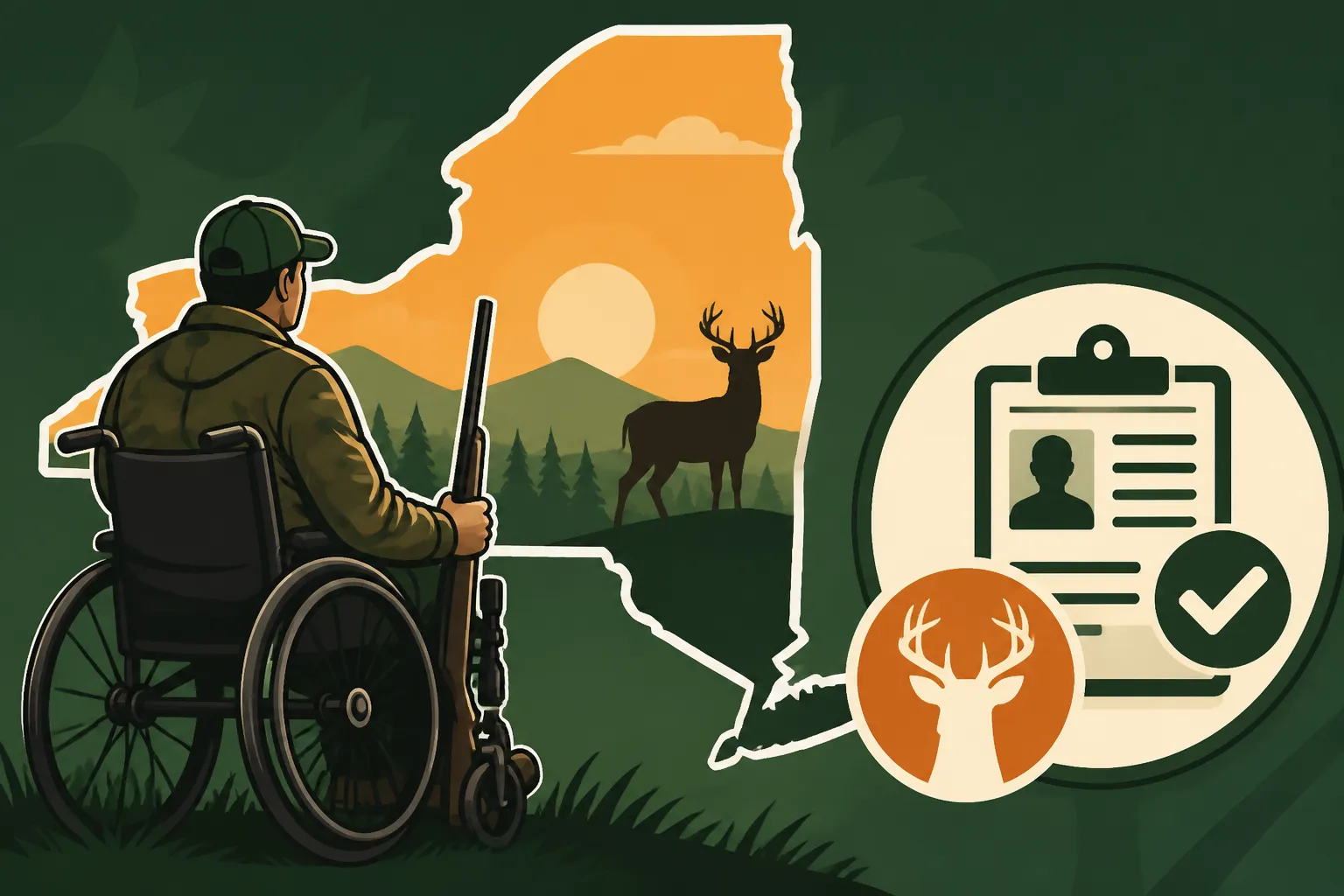
For hunters whose mobility is severely limited, the thought of reaching a favored hunting spot, much less retrieving game, can be a major source of frustration. The non-ambulatory hunter permit directly addresses this by offering critical accommodations, primarily related to vehicle use. This permit is a game-changer for many, allowing access to areas that would otherwise be completely off-limits due to physical limitations.
With a non-ambulatory hunter permit, you are granted permission to use an all-terrain vehicle (ATV) or other motorized vehicles on certain designated roads or trails within public hunting lands where vehicle use is typically restricted to the general public. This means you might be able to drive closer to your chosen stand location, reducing the physically demanding trek that many able-bodied hunters undertake. However, it's crucial to understand that this permission is not a free pass to drive off-road wherever you please; it's specific to designated routes.
The ability to access hunting sites via vehicle significantly improves safety and convenience. Imagine trying to haul a ground blind, cooler, and all your gear into a remote spot if you rely on a wheelchair or crutches. This permit enables you to get your equipment to your desired location, set up your blind comfortably, and then await your quarry. This allows for a much more practical and enjoyable experience, whether you're hunting in a quiet corner of a State Forest or setting up on a field edge in farm country.
Remember, this permit enhances your hunting experience by providing specific access; it does not exempt you from other hunting regulations. You still need a valid New York hunting license and any required tags, like a Deer Management Permit (DMP). The non-ambulatory permit is an essential tool that works in conjunction with your standard licensing, allowing you to participate more fully in activities such as New York's Southern Zone Firearm Season.
Blind and Visually Impaired Hunter Permits
Hunting requires acute awareness of your surroundings, and for those with significant visual impairments, this can feel like an impossible barrier. New York's blind and visually impaired hunter permit directly confronts this challenge, recognizing that with the right support, these individuals can still safely and successfully participate in hunting. This permit focuses on the crucial role of a sighted assistant.
The core provision of this permit is the allowance for a licensed, sighted assistant to accompany and directly aid the visually impaired hunter. This isn't just a friend coming along for the ride; the assistant plays an active and legally defined role in the hunt. They are typically permitted to help locate game, provide verbal instructions for aiming, and ensure the hunter's safety and the safety of others in the field. This collaboration is what makes hunting possible for someone who is legally blind.
Both the visually impaired hunter and their sighted assistant must hold valid New York hunting licenses. The assistant also needs to be proficient and understand the responsibility involved in guiding another hunter. Clear communication and absolute trust between the hunter and assistant are paramount, especially when quick decisions are needed, such as when game presents itself in thick cover or while navigating unfamiliar terrain. The assistant must remain in close proximity to the hunter to provide immediate guidance.
This permit opens up opportunities that would otherwise be impossible. Picture a visually impaired hunter, guided by a trusted companion, successfully taking a turkey during Spring Turkey Hunting in New York, or a deer during the archery season. It demonstrates the state's dedication to making hunting accessible through practical and well-defined support systems, ensuring that visual challenges don't completely exclude someone from the hunting community.
General Disability Accommodations and Modifications
Beyond the specific permits for non-ambulatory and visually impaired hunters, the DEC also considers various other accommodations for individuals with different physical limitations. It's about recognizing that disabilities come in many forms, and a one-size-fits-all approach doesn't always work. While not always a specific "permit," these modifications are designed to make hunting safer and more achievable.
One area where accommodations have been significant, even leading to broader changes, is related to crossbow use. Historically, crossbows had more restrictions for general archery season hunters, but disabled hunters often had special waivers allowing their use when a traditional bow was not feasible due to a physical limitation. While current Crossbow Rules During New York Archery Season have made crossbows more broadly accessible to all hunters, the initial push for their allowance for disabled hunters paved the way, illustrating the DEC's willingness to adapt regulations to improve accessibility.
Other forms of general assistance might involve modified hunting equipment, such as specialized shooting rests or adaptive triggers, though these are typically personal equipment choices rather than state-issued permits. However, the regulatory framework supports their use as long as they comply with overall safety and ethical hunting standards. It's always best to check with the DEC directly if you have unique equipment or assistance needs to ensure compliance. The GoHunt app, for example, might not directly address these specific rules, but it can help you scout and plan around terrain challenges that your adaptive equipment might help you overcome.
The spirit of these general accommodations aligns with broader initiatives like the Mentored Youth Hunting Rules, where a licensed adult can directly assist a junior hunter. This shows a consistent theme within New York's hunting regulations: enabling participation through supervised assistance and adaptive approaches when necessary. This flexibility ensures that a wide spectrum of physical challenges can be met with appropriate, regulated solutions, fostering a more inclusive hunting community.
Navigating the Application Process and Practical Considerations
Understanding the different permit options is one thing, but actually getting through the application process and then successfully hunting with a disability takes another level of planning and effort. It can feel overwhelming, but with the right steps and resources, it's entirely manageable.
How to Apply for a Disabled Hunter Permit
The application process can sometimes feel like a maze, but breaking it down into clear steps makes it less daunting. Your first stop should always be the official New York DEC website. They have dedicated sections detailing all license and permit requirements, including those for disabled hunters. Look for "Disabled Hunter Permits" or "Special Hunting Permits" in their hunting and trapping guides.
Once you locate the relevant forms, download them promptly. These forms are specific and require information from both you and your medical doctor. You’ll need to clearly fill out your personal information and then present the medical certification portion to your physician. It’s crucial that your doctor provides accurate and detailed information regarding your specific disability and how it impacts your ability to hunt under standard conditions. They must sign and date the document.
After your doctor completes their part, double-check all sections to ensure nothing is missed. Incomplete applications are the leading cause of delays. You can typically submit the completed application either by mail to the DEC's central licensing office or, for some permits, potentially through the Buying a License Through New York's DEC System online portal or the HuntFishNY app. Always confirm the preferred submission method on the application form itself.
Be prepared for a waiting period. The DEC needs time to review your medical documentation and process the permit. It's wise to apply well in advance of the hunting season you wish to participate in, ideally several months out. If there are any questions or if further information is required, they will contact you. Responding quickly and thoroughly will help avoid additional delays in receiving your permit.
Practical Tips for Hunting with a Disability in New York
Obtaining your permit is a huge step, but the real work and fun begin with planning your actual hunt. Success and enjoyment stem from meticulous preparation, especially when hunting with a disability. This goes beyond just knowing the rules; it's about making your time in the woods safe, comfortable, and productive.
Scouting is Paramount: For any hunter, scouting is key, but for hunters with mobility limitations, it becomes even more critical. The GoHunt app is an invaluable tool for any hunter, offering detailed maps and public land information that can be particularly helpful in identifying accessible hunting locations. You need to identify areas with flatter terrain, established trails, or designated vehicle access points that your non-ambulatory permit allows you to use. Tools like onX Layers for New York Land Status can help you pinpoint property lines and assess terrain from home, minimizing strenuous reconnaissance trips. Look for subtle features like old logging roads or clearings that might offer easier access.
Gear Adaptations and Safety: Your gear choices can make or break a hunt. Consider specialized equipment that caters to your needs. If you're using a treestand, ensure you have appropriate Treestand Safety Gear for Steep Ground and practice using it diligently. Many adaptive shooting devices are available, from bipods and shooting sticks to more elaborate firearm rests that can be used from a ground blind or wheelchair. Proper Clothing for a New York November is also essential, focusing on warmth and layering, especially if your movement is limited, which can make you colder faster.
Companionship and Support: Hunting with a trusted companion, even if they aren't a formally designated "sighted assistant," can greatly enhance your safety and overall experience. A buddy can help with carrying gear, setting up blinds, navigating challenging spots, and, critically, retrieving game. Imagine the challenge of Tracking a Deer in Fresh New York Snow if you have mobility issues – a partner makes this task infinitely more manageable and safer. Discuss roles and responsibilities beforehand, so everyone is clear on their part in the hunt.
Leveraging Public Land Resources: New York has an abundance of Public Hunting Land in New York, and many WMAs and State Forests are actively managed with accessibility in mind. While not every corner will be universally accessible, many have designated trails or specific areas set aside. Research specific locations like the Finger Lakes National Forest Hunting grounds or certain State Forests known for their relatively flat terrain or accessible features. Contacting the regional DEC office for the specific area you plan to hunt can often provide valuable insights into the most accessible locations and any special considerations.
| Permit Type | Eligibility | Key Provisions | Assistance Allowed (Required) |
|---|---|---|---|
| Non-Ambulatory Hunter | Certified non-ambulatory (significant lower extremity mobility impairment) | Use of motor vehicles on designated roads/trails on public land | Assistance with setup, retrieving game, general support |
| Blind/Visually Impaired | Certified legally blind or severely visually impaired | Sighted assistant (licensed hunter) to assist with aiming/safety | Yes, explicit "sighted assistant" role is mandatory and regulated |
| General Disability | Varies by specific physical limitation (e.g., strength, fine motor skills) | May include historical crossbow waivers (now generally allowed for all), other specific accommodations | Case-by-case, depending on the nature of the disability |
Disclaimer
The information provided in this guide is for general informational purposes only and does not constitute legal advice. Hunting regulations in New York are subject to change. Always consult the official New York State Department of Environmental Conservation (DEC) hunting and trapping regulations guide or visit the DEC website for the most current and accurate information before planning your hunt.