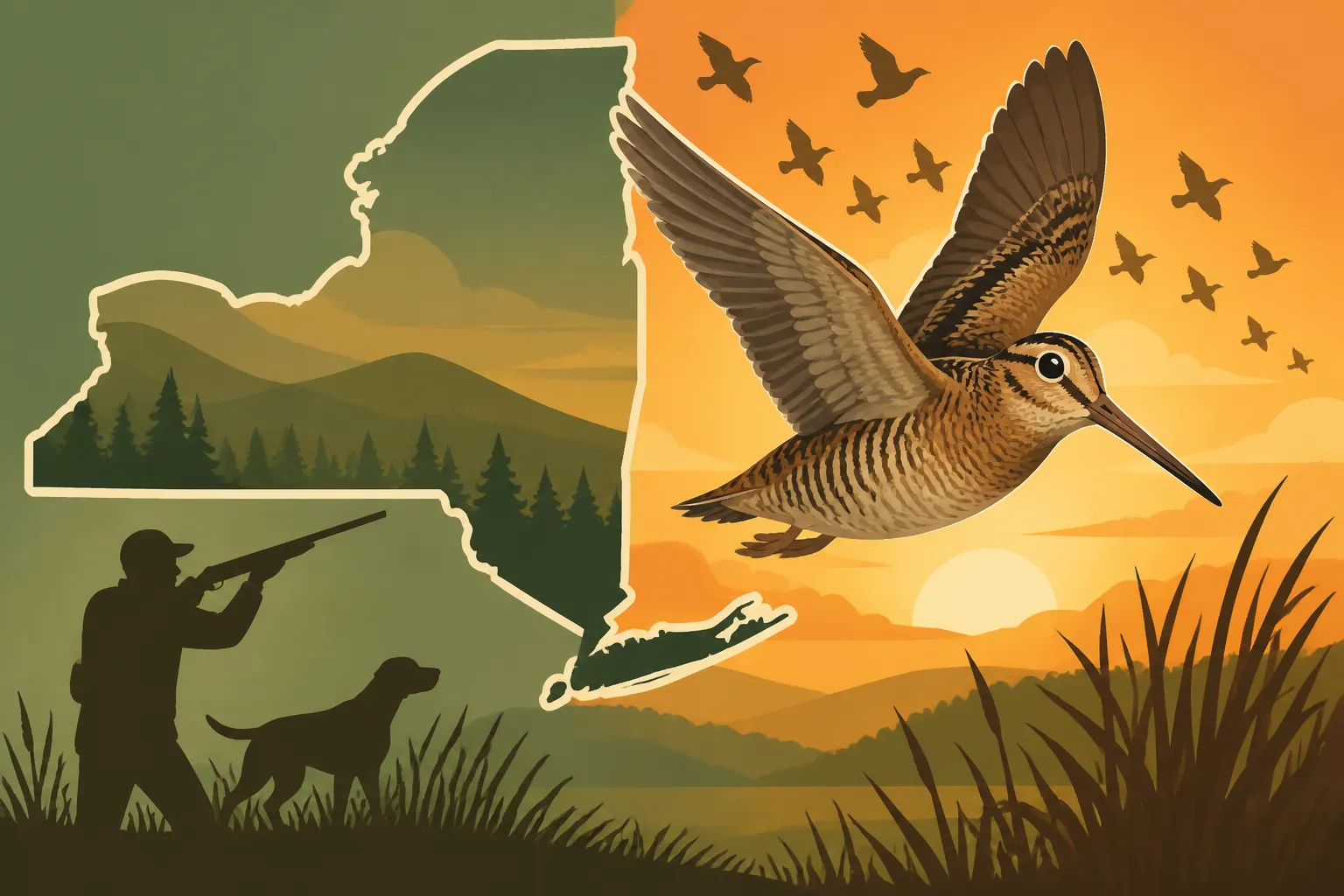
New York’s Place on the Woodcock Flight
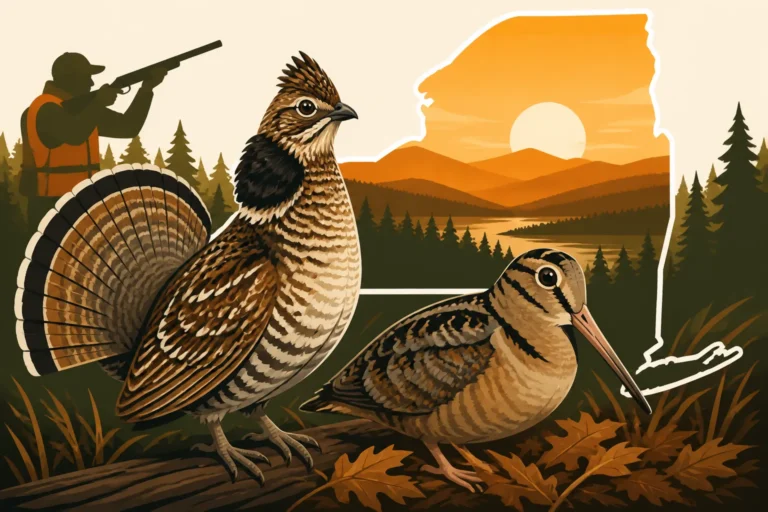
Few experiences in the New York outdoors are quite as enchanting and equally frustrating as pursuing the American woodcock. These quirky, long-billed migratory birds are a true enigma, appearing as if by magic in certain coverts only to vanish just as swiftly. For many hunters, understanding when and where to find these "timberdoodles" in the Empire State feels like chasing a ghost, often leading to missed opportunities or days spent walking beautiful but birdless woods. This comprehensive guide will unravel the mysteries of the woodcock's journey through New York, explaining their migration patterns, preferred habitats, and the tactics you can employ to consistently find success with this elusive game bird.
Understanding the Woodcock's Unique Migration
The American woodcock isn't your typical upland bird. Unlike ruffed grouse or pheasants that spend their entire lives in relatively small home ranges, woodcock are true migratory birds, traveling thousands of miles each year between their northern breeding grounds and southern wintering areas. New York State plays a critical role in this annual odyssey, acting as both a breeding ground for some populations and a crucial stopover point for many more.
The Atlantic Flyway and New York's Role
The Atlantic Flyway is one of four major migratory bird routes in North America, stretching from the Arctic tundra all the way down to the Caribbean and South America. For the American woodcock, this flyway is their superhighway, guiding them between their summer homes in the northern forests and their wintering grounds primarily in the southeastern United States, notably Louisiana. New York State sits squarely within this vital corridor, making it an incredibly important location for woodcock at various stages of their migration.
As the days shorten and the first crisp autumn air arrives, woodcock that nested further north begin their southward journey. Many of these birds will funnel through New York, pausing in suitable habitats to rest and refuel before continuing their arduous flight. Additionally, a significant population of woodcock actually breeds within New York State, particularly in the central and northern regions. These resident birds will also join the migratory flow, often moving just ahead of the main push from Canada and northern New England. This constant influx and passage mean that New York hunters can have opportunities to encounter woodcock from late September through early November, offering a unique hunting challenge.
Factors Influencing Flight Timing and Routes
Predicting the exact timing of the woodcock flight through New York is an art, not a science, heavily influenced by a cocktail of environmental factors. The most dominant force at play is, undoubtedly, the weather. A strong cold front pushing down from Canada is often the catalyst that triggers large movements of migratory birds, including woodcock. These fronts bring with them colder temperatures, often followed by clear, bright skies, which are ideal conditions for long-distance travel. Hunters in New York often pay close attention to the weather maps, knowing that a significant drop in temperature to our north could mean a fresh flight of birds is on its way.
Beyond just temperature, other atmospheric conditions contribute to the woodcock's decision-making process. Nor'easters, for example, while bringing adverse weather, can sometimes concentrate birds as they seek shelter, making certain areas temporarily hot. Moonlight also plays a subtle but important role. Woodcock are primarily crepuscular and nocturnal migrants, meaning they travel mostly at dawn, dusk, or under the cover of darkness. Bright moonlit nights can facilitate their journeys, allowing them to cover more ground efficiently. Furthermore, the availability of food sources – primarily earthworms – and suitable roosting cover along their migratory path also influences where and when they decide to stop and for how long. A sustained period of dry weather, for instance, can harden the soil, making it difficult for woodcock to probe for worms, potentially pushing them further south in search of softer ground.
Key Woodcock Habitats in New York
Successfully hunting woodcock in New York isn't just about timing the migration; it's crucially about knowing where to look. These secretive birds have very specific habitat preferences, and understanding them is the first step to finding consistent success. They aren't in every patch of woods, but rather very particular pockets of cover.
Alder Swamps and Young Aspen Stands
If there's one habitat type that screams "woodcock," it's a dense stand of young alder or aspen. These areas are absolutely critical for woodcock for several reasons. Alders, often found along stream bottoms, wetlands, and moist depressions, create an incredibly dense canopy that provides excellent protection from aerial predators like hawks and owls. More importantly, the soil beneath alders is typically rich, moist, and loamy – a perfect environment for earthworms, the woodcock's primary food source. When you're slogging through a thick alder run, feeling the soft, damp ground underfoot, you're likely in prime woodcock territory. Hunters who specialize in these birds often refer to them as "alder chickens" for good reason.
Young aspen stands, especially those that have been recently clear-cut or are regenerating after a timber harvest, offer similar benefits. Aspen regenerates vigorously after cutting, creating thick, dense thickets of saplings. This "early successional habitat" is a magnet for woodcock, providing both cover and the open understory floor they need to forage. Areas like the Southern Tier, parts of the Adirondack foothills, and even sections of the Finger Lakes region are renowned for these habitat types. Finding these specific covers is paramount, and many hunters rely on satellite imagery and topographical maps, often found on platforms like GoHunt, to identify promising patches before ever stepping foot in the woods. Learning to identify these distinct habitat characteristics on a map, such as the telltale patterns of regenerating timber or the dark green lines of alder along watercourses, can significantly reduce fruitless wandering. For more detailed insights into this specific cover, check out our guide on Woodcock Hunting New York Alder Runs.
Moist Forest Edges and Old Fields
While alder and young aspen are top-tier woodcock habitat, these birds also frequent other specific areas, particularly moist forest edges and old fields that are transitioning back to forest. The common denominator here is still moist, invertebrate-rich soil. Woodcock have long, sensitive bills that they use to probe the ground for earthworms, so hard, dry ground is generally unproductive. They'll often be found at the interface where a denser forest meets a more open area, especially if there's a damp transition zone.
Consider an old, abandoned farm field that has started to grow up with young saplings, briars, and various scrubby growth. If this field borders a mature hardwood forest and contains damp, rich soil, it can be a temporary magnet for woodcock. They'll use the denser forest edge for cover and roosting, while the softer ground of the overgrown field provides excellent foraging opportunities. Look for areas with a mix of young hardwoods like grey birch, sumac, and dogwood, especially if there are seeps or small springs nearby that keep the soil moist. These transitional zones are particularly appealing during migration, acting as convenient rest stops where birds can quickly find food and shelter without venturing deep into dense, mature timber. Understanding these subtle preferences can give you a significant advantage, particularly when Scouting New York Public Land Before Season to identify potential hotspots.
When and Where to Find Woodcock in New York
Timing and location are everything when it comes to woodcock. These birds are only present in large numbers during specific windows, and knowing how to pinpoint those fleeting opportunities is key to a successful hunt.
Timing the Peak Fall Migration Window
The woodcock's fall migration through New York is not a static event; it's a dynamic, ever-changing phenomenon. Generally, New York hunters can expect to encounter woodcock from late September right through early November, but the "peak" window can shift significantly from year to year, sometimes even week to week, based on weather patterns. Early season birds, often local breeders or the first push from northern New York and Canada, might appear in late September or early October. These birds can be found until the first hard frosts really start to penetrate the ground, making probing for worms difficult.
The main event, however, is typically triggered by sustained cold fronts that push down from the north, usually hitting New York in mid to late October. This is when the true "flight birds" descend upon the state, sometimes in impressive numbers. Hunters keep a keen eye on forecasts, looking for those consecutive nights where temperatures drop into the low 30s or even 20s in the provinces of Quebec and Ontario, or northern New England. These conditions often signal a large-scale movement south, and within a day or two, fresh woodcock can appear in previously empty coverts. Conversely, an unseasonably warm spell in October can delay the migration, keeping birds further north. By early November, especially after a few solid freezes, most woodcock will have pushed further south out of New York, though isolated pockets might linger in protected, unfrozen areas until the ground truly hardens. For specific season dates, always consult the current regulations for New York Grouse and Woodcock Seasons.
Scouting Strategies for Woodcock Hotspots
Finding woodcock is less about walking miles and more about walking the right few hundred yards. Effective scouting, whether done before the season or even during a hunt, is crucial. The key indicators for woodcock presence are their characteristic "splashes" – distinctive white, chalky droppings – and small, perfectly round probe holes in the moist soil where they've extracted earthworms. These signs are unmistakable and tell you immediately that birds are using that specific area. Look for these signs along logging roads, ATV trails, and in the open pockets within alder runs.
When scouting new territory, use mapping tools like those offered by GoHunt to identify promising habitat. Look for low-lying areas, stream corridors, beaver swamps, and areas with clear evidence of young forest regeneration, often marked as different color blocks on satellite imagery or public land management maps. Once you've identified these areas, physically walk them. Pay attention to the understory – is it thick enough for cover but open enough at ground level for them to move? Is the soil soft and damp? Even if you don't flush a bird, finding fresh splash and probe holes means you've found a spot that woodcock like, and it's worth revisiting, especially after a cold front. Remember, woodcock habitat can be very localized, so even a small patch of ideal cover can hold multiple birds. Combining this on-the-ground detective work with a good understanding of habitat types, as discussed in Woodcock Hunting New York Alder Runs, will dramatically improve your odds.
Hunting Tactics for New York Woodcock
Once you've located promising cover and timed your hunt during the migration window, it's time to talk tactics. Woodcock hunting, while exhilarating, requires a slightly different approach than some other upland pursuits.
Walking the Cover for Flushes
Woodcock hunting is fundamentally a walking game, often requiring slow, methodical movements through dense cover. These birds are notorious for holding incredibly tight, often letting a hunter walk right past them before flushing. This tight-holding nature is part of their charm and challenge. When you're in good woodcock cover – those thick alder bottoms or young aspen stands – you need to walk at a pace that allows you to thoroughly "work" the cover. This means moving slowly, pausing frequently, and being ready for an explosive flush at any moment.
If you're hunting without a dog, you'll need to be even more deliberate. Try to zig-zag through the densest patches, breaking up your outline and varying your pace. Kicking at downed logs or dense clumps of alders can often induce a reluctant woodcock to flush. The flush itself is distinctive: a rapid, twittering ascent, often straight up through the canopy, followed by an erratic, twisting flight. Shots are typically close, usually within 20-30 yards, and can be challenging due to the dense cover. Quick reflexes and an open choke are your best friends here. For tips on working thick cover effectively, particularly when hunting without a canine companion, our article on Flushing Grouse Without a Dog offers some transferable strategies. The key is to be patient, stay alert, and anticipate where a bird might be holding and where it might try to escape.
Gear and Dog Considerations for Woodcock Hunting
Having the right gear and, ideally, a good dog, can make all the difference in woodcock hunting. The nature of the bird and its habitat dictates specific equipment choices. For shotguns, lighter gauges with open chokes are preferred. A 20-gauge, 28-gauge, or even a .410 can be very effective, as shots are almost always close and quick. Many hunters favor side-by-sides or over-unders with an Improved Cylinder and Skeet choke combination for maximum pattern spread in tight quarters. As for shot size, smaller shot like 7.5, 8, or even 9 are excellent for woodcock. Their delicate build means they don't require heavy loads, and the smaller pellets create a denser pattern, increasing the odds of connecting with an erratically flying bird in thick cover. For a deeper dive into choosing the right firearm, consider our guide on Best Shotgun Gauge for New York Grouse, much of which applies to woodcock as well.
Perhaps the single greatest advantage in woodcock hunting is a well-trained bird dog. A good pointing dog, especially a setter or a pointer, can methodically cover ground, pinpointing the exact location of a tightly holding woodcock. Their ability to scent and hold a point on a bird that a human would undoubtedly walk past is invaluable. Retrievers can also be highly effective, flushing birds and, crucially, finding downed birds in the thickest of cover where they would otherwise be lost. Because woodcock hold so tight, dogs often get multiple "re-points" on a single bird as it runs or flushes a short distance and re-sets. For dogs, safety gear like bells or GPS collars are highly recommended in dense cover to keep track of their location, especially if they are ranging out of sight.
Conservation and Future of Woodcock Hunting in New York
The future of woodcock hunting, like all wildlife pursuits, is inextricably linked to conservation efforts. These fascinating birds face ongoing challenges, and New York plays a vital role in their long-term survival through habitat management and dedicated research.
Habitat Management Efforts
The primary challenge for woodcock populations across their range, including New York, is habitat loss. Woodcock are highly dependent on early successional forests – young, regenerating woodlands characterized by dense, short-statured trees and shrubs. This type of habitat naturally decreases as forests mature. Without active management, these critical areas simply grow past the point of being suitable for woodcock. This is where organizations like the Ruffed Grouse Society and American Woodcock Society, in partnership with the New York State Department of Environmental Conservation (DEC), step in.
These groups actively promote and fund habitat management projects that focus on creating and maintaining these vital young forests. Practices such as clear-cutting small patches of timber, strip cutting, or even prescribed burns can set back forest succession, allowing new, dense growth to emerge. These management techniques benefit not only woodcock but also other early successional species like ruffed grouse, cottontail rabbits, and various songbirds. In New York, state forests and Wildlife Management Areas (WMAs) are often targets for these management efforts, with specific tracts being logged or managed to produce the dense cover woodcock need. Understanding the importance of habitat work, much like Aspen Management and New York Grouse focuses on specific tree species, is crucial for securing the future of these unique migratory game birds.
Monitoring and Research
Beyond active habitat management, ongoing monitoring and research are absolutely critical to understanding woodcock population trends and ensuring sustainable hunting seasons. The primary tool for this is the American Woodcock Singing Ground Survey, an annual effort conducted across the bird's breeding range, including extensive routes in New York. These surveys involve observers counting male woodcock as they perform their elaborate courtship displays ("singing") at dawn. The data collected provides valuable insights into population estimates and trends, helping wildlife managers adjust season dates and bag limits as needed. You can read more about this essential work in New York Woodcock Singing Ground Surveys.
Hunters themselves play a crucial role in conservation by accurately reporting their harvests. This data, collected through the New York DEC's online reporting system, helps biologists gauge hunter effort and success, contributing to a more complete picture of the state's woodcock population. Challenges like climate change, which can affect migration timing and food availability, as well as shifts in agricultural practices and continued development, all pose threats. Continued vigilance, informed research, and active habitat work are essential to ensure that future generations of New York hunters can continue to experience the thrill of a timberdoodle flush.
Ethical and Legal Considerations
As with any hunting pursuit, pursuing woodcock in New York comes with a set of ethical and legal responsibilities that every hunter must uphold. These guidelines ensure the safety of all participants and the sustainable future of the resource.
Bag Limits and Season Dates
Understanding and adhering to the legal framework for woodcock hunting is non-negotiable. In New York, woodcock fall under federal migratory bird regulations, meaning their seasons and bag limits are set by the U.S. Fish and Wildlife Service in cooperation with state wildlife agencies. Typically, New York's woodcock season opens in late September and runs through early November, overlapping with a portion of the ruffed grouse season. This allows for excellent opportunities for hunters pursuing both species in similar covers.
The daily bag limit for woodcock is usually three birds per day, with a possession limit of nine birds. However, these regulations can change annually, so it is absolutely critical to consult the most current New York State DEC Hunting and Trapping Regulations Guide before heading afield. You can find detailed information on New York Grouse and Woodcock Seasons in our dedicated guide, but always double-check the official DEC website for the latest updates. Additionally, all migratory bird hunters in New York are required to register with the Harvest Information Program (HIP) annually, even if they don't plan to hunt any other migratory birds. This helps the USFWS gather essential data for population management.
Hunter Safety and Etiquette in Thick Cover
Woodcock hunting often takes place in extremely dense cover, which brings its own set of safety challenges. Visibility can be severely limited, making communication and awareness paramount. First and foremost, blaze orange is not just a good idea; it's often a legal requirement, especially on public lands during overlapping big game seasons. Even if not legally mandated for small game, wearing a minimum of 250 square inches of blaze orange or pink above the waist, visible from all directions, is a crucial safety measure when hunting in thick woods. This helps ensure you are highly visible to other hunters, whether they are pursuing woodcock, grouse, or even deer. For detailed information on the specific requirements, refer to How Much Blaze Orange New York Requires.
When hunting with partners, maintain constant communication. Know where everyone in your party is at all times. Use whistles or calls to signal locations, especially when flushing a bird or needing to change direction. Never shoot unless you are absolutely certain of your target and what lies beyond it. In dense cover, a flushed woodcock often presents a fleeting, partial view, and temptation can lead to unsafe shots. Patience and discipline are vital. Lastly, always be respectful of private land boundaries. Use a reliable GPS unit or mapping app (like GoHunt's detailed property layers) to know exactly where you are relative to public and private property lines. Retrieving a downed bird from private land requires explicit permission from the landowner, so avoid infringing on others' rights and space.
| Factor | Ideal Condition | Why It Matters |
|---|---|---|
| Habitat | Dense Alder Swamps, Young Aspen/Birch Stands | Provides cover from predators, soft soil for foraging. |
| Soil Moisture | Moist, Loamy Ground (not waterlogged or hardened) | Easy for woodcock to probe for earthworms. |
| Weather | Post-cold front; crisp, clear, mild temps (40-50°F) | Triggers migration, comfortable for hunting, birds are active. |
| Timing | Mid-October to Early November (post-first hard frost) | Peak migration window for flight birds in NY. |
| Time of Day | Dawn and Dusk; Overcast days | Birds are more active foraging and moving. |
| Signs | Presence of "splashes" (droppings) and probe holes | Direct evidence of recent woodcock activity. |
Disclaimer
Please note: Hunting regulations and seasons in New York are subject to change. Always consult the official New York State Department of Environmental Conservation (DEC) website and the current Hunting and Trapping Regulations Guide before planning any hunting trip. This guide is for informational purposes only and does not supersede state or federal regulations.