When New York Bucks Shed Antlers
There's a special kind of magic in finding a shed antler – a tangible piece of the wild, a testament to a buck's journey through another season. But let's be honest, trying to figure out exactly when those elusive New York whitetails decide to drop their headgear can feel like chasing a ghost, often leaving us empty-handed and wondering if we're too early, too late, or just plain looking in the wrong spots. This guide is all about demystifying the timing of antler shedding in New York, helping you understand the biological rhythms at play and giving you the best chance to stumble upon those prized antlers.
The Biological Clock: Why Bucks Shed Their Antlers
It's not just a random event; antler shedding is a meticulously choreographed biological process, driven by the ebb and flow of hormones within a buck's body. Understanding this underlying mechanism is key to predicting when you might find those sheds.
Hormonal Triggers and Seasonal Changes
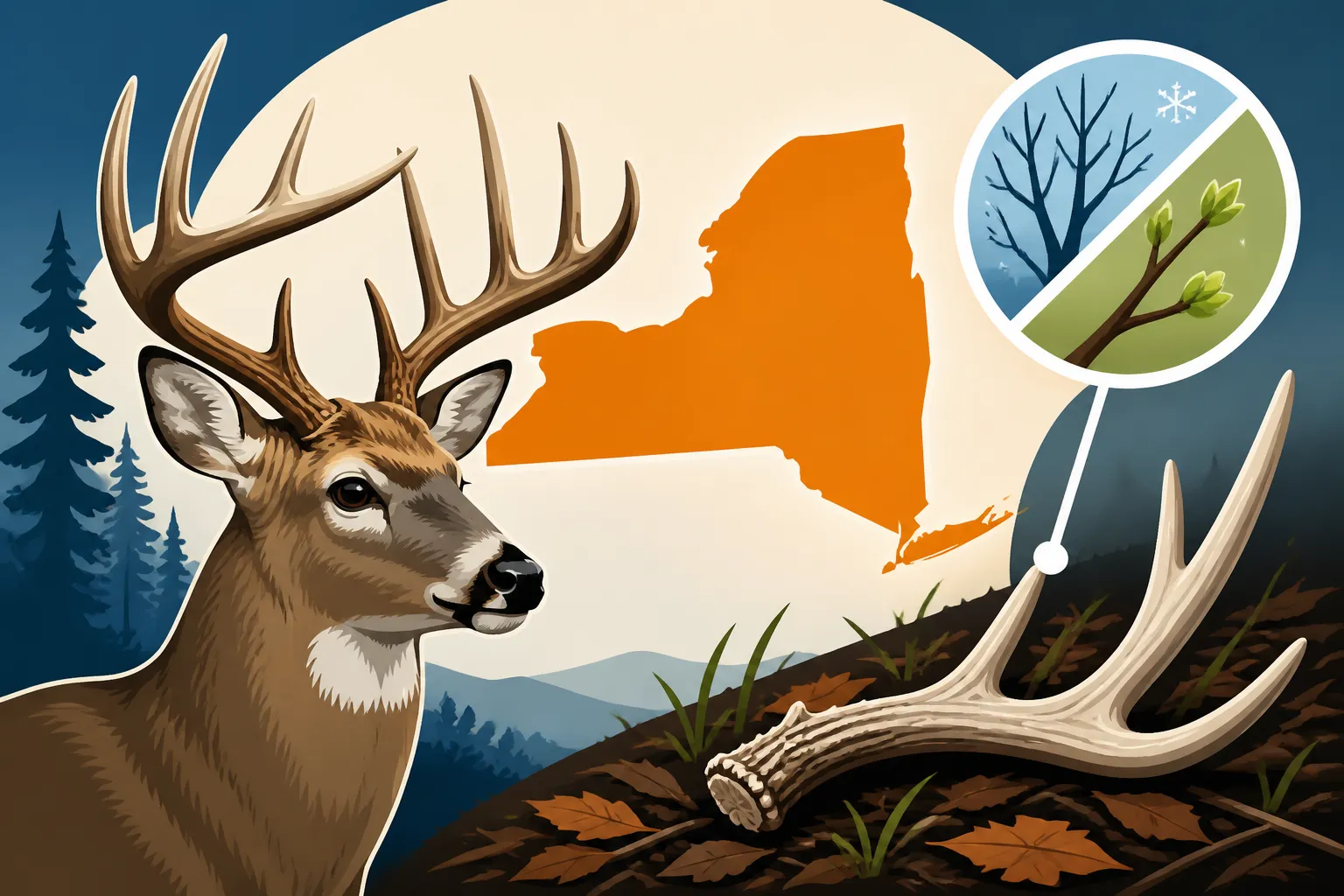
The primary driver for antler shedding is the dramatic drop in testosterone levels in a buck's system. Throughout the fall, during the breeding season – or "the rut" as we all know it – testosterone is at its peak. This hormone fuels their aggression, their drive to breed, and, crucially, keeps their antlers firmly attached to their pedicles (the bony outgrowths on their skull). As the rut winds down, typically in late November and into December across much of New York, daylight hours shorten, signaling to the buck's body that the breeding season is over. This decrease in photoperiod triggers a steep decline in testosterone production.
Once testosterone levels fall below a certain threshold, a specialized layer of cells forms at the pedicle-antler junction. This layer begins to reabsorb calcium, weakening the bond between the antler and the skull. Imagine it like the connection slowly dissolving. Eventually, the connection becomes so weak that the antler can no longer support itself and simply falls off. This process isn't instantaneous; it can take days or even a couple of weeks after the testosterone drop begins. It's a natural and essential part of the annual cycle, allowing bucks to grow a new, often larger, set of antlers for the following year. For more on how these seasonal changes impact deer, you might be interested in reading about When the New York Rut Peaks.
Nutritional Impact on Shedding
While hormones are the primary trigger, a buck's overall health and nutritional status play a significant role in when he sheds his antlers within the typical window. Think of it this way: a buck that went hard during the rut, chasing does, fighting rivals, and barely eating, will likely be in a more depleted state by late season. This physical stress, coupled with lower available food sources as winter deepens, can accelerate the shedding process. His body simply can't afford to expend energy maintaining antlers when survival is paramount.
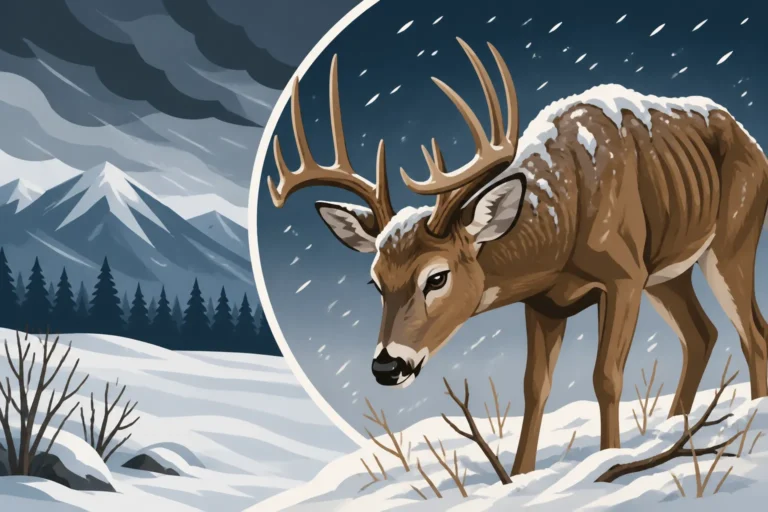
Conversely, a buck that came out of the rut in good shape, or one that has access to plentiful late-season food sources like browse, leftover agricultural crops, or even supplemental feeding in some areas (though be mindful of regulations regarding feeding wild deer in New York), might hold onto his antlers a little longer. His body isn't under the same level of stress, and therefore, the hormonal signal for shedding might be slightly delayed. The harshness of the winter itself can also be a factor; prolonged periods of deep snow and bitter cold force deer to expend more energy simply to stay warm and find food, which can stress their systems and encourage earlier shedding. Understanding Late-Season Food Sources for New York Whitetails can give you an edge in finding those areas where deer congregate before and during the shed season.
When Does Antler Shedding Typically Occur in New York?
Pinpointing the exact day a buck sheds his antlers is impossible, but we can look at general trends and influential factors across the diverse landscapes of New York State. Most New York bucks will shed their antlers between late December and early April, with the peak usually occurring in January and February.
Southern Zone vs. Northern Zone Differences
New York is a big state, and the timing of the shed hunt can vary significantly between the Southern and Northern Zones.
- Northern Zone: In the Adirondacks and other northern regions, winters hit earlier and harder. Deep snow and colder temperatures put more stress on deer earlier in the season. Bucks here often enter the rut in slightly leaner condition due to the generally poorer habitat and shorter growing seasons. This combination of factors tends to push shedding a bit earlier. You might start finding sheds in the Northern Zone as early as late December, with a strong peak in January. By mid-February, a good number of northern bucks have likely already dropped. Understanding How Severe Winters Hit Adirondack Deer is crucial for appreciating the challenges deer face up there.
- Southern Zone: The Southern Zone, including the Catskills, Finger Lakes, and Western New York farmlands, generally experiences milder winters and often boasts richer habitat and more abundant food sources, including agricultural crops. Bucks here might sustain themselves better through the rut and initial winter period. Consequently, shedding often peaks later than in the Northern Zone, typically throughout February and into early March. It's not uncommon for some bucks in excellent condition, particularly younger ones, to hold onto their antlers into late March or even early April in the Southern Zone.
It's important to remember these are general guidelines. Individual deer are just that – individuals. I've known hunters who've found fresh sheds in the Southern Zone right before Christmas, and others who've seen bucks still carrying both antlers well into April. The key is to pay attention to your local deer population and conditions.
Factors Influencing Early or Late Sheds
Beyond the broad geographical zones, several more granular factors can influence precisely when a buck decides to lighten his load.
- Buck Age: Generally, older, more mature bucks tend to shed their antlers earlier than younger bucks. The reason isn't entirely clear, but it's thought that their bodies, having poured so much energy into growing larger racks and then enduring the rigors of the rut, simply need to recover sooner. Younger bucks, often less involved in the intense breeding activity, might hold onto their antlers longer.
- Herd Health and Density: In areas with a healthy, well-nourished deer herd and a balanced buck-to-doe ratio, shedding might occur more consistently within the typical window. In contrast, in areas with very high deer densities or poor habitat, deer might be under more nutritional stress, potentially leading to earlier, more synchronized shedding as all bucks compete for limited resources. A detailed mapping app like those offered by GoHunt, can help you scout and understand areas of varying deer densities based on reported harvests.
- Individual Variation and Genetics: Just like people, every deer is a little different. Genetics play a role in antler growth, and they also influence shedding patterns. Some bucks might just be genetically predisposed to shedding earlier or later than their peers, regardless of external factors. You might observe a particular buck on your trail cameras holding his antlers longer year after year.
- Stressors: Beyond nutritional stress, other factors like disease, injury, or severe weather events can also cause a buck to shed his antlers prematurely. If a buck is struggling with an illness or recovering from a significant injury, his body may prioritize healing over maintaining bone growth, leading to an early drop.
| Factor | Northern Zone (General) | Southern Zone (General) | Influences |
|---|---|---|---|
| Peak Shedding Window | January – Mid-February | February – Early March | Climate, habitat |
| Early Sheds Possible | Late December | Mid-January | Harsh winter, older bucks |
| Late Sheds Possible | Late February – Early March | Late March – Early April | Mild winter, young bucks |
| Primary Trigger | Decreasing Testosterone | Decreasing Testosterone | Universal |
| Nutritional Stress | Higher, earlier | Lower, later | Food availability, rut intensity |
| Typical Snow Cover | Heavier, longer lasting | Variable, shorter duration | Visibility for shed hunters |
Finding Those Elusive Sheds: Tactics and Tips
So, now that you have a better idea of when to look, let's talk about how to increase your chances of finding those elusive pieces of bone. Shed hunting isn't just a walk in the woods; it's a strategic pursuit, much like hunting itself, requiring patience, observation, and knowing where deer spend their time. Tools like GoHunt can be invaluable for pinpointing potential bedding areas on public land.
Key Areas to Focus Your Search
Deer are creatures of habit, especially in winter when conserving energy is paramount. Focusing your search on areas where they naturally congregate will greatly improve your success.
- Bedding Areas: This is often shed central! Bucks love to bed on south-facing slopes, thick cedar swamps, stands of conifers, or dense brush piles where they can soak up the sun and find shelter from the wind. These spots offer thermal cover. When they stand up from a bed, especially if it's on a slight incline or they bump their head on a branch, an antler can easily pop off. Look for depressions in the snow or flattened grass where deer have been lying down. Checking around these beds and the immediate travel routes away from them is critical. This is where understanding Where Adirondack Bucks Bed can be particularly useful.
- Feeding Areas: During the lean winter months, deer focus heavily on finding food. This means agricultural fields (especially cut corn or soybean fields), oak ridges with leftover acorns, clear-cuts with abundant browse, and dense pockets of young regenerating timber are prime locations. Deer spend a lot of time with their heads down while feeding, which can dislodge an antler. Pay close attention to the edges of fields, food plot fringes, and any trails leading into these areas. Mapping out these areas with a platform like GoHunt before you head out can save you a lot of time.
- Travel Corridors: Deer don't just magically appear in bedding or feeding areas; they use established trails to move between them. These travel corridors, especially those with low-hanging branches, fences, or ditches, are excellent places to find sheds. As a buck jumps over an obstacle or brushes past a thick branch, a loosened antler can be knocked free. Look for well-worn trails connecting food sources to bedding cover, often running along ridge lines or through saddles. Learning about Reading a Ridge for Catskill Deer Movement can help identify these natural funnels.
- Water Sources: While deer don't shed specifically at water, they need it daily. If you have open water sources like unfrozen creeks, springs, or even areas where snowmelt creates small puddles, deer will pass through these spots. Check the banks and trails leading to these water sources.
Best Conditions for Shed Hunting
Timing and conditions play a role in your success. Don't just head out aimlessly!
- After a Snowmelt: A fresh blanket of snow can hide sheds, but a subsequent thaw, especially if it exposes the underlying leaf litter or grass, can make sheds much easier to spot. The contrast of the white antler against brown earth is excellent. However, a light dusting of fresh snow can also create distinct deer tracks, making it easier to follow their recent movements into likely shedding zones.
- Systematic Grid Searching: Once you've identified a promising area, don't just wander around. Employ a systematic grid search pattern. Walk parallel lines, about 10-15 yards apart, covering the entire area. Then, turn and walk perpendicular lines. This methodical approach ensures you don't miss anything. It's tedious, but effective. This is especially useful on Shed Hunting on New York Public Land where deer density might be lower and competition higher.
- Patience and Persistence: Shed hunting is often a marathon, not a sprint. You might walk for hours and find nothing, then stumble upon two sheds within minutes. The more time you put in, and the more systematically you search, the higher your chances of success. Don't get discouraged!
Ethical Considerations and Respecting Wildlife
While shed hunting is a fun and rewarding winter pastime, it's crucial to remember that we're entering the deer's most vulnerable season.
- Minimize Disturbance: Winter is a tough time for deer. They are often living off stored fat reserves and every bit of energy they expend trying to escape perceived threats puts them at risk. Try to minimize your impact. Walk slowly, quietly, and avoid pressuring deer. If you spot deer, change your route to avoid disturbing them. Never intentionally push deer around to try and make them drop an antler; this is unethical and can be detrimental to their survival.
- Respect Private Property: Always get permission before venturing onto private land. Trespassing is not only illegal but also harms the reputation of all outdoor enthusiasts. Even if you see a shed on private land from a public road, you still need permission to retrieve it. For advice on approaching landowners, you might want to look at Knocking on Doors in Southern Tier Farm Country.
- Leave No Trace: Pack out everything you pack in. Don't leave trash, and try to leave the area exactly as you found it. The goal is to enjoy nature, not to degrade it.
Shed hunting is a wonderful way to extend your time in the woods after deer season closes and connect with the natural world in a different way. With a little knowledge of deer biology, understanding New York's regional differences, and applying smart searching tactics, you'll be well on your way to finding those cherished pieces of bone. Happy hunting, and good luck out there!
Disclaimer
This article is for general informational purposes only and does not constitute professional advice. Laws, prices and regulations vary by location and change over time. Consult a qualified professional for guidance on your specific situation.