Late-Season Food Sources for New York Whitetails
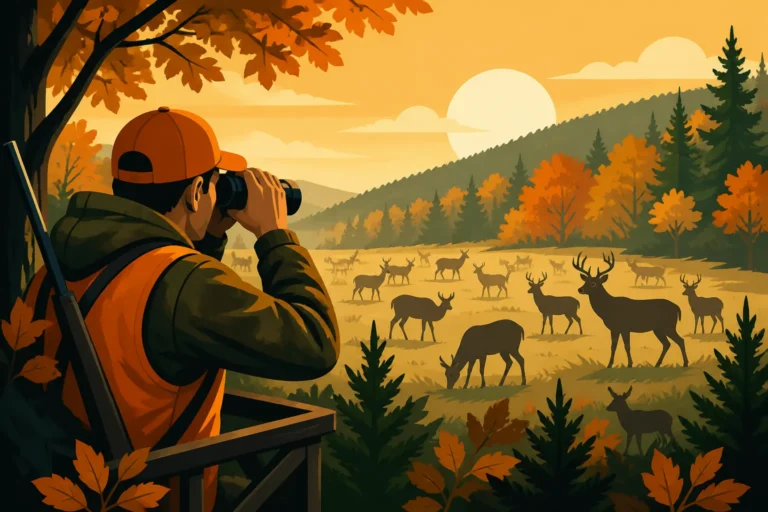
As the New York deer season marches into December and beyond, many hunters find themselves scratching their heads, wondering where the deer have gone. The vibrant chaos of the rut is a distant memory, and those easy-to-pattern travel corridors of October seem abandoned. The truth is, whitetails shift their priorities drastically in the late season, and understanding their relentless pursuit of calories is the absolute key to punching your tag. This guide will dive deep into identifying and effectively hunting the crucial late-season food sources that New York whitetails rely on to survive the long, cold winter.
Understanding Late-Season Deer Behavior and Hunger
The late season in New York, especially after the firearm seasons, presents a unique set of challenges for whitetails. The landscape changes dramatically, and their behavior adjusts accordingly. Gone are the days of chasing does; now, it's all about survival.
The Winter Challenge and Energy Demands
Once the crisp air of early fall gives way to the biting cold of late November and December, New York whitetails face an uphill battle. The intense activity of the rut has left bucks depleted, having burned through massive amounts of energy without much time for recovery. Does are also feeling the strain, either having been bred or preparing their bodies for the coming fawns. Combine this physical exhaustion with plummeting temperatures, harsh winds, and the inevitable snow cover, and you have a recipe for extreme calorie deficit. Deer need to replace those lost reserves and build up enough fat to carry them through the leanest months of winter. This incredible physiological demand means their lives revolve around finding the most energy-dense food available. A good understanding of this drive is crucial for any hunter employing a Cold-Weather Sitting Strategy in New York.
Prioritizing Survival Over Breeding
During the peak of the rut, a buck's brain is singularly focused on breeding, often throwing caution to the wind in pursuit of a doe. But as the rut winds down, typically by late November or early December, that hormonal drive dissipates. The switch flips from reproduction to pure survival. Deer movement becomes far more predictable and deliberate. They aren't aimlessly wandering; every step is calculated to conserve energy and maximize calorie intake. This means they will concentrate their activity around the most reliable and nutritious food sources, often traveling less distance if possible. Hunters who recognize this shift can greatly narrow down their search areas, focusing almost exclusively on areas offering high-quality forage.
Thermal Cover and Food Source Synergy
When the mercury drops and snow blankets the ground, food alone isn't enough. Whitetails also need thermal cover – places where they can escape the wind and cold, conserving precious body heat. Often, the most productive late-season hunting spots are those where dense thermal cover, such as thick stands of conifers, deep ravines, or south-facing slopes, is located in close proximity to a prime food source. Deer will bed in these protected areas during the day, minimizing exposure to the elements, and then make relatively short, efficient movements to feed in the evenings and mornings. This creates predictable travel patterns that savvy hunters can exploit. Think about how deer move from a dense hemlock stand to a cut cornfield; these short trips become vital arteries of deer activity.
Key Natural Food Sources Still Available
Even when the landscape looks barren and frozen, nature often provides hidden sustenance for New York's whitetails. Knowing what to look for, and where, can make all the difference.
The Allure of Leftover Acorns and Hard Mast
Many hunters assume that by late season, all the acorns are gone. While the prime drop period is certainly earlier, deer have an uncanny ability to find lingering hard mast, especially after a period of snowmelt or during a mild spell. Different oak species drop their acorns at different times and in varying quantities. Red oak acorns, for instance, often persist longer and are less palatable immediately after dropping due to tannins, meaning deer might return to them later in the season once they've leached out or other food sources are exhausted.
Furthermore, some acorns can get buried in leaves or shallow snow, making them available even after the initial frenzy. When you're Hunting After a Poor Acorn Year, deer will seek out any remaining mast, making even small pockets of oaks highly attractive. Focusing your scouting efforts on mature oak ridges, particularly those with a mix of red and white oaks, can still yield results. Look for areas with disturbed leaves or small craters in the snow, indicating deer have been pawing for hidden treasures.
Persistent Soft Mast and Browse
While most berries and fruits are long gone by late December, some exceptions can be absolute magnets for deer. Wild apple trees, especially those in abandoned orchards or along old farmsteads, are prime examples. The fruit often drops, ferments, and can remain on the ground well into winter, providing a highly desirable, sugar-rich treat. Pears, if present, behave similarly.
Beyond fruit, woody browse becomes increasingly important as snow depth limits access to ground forage. Deer will strip buds, twigs, and bark from a variety of trees and shrubs. Favorites include maple, dogwood, witch hazel, sumac, and young cedar. In areas of the Adirondack Forest Preserve where winter can be particularly harsh, deer will yard up in conifer stands, relying heavily on browse like cedar and hemlock. Look for clipped twigs with ragged edges (distinct from the clean cuts left by rabbits or hares) as sure signs of deer activity. Identifying these browse lines can lead you directly to wintering areas.
Under-Snow Foraging Opportunities
Even under a blanket of snow, whitetails are incredibly resourceful. They will paw through surprisingly deep snow to access underlying forage. This is often true in areas with sparse snow cover, or where a thaw has exposed patches of ground. Think about agricultural fields with residual clover or winter wheat that might have been planted as a cover crop.
Additionally, in areas with heavy leaf litter, deer can sometimes find residual green plants that have survived under the protective cover of the snow and leaves. South-facing slopes, which get more sunlight and melt out faster, can also reveal exposed patches of forage sooner than shaded areas. When Tracking a Deer in Fresh New York Snow, pay close attention to where their tracks lead and whether they are actively digging, as this will tell you what they are seeking beneath the white blanket.
Agricultural and Managed Food Hotspots
For many New York hunters, especially in the Southern Zone, agriculture plays a massive role in late-season deer patterns. These man-made food sources are often the most concentrated and reliable options available.
Standing Corn and Soybean Fields
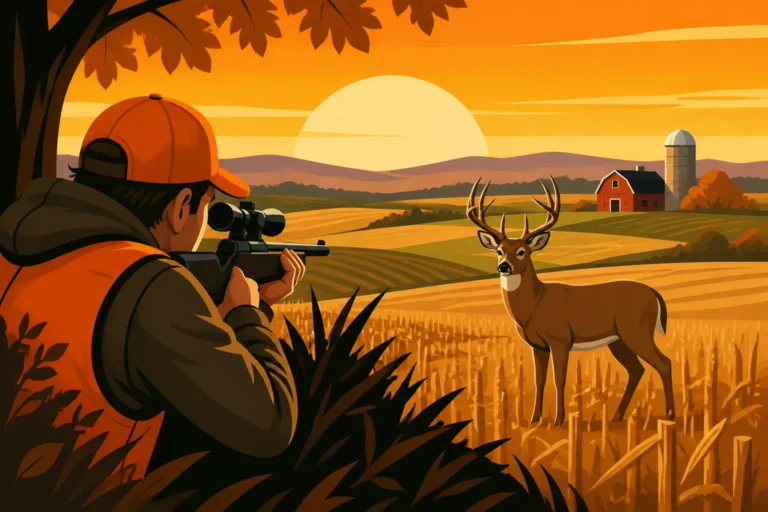
There's a reason why standing cornfields are legendary late-season deer magnets. They offer a powerful one-two punch: abundant, high-calorie food and crucial thermal cover. The stalks provide insulation from wind and snow, and the remaining ears offer a feast of carbohydrates. Soybeans are similar, with deer avidly consuming any leftover pods. The challenge with these fields, particularly large ones, is knowing where deer are entering, exiting, and congregating.
Hunting the edges of these fields, especially where they meet thick cover or timber, is a common tactic. However, as the season progresses and deer face more pressure, they often retreat deeper into the standing crop during daylight hours. This is where patient observation from a distance, or even using tactics like Deer Drives With Three or Four Hunters on smaller plots, can be effective. If you're Hunting a Standing Cornfield in Farm Country, consider setting up a ground blind just inside the field edge or where a prominent trail enters the timber.
Winter Food Plots and Brassicas
Dedicated food plots, if designed for late-season attraction, can be absolute game-changers. Crops like brassicas (turnips, radishes, kale) actually become more palatable after a few hard frosts, as the cold converts starches into sugars, making them incredibly attractive to deer. Winter wheat, rye, and clover plots also offer green forage that remains accessible even under light snow cover.
Private landowners and clubs often invest heavily in these plots, creating concentrated feeding zones that hold deer even when natural forage is scarce. If you're lucky enough to have access to land with well-maintained late-season food plots, you've found a goldmine. Scouting these plots for fresh tracks and browsing patterns is critical, and deploying a Ground Blind Rules on New York WMAs type setup or a well-placed treestand overlooking the most heavily browsed areas can be highly effective. Remember, deer will often hit these plots right at last light, so positioning for an ethical shot before dark is crucial.
Old Orchards and Abandoned Farms
Don't overlook the overlooked. New York is dotted with historical landscapes, including countless old farms and orchards that have long since been abandoned. These forgotten places can be late-season hotspots. Old apple trees, even neglected ones, can continue to produce fruit that drops to the ground and persists, sometimes even fermenting slightly, which deer find irresistible.
Beyond the fruit, these areas often feature hedgerows, thickets, and overgrown fields that offer dense cover and secondary browse. Deer feel secure in these transitional zones between open fields and heavier timber. When Hunting Small Private Tracts in New York, especially those with a history of agriculture, investigate every old apple tree, every overgrown fencerow, and every small, forgotten clearing. These spots, often less pressured than large public land tracts, can offer surprising late-season opportunities.
Strategies for Locating and Hunting Late-Season Food
Finding late-season food is one thing; successfully hunting it is another. It requires a blend of intense scouting, adaptability, and strategic thinking.
Intensive Scouting and Digital Mapping
Scouting isn't just for September; it's a continuous process, and it's never more critical than in the late season. Before you even step into the woods, leverage digital mapping resources. Platforms like GoHunt, along with other mapping apps like OnX Hunt, offer satellite imagery that can reveal standing crop fields, dense conifer stands, potential old orchards, and topographic features like south-facing slopes. Spend time pouring over aerial photos, identifying potential food sources and the most logical travel corridors between them and thermal cover.
Once you hit the ground, look for fresh tracks in the snow, pawed-up areas, and browse lines. Pay attention to droppings – fresh droppings near a food source indicate recent activity. Don't be afraid to put on miles, even if it's cold. This kind of intensive reconnaissance, especially looking for the specific signs of deer targeting a particular food, is essential. When you're Scouting New York Public Land Before Season, prioritize finding these potential late-season havens. The more time you spend deciphering deer patterns, the better your chances of intercepting them.
| Food Source Type | Primary Benefit | Typical Late-Season Location | Hunter's Advantage |
|---|---|---|---|
| Acorns | High Carbohydrates | Mature oak ridges, sheltered pockets, under leaf litter | Concentrated activity, identifiable pawing marks |
| Hardy Browse | Consistent Sustenance | Conifer thickets, clearcuts, dense regenerating timber | Predictable yarding areas, clear browse lines |
| Standing Corn | Calories & Cover | Large agricultural fields, field edges | Obvious attraction, predictable entry/exit from cover |
| Brassica Plots | Palatable after Frost | Managed private land plots, old farm fields | Strong attraction, often holds deer during daylight hours |
| Wild Apples | Sugars & Fermentation | Abandoned orchards, old farmsteads, transition zones | Overlooked spots, less pressure, concentrated pockets |
Adapting to Changing Conditions
New York weather in late season can be wildly unpredictable, swinging from mild, rainy days to bitter cold with heavy snow. Successful late-season hunters are masters of adaptability. Snow depth is a huge factor: light snow might make certain ground forage more visible and accessible, while deep snow will force deer to rely exclusively on browse or standing crops.
When deep snow makes travel difficult, deer will often yard up in sheltered areas, creating visible deer trails to food sources. These trails become high-traffic highways, offering excellent ambush opportunities. Extreme cold, on the other hand, will drive deer to feed more aggressively and often earlier in the day to fuel their metabolism. Pay attention to local forecasts, and use the conditions to your advantage. A sudden drop in temperature or a fresh snowfall can instantly turn a slow hunt into a productive one. Consider Hunting Deer in Deep Tug Hill Snow and how those conditions dictate deer movement and food choice.
Strategic Stand Placement and Hunting Pressure
Once you've identified a prime late-season food source, the next step is strategic stand placement. Because deer are so focused on food and energy conservation, they'll often emerge from bedding cover and head straight to their preferred feeding area. Your goal is to intercept them along that short, direct path. This often means setting up closer to bedding areas than you might during the rut, but always with a careful eye on your entry and exit routes to avoid spooking deer.
Wind direction is paramount. Your scent will travel, and late-season deer are inherently more cautious due to hunting pressure. Choose a stand location that keeps your scent blowing away from both the bedding area and the food source. Utilizing a ground blind can also be highly effective in late season, offering concealment and protection from the elements, allowing you to stay on stand longer. Platforms like GoHunt can help you visualize wind direction against terrain features, allowing for optimal setup. Remember, late-season deer have already survived months of hunting pressure, so minimizing your impact is crucial. Often, it's better to hunt a spot once or twice with ideal conditions than to pressure it repeatedly, causing deer to go completely nocturnal or abandon the area. The key is knowing when to make your move and when to pull back, letting the spot cool off and the deer regain their confidence. For hunters pursuing deer during the Hunting the Southern Zone Holiday Hunt, understanding these dynamics is paramount.
Disclaimer
Please remember that hunting regulations and seasons can change. Always consult the most current New York State Department of Environmental Conservation (NYSDEC) hunting guide before heading afield to ensure you are compliant with all laws and regulations.