New York Turkey Population Estimate
It can feel like a real mystery sometimes, trying to figure out how many wild turkeys are actually roaming our favorite New York woods and fields. One year they seem to be everywhere, and the next, you're scratching your head wondering where they all went. It's a common frustration, especially when you're trying to plan your spring hunt. This guide will walk you through how wild turkey populations are estimated in New York, what factors cause those numbers to fluctuate, and what these estimates mean for your hunting success.
Understanding New York's Wild Turkey Population Estimates
When we talk about "population estimates" for wild turkeys in New York, we're not dealing with an exact head count. That would be an impossible task across such a vast and varied landscape! Instead, wildlife biologists use a variety of scientific methods to develop educated guesses about the number of birds out there. These estimates are crucial for managing the species effectively, ensuring healthy populations for future generations of hunters and wildlife enthusiasts.
The Science Behind the Numbers
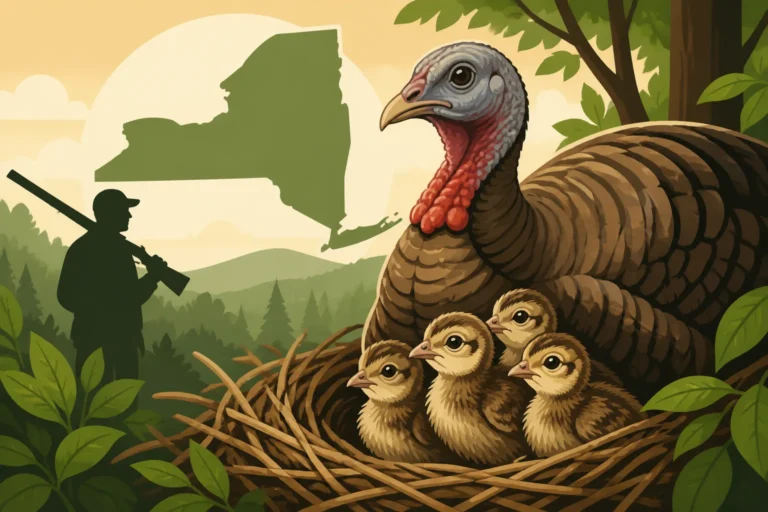
The New York Department of Environmental Conservation (DEC) relies on several long-standing programs to gather data on wild turkeys. One of the most important is the annual Summer Wild Turkey Sighting Survey. This isn't just a casual observation; it's a critical citizen science project where volunteers, landowners, and hunters report observations of turkeys, especially hens and their poults (young turkeys), during the summer months. These reports give biologists invaluable insight into reproductive success and poult-to-hen ratios, which are direct indicators of how well the population is replenishing itself. A good year for poult survival usually means a healthier population for the upcoming fall and spring seasons.
Another significant piece of the puzzle comes from harvest data. When hunters report their turkey harvests, whether through the online system or by phone, that information provides a direct snapshot of hunter success and the density of birds in certain areas. Over many years, this data creates trends that help biologists understand population dynamics. They look at the total number of birds harvested, the age and sex ratios of those birds, and even the geographic distribution of the harvest. If harvest numbers trend down across a wide area, it can signal a potential decline in the overall population, prompting further investigation. You can explore how these numbers have changed over time by looking into New York Turkey Population Trends.
Why Exact Numbers Are Elusive
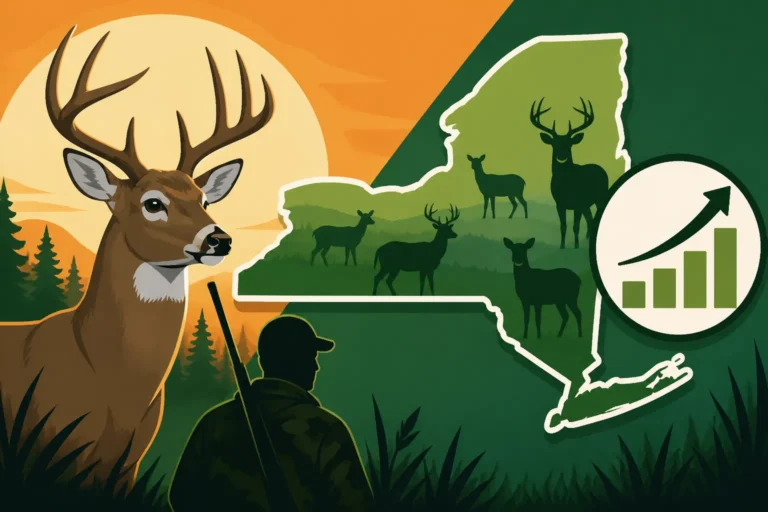
Trying to put an exact number on New York's wild turkey population is like trying to count every leaf on every tree in the Adirondacks – it's just not practical. Turkeys are mobile, wary, and often inhabit dense, remote areas. Their populations naturally fluctuate from year to year based on a multitude of environmental factors, which we'll dive into next. Instead of a single, static figure, wildlife managers think in terms of population trends, densities, and the overall health of the breeding population. They monitor whether the numbers are increasing, stable, or decreasing, and use that information to make management decisions, such as adjusting season lengths or bag limits. It's a dynamic system, and understanding the "why" behind the numbers is often more helpful than chasing an exact count that would be outdated the moment it's published. This approach helps ensure that decisions are based on the best available science and real-world observations from people like us who are out in the woods.
Key Factors Influencing Turkey Population Dynamics
The health and size of New York's wild turkey population are subject to a delicate balance of ecological factors. It's not just about how many eggs are laid, but how many poults survive to adulthood, how much suitable habitat is available, and what challenges they face from predators and the elements.
Habitat Quality and Availability
Wild turkeys thrive in a mosaic of habitats: mature forests for roosting and foraging, open woodlands with good undergrowth for nesting and brood-rearing, and agricultural fields for additional food sources like waste grain. When suitable habitat is abundant and interconnected, turkey populations generally do well. Conversely, habitat fragmentation due to development, or changes in forest management practices, can negatively impact local turkey numbers. For instance, areas with a mix of hardwoods, pines, and clearings often support higher turkey densities than vast, unbroken tracts of single-species timber.
The availability of mast crops – acorns, beechnuts, and other hard nuts – is another huge driver. A bumper crop of acorns in the fall means turkeys can build up crucial fat reserves to survive the winter and enter spring in better breeding condition. A poor mast year, however, can lead to increased winter mortality and a less robust breeding season. Hunters often notice this directly; a great acorn year usually means turkeys are more dispersed, while a lean year might concentrate them around fewer food sources. Understanding these food sources is key to hunting success, especially in specific regions like the Hunting Finger Lakes Region Deer where diverse agriculture and woodlands meet.
Weather Extremes and Nest Success
Perhaps the most significant annual influence on turkey numbers is the weather, particularly during the nesting and brood-rearing periods. Think about it: a cold, wet spring can devastate a turkey hatch. Hens might abandon nests if conditions are too harsh, or heavy rains can chill eggs, preventing them from hatching. Even if poults hatch, extended periods of cold rain can lead to high mortality rates for very young birds, as they are susceptible to hypothermia and a lack of insect protein. Dry, warm springs, on the other hand, often lead to fantastic hatches and strong poult survival. This is why you hear biologists talk about Poult-to-Hen Ratios and What They Mean; it's a direct indicator of how successful the nesting season was, which directly translates to the number of birds available in the fall and the following spring.
Severe winters can also take a toll, especially in the northern reaches of the state where snow can pile deep for months. Turkeys burn through their fat reserves rapidly when food is scarce and temperatures plummet. While adult turkeys are resilient, extended periods of deep snow can limit access to food, leading to weakened birds and increased susceptibility to disease or predation. The balance of a mild winter followed by a favorable spring can lead to a boom in turkey numbers, while a harsh combination can set the population back.
Predation and Disease
Nature's balance also includes predators and disease, which play a natural role in regulating turkey populations. Common predators of turkey eggs and poults include raccoons, opossums, skunks, and foxes. While these predators are always present, their impact can be exacerbated when nesting cover is sparse or if a particular predator population spikes. For adult turkeys, coyotes, bobcats, and even domestic dogs can be threats. It's a tough world out there, and only the fittest often survive.
Disease outbreaks can also impact local or regional turkey populations. While widespread, catastrophic diseases are rare, localized issues can occur. Wildlife agencies monitor for diseases and stress factors that might affect turkeys, as healthy birds are better able to fend off challenges. All these factors combined make for a complex picture, and it’s why land managers and biologists constantly work to understand these dynamics. For hunters using resources like GoHunt, understanding these environmental variables can help you predict where turkeys might be more or less abundant in a given season, guiding your scouting efforts to areas with optimal habitat and less pressure.
Regional Variations in New York Turkey Abundance
New York is a huge state with incredible diversity, and just like deer, wild turkeys aren't evenly distributed across the landscape. The population dynamics we just discussed play out differently depending on where you are, leading to distinct regional variations in turkey abundance.
Southern Zone vs. Northern Zone
Generally speaking, the Southern Zone of New York tends to have higher turkey densities compared to the Northern Zone, particularly the vast Adirondack region. This isn't surprising when you consider the habitat differences. The Southern Zone, with its mix of agricultural lands, mature forests, and smaller woodlots, provides an ideal mosaic for turkeys. There's abundant food, diverse cover for nesting and roosting, and often milder winters that contribute to better overwinter survival. Counties in the Southern Tier and Finger Lakes regions are often considered some of the Best New York Counties for Turkeys, boasting consistent populations and good harvest numbers.
The Northern Zone, particularly within the Adirondack Park, presents a different challenge. While there are turkeys here, the vast, unbroken tracts of mature forest, coupled with harsher, longer winters, create a less optimal environment for high turkey densities. Food sources like mast crops can be less consistent, and deep snow can limit foraging opportunities for extended periods. This doesn't mean there aren't turkeys in the Northern Zone – there certainly are! – but hunters might have to work harder, cover more ground, and perhaps accept that numbers are generally lower than in the fertile farmlands to the south. Understanding these regional differences is crucial for any hunter hoping for success, whether it's spring gobblers or Hunting New York's Fall Turkey Season.
Long Island and Specific Wildlife Management Units
Even within the broad Southern Zone, you'll find microclimates and specific areas where turkeys either thrive or are less common. Long Island, for example, has a unique turkey population history. While turkeys have been successfully re-established in some areas, the fragmented nature of the landscape and human population density mean that hunting opportunities and turkey numbers are very localized. Hunters on Long Island often deal with much smaller, isolated populations compared to their counterparts upstate.
Furthermore, within individual Wildlife Management Units (WMUs) across the state, turkey densities can vary significantly. Factors like local land use, logging practices, and human disturbance all play a role. Some WMUs might have extensive public hunting lands with excellent turkey habitat, while others, perhaps surrounded by heavy development, will have very few birds. This is where detailed scouting and utilizing resources like GoHunt's mapping tools become invaluable. You can often overlay habitat data to pinpoint those areas within a WMU that offer the best chance of finding birds. Knowing Where New York Turkeys Are Densest can significantly cut down on unproductive scouting time.
| Region/Zone | Typical Habitat Characteristics | General Turkey Density | Key Influencing Factors |
|---|---|---|---|
| Southern Tier Farmland | Mix of agriculture, hardwood forests, brushy edges, rolling hills | High | Abundant food, diverse cover, milder winters |
| Catskill Mountains | Mature hardwood forests, steep terrain, some open valleys | Moderate to High | Mast crops, protective cover, challenging terrain |
| Finger Lakes Region | Extensive agriculture, interspersed woodlots, gorges, vineyards | High | Rich food sources, varied cover, good nesting sites |
| Adirondack Park | Vast conifer and hardwood forests, higher elevations, harsh winters | Low to Moderate | Limited food diversity, deep snow, extensive unbroken forest |
| St. Lawrence Valley | Agriculture, river bottoms, some scattered forests | Moderate | Food sources, riverine habitat, moderate snow |
| Long Island | Fragmented woodlands, suburban interface, pine barrens | Localized (Low) | Habitat fragmentation, human density, specific restoration |
Implications for Hunters
For hunters, understanding these regional population estimates and dynamics is more than just academic curiosity. It directly impacts your hunting strategy. If you're heading to a region known for high turkey density, you might focus on covering more ground, listening for multiple gobblers, and adapting to potentially higher hunter pressure. For example, knowing the general population health can influence your approach to Calling a New York Gobbler Off the Roost. In areas with lower densities, your approach might shift to more intensive scouting, focusing on specific habitat features like prime roosting sites or feeding areas, and being more patient. Using tools like the New York State Department of Environmental Conservation (DEC) website, coupled with mapping software, can help hunters pinpoint areas with promising habitat and understand historical harvest trends, helping you make informed decisions before you even step foot in the woods. Ultimately, a successful hunt isn't just about calling; it's about understanding the entire ecosystem.
What Population Estimates Mean for Your Hunt
Knowing the estimated turkey population in New York isn't about getting a precise number to chase, but rather about understanding the broader picture of turkey health and how that translates to your chances afield. It helps you set realistic expectations and informs your hunting strategy.
Setting Realistic Expectations
If the state-wide population estimate or, more importantly, the regional estimates for your hunting area, indicate a dip in turkey numbers, it's a signal to adjust your expectations. This doesn't mean you won't find turkeys, but it might mean encountering fewer birds, or fewer gobblers willing to commit. A hunter going into a season after a tough winter and a wet spring for turkey hatches might need to expand their scouting efforts, cover more ground, or perhaps focus more on woodsmanship and less on aggressive calling. Conversely, a strong population year, indicated by high New York Wild Turkey Nesting Success, might mean more liberal bag limits or a greater chance of encountering multiple birds, allowing for a more patient or selective approach.
The availability of information through resources like the DEC's annual reports and platforms such as GoHunt allows hunters to see trends and forecasts. This foresight can prevent frustration and help you stay positive, knowing that success sometimes hinges on adapting to the current conditions of the wild turkey population. Instead of getting discouraged if you don't hear a gobble right away, you might understand that the birds are simply more dispersed or less abundant that particular season.
Guiding Your Hunting Strategy
Understanding population estimates can profoundly influence your hunting strategy. If estimates suggest a healthy, growing population, you might feel more confident in a "run-and-gun" approach, covering a lot of ground and calling aggressively to locate active birds. This might be particularly effective on larger public land tracts where birds are more spread out. Tactics like Run-and-Gun Turkey Tactics on Public Land rely on an abundance of birds to increase your odds of striking one up.
However, if estimates point to lower numbers, especially in pressured areas, a more patient, subtle approach might be more effective. You might focus heavily on pre-season scouting to locate specific roosting trees or feeding areas, then set up for a quiet ambush. This could involve using a ground blind on a field edge, or carefully still-hunting known travel corridors. Being aware of the overall population health helps you decide whether to be aggressive or stealthy. It's about playing the odds effectively, based on the information available. Knowing that there might be fewer birds makes you focus more on the small details and less on hoping for a quick response.
The Role of Hunter Participation
Finally, our participation as hunters is vital to accurate population estimates. When we diligently report our turkey harvests, we provide critical data points that biologists use to refine their models and understand population trends. This isn't just a bureaucratic step; it's a contribution to the science that ensures sustainable hunting for everyone. Accurate harvest data helps the DEC make informed decisions about season structures and management units, ensuring that regulations match the health of the turkey population.
Beyond reporting, observing and reporting things like Nest Predation and New York Turkey Hatches or general turkey sightings, even outside of hunting season, can also contribute to the knowledge base. Every piece of information helps paint a clearer picture of how New York's wild turkeys are faring. It's a partnership between hunters and wildlife managers, all working towards the common goal of a healthy, thriving wild turkey population across the state. So, next time you're out there, remember that your observations and compliance with reporting regulations are a direct part of understanding and sustaining this amazing game bird.
Disclaimer
This article is for general informational purposes only and does not constitute professional advice. Laws, prices and regulations vary by location and change over time. Consult a qualified professional for guidance on your specific situation.