Bobcat Range and Numbers in New York
Many New York hunters and outdoor enthusiasts often wonder about the mysterious bobcat. You might catch a fleeting glimpse, hear a story, or see tracks in the snow, leaving you curious about these wild, elusive felines and where they truly thrive in our diverse landscapes. This comprehensive guide will pull back the curtain on New York's bobcat population, delving into their historical journey, current range, population numbers, and the critical role they play in our state's ecosystems.
Understanding the Elusive Bobcat in New York
New York's landscape is teeming with fascinating wildlife, but few animals capture the imagination quite like the bobcat. These incredible predators are a vital part of our state's natural heritage, yet they remain largely unseen by most. Their secretive habits and skill at blending into the environment make any encounter a memorable one, and understanding their presence helps paint a fuller picture of our wild places.
The Enigma of the New York Bobcat
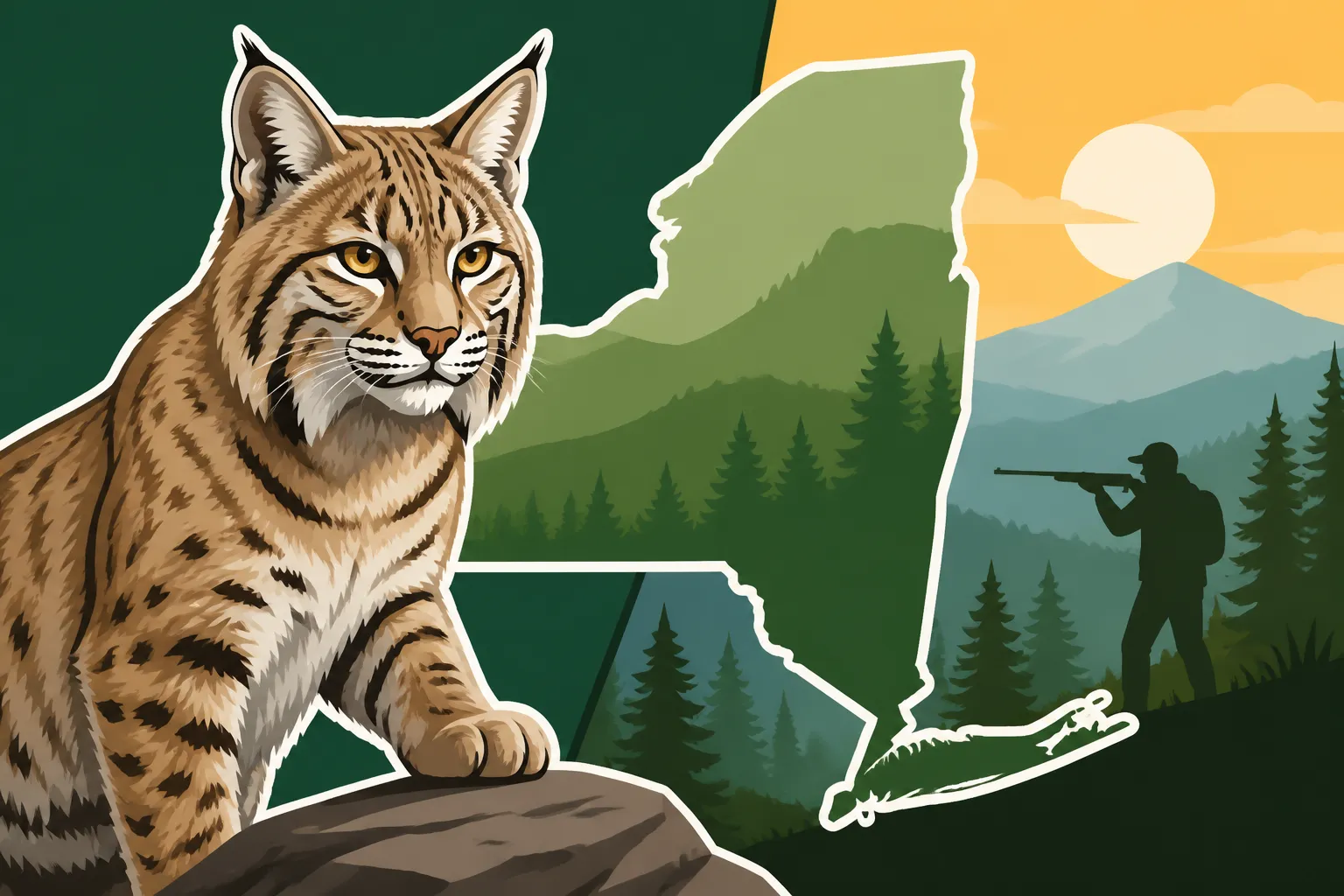
Bobcats are one of New York's most captivating, yet rarely seen, predators. Unlike coyotes or even black bears, which are increasingly common sights in certain areas, bobcats tend to remain hidden, their nocturnal habits and secretive nature making encounters quite rare. This elusiveness often leads to a lot of speculation and sometimes even mistaken identity when someone catches a glimpse of a medium-sized cat in the woods. Their quiet movements through dense cover, whether it's a thick cedar swamp or a rocky Catskill gorge, are a testament to their incredible adaptability and hunting prowess.
For hunters, spotting a bobcat is often considered a special privilege, a sign of a healthy, wild ecosystem. You might be still-hunting a ridge for deer and suddenly see that distinctive short, "bobbed" tail disappearing into the undergrowth. These animals are masters of camouflage and stealth, blending seamlessly into their surroundings with their spotted coats. Their presence, even unseen, adds a layer of wildness to our forests that many cherish, reminding us that truly wild places still exist within our state.
It's not just about their beauty, though. Bobcats are a crucial part of the natural predator-prey balance. They help regulate populations of small game, contributing to the overall health of their ecosystem. Understanding where they live and how many there are gives us a clearer picture of the ecological integrity of different regions across New York, from the rugged Adirondacks down to the gentler rolling hills of the Southern Tier. Their role as an apex predator in many small game ecosystems is often underestimated, but without them, prey populations could easily become overabundant and negatively impact vegetation.
Identifying Bobcats Versus Other Wild Cats
One of the most common confusions arises when someone spots a large domestic cat or even a very young coyote and mistakes it for a bobcat. Proper identification is key, not just for curiosity's sake, but also for accurate wildlife reporting. Bobcats, typically weighing between 15 to 35 pounds, are significantly larger than any house cat, with longer legs, much larger paws, and a more muscular build. Their most defining feature, of course, is that short, stubby tail, which is usually only about 4-7 inches long and often has a black tip on the underside.
Their fur color can vary widely, but generally, it's a tawny brown with dark spots or streaks, especially on their legs and belly. They also have distinctive black tufts of hair on the tips of their ears and often a noticeable ruff of fur around their cheeks, giving their face a broader, wilder look than a domestic cat. Remembering these key features can help you confidently identify a bobcat if you're lucky enough to encounter one in the wild, whether you're out hunting for deer or just hiking a secluded trail.
It's important to distinguish them from other potential wild canids like coyotes or even foxes, which, while similar in size, have very different body structures and much longer, bushier tails. While confirmed cougar reports in New York are exceedingly rare, and usually involve transient individuals, a cougar is dramatically larger, with a very long tail. So, if you see a medium-sized, spotted cat with a short tail, congratulations – you've likely seen a bobcat, a true marvel of New York's wild places and a clear indication of a thriving natural ecosystem.
Historical Presence and Current Distribution
The journey of bobcats in New York is a compelling story of resilience and successful conservation. From facing significant pressures in the past to a remarkable resurgence, their historical presence shapes our understanding of their current distribution across the state.
From Near Extinction to Resurgence
The story of bobcats in New York is one of dramatic decline and inspiring resurgence. In the late 19th and early 20th centuries, bobcats faced immense pressure from unregulated hunting and trapping, as well as significant habitat loss due to widespread deforestation for agriculture and timber. They were often viewed as varmints, a threat to livestock, and bounty systems were in place that decimated their numbers. It’s hard to imagine now, but there was a time when seeing a bobcat in much of New York would have been an incredibly rare occurrence, with their populations relegated to only the most remote and rugged corners of the state.
Thankfully, attitudes began to shift, and conservation efforts gained momentum. The establishment of regulated hunting and trapping seasons, coupled with a greater understanding of their ecological value, allowed bobcat populations to slowly begin their recovery. Reforestation efforts across much of New York, particularly in the Catskills and parts of the Southern Tier, provided new, crucial habitat for these adaptable predators to thrive. This turnaround is a testament to effective wildlife management and a changing public perception of predators, demonstrating that thoughtful intervention can reverse the tide of decline.
Today, we're fortunate to have a much healthier bobcat population. Their ability to adapt to varying landscapes, from heavily forested wilderness to areas bordering human development, has been a key factor in their comeback. While they're still shy and secretive, their presence in more areas now than a century ago is a clear sign that our conservation strategies have been successful in bringing this native feline back from the brink in many regions, allowing us to appreciate them once more.
Mapping Their Modern Range Across the State
Bobcats are not evenly distributed across New York. Their population density varies significantly depending on the region, primarily dictated by habitat suitability, prey availability, and human disturbance. Generally, you'll find higher concentrations of bobcats in the more rugged, forested, and less densely populated areas of the state. These include large swathes of the Catskills, the Southern Tier, and parts of the Adirondack foothills. The landscape in these regions offers the perfect mix of dense cover, rocky outcrops for denning, and a consistent food supply.
While you can theoretically find bobcats in almost any forested corner of New York, their presence becomes increasingly sporadic as you move into heavily developed areas or large agricultural plains with less contiguous cover. Even within their core range, their numbers can fluctuate. For instance, the denser forests of the Catskill Forest Preserve provide excellent cover, as do the extensive state forests of the Southern Tier. Hunters and trappers in these areas are much more likely to encounter bobcat sign, such as tracks in the snow or scat, than someone traversing the flat, open farmlands of Western New York, though even there, isolated sightings occur near river bottoms or brushy fencerows.
Understanding these regional variations is crucial for anyone interested in bobcats, whether you're a hunter, a trapper, or simply an observer. Utilizing detailed mapping tools, such as GoHunt, can be invaluable for pinpointing areas with the kind of terrain and cover bobcats prefer, like dense timber, rocky hillsides, and swampy areas. This allows you to not only narrow down your search for their elusive presence but also to better understand their current distribution and why certain areas are more productive than others. This kind of detailed topographical analysis truly aids in comprehending their current distribution and where you might have the best chance of encountering one.
Regional Hotspots and Sparse Areas
Let's get a bit more specific about where you're most likely to encounter these fascinating felines. The Catskill Mountains are undoubtedly one of New York's prime bobcat regions. The steep, rocky terrain, interspersed with mature hardwoods and thick hemlock stands, provides ideal habitat. Counties like Delaware, Greene, Sullivan, and Ulster consistently report higher bobcat activity. Similarly, the forested hills and deep valleys of the Southern Tier, particularly in counties bordering Pennsylvania, offer excellent conditions. Think of places like Allegany, Cattaraugus, and Steuben counties, where expansive state forests and public hunting land in New York provide vast, undisturbed territories, perfect for a predator like the bobcat.
Even within the vastness of the Adirondack Park, bobcat distribution can be patchy. While present throughout the region, the deep, mature forests of the Adirondack interior might support fewer bobcats than the mixed forests and edge habitats of the Adirondack foothills or areas closer to the park's periphery. This is often due to prey availability and the harshness of deep winter in the highest elevations. Conversely, areas like the Tug Hill Plateau also hold good bobcat populations, thanks to their heavy snow cover providing tracking opportunities and ideal small game habitat. Hunters engaged in activities like predator and furbearer hunting in New York often focus on these regions.
On the other end of the spectrum, regions dominated by intensive agriculture, urban sprawl, or very open landscapes will generally have sparser bobcat populations. While a bobcat might occasionally pass through a suburban woodlot or a small stream corridor in agricultural country, these are usually transient individuals rather than established residents. The key takeaway is that contiguous wild habitat, with a good mix of dense cover and diverse prey, is the ultimate determining factor for where New York's bobcats choose to make their home. The ability to find such undisturbed areas is often the first step in successful scouting.
Population Dynamics and Management Efforts
Understanding how bobcat populations fluctuate and are managed is key to their continued success in New York. State wildlife agencies employ a variety of methods to monitor these elusive animals, ensuring healthy numbers for future generations.
Estimating Bobcat Numbers and Trends
Pinpointing the exact number of bobcats in New York is, understandably, a tricky business. Their secretive nature makes direct counts nearly impossible. Instead, wildlife biologists rely on a combination of methods to estimate population trends and densities. This includes analyzing harvest data from regulated trapping and hunting seasons, conducting scent surveys using attractants, tracking studies in winter snow, and utilizing remote trail cameras. These indirect methods provide valuable insights into whether populations are increasing, decreasing, or remaining stable in various regions.
What we do know is that New York's bobcat population has been on a positive trajectory for decades, a true success story in wildlife management. While specific numbers aren't typically released as a single statewide figure, trend data suggests a healthy and expanding population across much of their suitable range. This growth has allowed for sustainable harvest opportunities through regulated seasons, which also serve as a crucial data collection mechanism for wildlife agencies. Each reported harvest provides valuable biological information, such as age, sex, and location, which helps inform future management decisions.
It's important for hunters and trappers, who are often the closest observers of these animals, to understand that their participation in reporting harvests is not just a regulatory requirement but a vital contribution to scientific understanding. Without this data, getting a clear picture of bobcat dynamics would be far more challenging. This collective effort ensures that the management strategies employed are based on the best available scientific information, promoting the long-term health and sustainability of the species. Tools like GoHunt can also assist individuals in identifying potential areas for observation that contribute to general knowledge about distribution.
New York's Management Strategy
The management of bobcats in New York falls under the purview of the state's environmental conservation department, with a primary goal of maintaining a healthy, viable population while providing sustainable recreational opportunities. This involves setting specific hunting and trapping seasons, bag limits, and reporting requirements that are tailored to regional population densities and trends. Unlike some states with very restrictive or closed seasons, New York has maintained open seasons in most areas for bobcats, a testament to their healthy numbers and effective management.
The strategy isn't just about harvest limits; it's also deeply tied to habitat preservation and understanding. The department continuously monitors changes in land use, forest health, and prey populations to ensure that bobcats have the resources they need to thrive. For instance, efforts to manage deer populations, which can impact small game and other predators, indirectly benefit bobcats by maintaining a balanced ecosystem. Understanding the broader ecological picture is always at the forefront of their management decisions, ensuring that habitat quality supports all native wildlife.
Furthermore, the state uses public outreach and education to foster appreciation for bobcats and reduce human-wildlife conflicts. While bobcat attacks on humans are exceedingly rare, educating residents about coexisting with wildlife, securing attractants, and understanding their role in the ecosystem helps prevent misunderstandings and promotes tolerance. This multi-faceted approach ensures that bobcats remain a cherished and thriving component of New York's natural heritage, much like the successful management of the New York black bear population.
The Role of Regulated Trapping and Hunting
For many, the idea of hunting or trapping bobcats might seem counterintuitive to conservation. However, in New York, as with many furbearer species, regulated harvest plays a crucial role in overall population management. Unlike the unregulated bounty systems of the past, today's seasons are carefully structured based on scientific data to ensure sustainability. Hunters and trappers provide valuable data through mandatory reporting, as discussed, and their activities can also help mitigate local population issues if bobcat numbers become too high in certain areas, though this is less common with such an elusive animal.
The furbearer seasons for bobcats typically run during colder months, often overlapping with seasons for other species like coyote calling in a New York winter or even New York's Northern Zone Firearm Season. This timing is strategic, as it coincides with when their pelts are prime and when tracking in snow is most effective for both hunters and managers. It's a highly skilled endeavor, whether you're setting traps with careful precision as detailed in articles about Trapping New York Furbearers or still-hunting with an eye for the subtlest sign.
Participation in these regulated activities is a privilege that comes with significant responsibility. Hunters and trappers must adhere strictly to all regulations, including specific tagging requirements and legal shooting hours. This disciplined approach ensures that the harvest remains within sustainable limits and that the bobcat population continues to flourish for future generations to appreciate. It's a hands-on form of conservation that has proven effective for many species, provided it is managed thoughtfully and scientifically.
Habitat Preferences and Prey Relations
Bobcats are true opportunists when it comes to their living arrangements and dietary choices. Their ability to thrive depends heavily on finding the right blend of cover, food, and safe haven within New York's diverse landscapes.
The Ideal Bobcat Environment
Bobcats are incredibly adaptable, but they certainly have a preferred type of real estate. They thrive in a mosaic of dense forests, brushy areas, rocky outcrops, and wetlands. This variety provides them with everything they need: ample cover for stealthy hunting and evading larger predators like coyotes, den sites among rock crevices or downed trees, and a diverse range of prey. Think of areas with a mix of mature hardwoods, young regenerating clear-cuts, and thick conifer stands—these are prime bobcat territories.
Accessibility to water is also a significant factor, whether it’s a flowing stream, a wetland, or a swamp. These wet areas often hold an abundance of small game, such as rabbits, muskrats, and waterfowl, all potential food sources. Furthermore, dense undergrowth and thickets found along riparian corridors provide excellent ambush cover. When Scouting New York Public Land Before Season, look for these specific features. If you're using a tool like GoHunt, you can zoom in on topo maps and satellite imagery to identify these prime habitat characteristics, such as elevation changes, dense forest canopy, and proximity to water sources.
While they are often associated with deep wilderness, bobcats are also quite comfortable in fragmented habitats, sometimes even venturing into rural areas with mixed woodlands and agricultural fields. They utilize fencerows, overgrown hedgerows, and small woodlots as travel corridors and hunting grounds, especially if these areas offer sufficient cover from human activity. This adaptability is one of the key reasons for their successful comeback across a broader range of New York's landscapes, from the Catskills to the more open country of the Southern Tier.
What's on a Bobcat's Menu?
Bobcats are opportunistic and highly efficient predators, and their diet primarily consists of small to medium-sized mammals and birds. Their absolute staple food source across much of New York is cottontail rabbits and snowshoe hares. These lagomorphs provide a consistent and relatively easy meal, and their populations often dictate where bobcats are most abundant. Beyond rabbits, Hunting Squirrels in New York Hardwoods, particularly gray squirrels, are a significant food source, especially during lean times or when rabbit numbers are lower. This connection highlights the importance of understanding New York Small Game and Upland Bird Seasons to gauge prey availability.
But their diet isn't limited to just those. They'll readily prey on mice, voles, shrews, and other rodents. Birds, especially ground-nesting species like grouse and woodcock, are also fair game, as are turkeys, particularly young poults or injured adults. Sometimes, they'll even take advantage of carrion, especially during harsh winter months. They are also known to prey on young or fawns of white-tailed deer, though mature, healthy deer are generally too large and fast for a bobcat to consistently hunt successfully.
This varied diet demonstrates their predatory versatility and their important role in controlling various prey populations. If you're hunting small game and notice a decline, it's not always solely due to human pressure; a healthy bobcat population is also at work, keeping the ecosystem in balance. They are an integral part of the food web, ensuring that no single species overwhelms the delicate equilibrium of New York's wild places, much like other furbearers such as Fishers and Martens in New York.
Competition and Coexistence with Other Predators
In the complex web of New York's ecosystems, bobcats share their habitat with a variety of other predators, leading to both competition and a delicate balance of coexistence. Coyotes Across New York State are perhaps their most significant competitors, and sometimes, direct threats. Coyotes are larger, often hunt in packs or pairs, and have a more generalist diet, meaning they can compete for similar food sources like rabbits and deer fawns. In some instances, coyotes have been known to kill bobcats, particularly younger or weaker individuals. Understanding New York Coyote Hunting Season Rules helps to manage this dynamic.
However, bobcats have evolved strategies to minimize direct conflict. They often occupy slightly different niches or utilize different parts of the habitat. Bobcats might favor denser cover, while coyotes are more comfortable in open woodlands or field edges. They also tend to be more strictly nocturnal or crepuscular (active at dawn and dusk), which can help them avoid daytime encounters with coyotes. Other predators they share space with include red and gray foxes and even black bears, though bears are typically omnivores and direct predatory competition for small game is less significant.
This dynamic interplay between predators is a sign of a healthy ecosystem. Each species plays a role in regulating the others, contributing to biodiversity and resilience. Understanding these relationships helps us appreciate the intricate balance of nature and the bobcat's specific place within New York's diverse wildlife community. It's a constant dance of survival and adaptation in the wild, a fascinating element of our state's natural landscape.
Challenges and Conservation Outlook
Even with a strong comeback, New York's bobcats still face challenges, both natural and human-influenced. However, dedicated conservation efforts and ongoing research paint a hopeful picture for their future in the Empire State.
Threats to New York's Bobcat Population
While New York's bobcat population is currently stable and even increasing in many areas, they still face ongoing challenges. Habitat fragmentation remains a long-term concern. As human development expands, roads are built, and wild spaces are broken up, it can isolate bobcat populations, making it harder for them to disperse and find new territories or mates. This can lead to genetic isolation in smaller populations and increased risk of vehicle collisions. For example, a new highway cutting through a state forest can disrupt established travel corridors for bobcats and their prey, necessitating careful consideration of land use.
Disease outbreaks, though not currently a widespread issue, always pose a potential threat. Like many wild carnivores, bobcats are susceptible to diseases such as rabies, feline distemper, and mange. A localized outbreak, especially in a dense population, could impact numbers. Furthermore, climate change could subtly alter their prey base or the quality of their preferred habitats over time, necessitating continuous monitoring and adaptive management strategies. Changes in snow cover, for instance, could impact their ability to hunt effectively or access certain prey.
Human perception and occasional conflicts also play a role. While rarely a direct threat, negative perceptions from landowners experiencing minor livestock depredation (e.g., chickens) can lead to illegal persecution, though this is actively discouraged and enforced by wildlife authorities. It underscores the importance of ongoing education about the ecological value of predators and responsible coexistence, ensuring that people understand the regulations and the vital role bobcats play.
Ongoing Research and Monitoring
To ensure the continued health of New York's bobcat population, ongoing research and monitoring efforts are absolutely essential. Wildlife biologists regularly conduct studies to refine population estimates, track movements, and understand habitat use. This can involve live-trapping and collaring individual bobcats with GPS transmitters, which provide invaluable data on their home ranges, dispersal patterns, and survival rates. This kind of detailed information helps state agencies make informed decisions about hunting and trapping regulations, ensuring they remain sustainable and responsive to population changes.
Monitoring also involves analyzing harvest data submitted by hunters and trappers, as we discussed earlier. Age and sex ratios from harvested animals give scientists a snapshot of the population's health and reproductive success. These data points, collected over years, allow for the identification of long-term trends and potential areas of concern before they become critical. Without the dedicated work of researchers and the cooperation of the hunting and trapping community, our understanding of these elusive animals would be far more limited, making effective management much harder.
Public sightings, while anecdotal, also contribute to the overall picture. When someone reports a bobcat sighting, especially with photographs or specific location details, it can help confirm their presence in areas where formal surveys are less frequent. While not scientific data in itself, these observations, when accumulated and analyzed, can hint at range expansion or localized increases, prompting further investigation by wildlife professionals. This collaborative effort helps to build a comprehensive view of bobcat activity across the state.
The Future of Bobcats in the Empire State
The outlook for bobcats in New York is generally positive, a testament to decades of careful management and evolving conservation ethics. Their ability to adapt to diverse environments, coupled with their increasing numbers, suggests they will continue to thrive across much of the state. As long as sufficient habitat remains and regulated harvest continues to be scientifically managed, these captivating felines should remain a vibrant part of New York's wildlife legacy. Their resilience in the face of historical challenges provides a strong foundation for their future.
Continued public education and engagement will be crucial in fostering a greater appreciation for bobcats and other predators. Understanding their ecological role—how they help control prey populations and maintain ecosystem health—is vital for broad support of conservation initiatives. As New Yorkers, we can all contribute by respecting wildlife, reporting suspicious activities to conservation officers, and supporting habitat preservation efforts, particularly in key bobcat areas identified through tools like GoHunt that help Reading Aerial Photos for Southern Tier Deer or other game.
For hunters, trappers, and wildlife enthusiasts, the bobcat remains an iconic symbol of New York's wild spirit. Their quiet presence reminds us of the rugged beauty of our forests and the ongoing success of conservation efforts. Hopefully, future generations will continue to have the chance to marvel at the sight of a bobcat, a true wild jewel of the Empire State, roaming freely in the landscapes that we all cherish.
Bobcat Presence by New York Region
To summarize the general distribution of bobcats across New York, here's a quick overview of typical habitat characteristics and general population presence.
| New York Region | Typical Habitat Characteristics | Bobcat Presence (General) | Notes |
|---|---|---|---|
| Catskill Mountains | Steep, rocky forests; mixed hardwoods/conifers; dense undergrowth | High | Excellent denning sites, abundant small game, good cover. |
| Southern Tier | Rolling hills, extensive state forests, brushy stream corridors | High | Good mix of forest types, ample prey, less human disturbance in core areas. |
| Adirondack Foothills | Mixed forests, edge habitats, varied topography | Medium-High | Transitions from deep woods to more developed areas; good prey base. |
| Adirondack Interior | Deep, mature conifer forests; harsh winters; less small game | Medium-Low | Present but sparser; reliance on deer yards in winter. |
| Tug Hill Plateau | Heavy snow belt, extensive conifer/mixed forests, wetlands | Medium-High | Dense cover, good rabbit/hare populations, snow aids tracking. |
| Western New York | Agricultural fields, fragmented woodlots, river bottoms | Medium-Low | Found in pockets of cover along waterways and unfragmented woodlands. |
| Hudson Valley | Mixed suburban/rural, fragmented woodlots, some larger parks | Medium-Low | Sightings common near larger green spaces, but generally transient. |
| Long Island | Highly fragmented, urban/suburban, limited large wild spaces | Very Low/Absent | Extremely rare; unlikely to sustain breeding populations. |
Disclaimer
This article is for general informational purposes only and does not constitute professional advice. Laws, prices and regulations vary by location and change over time. Consult a qualified professional for guidance on your specific situation.