West Nile Virus in New York Grouse
For many of us who cherish the crisp air of a New York autumn and the explosive flush of a ruffed grouse, it's been disheartening to see fewer birds in our favorite coverts. There's a real worry among upland hunters about the future of this iconic game bird. While habitat loss and predation play significant roles, a silent threat, West Nile Virus, has emerged as a serious concern, quietly contributing to the decline. This guide will delve into what West Nile Virus is, how it impacts our beloved grouse, and what we, as hunters and conservationists, can do to understand and mitigate its effects.
What is West Nile Virus and How Does it Affect Ruffed Grouse?
West Nile Virus (WNV) is a pathogen that many of us primarily associate with human health alerts, especially during mosquito season. However, this virus is far from being just a human problem; it's a vector-borne disease that cycles through mosquitoes and birds, and unfortunately, ruffed grouse have proven to be particularly vulnerable hosts. It's a complex picture, but understanding the basics is crucial for any hunter who cares about the future of New York's grouse populations.
The Mosquito Connection
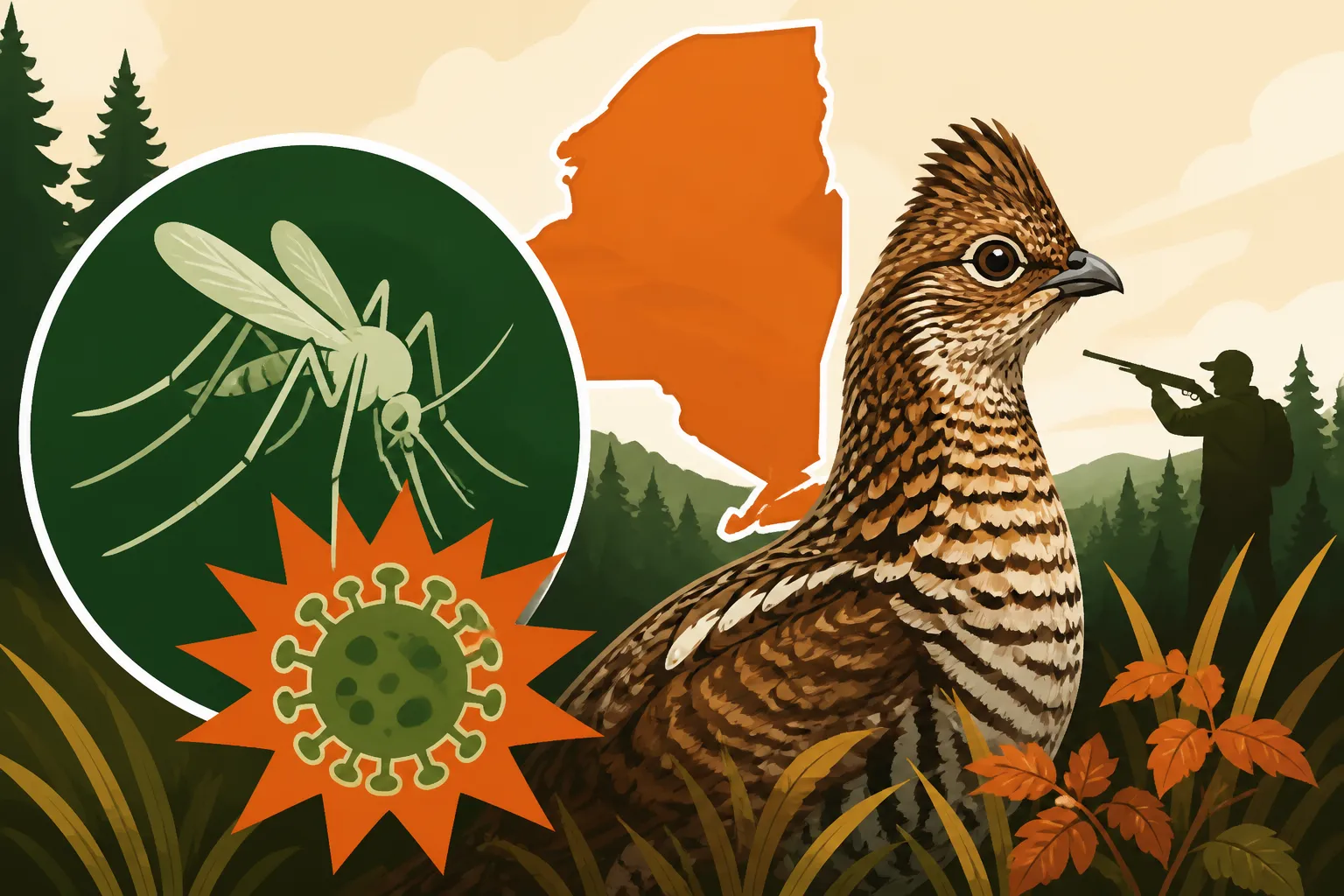
At its core, West Nile Virus is transmitted through mosquitoes. Specifically, certain species of mosquitoes become infected when they feed on infected birds. These mosquitoes then carry the virus and can transmit it to other birds, humans, horses, and various mammals with subsequent bites. The virus essentially hitches a ride in the mosquito's saliva, ready to be injected into the next meal. This means that areas with high mosquito populations, especially during warmer months, can become hotspots for WNV transmission among bird populations. Think about those damp, low-lying areas or heavy woods that hold moisture – prime mosquito breeding and feeding grounds, and thus potential WNV transmission zones.
What makes this particularly tricky for grouse is their habitat. Grouse often frequent moist, dense cover – exactly the kind of places where mosquitoes thrive. Young birds, especially, might be more susceptible as they're spending their initial weeks in these vulnerable environments. We might not think of a tiny mosquito as a major threat to a hardy game bird, but when you consider the pervasive nature of these insects and the high transmission rates possible, the impact quickly becomes clear.
Why Grouse are Particularly Vulnerable
Not all bird species react to West Nile Virus in the same way. While some birds, like American Crows, are highly susceptible and often die rapidly, others might carry the virus with minimal symptoms. Ruffed grouse, however, appear to fall into the highly susceptible category. Studies have shown that WNV can cause significant mortality in grouse, and even birds that survive an infection may suffer from lasting health issues, making them weaker and more vulnerable to other stresses.
The primary reason for this heightened vulnerability seems to be a combination of their immune response and their ecological niche. Grouse don't seem to mount an effective immune response against the virus, meaning it can replicate rapidly and overwhelm their system. The clinical signs in grouse can include lethargy, neurological symptoms, and even sudden death. Imagine a young grouse, already facing challenges from predators and scarce food, then being hit with a debilitating illness. Their chances of survival diminish rapidly. This susceptibility is a major concern for conservationists and hunters alike, especially when we're already grappling with a long-term New York Ruffed Grouse Decline. It means that WNV isn't just an occasional cause of death; it could be a significant, chronic pressure on the population, silently chipping away at numbers year after year.
Recognizing the Signs of West Nile Virus in Grouse
Spotting a sick grouse in the wild can be challenging, given their elusive nature and how quickly they can be taken by predators if they're compromised. However, knowing what to look for can help hunters contribute valuable information to wildlife agencies and understand the health of the birds they pursue. It’s about being observant and recognizing when something just isn't right with a bird.
Field Observations: What to Look For
When you're out in the woods, whether you're actively hunting during New York Small Game and Upland Bird Seasons or just scouting, pay attention to the behavior and appearance of any grouse you encounter. Healthy grouse are typically alert, quick to flush, and strong in flight. Their feathers will be well-kept, and their movements coordinated.
A grouse affected by West Nile Virus, however, might exhibit a range of symptoms. Look for birds that seem unusually tame or lethargic; instead of flushing explosively, they might just walk away slowly or allow a very close approach. You might notice ruffled feathers, an inability to fly strongly, or even signs of neurological distress like head tilt, staggering, or tremors. Sometimes, a sick bird might be found sitting on the ground, unable to move, or struggling to maintain balance. While these signs aren't exclusive to WNV (other diseases or injuries could cause similar symptoms), they are red flags that warrant attention. A deceased bird found without obvious signs of trauma could also be a WNV victim. Keep a keen eye out for these subtle indicators, especially in areas where you typically find good numbers of grouse.
When to Report a Sick Bird
If you encounter a sick or deceased grouse exhibiting these unusual symptoms, reporting it to the New York State Department of Environmental Conservation (DEC) is incredibly helpful. These reports contribute to a larger understanding of disease prevalence and distribution. When you make a report, try to note the exact location (GPS coordinates are best, but a detailed description works), the date and time, and a clear description of the bird's condition or observed symptoms. Do not handle the bird directly with bare hands; use gloves if you must move it, or simply note its location for authorities.
Your observations as a hunter are critical because you're often in remote areas where wildlife biologists aren't frequently present. Think of it as citizen science – every piece of information helps paint a clearer picture of wildlife health challenges, including things like New York Wildlife Disease Monitoring. This collective data can help the DEC identify potential outbreaks or areas where WNV might be having a more significant impact.
| Symptom Category | Healthy Grouse | Potentially WNV-Affected Grouse |
|---|---|---|
| Behavior | Alert, active, strong flush, evasive | Lethargic, unusually tame, slow to flush or walk |
| Flight | Powerful, sustained, direct | Weak, short, erratic, labored |
| Appearance | Feathers sleek and well-maintained | Ruffled, disheveled, dull, drooping wings |
| Movement | Coordinated, balanced, quick | Staggering, head tilt, tremors, difficulty standing |
| Response | Quickly reacts to perceived threat | Slow or no reaction to human presence |
| Condition | Good body weight, firm muscles | Emaciated, weak, possibly visible dehydration |
The Broader Impact of WNV on New York's Grouse Population
It's easy to look at a single sick bird and feel concern, but the real impact of West Nile Virus becomes apparent when we consider its cumulative effect on an entire population. WNV is not acting in a vacuum; it's one more stressor on a species already facing numerous challenges. Understanding this broader context helps us appreciate the complexity of grouse conservation efforts in New York.
Regional Variations and Population Trends
The impact of West Nile Virus on grouse populations isn't uniform across New York State. Some regions might experience higher infection rates or more severe population dips than others, likely due to varying mosquito populations, grouse densities, and habitat conditions. For instance, areas with extensive wetlands or warmer microclimates that favor mosquito breeding could see higher WNV prevalence. In contrast, higher elevations or areas with better drainage might offer some degree of protection.
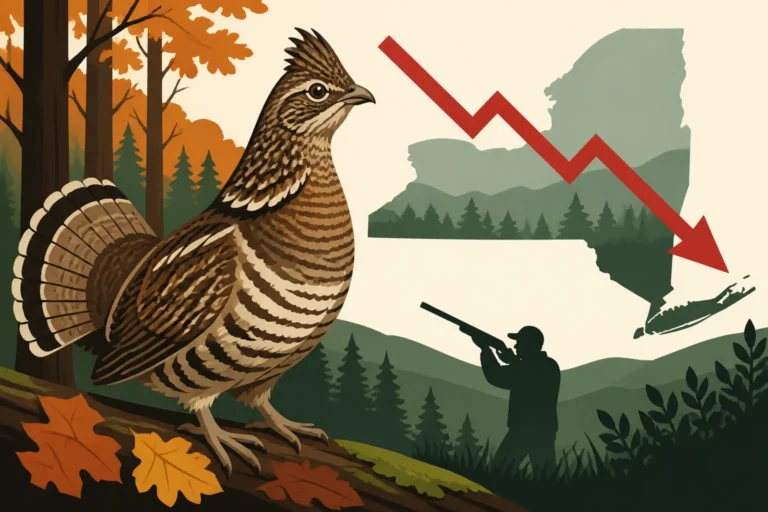
When we talk about New York Ruffed Grouse Numbers Today, it's clear that the population has seen a significant decline over several decades. While habitat loss – particularly the maturation of young forests and the reduction of Aspen Management and New York Grouse initiatives – remains a primary driver, WNV is increasingly recognized as a contributing factor. It's difficult to quantify precisely how many grouse are lost to WNV each year, but research suggests it's substantial enough to hinder population recovery, especially in areas where habitat is already marginal. Think of it this way: if a covert only produces a handful of birds, and WNV takes a couple of those, the reproductive potential for the next year is seriously compromised. This ongoing pressure makes it harder for numbers to rebound, even when other conditions are favorable.
WNV as One Piece of a Larger Puzzle
It's important not to scapegoat West Nile Virus as the only reason for grouse declines. Wildlife management is rarely that simple. Instead, WNV is best understood as one significant piece of a larger ecological puzzle. Grouse are also affected by predation from species like coyotes, foxes, and raptors, habitat fragmentation, and even severe weather events, especially during nesting and brood-rearing periods. A bird weakened by WNV, even if it doesn't die directly from the virus, becomes an easier target for a hawk or a fox. A hen struggling with a WNV infection might not successfully hatch a clutch or raise her poults, further impacting recruitment.
This multi-faceted challenge means that effective grouse conservation needs a holistic approach. It’s not just about managing disease; it's about restoring and maintaining optimal habitat, controlling predator populations where appropriate, and ensuring sustainable hunting pressure. As hunters, when we go out looking for grouse in places like Grouse Hunting New York Aspen Cover, we are keenly aware of the interconnectedness of these factors. That’s why advocating for active forest management that creates early successional habitat is so critical – it not only provides food and cover but potentially creates conditions where grouse are more resilient to diseases like WNV.
What Hunters Can Do: Safety and Management
While the challenges posed by West Nile Virus to New York's ruffed grouse are significant, hunters are far from helpless. We have a crucial role to play, both in ensuring our own safety and in contributing to broader conservation efforts. Our boots on the ground and our passion for these birds make us invaluable partners in monitoring and supporting the grouse population.
Personal Safety Precautions
When you're out chasing grouse, especially in those prime, damp, and dense covers, remember that mosquitoes are the vectors for WNV. While grouse are highly susceptible, humans can also contract the virus. The good news is that most human cases are mild, but severe illness is possible. Therefore, personal protection is key.
Wear appropriate clothing that covers your skin, especially during dawn and dusk when mosquitoes are most active. Long sleeves and pants, even in warmer weather, can provide a physical barrier. Consider using insect repellent containing DEET, picaridin, or oil of lemon eucalyptus, applying it according to product instructions. These repellents aren't just for comfort; they're a vital part of minimizing your risk of mosquito bites. When you're cleaning birds you've harvested, wear gloves. While there's no evidence of WNV being transmitted by eating properly cooked game meat, it's always good practice to use gloves when field dressing any wild animal to prevent exposure to any potential pathogens. This diligent approach helps protect both you and your hunting companions while you're focused on Shotguns for New York Grouse Cover.
Supporting Grouse Habitat and Research
One of the most impactful things hunters can do is support habitat management that benefits grouse. WNV is more likely to severely impact populations that are already stressed and living in marginal habitat. Healthy, robust grouse populations in prime habitat are generally more resilient. This means advocating for and participating in projects that create and maintain early successional forests, like those aspen cuts that grouse absolutely love. Land management groups and state agencies often have volunteer opportunities or programs you can support financially.
Beyond habitat, supporting research into WNV and grouse is crucial. Organizations like the Ruffed Grouse Society actively fund studies that help understand the dynamics of WNV and other threats to grouse. Your hunting license fees also contribute to wildlife research and management through federal excise taxes on firearms, ammunition, and archery equipment. Tools like GoHunt can be invaluable resources for hunters looking to identify prime grouse habitat, scout new areas, and understand public land access, which indirectly supports the hunting community's engagement with these landscapes. Imagine using GoHunt to locate public land with recent timber cuts or areas known for good aspen stands – this directly relates to understanding and finding the habitat where grouse might thrive, despite challenges like WNV. By staying informed and actively engaging, whether through physical habitat work or financially supporting research, we help ensure that the flush of the ruffed grouse remains a thrilling part of New York's hunting heritage for generations to come. Finding Ground Others Walk Past often means finding overlooked habitat, which might also be prime for healthy grouse.
Disclaimer
This article is for general informational purposes only and does not constitute professional advice. Laws, prices and regulations vary by location and change over time. Consult a qualified professional for guidance on your specific situation.