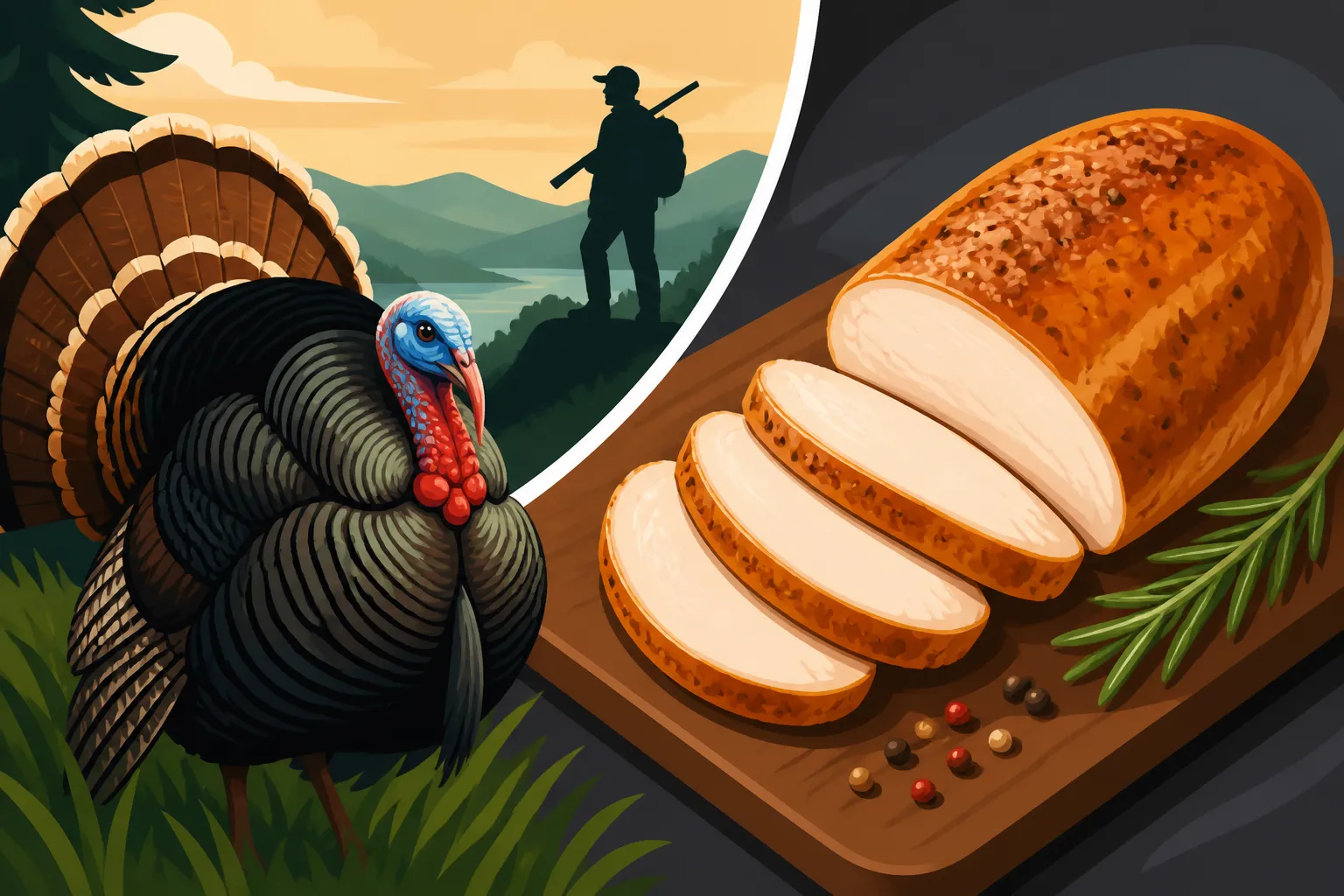
Cooking a Wild Turkey Breast
There's nothing quite like the satisfaction of a successful New York turkey hunt, bringing home that magnificent bird. But let's be honest: that initial excitement can quickly turn to dread when you think about cooking the breast. We’ve all been there, standing in the kitchen, wondering if this lean, wild meat is destined to become shoe leather, especially when you're used to the plump, domesticated birds from the grocery store. This comprehensive guide is here to banish those fears and show you exactly how to transform your hard-earned wild turkey breast into a tender, flavorful, and truly memorable meal.
Understanding the Unique Qualities of Wild Turkey Breast
Before we even think about seasonings or cooking methods, we need to address the elephant in the room: wild turkey is not your Butterball. Expecting it to cook up the same way will almost always lead to disappointment. Embracing its distinct characteristics is the first step toward culinary success.
Why Wild Turkey is Different from Domestic
The differences between a wild turkey and a farm-raised turkey are profound, and they largely come down to lifestyle. Domestic turkeys are bred for rapid growth, primarily for their breast meat, and live a relatively sedentary life with constant access to feed. This results in abundant fat marbling and a very tender, mild-flavored meat.
Wild turkeys, on the other hand, are athletes. They spend their days roaming vast territories, foraging for natural foods, running from predators, and flying to roost. This constant activity builds lean, dense muscle fibers with very little fat. Their diet of acorns, insects, seeds, and plants also imparts a richer, deeper, and more complex flavor profile that many describe as gamier than domestic birds. This leanness is a double-edged sword: it's incredibly healthy, but it also means the meat is far more prone to drying out if not handled correctly. The muscle fibers themselves can also be tougher due to the bird's active life. Recognizing these distinctions is crucial; what works for a store-bought bird will likely overcook and toughen your wild harvest.
The Importance of Post-Harvest Care
The quality of your wild turkey breast in the kitchen begins the moment you pull the trigger. Proper post-harvest care is paramount and directly impacts the flavor, texture, and safety of the meat. Leaving a bird to sit in the sun for hours after the shot is a recipe for tough, off-flavored meat.
As soon as you can safely do so, you want to get that bird cooled down. Field dressing immediately, which involves removing the entrails, allows the body cavity to cool more rapidly. If you're hunting in warmer early season conditions, this step is even more critical. You'll want to get the breast meat off the bone and into a cooler with ice as quickly as possible. Many hunters simply breast out the bird, leaving the legs and wings if they don't plan to utilize them immediately, as this significantly reduces the bulk you need to transport and cool. A clean, quick process minimizes bacterial growth and ensures the meat retains its optimal quality. Think of it this way: every minute that meat sits warm or gets contaminated affects the final product on your plate. Just like you'd meticulously care for other game, say, Handling a Bear After the Shot or Field Dressing a Deer in Cold Weather, a turkey deserves the same respect and prompt attention.
Essential Preparation for a Tender and Flavorful Wild Turkey Breast
You've done the hard work in the field. Now, let's make sure that effort pays off in the kitchen. The right preparation steps can overcome the natural lean-ness and density of wild turkey breast, leading to a much more enjoyable eating experience.
Brining: Your Best Friend for Moisture
If there's one secret weapon in the wild game cook's arsenal for turkey, it's brining. Brining involves soaking the meat in a saltwater solution, often with added sugars, herbs, and spices. This process achieves two fantastic things: first, through osmosis, the meat absorbs extra moisture, making it much harder to dry out during cooking. Second, the salt helps to denature the protein fibers, essentially pre-tenderizing the meat and allowing it to retain more of its natural juices. It also acts as a fantastic vehicle for flavor, infusing the meat with whatever aromatics you add to the solution.
For a basic brine, you'll need water, salt, and maybe a touch of sugar. A good ratio to start with is about 1/4 cup of kosher salt and 2 tablespoons of sugar per quart of water. From there, you can get creative: bay leaves, peppercorns, garlic cloves, onion halves, sprigs of rosemary or thyme, or even a splash of apple cider vinegar can all elevate the flavor profile. Bring about half the water to a simmer with the salt, sugar, and aromatics to dissolve everything and steep the flavors, then let it cool completely before adding the remaining cold water. Submerge your turkey breast in the cooled brine, ensuring it's fully covered. For a full breast, 8-12 hours in the refrigerator is often ideal; for smaller cutlets, 2-4 hours might be sufficient. Just like you meticulously scout for birds, perhaps with a tool like GoHunt, taking the time to brine your turkey is a small step for a huge flavor payoff.
Pounding and Marinating: Further Tenderizing and Flavor Infusion
Beyond brining, pounding and marinating offer additional layers of tenderization and flavor that can transform your wild turkey breast. These techniques are particularly useful if you're working with a bird that felt a bit tougher or if you want to impart a specific taste profile.
Pounding the meat serves two primary purposes: it physically breaks down some of those dense muscle fibers, making the meat more tender, and it creates an even thickness. Even thickness is critical for uniform cooking, preventing thinner edges from drying out while the thicker parts cook through. Place your turkey breast between two sheets of plastic wrap or in a freezer bag and use a meat mallet (or a heavy-bottomed pan) to gently but firmly pound it to a consistent thickness, usually around 1/2 to 3/4 inch.
Marinades, distinct from brines, typically use an acidic component (like vinegar, lemon juice, or buttermilk), oil, and various herbs and spices. The acid helps to break down connective tissues and tenderize the meat, while the oil helps carry fat-soluble flavors and prevents sticking during cooking. A good marinade might include olive oil, lemon juice, minced garlic, fresh rosemary, black pepper, and a touch of paprika. Marinate your pounded turkey cutlets for at least 30 minutes, but no more than a few hours for acidic marinades, as too much acid can actually start to "cook" or toughen the meat. While you might use a powerful platform like GoHunt to analyze habitat and find prime spots, you'll apply similar dedication to ensuring your turkey breast is perfectly tender with these techniques.
Trimming and Portioning for Even Cooking
The final step in preparation is trimming and portioning, and it's more important than you might think. A well-trimmed and portioned turkey breast will cook more evenly, look more appealing, and be more pleasant to eat.
Start by examining your turkey breast for any silver skin or connective tissue. This thin, silvery membrane is tough and doesn't break down during cooking, so it's best to remove it. A sharp, flexible fillet knife works best for this. Slide the knife just under the silver skin, angling it slightly upwards, and gently pull the silver skin with your other hand while pushing the knife forward. Don't worry if you lose a tiny bit of meat; it's worth it for the improved texture. Also, look for any stray bits of fat or blood clots and trim them away.
Once trimmed, decide if you want to cook the breast whole or cut it into smaller cutlets. For a whole roast, you might leave it as is, perhaps butterflying it for faster, more even cooking. For pan-searing or grilling, cutting it into individual cutlets of uniform size and thickness is usually preferable. This ensures that each piece cooks at roughly the same rate, preventing some pieces from overcooking while others are still raw. Aim for consistent sizes so your meal finishes simultaneously. This meticulousness might seem like extra work, but it's part of treating your harvest with respect and ensuring a delicious outcome, whether you're bringing home a bird from Turkey Tactics for Southern Tier Field Edges or another prime hunting spot.
Top Cooking Methods for Wild Turkey Breast
Now that your wild turkey breast is prepped and ready, it's time to bring on the heat! The goal with any method is to cook it quickly and efficiently to the proper internal temperature without letting it dry out. A meat thermometer is your absolute best friend here.
Pan-Searing to Perfection
Pan-searing is a fantastic method for wild turkey breast, especially for pounded cutlets, because it allows for quick cooking and a beautiful crust. This method excels at creating a flavorful exterior while keeping the interior juicy.
Start by patting your brined and/or marinated cutlets completely dry with paper towels. Excess moisture will steam the meat instead of searing it, preventing that delicious golden-brown crust. Season generously with salt, pepper, and any other desired spices. Heat a heavy-bottomed skillet, preferably cast iron, over medium-high heat. Add a high smoke-point oil like avocado oil, grapeseed oil, or clarified butter. Once the oil is shimmering and just starting to smoke, carefully place the turkey cutlets in the pan, ensuring not to overcrowd it. Work in batches if necessary. Sear for 2-4 minutes per side, depending on thickness, until a rich, golden-brown crust forms. Reduce the heat to medium-low and continue cooking, flipping occasionally, until the internal temperature reaches 160-165°F. Remove from the pan immediately and let the turkey rest on a cutting board, loosely tented with foil, for 5-10 minutes. Resting is non-negotiable; it allows the juices to redistribute throughout the meat, resulting in a much more tender and moist cutlet.
Roasting and Baking for Juicy Results
If you prefer to cook a whole or larger piece of turkey breast, roasting or baking can deliver wonderful results, provided you take precautions against drying. This method works well for a more hands-off approach after the initial prep.
The key to a moist roasted wild turkey breast is often a combination of lower temperatures and protective layers. Consider rubbing the breast with olive oil or softened butter and seasoning liberally. To add fat and prevent drying, you can drape slices of bacon over the breast before roasting. Alternatively, you can loosely tent the breast with foil for the first portion of the cooking time, removing it for the last 15-20 minutes to allow for browning. Roast in a preheated oven at a moderate temperature, around 325-350°F. Cook until the internal temperature reaches 160-165°F in the thickest part of the breast. The exact time will vary greatly depending on the size and shape of your breast, so rely on your thermometer, not the clock. As with pan-searing, allow the roasted breast to rest for at least 10-15 minutes before slicing. This rest is crucial for retaining those precious juices within the meat fibers.
Grilling and Smoking for Outdoor Flavor
There’s something inherently satisfying about cooking wild game over an open flame or with a whisper of wood smoke. Grilling and smoking can impart incredible flavor to wild turkey breast, but they also present the greatest risk of drying it out due to direct, intense heat.
For grilling, ensure your turkey breast is well-brined and/or marinated. If grilling cutlets, pound them to an even thickness. Preheat your grill to a medium-high heat. To keep moisture in, consider quickly searing the outside over direct heat to create a crust, then moving the turkey to indirect heat to finish cooking more gently. You can also baste the turkey with a simple mixture of oil and herbs, or even a light BBQ sauce, during the indirect cooking phase. For larger pieces, wrapping them in foil after a brief sear can help keep them moist on the grill. Cook until an internal temperature of 160-165°F is reached.
Smoking offers a fantastic depth of flavor. Using fruitwoods like apple or cherry can complement the turkey beautifully. Maintain a low smoking temperature, typically 225-250°F. Again, consider brining the breast first for moisture. To prevent extreme drying over a long smoke, you can place a water pan in your smoker, or even wrap the breast in butcher paper or foil once it develops a nice smoky bark (around the 140°F mark) to finish cooking more gently. After the effort of a successful hunt, perhaps one you planned using GoHunt's mapping tools, cooking that bird to perfection on the grill or smoker is the final, rewarding step.
Here's a quick comparison of these cooking methods:
| Method | Pros | Cons | Best For |
|---|---|---|---|
| Pan-Searing | Quick cooking, excellent crust, easy to monitor temp. | Can dry out easily if overcooked, limited batch size. | Cutlets, quick weeknight meals. |
| Roasting | Hands-off, good for whole breasts, can add protective fat. | Slower, still prone to drying if not protected. | Whole breasts, larger meals, meal prepping. |
| Grilling | Fantastic smoky flavor, appealing char marks. | High risk of drying out, requires constant attention. | Cutlets, outdoor cooking, smoky flavor fans. |
| Smoking | Deep, complex smoky flavor, very tender results. | Very slow, requires specialized equipment, can dry out. | Whole breasts, special occasions, BBQ lovers. |
Creative Recipes and Serving Suggestions
Now that you've mastered the art of tenderizing and cooking your wild turkey breast, let's explore some delicious ways to serve it up. The versatility of properly cooked wild turkey means you're limited only by your imagination.
Wild Turkey Cutlets with Pan Sauce
This is one of my go-to recipes for a weeknight meal because it's quick, elegant, and makes incredible use of the pan drippings. After you've pan-seared your turkey cutlets (as described above) and removed them to rest, you'll have all that flavorful fond stuck to the bottom of your skillet. This is pure gold.
To make a quick pan sauce, add a splash of white wine, chicken broth, or even water to the hot pan. Use a wooden spoon to scrape up all those browned bits from the bottom – this is called deglazing. Let the liquid reduce slightly, then swirl in a pat of cold butter (this emulsifies the sauce and makes it glossy), a squeeze of lemon juice, and a handful of fresh chopped herbs like parsley or chives. You can also add some sautéed mushrooms or shallots for extra depth. Slice your rested turkey cutlets against the grain, arrange them on a plate, and spoon that luscious pan sauce generously over the top. Serve with mashed potatoes or wild rice and a side of steamed green beans for a meal that feels gourmet but comes together in under 30 minutes. It's a fantastic way to celebrate a successful hunt for Wild Turkeys in New York.
Shredded Turkey for Tacos, Sandwiches, or Chili
Sometimes, you might end up with a breast that's a bit tougher, or maybe you just prefer the versatility of shredded meat. This is where methods like slow cooking or pressure cooking truly shine, transforming even the densest cuts into tender, fork-shredded deliciousness.
To shred wild turkey breast, simply place the brined breast in a slow cooker with some chicken broth, your favorite salsa, BBQ sauce, or a mixture of diced onions, peppers, and spices. Cook on low for 4-6 hours or on high for 2-3 hours, until the meat is falling apart. If you have a pressure cooker or Instant Pot, you can achieve similar results in a fraction of the time, often in just 45-60 minutes under pressure. Once cooked, remove the breast from the liquid and shred it with two forks.
This shredded turkey is incredibly versatile. It makes fantastic wild turkey tacos or burritos with all your favorite toppings. You can mix it with BBQ sauce for incredible sandwiches, pile it onto slider buns, or even use it as a base for a hearty wild turkey chili. It also freezes well, allowing you to quickly pull together meals throughout the year. If you managed to bag a truly impressive bird, perhaps even one of the New York Record Book Gobblers, you'll have plenty of meat to experiment with these versatile shredded recipes.
Incorporating GoHunt's Principles for Meal Planning
Many hunters, myself included, rely on advanced tools like GoHunt for planning and executing successful trips. While GoHunt focuses on the hunt itself, we can apply a similar strategic mindset to the 'post-hunt' phase: meal planning and utilization of your hard-earned game.
Just as you use GoHunt to scout terrain, understand wildlife patterns, and plan your entry and exit routes, consider applying a structured approach to your wild game cooking. Think ahead: if you know you'll be harvesting a turkey, do you have a brining solution ready? Have you planned a few different recipes to utilize the meat? Are your coolers and game bags clean and accessible? This forethought, much like pre-scouting an area, ensures you make the most of your harvest and avoid last-minute culinary scrambling that can lead to sub-optimal results.
Moreover, GoHunt often encourages hunters to document their experiences and learn from them. The same applies to cooking. Keep a journal of what recipes worked well, what brines you liked, or what cooking temperatures yielded the best results for your wild turkey. This iterative process allows you to refine your wild game cooking skills over time, just as you refine your hunting strategies. Just as GoHunt helps you find hidden gems in the woods, the right preparation can reveal hidden flavors in your wild turkey, turning every meal into a celebration of your outdoor pursuits.
Disclaimer
This article is for general informational purposes only and does not constitute professional advice. Laws, prices and regulations vary by location and change over time. Consult a qualified professional for guidance on your specific situation.