What “Forever Wild” Means for Hunters
Many hunters in New York, especially those new to our state's wild lands or even seasoned folks exploring new territory, often hear the term "Forever Wild" and wonder what it truly means for their pursuits. This constitutional clause carries significant weight, shaping everything from where you can hunt to how game populations are managed on vast stretches of public land. This guide will peel back the layers of this unique designation, helping you understand its origins, its direct impact on your hunting trips, and how to successfully navigate these special areas.
Understanding the "Forever Wild" Clause
When we talk about "Forever Wild" in New York, we're delving into a core principle enshrined in our state's constitution. It's more than just a catchy phrase; it's a legal bedrock that dictates how a significant portion of our most treasured natural areas are to be treated and managed, or rather, not managed in the traditional sense.
The Constitutional Mandate
The "Forever Wild" clause stems from Article XIV, Section 1 of the New York State Constitution, originally adopted in 1894. This powerful statement declares, "The lands of the state, now owned or hereafter acquired, constituting the forest preserve as now fixed by law, shall be forever kept as wild forest lands. They shall not be leased, sold or exchanged, or be taken by any corporation, public or private, nor shall the timber thereon be sold, removed or destroyed." This isn't just a suggestion; it's a direct command from the highest law in the state, making it incredibly difficult to alter or circumvent. For hunters, this means the vast landscapes within the Forest Preserve are largely protected from development, logging, or commercial exploitation, ensuring expansive, wild spaces for generations. It sets New York's approach to public land apart from many other states where timber harvests, mineral extraction, or other uses are common on state-owned property.
Forest Preserve vs. Adirondack/Catskill Parks
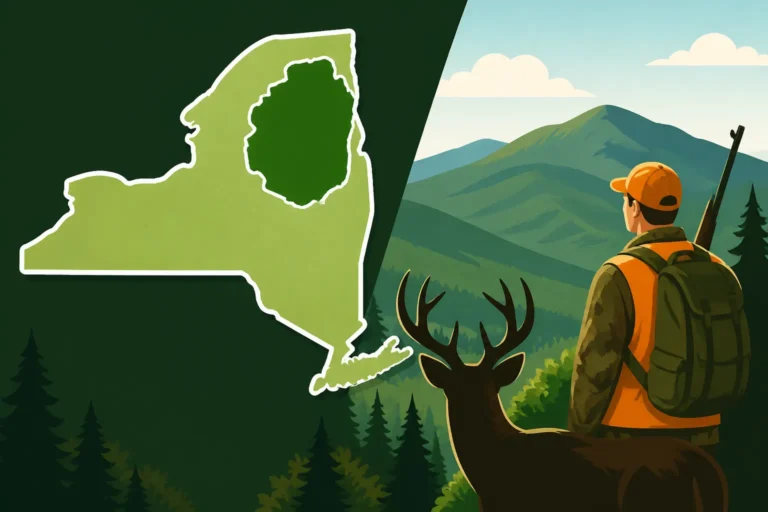
It's easy to get confused between the "Forest Preserve" and the broader "Adirondack Park" or "Catskill Park." While the terms are often used interchangeably in casual conversation, there's a crucial distinction for hunters. The Forest Preserve refers specifically to the state-owned lands within the Adirondack and Catskill Parks that fall under the "Forever Wild" constitutional protection. The Adirondack Park, for example, is a massive region encompassing over 6 million acres, but only about half of that is state-owned Forest Preserve. The other half is private land, which often includes towns, villages, farms, and private timberlands.
This distinction is vital because while all Forest Preserve land is public and generally open to hunting (with specific regulations), the private lands within the Parks are not. You can hunt on private land within the Parks only if you have permission from the landowner, just like anywhere else in the state. So, when you're looking at a map, it's essential to identify the actual state-owned Forest Preserve parcels, which are often marked as "Wild Forest" or "Wilderness" areas, as these are the lands where the "Forever Wild" clause directly impacts your access and hunting experience. Understanding How Many Acres of Public Land New York Has will help put these numbers into perspective.
How "Forever Wild" Impacts Hunting Access
The constitutional protection of "Forever Wild" lands means that while they are truly public and accessible, the type of access and the hunting experience itself are distinctly different from other public lands in New York, such as State Forests or Wildlife Management Areas.
Public Land, But With Caveats
The good news for hunters is that the Forest Preserve offers immense tracts of land that are open to hunting. This provides unparalleled opportunities for those seeking a true backcountry experience, miles from roads and development. You won't find private leases or exclusive clubs here; it's genuinely open to all. However, the "Forever Wild" mandate comes with significant caveats, primarily aimed at preserving the wild character of the land.
Motorized vehicles, for instance, are severely restricted or outright prohibited on most Forest Preserve lands beyond designated public roads or specific access points. This means no driving your ATV deep into the woods to retrieve a deer, and often, even mountain biking is restricted in certain areas. Permanent structures, like hunting camps or treestands that are left year-round, are generally not allowed. Even seemingly minor things like cutting standing timber for firewood or clearing shooting lanes are against the spirit, and often the letter, of the law. These rules are in place to ensure that human impact is minimal and the wild nature of the forest remains undisturbed. You'll need to be self-sufficient and prepared for a more primitive hunting experience.
Wilderness vs. Wild Forest Areas
Within the Forest Preserve, there are two primary classifications of state-owned land that hunters need to understand: Wilderness Areas and Wild Forest Areas. Both fall under the "Forever Wild" umbrella, but they have different regulations regarding permitted activities.
-
Wilderness Areas: These are the most restrictive. The intent here is to preserve lands that "retain their primeval character and influence, without permanent improvements or human habitation." In Wilderness Areas, you'll find the strictest regulations. No motorized vehicles, no bicycles, and often limits on group sizes. Treestands and ground blinds, if used, must be completely temporary and removed daily. Essentially, if you can carry it in, you carry it out. This is where you'll find the deepest, most remote hunting opportunities, but it demands peak physical fitness and a commitment to primitive methods. Think multi-day backpacking trips with spike camps. Understanding the nuances of Adirondack Wild Forest Versus Wilderness Areas is crucial for planning.
-
Wild Forest Areas: These areas are still "Forever Wild" but have a slightly less restrictive management plan, allowing for a wider range of compatible outdoor recreational activities. While still emphasizing wild character, Wild Forest Areas may have designated snowmobile trails, hiking trails, and sometimes even allow for primitive camping. Hunters might find more accessible terrain, though it's still far from an urban park. Treestands might be allowed to stay up for the season in some specific Wild Forest areas, but always check local Unit Management Plans (UMPs) for precise rules. These areas often serve as a buffer around the more remote Wilderness, offering a good balance for hunters seeking a wild experience without the most extreme physical demands.
When you are scouting or planning a hunt, tools like onX Hunt are incredibly valuable here. You can layer public land ownership and classifications, allowing you to instantly see if you're looking at a Wilderness Area, Wild Forest, or private parcel. This visual clarity can prevent accidental trespass and help you understand the specific regulations for the ground you intend to hunt.
Timber and Habitat Management
One of the most profound impacts of "Forever Wild" on hunting is the prohibition against timber harvesting within the Forest Preserve. The constitutional clause explicitly states that "the timber thereon shall not be sold, removed or destroyed." This means that unlike State Forests or even some federal lands, active logging to create early successional habitat for deer, grouse, or other species simply does not happen here.
This lack of active timber management leads to vast tracts of mature, often dense, forest. For hunters, this translates into a different kind of challenge. You won't find managed clearcuts or hinge-cut bedding areas designed to funnel deer. Instead, game populations are largely shaped by natural processes: severe winters, mast crop failures, and natural disturbance events like blowdowns or ice storms. Deer densities in these areas, particularly in the northern reaches of the Adirondacks, tend to be lower than in agricultural zones or actively managed timberlands further south.
Hunting here means adapting to this natural cycle. You'll need to focus on identifying natural funnels, pinch points, and old-growth browse lines. Late-season food sources become critical, often limited to lingering acorns or isolated pockets of regenerating softwood. This environment truly rewards detailed scouting and an intimate understanding of deer and bear behavior in unmanipulated forest ecosystems. It's a humbling experience that strips away many of the modern conveniences and management techniques often relied upon in other hunting areas.
Navigating Regulations and Restrictions
Hunting in "Forever Wild" areas, particularly within The Adirondack Forest Preserve or The Catskill Forest Preserve, requires more than just a hunting license and a weapon. It demands a deep understanding of the specific regulations designed to protect these unique environments.
Permitted and Prohibited Activities
The rules in "Forever Wild" areas are generally stricter than on other public lands. For instance, while camping is permitted, it's often limited to designated sites or requires you to be a certain distance from roads, trails, and water sources. Open fires may be prohibited during dry periods, especially in more remote Wilderness areas.
When it comes to hunting gear, remember the emphasis on "wild forest lands." Permanent treestands or ground blinds are almost universally prohibited. Any stand you use must be fully portable and removed daily at the end of your hunt. You can't cut branches for brush blinds or build structures. Trail cameras, while generally allowed on state land, should also be removed with each trip to comply with the temporary nature of your presence. The guiding principle is to leave no trace of your visit. This means packing out everything you pack in, including spent shell casings, food wrappers, and even biodegradable items like apple cores.
Understanding these distinctions is crucial not just for compliance, but for effective hunting. You're operating in a system where the ecosystem's integrity is prioritized, and your methods must align with that. This often means embracing minimalist hunting tactics and relying more on your woodsmanship and less on gear that alters the environment.
Planning Your Hunt in Forever Wild Areas
Preparation is paramount when venturing into "Forever Wild" lands. These are often vast, remote, and rugged areas where help can be hours away. Start your planning long before the season by thoroughly researching the specific Unit Management Plan (UMP) for the area you intend to hunt. These plans, available through the state's environmental conservation department, detail exact regulations for camping, vehicle access, and other activities.
Reliable navigation is non-negotiable. Forget relying solely on cell service; it's practically nonexistent in many remote parts of the Adirondacks and Catskills. A GPS unit or a robust mapping app like onX Hunt or even the state's Scouting With the New York HuntFishNY App downloaded offline, combined with a physical map and compass, is essential. Mark your planned routes, potential stand locations, and emergency egress points. Let someone know your exact plans and expected return time.
Your gear choices should reflect the self-sufficiency required. Consider a robust backpack, water purification, first-aid supplies, and extra layers, as weather can change rapidly. If you plan a multi-day trip, understand Camping Rules in the Adirondack Preserve to ensure you're compliant. For those looking to hunt species beyond deer, remember that Bear Hunting Without Bait in New York in these wild areas requires different strategies than in regions where baiting is legal.
Game Management in "Forever Wild" Terrain
The "Forever Wild" clause creates a unique situation for game management in New York. Unlike many other areas where habitat manipulation is a key tool, these lands rely almost entirely on natural processes. This profoundly influences game populations and, consequently, how hunters approach these areas.
Natural Processes vs. Active Management
In the Forest Preserve, the health and density of deer, bear, and other wildlife populations are predominantly dictated by environmental factors rather than direct human intervention. This means:
- Habitat: The landscape consists primarily of mature forests, with early successional growth (critical for deer browse and grouse cover) occurring only through natural events like blowdowns, fires (which are actively suppressed), or occasional ice storms. This limits the carrying capacity for deer, as ample browse is often scarce.
- Weather: Harsh winters, especially in the Adirondacks, can significantly impact deer survival rates. Deep snow and prolonged cold push deer into wintering areas (deer yards), and if browse is limited, winter mortality can be high. This is a primary driver of deer population fluctuations in these northern wilder areas.
- Predation: While predators like coyotes and black bears are present throughout New York, their impact on fawn recruitment might be more pronounced in areas where deer densities are naturally lower and escape cover is different from farmlands. New York Predator Impact on Fawn Recruitment can be a significant factor.
- Disease: Wildlife diseases, while monitored, are largely left to run their course within these wild systems, without human intervention to control spread through culling or other active means.
This hands-off approach results in deer populations that tend to be more spread out, often with a healthier age structure due to lower overall pressure, but also with lower densities. Bears, on the other hand, thrive in the expansive, remote forests, with their populations largely tied to mast crop availability.
Hunting Strategies for Untouched Land
Hunting in these pristine, unmanaged landscapes demands a different mindset and skillset. Forget about food plots or manicured trails; you're entering a wild, unpredictable world.
- Embrace Scouting: Pre-season scouting, though challenging in dense cover, is critical. Look for natural funnels like saddles, ridges, and pinch points between swamps or dense thickets. Identify mast-producing trees (oaks, beech) and note their production year to year. Learn to read subtle signs of deer movement, such as faint trails, rubs, and scrapes, particularly along benches and ridges. Reading a Ridge for Catskill Deer Movement or Finding Sign in Big Adirondack Timber become essential skills.
- Still-Hunting and Tracking: Given the lower deer densities and dense cover, traditional sit-and-wait methods can be less productive unless you've pinpointed a very specific travel corridor or feeding area. Still-hunting, moving slowly and deliberately through the woods, becomes a highly effective tactic. During late seasons with snow, tracking can be particularly potent. Still-Hunting Catskill Ridges is a classic technique for this terrain.
- Focus on Natural Food Sources: When acorns or beech nuts are plentiful, deer and bear will concentrate in those areas. In years of poor mast crops, they'll turn to other browse or conifer stands for shelter. Identifying these natural food hubs is paramount. This can be more challenging after a Hunting After a Poor Acorn Year.
- Fitness and Perseverance: Hunting "Forever Wild" land is physically demanding. You'll be walking miles, often uphill, through rugged terrain. Recovering a downed animal can be an epic task, particularly in areas like the Catskills where Dragging a Deer Off a Catskill Ridge might involve serious elevation changes. Persistence is key; these hunts often require more effort for fewer opportunities, but the reward of a truly wild animal in an untouched setting is immense.
The Hunter's Role and Responsibility
Hunting in New York's "Forever Wild" areas isn't just a recreational activity; it's a privilege that comes with a significant responsibility to uphold the principles of conservation and wilderness preservation.
Respecting the Resource
The core of hunting in "Forever Wild" lands is respecting the resource itself. This means adopting a "Leave No Trace" ethic in every aspect of your hunt.
- Pack it in, pack it out: This extends to everything. Not just obvious trash like water bottles, but also less obvious items like target debris if you've done any sighting in, or even bio-degradable items like orange peels that can take a surprisingly long time to decompose and can attract unwanted wildlife.
- Minimize impact: Stick to existing trails as much as possible, avoid trampling vegetation unnecessarily, and if you use a treestand, ensure it doesn't damage the tree and is removed daily. Be mindful of scent and noise.
- Ethical Harvest: Make clean, ethical shots to ensure a quick kill and minimize suffering. Tracking skills become even more critical in these vast, dense woods, where a wounded animal can quickly vanish. Blood Trailing After Dark in New York might be a reality you need to prepare for.
- Report Harvests: Always comply with New York Deer Reporting Requirements and other species-specific reporting. This data is vital for wildlife biologists, even though active management is limited in these areas. It helps them understand population trends and overall health.
By adhering to these principles, hunters ensure that these wild places remain wild for future generations, upholding the spirit of the "Forever Wild" mandate. It's about being a steward, not just a visitor.
Staying Informed and Prepared
Given the unique and often challenging nature of "Forever Wild" lands, staying informed and prepared is paramount for safety and success.
- Know the Rules Inside and Out: Regulations can vary even within the same general area, especially between Wilderness and Wild Forest designations. Don't rely on hearsay; consult official DEC maps and Unit Management Plans. For mapping and land status, consider investing in a premium subscription to a service like onX Hunt. Their detailed layers can show you not only public and private boundaries but also specific designations within state land, helping you avoid accidental trespassing or unknowingly breaking a rule. While GoHunt is another excellent resource for planning, particularly for western states, its specific New York land management data might not be as granular as onX Hunt for these intricate public land distinctions.
- Physical and Mental Toughness: Be honest about your physical conditioning. These aren't casual strolls. You'll be climbing, descending, and pushing through thick cover, often far from any road. Mental fortitude is just as important; the solitude and vastness can be daunting, and you must be prepared for the unexpected.
- Emergency Preparedness: Carry a comprehensive first-aid kit, emergency shelter, fire-starting tools, and extra food and water. A personal locator beacon (PLB) or satellite communicator is a wise investment, especially if you venture deep into remote areas where even a minor injury could become a life-threatening situation. Always tell someone exactly where you're going and when you expect to return.
- Develop Deep Woodsmanship: Learn to read the land, understand animal behavior, and rely on your instincts. The "Forever Wild" lands are an excellent classroom for developing truly exceptional woodsmanship, as they present a less manipulated environment where animals respond to purely natural cues. This involves understanding wind and thermals on a ridge, knowing where deer will travel in different weather conditions, and identifying subtle changes in habitat that indicate game presence.
Balancing Preservation and Recreation
The "Forever Wild" clause represents a monumental achievement in conservation, setting aside vast tracts of land for their ecological and aesthetic value. However, like any enduring policy, it also presents ongoing discussions and challenges regarding its application and the balance between strict preservation and public recreational use, including hunting.
The Ongoing Debate
Since its inception, the "Forever Wild" clause has been the subject of debate. On one side are staunch preservationists who advocate for minimal human impact, seeing any form of development or active management as a violation of the constitutional mandate. They argue that the wild character of these lands is their highest value and should be protected above all else.
On the other side are those who, while respecting the wild nature, sometimes advocate for a more flexible interpretation, particularly concerning recreational access or limited habitat management. For hunters, this debate often revolves around the desire for specific types of habitat creation (e.g., small clearcuts to boost deer browse or grouse cover) or improved access points that might ease the physical burden of hunting these remote areas. Historically, any attempt to even slightly modify the "Forever Wild" protections has faced immense opposition, demonstrating the clause's formidable legal and political strength. The discussion around Why Forest Preserve Land Cannot Be Logged encapsulates this ongoing tension.
Future Outlook for New York Hunters
For the foreseeable future, the "Forever Wild" status of the Adirondack and Catskill Forest Preserves will remain unchanged. This means hunters can continue to count on vast, undeveloped public lands that offer a unique, challenging, and deeply rewarding experience.
The trend will likely continue to emphasize self-reliance, minimal impact, and a deep respect for the wilderness. Hunters who embrace these values will find endless opportunities. You'll see continued focus on educating hunters about the specific rules of these areas, and technology like advanced mapping applications will become even more indispensable for safe and effective navigation.
Ultimately, "Forever Wild" offers something increasingly rare in our modern world: a chance to truly disconnect and test your skills against nature on its own terms. It's an opportunity to experience hunting as it was for generations past, a truly wild pursuit in a truly wild place. As long as hunters uphold their responsibility to these lands, the "Forever Wild" promise will endure, providing unparalleled adventures for those willing to seek them out.
Disclaimer
This article is for general informational purposes only and does not constitute professional advice. Laws, prices and regulations vary by location and change over time. Consult a qualified professional for guidance on your specific situation.