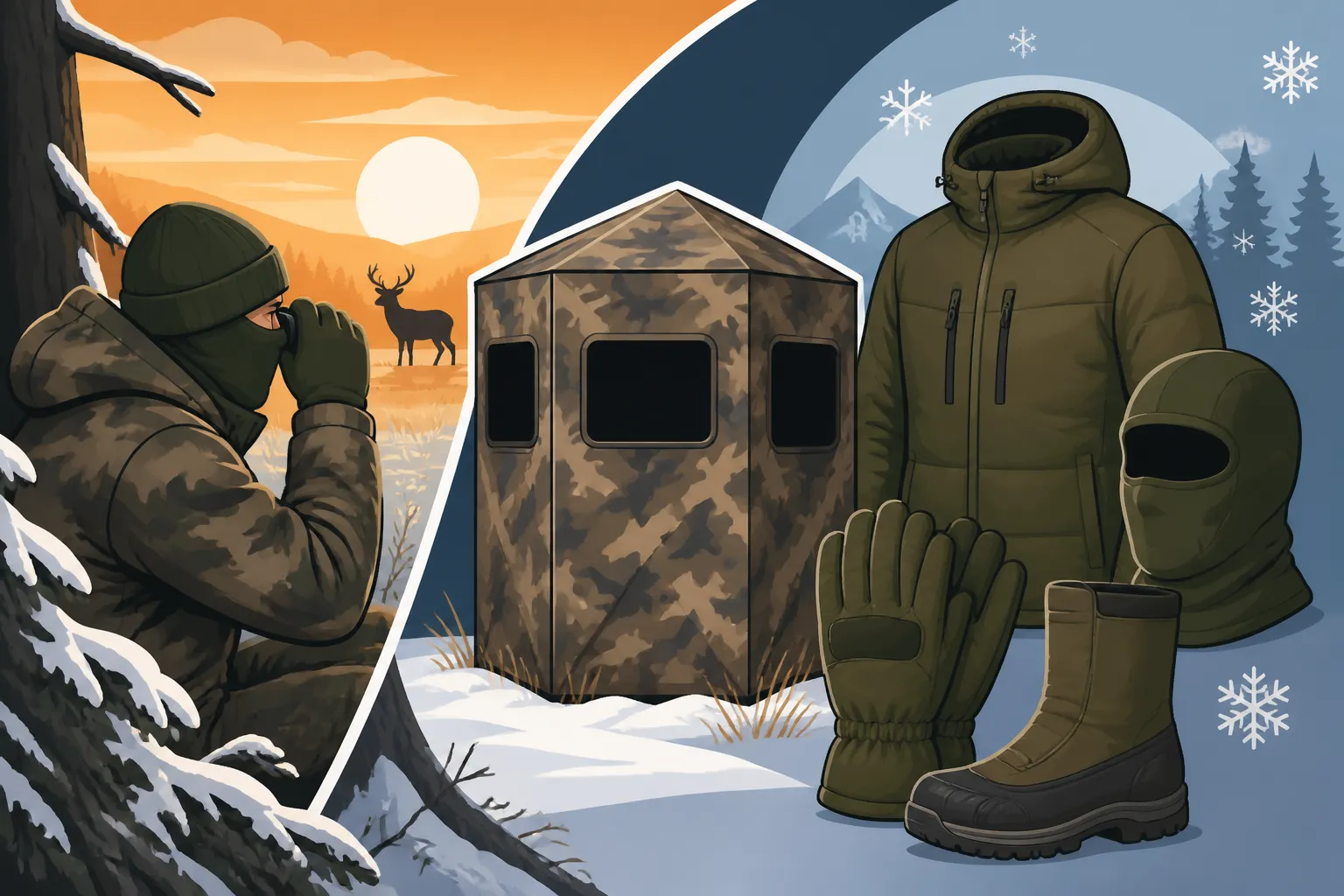
Blind Bags and Cold-Weather Gear
There’s nothing quite like the chill that seeps into your bones during a long day in a duck blind or goose pit, especially here in New York. You’ve got to be prepared to sit through biting winds, freezing rain, and even blizzards if you want to be successful in the late season. This guide is all about making sure you’re not only warm enough to endure those conditions but also organized with your gear, so you can focus on the birds, not on shivering or fumbling for shells.
The Essential Role of a Good Blind Bag in New York Waterfowl Hunting
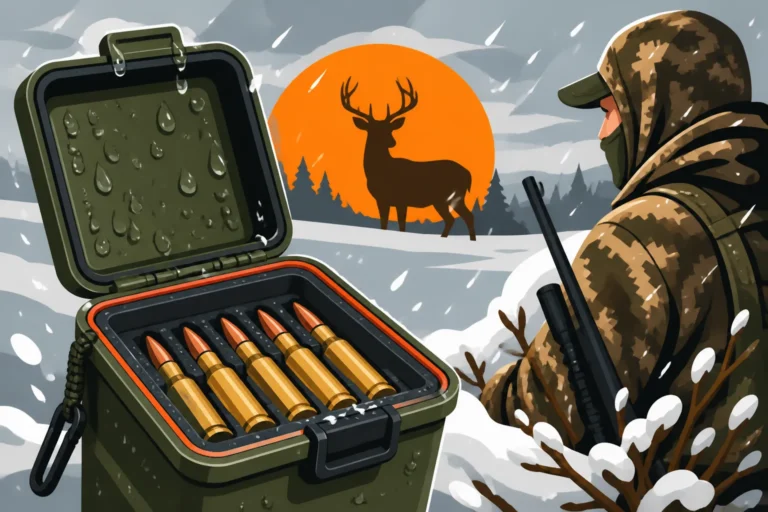
We've all been there: the alarm clock screaming at 3 AM, scrambling to get out the door, and then arriving at the blind only to realize your calls are at the bottom of a jumbled backpack, or your shells are soaking wet. It’s frustrating, inefficient, and can absolutely ruin a hunt. A quality blind bag isn't just another piece of gear; it’s your mobile command center, designed to keep everything you need organized, dry, and easily accessible. Think of it as your portable hunting assistant, allowing you to quickly grab a thermos of coffee, a fresh box of shells, or your duck calls without making a sound or disrupting your spread.
What Goes Into Your Blind Bag?
A well-packed blind bag is a testament to preparedness. It's not just about throwing stuff in; it's about strategic placement. For any serious waterfowl hunter, the contents typically include an array of items. First and foremost, ammunition is critical – usually several boxes of different shot sizes, depending on what you're targeting that day. Beyond shells, calls are essential, from your favorite duck and goose calls to a whistle for pintails or wigeon. Make sure they’re in a protective pouch or separate compartment so they don’t get damaged or tangled.
Then there’s your personal comfort and safety gear. This often means a thermos full of hot coffee or soup, some snacks to keep your energy up during those long waits, and perhaps even a small first-aid kit for minor cuts or blisters. Don't forget your hunting license, a pen, and a small notebook, maybe even a headlamp for those pre-dawn setups and post-hunt retrieves. Having a pair of gloves that you can easily take on and off, or a lighter, thinner pair for shooting, is also a game-changer. Sometimes, I even stash a compact mapping tool like the one integrated into GoHunt, just in case I need to double-check a property line or find a new hot spot based on recent flights.
Choosing the Right Blind Bag for New York Conditions
When you’re looking at blind bags, you’re not just picking out a glorified purse; you’re investing in something that needs to stand up to some serious abuse. New York's waterfowl hunting can take you from open fields to flooded timber to icy marshes, each presenting its own challenges. The material is key: look for heavy-duty, waterproof or highly water-resistant fabrics like robust polyester or nylon with a durable water repellent (DWR) coating. Tarpaulin or welded seams offer even better protection against the constant moisture and mud that comes with hunting ducks and geese. You want something that shrugs off freezing rain and doesn't soak through when it's sitting in a couple of inches of water at the bottom of a marsh boat.
Size and organization are also huge factors. Do you tend to carry a ton of gear, or are you a minimalist? Some bags are enormous, designed for hunters who bring everything but the kitchen sink, while others are compact for quick hunts. Look for multiple internal and external pockets, shell loops, and perhaps even a dedicated waterproof compartment for your phone or wallet. A comfortable, padded shoulder strap is non-negotiable, especially if you’re carrying it a long distance through mud or snow to your spot. Remember, this bag might be tossed into a layout blind, left on a frozen field, or sitting in the bottom of a leaky boat while you're Hunting the St. Lawrence River Marshes – it needs to be tough enough to handle it all without letting your precious gear down.
Staying Warm When the Wind Bites: Cold-Weather Gear Fundamentals
The phrase "there's no bad weather, only bad gear" rings especially true for New York waterfowl hunting. If you’re shivering uncontrollably, you’re not focused, you’re not comfortable, and your shot accuracy will suffer. New York's New York Waterfowl Zones and Seasons often stretch into late fall and early winter, bringing with them bitter winds, sleet, and even deep snow. Investing in proper cold-weather gear isn't just about comfort; it's about safety and extending your effective hunting time. Nobody wants to call it quits early because they're too cold to feel their trigger finger.
Layering for New York's Unpredictable Weather
Layering is the absolute cornerstone of effective cold-weather hunting. It’s not just about piling on clothes; it’s about strategically building a system that allows you to adapt to changing conditions and activity levels. Think of it in three main components: a base layer, a mid-layer, and an outer layer. Your base layer, worn directly against your skin, should wick moisture away. Merino wool or synthetic materials are excellent choices because they move sweat away from your body, preventing that clammy, cold feeling that sets in when moisture cools. Cotton, by contrast, absorbs moisture and holds it, making you colder faster.
Next, you add your mid-layers. These are your insulation pieces, designed to trap warm air close to your body. Fleece jackets, down vests, or even heavier wool sweaters work wonderfully here. The beauty of layering is adjustability: if you’re pushing a Marsh Boats and Push Poles through thick ice or setting out a large decoy spread, you might shed a mid-layer to prevent overheating and sweating. Once you’re settled in the blind, you can put it back on. This dynamic approach is vital, especially when you consider the fluctuations in temperature and your activity throughout a hunting day. Check out our guide on Layering for a New York Deer Stand for more general advice that applies across different hunting pursuits.
Insulated Outerwear: Your Shield Against the Cold
Your outer layer is your primary defense against the elements—wind, rain, snow, and extreme cold. For waterfowl hunting, this means a serious jacket and bibs or pants that are not only heavily insulated but also waterproof and windproof. Brands that cater specifically to waterfowl often incorporate durable, quiet fabrics that can withstand abrasive environments and keep you stealthy. Look for features like taped seams, storm flaps over zippers, and adjustable cuffs to seal out drafts.
When considering insulation, you’ll typically find options like down or synthetic fills. Down offers excellent warmth-to-weight ratio but loses its insulating properties when wet, which is a major concern around water. Synthetics, while sometimes bulkier, retain much of their warmth even when damp, making them a more reliable choice for truly wet New York conditions. The outer fabric should be robust enough to handle brush, boat edges, and sharp ice without tearing. A good outer layer should also have plenty of pockets, including hand-warmer pockets, to keep you comfortable and your essentials within easy reach when you're Hunting the Lake Champlain Marshes.
Protecting Your Extremities: Hands, Feet, and Head
You can have the warmest core in the world, but if your hands and feet are numb, you're going to be miserable. The human body naturally shunts blood flow away from the extremities to protect vital organs in extreme cold, making hands, feet, and your head particularly vulnerable. Overlooking these areas is a common mistake that can quickly turn a promising hunt into an early exit.
Keeping Hands Warm and Functional
This is a constant struggle for waterfowl hunters. You need warmth, but you also need dexterity to operate your shotgun, call, and retrieve birds. A multi-glove system often works best. Start with a thin, form-fitting liner glove made of wool or synthetic material. This provides a baseline of warmth and can be worn for fine motor tasks. Over that, you'll want a heavier, insulated, and waterproof glove or mitten. Many hunters prefer mittens for maximum warmth, as they allow your fingers to share heat, but then use a fold-back mitten design or a separate shooting glove for when the action starts.
Another popular option is a hand muff, which can be worn around your waist or neck. It provides a warm sanctuary for your hands between flurries of activity and can be paired with thin gloves for shooting. Don't forget Hand Warmers That Last a Full Sit – those little chemical packets can be absolute lifesavers, whether tucked into your gloves, boots, or even your pockets inside the muff. Having a spare dry pair of gloves in your blind bag is also a smart move, because wet gloves are cold gloves, no matter how good they are.
The Battle Against Cold Feet
Wet, cold feet are arguably the worst part of a cold-weather hunt. The solution starts from the inside out. Again, avoid cotton socks. Opt for thick wool or synthetic blends that wick moisture and provide insulation. Layering socks can work, but make sure it doesn’t make your boots too tight, as this can restrict circulation and actually make your feet colder.
Your boots are your next line of defense. For waterfowl, waterproof boots are non-negotiable. Whether you prefer knee-high rubber boots for marsh slogging or insulated waders for deeper water, they need to keep water out. Look for ample insulation, measured in grams (e.g., 800g, 1200g, 2000g). The more grams, the warmer the boot. Make sure they fit comfortably with your thickest socks, allowing for good circulation. If you're going to be in deep, freezing water, consider Waders for New York Marsh Hunting with integrated insulation. Many hunters swear by specialized Insulated Boots for All-Day Sits that combine warmth, waterproofness, and comfort for those long hours.
Head and Neck Protection
You lose a significant amount of body heat through your head and neck. A good insulated hat is essential. This could be a wool beanie, a fleece-lined cap, or a hat with ear flaps. For truly bitter days, a balaclava or neck gaiter can be a game-changer, covering exposed skin on your face and neck and preventing wind from chilling your core. These items are often small and easy to pack, making them simple additions to your blind bag that offer disproportionate comfort. Keeping your head warm isn't just about feeling cozy; it directly impacts your overall body temperature and comfort.
Additional Cold-Weather Comfort and Safety Essentials
Beyond the primary gear, there are those little extras that make a huge difference, not just in comfort but in overall safety and enjoyment of the hunt. These are the things that often get overlooked until you desperately need them.
Thermos, Food, and Hydration
Hunting in cold weather burns a lot of calories, even when you're mostly sitting still. Your body is working overtime to maintain its core temperature. Bringing a well-insulated thermos filled with hot coffee, tea, or hearty soup can provide a much-needed internal warmth boost and a psychological pick-me-up. Pair this with easy-to-eat, high-energy snacks like granola bars, trail mix, or sandwiches. These aren't just for comfort; they provide the fuel your body needs to stay warm and alert. Even in cold weather, staying hydrated is important, so a water bottle (ideally insulated to prevent freezing) is a good idea. Sometimes I'll pack these in a small separate dry bag or a specific compartment in my blind bag. For longer trips, a small insulated soft cooler can keep things from freezing solid, much like you might use a Coolers for an Early Archery Kill to protect venison.
Emergency and Safety Items
No matter how prepared you are, things can go wrong. A small, but comprehensive, first-aid kit is non-negotiable. It should include bandages, antiseptic wipes, pain relievers, and any personal medications. Beyond medical supplies, consider a reliable flashlight or headlamp with spare batteries—it’s amazing how quickly daylight fades, especially when you're retrieving birds or breaking down your setup. A fully charged cell phone is a given, but a portable power bank can ensure it stays charged in cold weather, which can rapidly drain batteries. A whistle can be a crucial signaling device if you get disoriented or separated from your hunting party, particularly if you're out alone Diver Hunting on Eastern Lake Ontario. Finally, waterproof matches or a lighter and a small fire starter can be invaluable in a true emergency, even if it's just to warm up a bit after an unexpected dunk. Always think about "what if" scenarios, especially when venturing into remote areas or dealing with extreme weather.
Comparing Blind Bag & Cold-Weather Gear Essentials
Here’s a quick overview of some essential gear categories and what to look for:
| Gear Type | Key Features to Look For | Why It Matters for NY Waterfowl Hunters |
|---|---|---|
| Blind Bag | Waterproof material, multiple compartments, robust zippers, padded strap | Keeps calls, shells, snacks, and electronics dry and organized in harsh marsh/field environments. |
| Base Layers | Moisture-wicking (wool/synthetic), comfortable fit | Prevents chilling by moving sweat away from your skin, critical for warmth. |
| Mid Layers | Insulating (fleece, down, wool), easy to add/remove | Traps body heat; allows you to adjust to activity levels and temperature changes. |
| Outerwear | Waterproof, windproof, insulated (synthetic ideal), durable fabric | Primary defense against New York's brutal wind, rain, and snow. |
| Gloves/Mittens | Waterproof, insulated, dexterity options (liners, fold-backs) | Keeps hands warm enough to shoot and handle gear without going numb. |
| Footwear | Insulated, waterproof boots or waders, wool/synthetic socks | Prevents frostbite and discomfort from cold, wet feet in icy conditions. |
| Headwear | Insulated hat, balaclava/neck gaiter | Significantly reduces heat loss, keeps face and ears protected from wind and cold. |
| Thermos | Vacuum insulated, durable construction | Provides internal warmth and morale boost with hot drinks or soup. |
| Hand Warmers | Long-lasting chemical packets | Critical for maintaining finger dexterity and overall comfort in extreme cold. |
| First-Aid Kit | Basic medical supplies, personal meds, emergency whistle | Addresses minor injuries and provides signaling capability in emergencies. |
Remember, a successful waterfowl hunt in New York isn't just about finding the birds; it's about being prepared for whatever the weather throws at you. By thoughtfully selecting your blind bag and cold-weather gear, you'll be able to stay in the field longer, more comfortably, and more effectively, enjoying every minute of those challenging but rewarding days.
Disclaimer
This article is for general informational purposes only and does not constitute professional advice. Laws, prices and regulations vary by location and change over time. Consult a qualified professional for guidance on your specific situation.