Reporting a Sick Animal in New York
Reporting sick wildlife to the New York State Department of Environmental Conservation helps prevent diseases and protects public health.
Know what you’re after.
Big game, small game, upland birds, and waterfowl — identification, behavior, rut and migration timing, and how each species moves through the season.
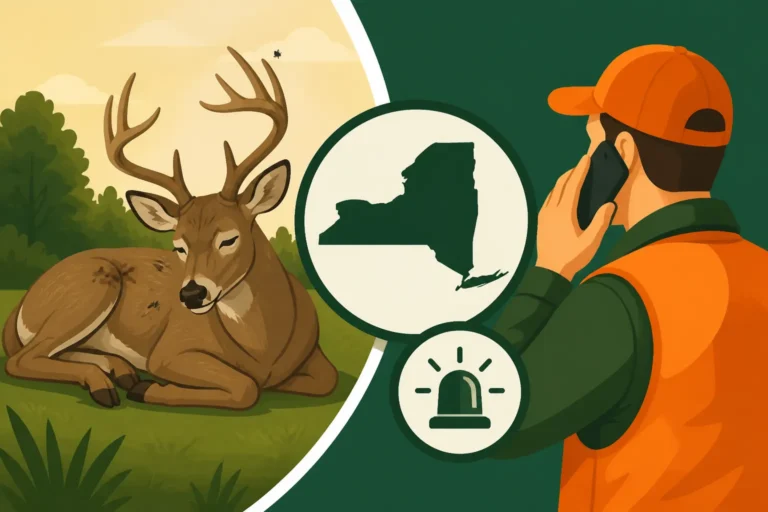
Reporting sick wildlife to the New York State Department of Environmental Conservation helps prevent diseases and protects public health.
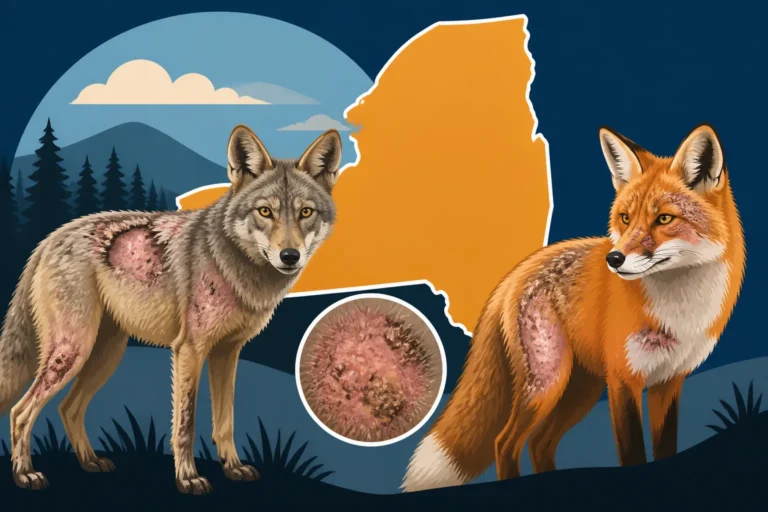
Sarcoptic mange in New York coyotes and foxes causes hair loss, skin damage, and emaciation, impacting local wildlife health.
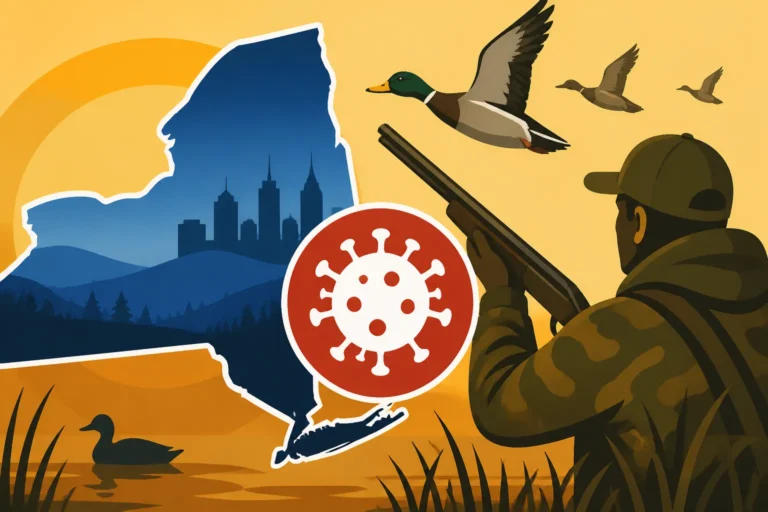
Avian influenza in New York birds explains virus strains, transmission among waterfowl, and symptoms for hunters to recognize.
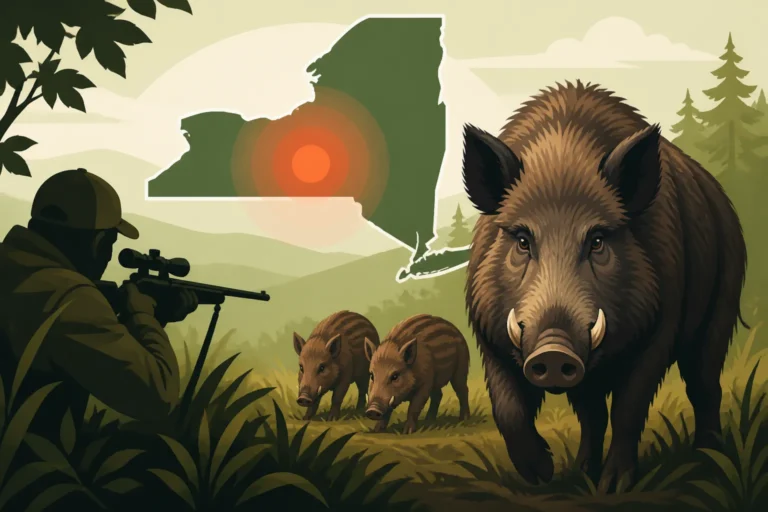
Feral swine sightings in New York reveal isolated, opportunistic wanderers from farm escapes and illegal releases causing localized incidents.
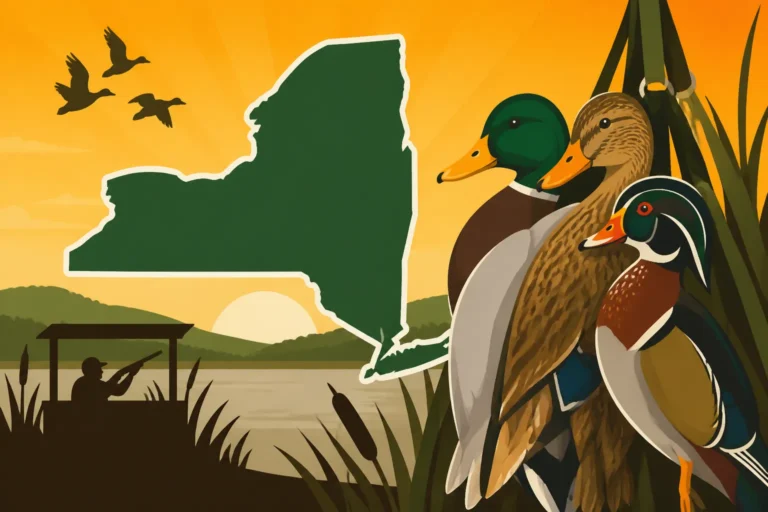
New York duck harvest numbers provide wildlife managers with crucial data for assessing waterfowl population health and setting regulations.
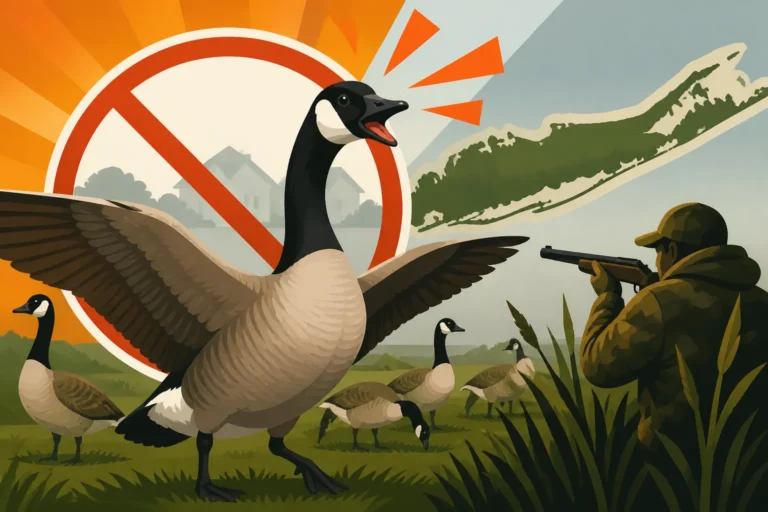
Resident Canada geese on Long Island create challenges for parks and waterways while management strategies help control populations.
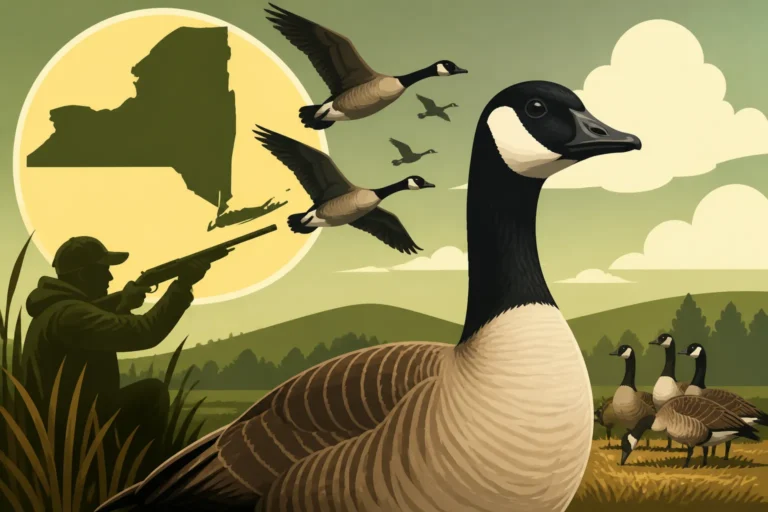
New York resident Canada geese live year-round in the state, adapting to suburban landscapes while differing from migratory flocks.
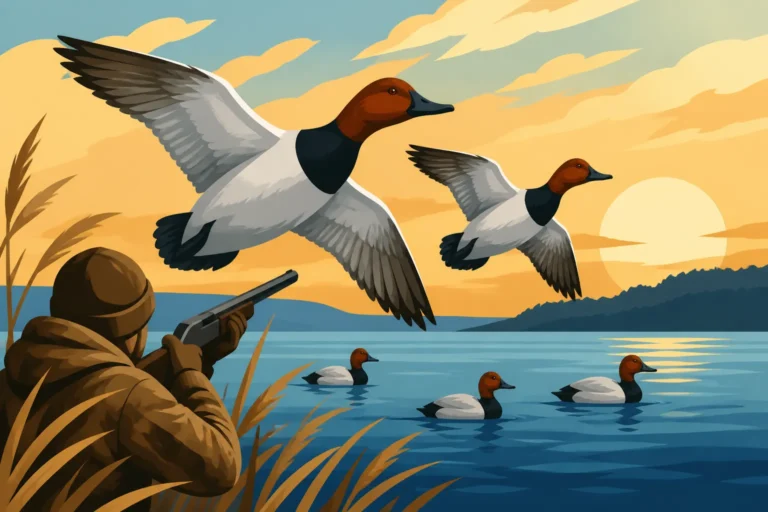
Canvasback duck hunting on Eastern Lake Ontario involves understanding migration timing, wild celery habitats, and coastal bay access.
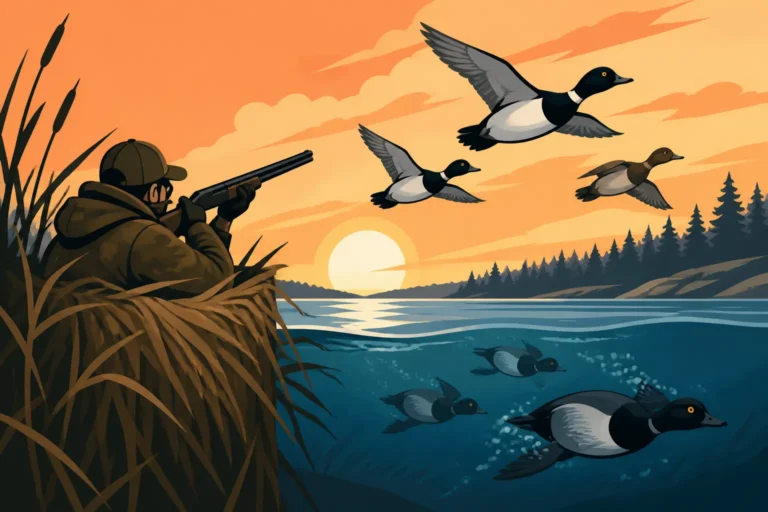
Diver duck hunting on the St. Lawrence River requires specific gear and tactics for New York waterfowlers seeking canvasbacks and scaup.
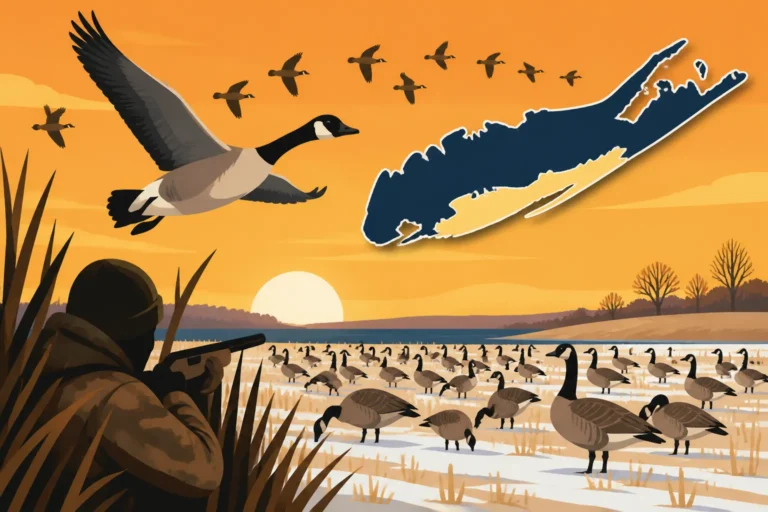
Long Island Canada goose populations consist of resident birds and northern migrants drawn by abundant food and open water.