Reporting a Sick Animal in New York
It's an unfortunate truth that when we spend a lot of time outdoors in New York's forests, fields, and waterways, we're bound to encounter wildlife that isn't at its best. Seeing a deer limping, a turkey acting strangely, or a bear appearing disoriented can be distressing, and often, our first instinct is to help. This guide will walk you through the proper channels and best practices for reporting a sick or injured animal in New York, ensuring you do what's right for the animal, public safety, and the health of our larger wildlife populations.
Why Reporting a Sick or Injured Animal is Crucial for New York's Wildlife
When you come across an animal that appears sick or injured, it’s natural to feel a pang of concern. Beyond the immediate well-being of that single creature, there are much broader implications for the entire ecosystem and even for human health. Your decision to report it isn't just an act of kindness; it's a vital contribution to wildlife management and public safety.
Safeguarding Wildlife Populations from Disease Spread
One of the most critical reasons to report a sick or deceased animal is to help prevent the spread of diseases within wildlife populations. Many illnesses can be highly contagious, and a single sick animal could be an indicator of a much larger problem simmering beneath the surface. Think about diseases like Chronic Wasting Disease (CWD) in deer, which, while thankfully not widespread in New York's wild herds, remains a constant concern. If CWD were to gain a foothold, it could devastate deer populations. By reporting unusual symptoms, you give wildlife biologists a chance to investigate, test, and potentially contain outbreaks before they become unmanageable. Similarly, we've seen instances of Epizootic Hemorrhagic Disease (EHD) cause significant localized die-offs in deer populations. EHD Die-Offs in New York Deer are a stark reminder of how quickly diseases can impact our cherished game animals.
It's not just deer, either. Birds can suffer from Avian Influenza, and other mammals can contract rabies or distemper. These diseases can sometimes jump between species or be carried by vectors like insects, making early detection paramount. Your report provides invaluable data points for the New York State Department of Environmental Conservation (NYSDEC) to monitor the health of various species across the state. This proactive approach helps them understand population dynamics, assess environmental impacts, and implement strategies to maintain healthy, resilient wildlife for generations of hunters and outdoor enthusiasts to enjoy. It’s all part of a larger effort of New York Wildlife Disease Monitoring.
Protecting Public Health and Domestic Animals
Some wildlife diseases, known as zoonotic diseases, can be transmitted from animals to humans, or even to our beloved pets and livestock. Rabies is probably the most well-known example, but others exist, presenting real risks if precautions aren't taken. Encountering an animal that is acting aggressively, disoriented, or unusually tame could be a sign of rabies, and in such cases, maintaining a safe distance and reporting it immediately is not just for the animal's sake, but for yours and your family's. Children and pets are especially vulnerable if they come into contact with sick wildlife.
Beyond direct contact, deceased animals can also pose risks. Scavengers might spread pathogens, and decaying carcasses can contaminate water sources or attract other animals that could become carriers. While we all love seeing wildlife thriving, a sick or injured animal can become a public health concern without proper intervention. Reporting helps ensure that appropriate measures are taken to investigate the cause of illness or injury, and if necessary, to safely remove the animal or carcass, mitigating potential risks to communities, pets, and farm animals.
Aiding in Wildlife Management and Data Collection
Every report of a sick or injured animal contributes to a larger dataset that the NYSDEC uses to manage New York's diverse wildlife. These reports help biologists track population health, identify emerging threats, and understand the impacts of environmental changes. For example, a sudden increase in reports of emaciated deer in a specific area might signal a widespread issue with food availability, perhaps after a particularly harsh winter or a poor mast crop. Conversely, reports of animals exhibiting neurological symptoms could trigger investigations into potential toxins in the environment.
This data is crucial for making informed decisions about hunting seasons, bag limits, and habitat management. When the DEC understands the challenges facing wildlife, they can adjust their strategies to better support healthy populations. For instance, if they identify a localized issue affecting deer, it might influence how New York Deer Management Permits Explained are distributed in that particular Wildlife Management Unit (WMU). Your observations from the field are essentially an extension of their eyes and ears, providing invaluable grassroots intelligence that helps shape the future of hunting and conservation in our state.
How to Identify and Assess a Troubled Animal in the Field
Knowing that you should report a sick or injured animal is one thing, but knowing when to report it, and what to look for, is equally important. Not every unusual sighting warrants an immediate call to the authorities. Sometimes, what looks like distress might simply be natural behavior. Learning to distinguish the two can save you time and ensure that true emergencies get the attention they need.
Recognizing the Red Flags: Signs of Sickness or Injury
When you encounter wildlife, take a moment to observe its behavior and physical condition from a safe distance. There are several key signs that strongly suggest an animal is sick or injured and needs attention. Look for obvious physical trauma, such as a broken limb, a large open wound, or severe emaciation where bones are clearly visible. If an animal is struggling to move, exhibiting a noticeable limp, or unable to stand, that's a clear indicator of trouble.
Behavioral cues are also very telling. An animal that appears disoriented, circling repeatedly, or stumbling could be suffering from neurological issues or a severe illness. Unusual aggression towards humans or domestic animals, or conversely, a complete lack of fear or excessive tameness, are significant red flags, often associated with rabies or other severe diseases. Pay attention to their breathing – labored or shallow breaths are concerning. Odd discharges from eyes or nose, matted fur, or bald patches could also signify illness. For instance, a deer that looks like it has wet patches in its fur, especially around the face, might be symptomatic of EHD.
| Symptom Category | Potential Signs of Illness/Injury | Normal vs. Abnormal |
|---|---|---|
| Physical | Visible wounds, broken limbs, severe limp, emaciation, matted fur, bald patches, labored breathing, odd discharges (eyes/nose) | A slight limp from old injury might be normal; severe, new injury is not. |
| Behavioral | Disorientation, circling, stumbling, unusual aggression, lack of fear of humans, excessive tameness, paralysis | Most wild animals are naturally wary of humans; unusual boldness or aggression is a red flag. |
| Location | Trapped in an unusual place (e.g., fence, ditch, busy road), repeated attempts to cross busy roads | Being in a usual feeding area or cover is normal. |
| Interaction | Unable to respond to threats, isolated from group when normally social | An animal resting or feeding peacefully is normal; one unable to react to surroundings is not. |
When to Observe, When to Intervene (or Report Intervention)
The decision to report isn't always cut and dry. Sometimes, an animal might be simply resting, or a young animal might appear "abandoned" when its parent is nearby, waiting for you to leave. Fawns, for example, are often left alone by their mothers for extended periods, and "rescuing" them can actually do more harm than good. It's crucial to give the animal space and observe its behavior over a period, if safely possible, before making a call. Use binoculars or a spotting scope to minimize disturbance.
If you suspect an animal is sick or injured, the general rule is do not approach or touch it. This is for your safety, as a scared or diseased animal can be unpredictable and dangerous. It's also for the animal's well-being, as human interaction can cause undue stress. The only exception might be in an immediate, life-threatening situation where the animal is clearly trapped in a dangerous location like a busy road, and you can intervene without putting yourself at risk. Even then, the goal should be to safely move it to a less dangerous spot, not to "rescue" or handle it extensively. If you're a hunter who has to dispatch an injured animal, understanding New York Legal Shooting Hours and proper reporting of that take is important.
Always remember that intervening directly without proper training or authority can be illegal and harmful. The best course of action is almost always to report your observation to the proper authorities and let trained professionals handle the situation. If you've been using mapping tools like GoHunt to mark potential hunting spots or navigate, you might use it to precisely mark the location of the distressed animal, which will be invaluable when you make your report.
Safety First: Your Well-being is Paramount
I can't stress this enough: your safety is the absolute top priority. When dealing with potentially sick or injured wildlife, especially larger animals like deer, bears, or coyotes, there's a real risk of injury or disease transmission. An injured animal can lash out defensively, and a rabid animal can transmit the virus through a bite or scratch. Never put yourself or others in harm's way attempting to help wildlife. Keep a safe distance, especially from animals exhibiting aggressive, erratic, or overly docile behavior. Even if an animal appears docile, it could be a sign of neurological impairment and a serious risk.
If you're out hunting or scouting, make sure you're aware of your surroundings, and if you have children or pets with you, keep them close and explain the importance of not approaching wild animals. It’s important to remember that wildlife, even when sick, are still wild. If you encounter an animal that poses an immediate threat to human life or property, that's a different scenario, and emergency services should be contacted first. Otherwise, observe, report, and stay safe.
The Steps to Reporting a Sick or Injured Animal to New York Authorities
Okay, you've identified a troubled animal, assessed the situation from a safe distance, and now you know it needs to be reported. What's next? The process is relatively straightforward, but knowing who to call and what information to have ready will make the report much more effective and lead to a quicker response.
Who to Contact and What Information You'll Need
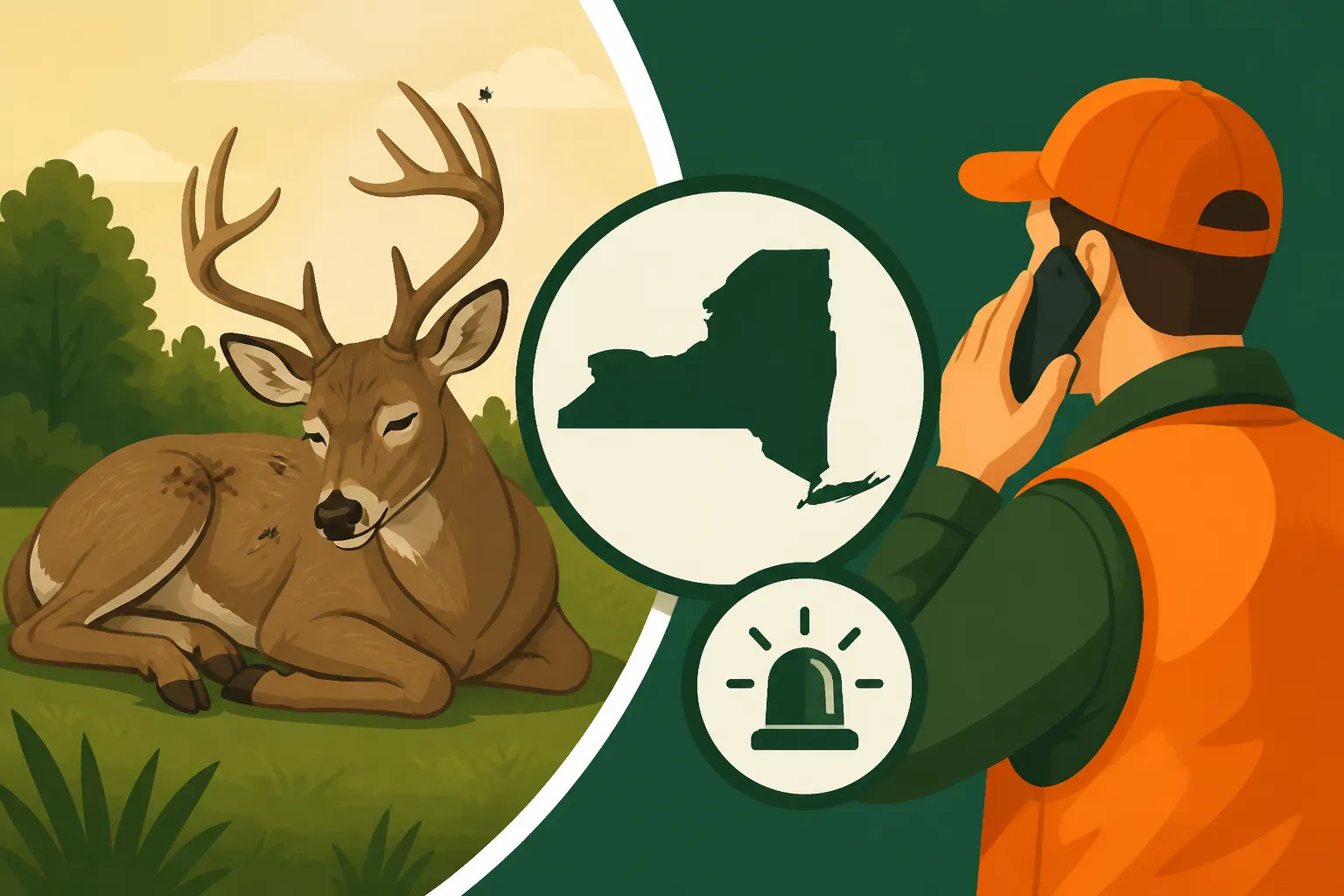
In New York, the primary agency responsible for wildlife management and responding to reports of sick or injured animals is the New York State Department of Environmental Conservation (NYSDEC). Their regional offices or their main wildlife unit are your first point of contact. While there isn't one single "sick animal hotline," the best approach is often to call your local NYSDEC Regional Office during business hours. For after-hours emergencies or situations that pose an immediate threat to public safety, contacting your local law enforcement (Sheriff's Office, State Police, or local police) is appropriate, as they can then escalate the report to the DEC.
When you call, be prepared to provide as much detail as possible. This includes:
- Your Contact Information: Name and phone number, in case they need more details.
- Exact Location: This is paramount. Provide specific landmarks, road names, and mile markers. If you used an app like GoHunt, you might have GPS coordinates or a pin drop, which is incredibly helpful. "About halfway up that big hill" isn't as useful as "approximately 1.2 miles north of the intersection of State Route 17 and County Road 28, on the east side of the road, near a large fallen oak tree."
- Species of Animal: Is it a white-tailed deer, a black bear, a coyote, a wild turkey, or something else?
- Nature of the Problem: Is it sick, injured, or deceased? Describe the symptoms or injuries you observed in detail (e.g., "limping heavily on its front left leg," "circling erratically and drooling," "dead in the ditch with no obvious signs of trauma").
- Time of Observation: When did you first see the animal?
- Animal's Behavior: What was it doing when you observed it?
- Your Distance: How far away were you? Did you approach it? (Hopefully, the answer is no!)
- Any Other Relevant Details: Any unusual circumstances, other animals present, etc.
Having this information ready will streamline the reporting process significantly. Remember, the more precise and detailed your report, the better the DEC can assess the situation and dispatch the appropriate personnel.
Using Digital Tools for Reporting
While a phone call is often the most direct way to report, digital tools can complement your efforts, especially for pinpointing locations. Many outdoor enthusiasts use mapping apps like GoHunt to navigate public lands, mark waypoints, and plan their hunting routes. If you encounter a sick animal, dropping a pin on your GoHunt map can give you exact GPS coordinates to relay to the DEC. This level of precision is incredibly valuable, particularly in remote areas or large tracts of public land like the Adirondack Forest Preserve or a State Forest where landmarks are scarce.
Some regional DEC offices might also have online forms or email addresses for non-emergency reports, especially for deceased animals or less urgent observations. It's worth checking the NYSDEC website for your specific region to see if such options are available. However, for anything that seems time-sensitive or poses a public safety risk, a direct phone call remains the best and fastest method.
Understanding the DEC's Response Process
Once you've made your report, what happens next? The DEC receives numerous calls daily, and they prioritize responses based on the severity and urgency of the situation. An animal posing an immediate public safety threat, such as a rabid-acting animal in a populated area or a large injured animal on a busy highway, will likely receive a much quicker response than a deceased deer in a remote forest.
Wildlife staff, often Environmental Conservation Officers (ECOs) or wildlife biologists, will assess the information you provide and determine the appropriate course of action. This could involve dispatching an officer to the location to evaluate the animal in person, arranging for a licensed wildlife rehabilitator to intervene (for certain injured animals, where appropriate), or simply recording the incident for data collection. In cases of suspected disease, they may collect samples for testing, as they do with New York CWD Testing for Hunters.
It's important to understand that the DEC's resources are finite, and they may not be able to respond to every single report, especially if the animal is deceased in a location that doesn't pose a public health or safety risk. However, every report is still valuable for their ongoing data collection and monitoring efforts. Your role ends with making the report; it's up to the professionals to decide the next steps.
Disclaimer
This article is for general informational purposes only and does not constitute professional advice. Laws, prices and regulations vary by location and change over time. Consult a qualified professional for guidance on your specific situation.