Avian Influenza in New York Birds
It's a tough pill to swallow when you're out there, ready for a great day chasing ducks or pheasants, and you start hearing whispers, or worse, seeing direct evidence of something like avian influenza impacting our beloved New York birds. The uncertainty can be frustrating, leaving you wondering if it's safe to hunt, if you should bring your dog, or even if the meat will be good. This guide is here to cut through the confusion, offering a clear, empathetic look at avian influenza in New York, what it means for hunters, and how we can all safely continue enjoying our outdoor passions.
What Exactly Is Avian Influenza and How Does It Affect Birds in New York?
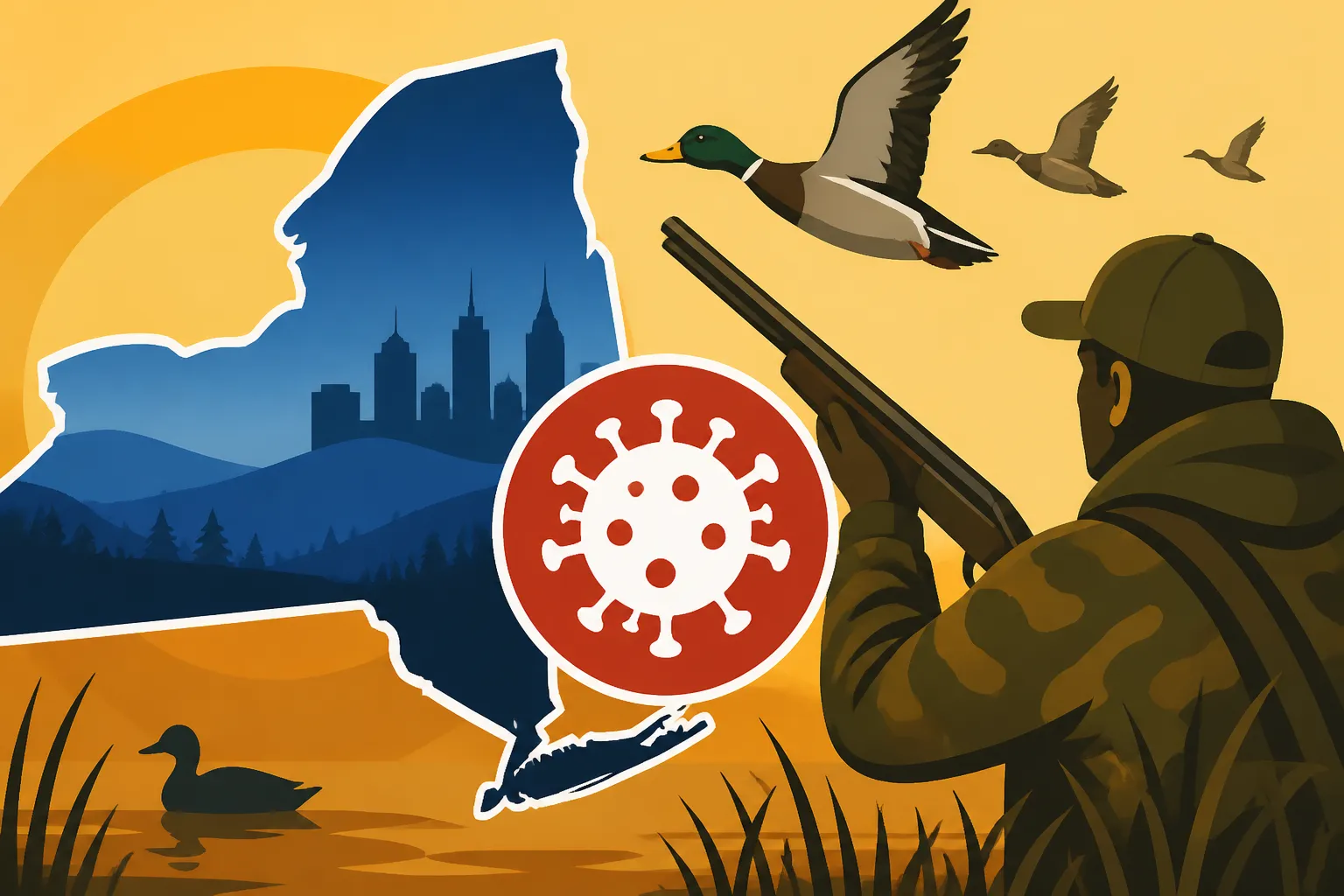
Avian influenza, or "bird flu," is a hot topic that often sparks worry among hunters and wildlife enthusiasts. It's a naturally occurring virus that primarily affects wild birds, especially waterfowl, and can occasionally spread to domestic poultry and other animals. For us hunters, understanding what it is and how it manifests in New York is the first step to navigating its presence. It's not just a distant news story; it's something that can impact our local woods and marshes.
Understanding the Different Strains and Their Severity
When we talk about avian flu, it’s not a single, monolithic disease. There are many different strains, and they generally fall into two categories: low pathogenic avian influenza (LPAI) and highly pathogenic avian influenza (HPAI). LPAI strains often cause mild or no symptoms in wild birds, sometimes just a bit of ruffled feathers or a runny nose. They can still be concerning for domestic poultry, though, as they can sometimes mutate into HPAI.
HPAI, on the other hand, is the real worry. This is the strain that can cause severe illness and high mortality rates in infected birds, both wild and domestic. In New York, we've seen HPAI strains affecting various species, from our resident geese and mallards to migratory shorebirds and even raptors like bald eagles. These strains can be particularly devastating for poultry farms, leading to widespread culling to prevent further spread, which impacts local economies and food supplies. The thought of finding a beloved wild bird struggling with this illness is heartbreaking, and it underscores the importance of being informed.
How Avian Flu Spreads Among Wild Bird Populations
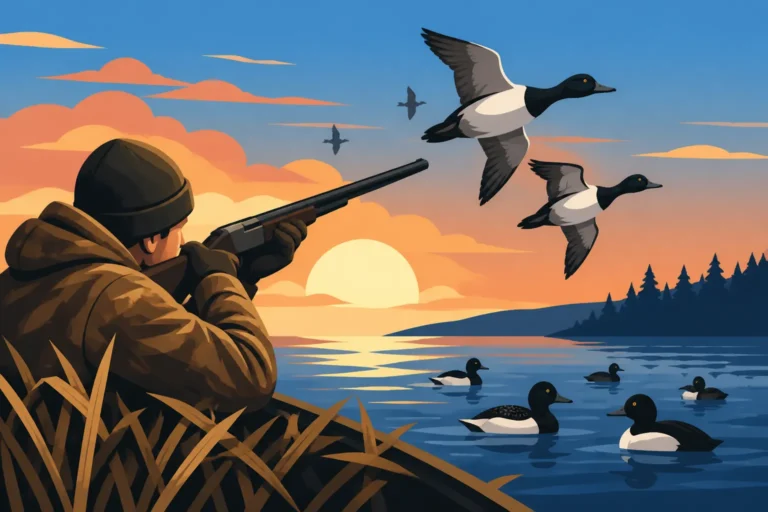
Wild birds, especially waterfowl, are natural carriers of avian influenza viruses, and they play a significant role in its spread. Think about the incredible journeys our New York Waterfowl on the Atlantic Flyway undertake each year, migrating thousands of miles. As these birds travel, they can carry the virus with them, often without showing any signs of illness. They then shed the virus through their droppings, saliva, and nasal secretions into water bodies, feeding areas, and communal roosting sites.
This is why wetlands, marshes, and agricultural fields — prime hunting grounds for many of us — can become hotspots for transmission. A flock of ducks resting on a pond or a group of geese feeding in a stubble field can unknowingly contribute to the spread. When other birds come into contact with contaminated water or surfaces, or even ingest contaminated food, the virus can continue its cycle. It’s a natural process, but one that requires our awareness, especially when we are out there enjoying New York Waterfowl Hunting by Zone or New York Small Game and Upland Bird Seasons.
Recognizing the Signs of Avian Influenza in New York Game Birds
As hunters, we're keenly attuned to the health of the wildlife we pursue. We spend countless hours observing, scouting, and learning the behaviors of various species. This familiarity makes us vital observers in monitoring the health of New York's bird populations. Knowing what to look for when it comes to avian influenza can help protect not only our local birds but also our own health and that of our hunting companions.
Visible Symptoms in Ducks, Geese, and Upland Birds
Spotting avian flu in a live bird can be tricky, as symptoms vary, and some birds might not show any at all, especially with LPAI strains. However, HPAI often presents with more dramatic and concerning signs. For ducks and geese, you might observe neurological issues, like birds swimming in circles, holding their heads at odd angles, or having tremors. They might appear disoriented, unable to fly properly, or have difficulty standing. Respiratory distress, such as coughing, sneezing, or nasal discharge, can also be present, sometimes accompanied by swollen eyelids or wattles. Lethargy and a general lack of responsiveness are common, and you might see severe diarrhea or unusual discharge.
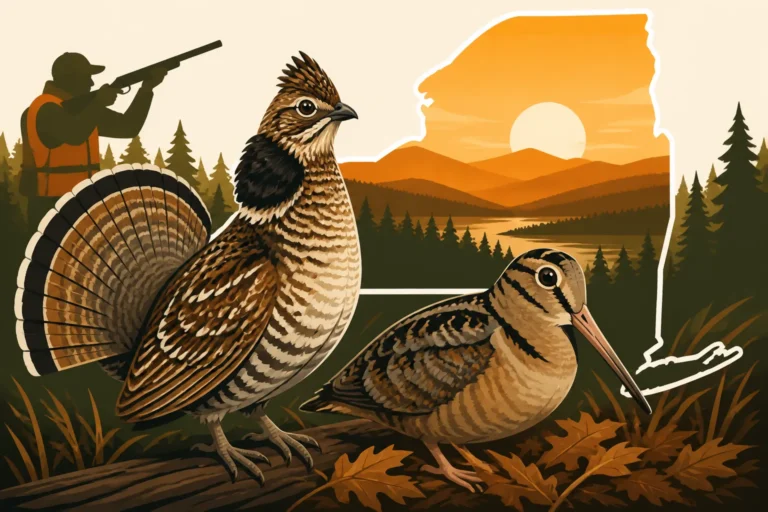
While waterfowl are the primary carriers, other bird species can also be affected. For upland birds like wild turkeys or ruffed grouse, symptoms might include weakness, incoordination, tremors, or a noticeable droopiness of the wings and head. They might isolate themselves from the flock, appear unusually tame, or exhibit respiratory issues. It’s a stark reminder that what seems like an easy shot might be a sick animal, and it's crucial to be vigilant about the welfare of the birds we encounter in the field, whether it's during Spring Turkey Hunting in New York or chasing grouse in aspen cuts.
What to Do If You Find a Sick or Dead Bird
Finding a bird exhibiting these symptoms, or worse, discovering multiple dead birds in an area, can be alarming. Your first and most important step is to not touch the bird. It’s essential to avoid direct contact with sick or dead wildlife to prevent potential transmission of the virus, however rare, to yourself or domestic animals. Even if you're curious, resist the urge to handle it.
Instead, you should immediately report your findings to the New York State Department of Environmental Conservation (DEC). They have specific protocols for investigating and collecting samples from suspicious cases. You can typically find a dedicated hotline or reporting system on the DEC's website for wildlife disease observations. Providing detailed information, such as the exact location, the species of bird, and any observed symptoms or numbers of deceased birds, is incredibly helpful for their surveillance efforts. This is where your keen observation skills truly make a difference in helping wildlife managers understand the scope of any potential outbreak. Always remember to check the latest guidance on Reporting a Sick Animal in New York to ensure you're following current protocols.
Practical Precautions for New York Hunters and Their Dogs
When the threat of avian influenza is present, it’s natural to feel a bit uneasy about heading into the field. But with a few common-sense precautions, you can continue to enjoy your hunts safely. It’s all about minimizing risk and adopting good hygiene practices that, frankly, we should probably be doing anyway when dealing with wild game.
Biosecurity Measures in the Field and at Home
Biosecurity is just a fancy word for keeping things clean and preventing the spread of germs, and it's something every hunter needs to consider, especially during waterfowl season. When you’re out hunting, whether it's on the St. Lawrence River Marshes or Hunting the Lake Champlain Marshes, pay attention to your gear. After a hunt, thoroughly clean and disinfect your waders, boots, decoys, calls, and even your boat. A diluted bleach solution or a commercial disinfectant designed for biological agents can do the trick. Don’t just hose them off and toss them in the garage; truly scrub them down.
It’s also wise to dedicate specific clothing for hunting and keep it separate from your everyday wear. When you get home, change out of your hunting clothes before interacting with any domestic animals, especially poultry, if you happen to raise chickens or ducks. Wash your hands thoroughly with soap and water after handling game, gear, or even just after being in the field. If you hunt with a dog, ensure they don't interact with sick or dead birds, and clean your dog’s paws and any gear (like vests or collars) they wore. This also means being careful not to track mud or droppings from the field into your home or onto your property where other animals might be. A good map from something like GoHunt can help you visualize areas, allowing you to plan entry and exit routes that might avoid particularly wet or marshy areas if you know there have been issues nearby.
Safe Handling and Cooking of Harvested Game Birds
One of the biggest concerns for hunters is the safety of consuming harvested game birds. The good news is that the risk of humans contracting avian influenza from properly handled and thoroughly cooked game meat is considered extremely low. The key here is "properly handled and thoroughly cooked." If you harvest a bird that appears healthy and shows no signs of illness, proceed with your normal field dressing routine. However, it's always a good idea to wear disposable gloves when handling any wild game, just as a general biosecurity practice.
Avoid any birds that appear sick or lethargic, or that are found dead. If, after harvesting, you notice any abnormalities like discolored organs, unusual lesions, or growths, it's best to discard the bird, or contact the DEC for guidance. When butchering, ensure you wash your hands frequently and disinfect all surfaces and tools that come into contact with the raw meat. Most importantly, cook all game birds to an internal temperature of at least 165°F (74°C). This temperature effectively kills viruses and bacteria, making the meat safe to eat. Whether it’s a plump wild turkey breast or a limit of New York Mallard and Black Duck Numbers, proper cooking removes any concern. These guidelines are similar to general wild game handling best practices, such as those recommended for Handling Bear Meat Safely, focusing on cleanliness and thorough cooking.
The Broader Impact on New York's Bird Populations and Hunting Seasons
Avian influenza isn't just a concern for individual birds or hunters; it has broader implications for New York's diverse bird populations and the future of our hunting opportunities. Understanding how wildlife agencies monitor and respond to this threat helps us appreciate the careful balance required to manage our natural resources effectively.
Monitoring Efforts by New York DEC and Partner Agencies
The New York State Department of Environmental Conservation (DEC) works tirelessly, often in collaboration with federal agencies and universities, to monitor avian influenza in wild bird populations. This isn't a passive effort; it involves active surveillance programs, where biologists collect samples from various wild bird species across the state. They might target specific migratory flyways or known waterfowl staging areas to gather crucial data. These samples are then tested for the presence of the virus, allowing wildlife managers to track its prevalence, identify specific strains, and understand how it's moving through the landscape.
This proactive approach is vital for assessing the health of populations like New York Turkey Population Trends or our duck and goose numbers. By identifying where the virus is active, they can better understand its potential impact on local bird health and inform the public. Hunters play a critical role in this network, as our presence in the field often makes us the first to observe unusual mortalities or sick animals. The more eyes on the ground, the better informed our wildlife agencies can be, making decisions that protect both our wildlife and our hunting heritage. When you're using a tool like GoHunt to scout New York State Forest Hunting or New York Wildlife Management Areas, knowing what to look for and who to report to is part of being a responsible steward.
Potential for Future Regulations or Season Adjustments
One of the biggest anxieties for hunters when avian influenza is prevalent is the fear of hunting season closures or new restrictions. While it's a valid concern, particularly if widespread, severe outbreaks were to occur, New York's wildlife managers prioritize science-based decisions. Historically, while avian influenza has caused localized issues, it hasn't typically led to widespread season closures in New York. The DEC's focus is on managing the disease and advising hunters on best practices rather than shutting down seasons that are critical for wildlife management and recreational opportunity.
However, agencies continuously evaluate the situation. Should a strain of HPAI become particularly virulent and widespread, or if specific local populations face severe declines due to the virus, then adjustments to season lengths, bag limits, or even temporary closures in specific areas could be considered as a last resort. This is why hunter cooperation in reporting sick birds and adhering to biosecurity is so crucial. Our collective responsibility helps minimize the spread and reduces the likelihood of such drastic measures impacting New York Waterfowl Zones and Seasons or New York Goose Zones and Seasons. By staying informed, following guidelines, and being vigilant, we can all contribute to the health of New York’s incredible avian resources, ensuring we continue to have opportunities to hunt our fantastic migratory birds under sensible regulations.
Disclaimer
This article is for general informational purposes only and does not constitute professional advice. Laws, prices and regulations vary by location and change over time. Consult a qualified professional for guidance on your specific situation.