Diver Ducks on the St. Lawrence River
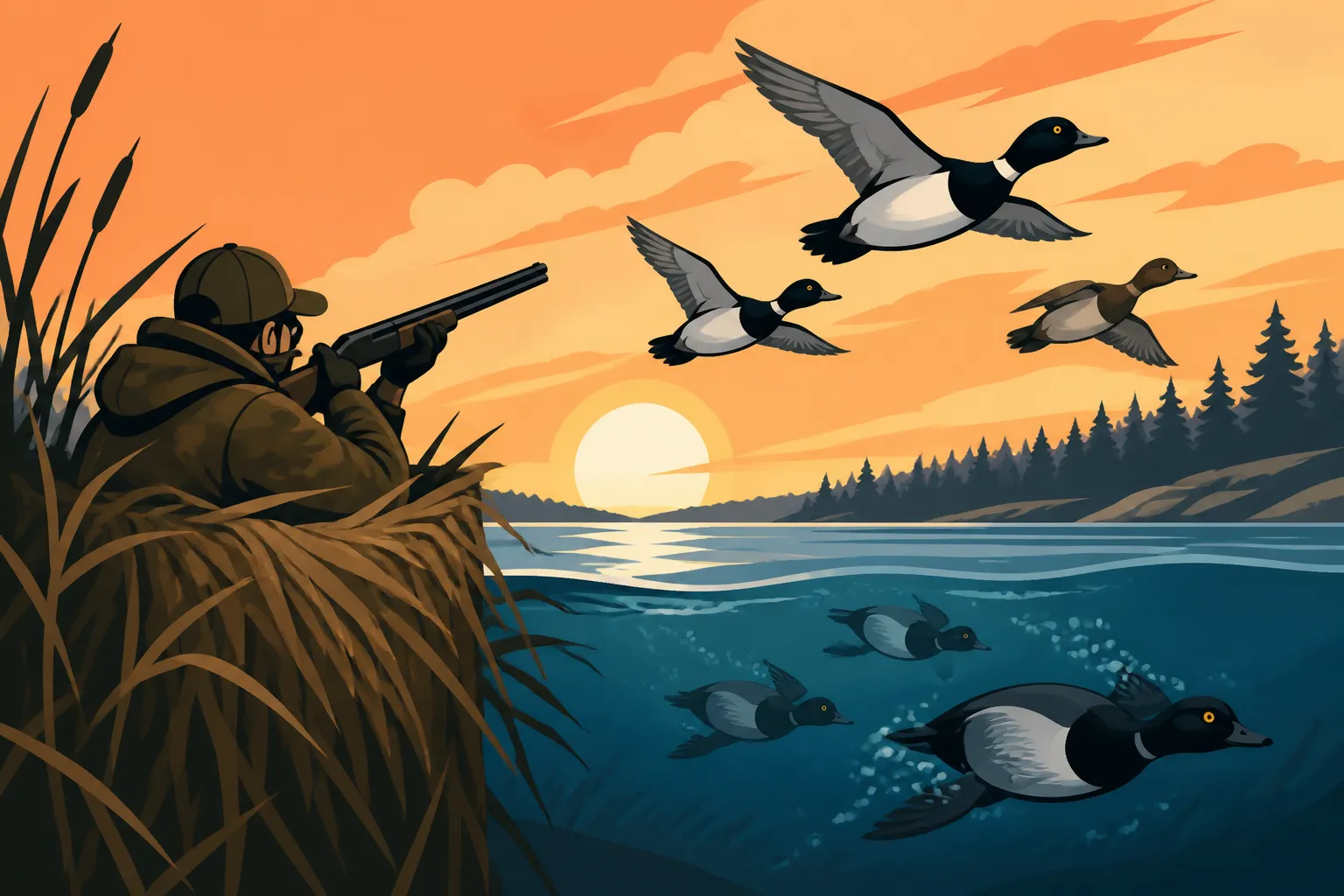
Hunting diver ducks on the vast expanse of the St. Lawrence River can be one of the most exhilarating, yet challenging, experiences for a New York waterfowler. It's not like jump-shooting small ponds or hiding in cattails; this is big water, big wind, and birds that often seem to appear out of nowhere. This guide will walk you through what makes the St. Lawrence a premier diver destination, the gear you'll need, and the tactics that will help you put birds in the boat, even when the river tries its best to outwit you.
Understanding the St. Lawrence River as Diver Habitat
The St. Lawrence River is a massive waterway, forming a significant portion of New York's northern border. It’s a completely different beast than the smaller lakes and marshes found elsewhere in the state. For diver ducks, it’s an absolute magnet, offering everything they need to fuel up during their arduous migrations.
The River's Unique Geography and Food Sources
The St. Lawrence is characterized by its immense size, strong currents, and often deep, cold water. But don't let the depth fool you; there are plenty of expansive shoals, rocky points, and submerged flats that create ideal feeding grounds. These areas are rich in the specific aquatic vegetation and invertebrates that diver ducks crave. Think about freshwater mussels, snails, aquatic insect larvae, and submerged aquatic plants. These aren't dabblers looking for seeds on the surface; divers are built to plunge down, sometimes to impressive depths, to find their meals. The constant flow of the river also helps keep some areas ice-free longer into the season, providing critical late-season access to food sources when other waters freeze solid. The sheer scale of the river also means diverse habitat – from calm, protected bays to wide-open expanses where the wind can really whip up waves, providing different options for birds depending on weather and pressure.
Key Diver Species You'll Find
The St. Lawrence is a crossroads for several species of diver ducks, each with its own quirks and preferences. Understanding who you're after can really help refine your scouting and setup.
- Canvasbacks: Often considered the "king of ducks" by many, canvasbacks are powerful flyers and incredible divers. They're partial to broad-leafed pondweed and wild celery, often found in shallower, calmer sections of the river. Their distinctive long, sloping profile and reddish head (on drakes) make them unmistakable.
- Greater and Lesser Scaup (Bluebills): These are perhaps the most common divers you'll encounter. Greater Scaup prefer larger, deeper bodies of water and feast on mollusks, crustaceans, and aquatic plants. Lesser Scaup tend to favor shallower, marshier areas. They look very similar, with their distinctive blue bills and black heads, but size and head shape can be subtle indicators. You’ll often see them in massive rafts far out on the open water.
- Goldeneyes: Both Common and Barrow's Goldeneyes can be found, though Common Goldeneyes are more prevalent. They’re fast, agile flyers and excellent divers, feeding on aquatic insects, crustaceans, and small fish. You'll often find them closer to shore, especially around rocky areas or where current creates eddies. The drake's stark black and white plumage and bright yellow eye are easy to spot.
- Buffleheads: These tiny, energetic divers are a joy to watch. They're quick, compact, and feed primarily on aquatic insects and larvae. Often seen in small groups, they can be found in more sheltered coves or along the fringes of larger groups of other divers. Their bold black and white plumage makes them stand out, even from a distance.
- Redheads: With their striking red head and gray body, drakes are hard to miss. Redheads are big fans of submerged aquatic vegetation, much like canvasbacks, and will often mix with them. They tend to prefer calmer, shallower areas where these plants grow abundantly.
The diversity means you might be setting up for canvasbacks and end up with a mixed bag of scaup and goldeneyes, which is never a bad problem to have! For a broader look at waterfowl migration across the state, consider reading Duck Migration Timing Through New York.
Migration Patterns and Timing
Diver duck migration on the St. Lawrence River generally kicks off in earnest with the cooler temperatures of early to mid-fall. You'll often see the first push of bluebills and goldeneyes starting around late September into October. As the season progresses and northern waters begin to freeze, the numbers swell. The peak often occurs through November, with prime hunting opportunities extending well into December, especially if the river remains open.
The timing is heavily influenced by weather fronts and the freezing of more northerly lakes. A strong cold front pushing south can bring thousands of new birds to the St. Lawrence virtually overnight. These birds are often less wary initially, having just completed a long flight. Later in the season, when other local waters are locked up, the St. Lawrence becomes a critical refuge, concentrating birds in larger numbers. However, by this point, they've seen a lot of hunting pressure, and their wariness factor increases significantly. Keeping an eye on the weather and understanding New York Duck Harvest Numbers can give you an edge in predicting movement.
Essential Gear and Setup for River Divers
Hunting the St. Lawrence isn't for the faint of heart or the underprepared. The conditions can be extreme, and the birds are tough. Having the right gear isn't just about success; it's about safety and comfort.
Decoy Spreads for Open Water
When it comes to diver hunting, especially on big water like the St. Lawrence, your decoy spread is your most critical piece of equipment. You're trying to attract birds flying high and fast, often covering vast distances.
- Numbers: Generally, more is better for divers. A spread of 50-100 decoys isn't uncommon. You want to create a visible "raft" that signals a safe landing zone from a distance. However, sometimes a smaller, more realistic spread of 12-24 larger decoys can be more effective for heavily pressured birds if you've really pinpointed a consistent loafing or feeding area.
- Types: Full-body decoys are preferred for their realism and visibility. Big water calls for big decoys. Look for magnum or super magnum sizes to stand out on the choppy water. Using a mix of species, mimicking what you're seeing in the area – canvasbacks, scaup, redheads, goldeneyes – creates a more natural look. Don't be afraid to add some coot decoys; divers often feel comfortable around them.
- Motion: In a river with current, motion is often built-in, which is a huge advantage. However, adding additional motion devices like jerk cords or spinning wing decoys (where legal and appropriate for the species) can further enhance realism, especially on calmer days or in protected bays. Be mindful of how current affects your motion devices, sometimes making them unnatural.
- Placement Strategies: The "J" hook or "fish hook" spread is a classic for divers, with the long arm extending into the wind/current, and the bend creating a pocket for birds to land in front of your blind. You want the birds to commit to landing in that pocket, presenting a clean shot. Always position your spread so incoming birds are flying into the wind, giving you an overhead shot as they cup their wings to land. Running long lines of decoys anchored with heavy weights is usually the way to go on the big river, often using an anchor at each end of a string of 6-12 decoys. Remember, the current is strong, so heavy anchors are a must. You can find more specific advice in articles like Decoy Spreads for New York Divers.
Boats and Blinds for River Hunting
Your choice of boat and blind setup is paramount for both effectiveness and safety on the St. Lawrence.
- Stable Boats: Forget the jon boat you use in a marsh. The St. Lawrence demands a sturdy, deep-V boat capable of handling significant chop. An aluminum or fiberglass boat in the 16-20 foot range with a reliable outboard motor is essential. Safety is key; carry all required safety gear, including PFDs, flares, and a reliable communication device.
- Layout Boats: For truly committed diver hunters, a layout boat is the ultimate tool. These low-profile boats are designed to be virtually invisible on the open water. You're typically towed out to your spread by a larger "mother ship" and then left to hunt from the layout. This offers incredible concealment but comes with significant safety considerations due to exposure to the elements and other boat traffic.
- Shore Blinds: While less common for true open-water diver hunting, shore blinds can be effective in certain areas, particularly protected bays, points, or along islands where divers might raft up or funnel past. These can range from natural brush blinds to portable panel blinds. Just ensure they're well-camouflaged and allow you to see incoming birds without undue movement. Keep in mind that some of the best diver spots are far from shore, making a boat-based blind or layout boat a necessity. Thinking about Waterfowl Gear for New York Marsh and Lake can help you assess your needs.
Shotguns, Loads, and Chokes
Diver ducks are tough birds, and hunting them on open water means longer shots are often the norm. Your shotgun setup needs to be up to the task.
- Nontoxic Shot: This is not optional. Federal regulations require the use of nontoxic shot for all waterfowl hunting. Steel shot is the most common and affordable option, but alternatives like bismuth or tungsten-based loads offer denser patterns and more energy retention at longer ranges. Remember that steel shot patterns differently than lead, so you might need to adjust your choke selection.
- Effective Ranges: While you should always strive for close shots, divers often present opportunities at 35-50 yards. Practice at these distances to understand your gun's capabilities and your personal limitations. Don't be tempted to "sky-bust" birds that are too far out; it just educates them.
- Choke Recommendations: For steel shot, a modified or improved modified choke is often a good starting point, as steel performs tighter than lead through the same constrictions. If you're using bismuth or tungsten, which behave more like lead, improved cylinder or modified chokes can be very effective, giving you a wider, more forgiving pattern. Test your patterns on paper before the season to see what combination works best for your specific gun and load.
Tactics for Hunting Divers on the St. Lawrence
Beyond the gear, successful diver hunting on the St. Lawrence comes down to understanding the birds, reading the environment, and prioritizing safety.
Reading the Water and Wind
The St. Lawrence is a dynamic environment, and conditions can change rapidly. The wind and current are your constant companions and can be either a friend or a foe.
- Current: The strong current of the St. Lawrence dictates many aspects of your hunt. It will move your decoys, affect your boat's position, and most importantly, influence how birds approach your spread. Always set your decoys and position your blind so birds are landing into the current, which is how they naturally do it. This means they'll be coming at you head-on, or slightly quartering. This can mean adjusting your setup throughout the day if the current or wind shifts significantly.
- Wind: Wind is both a blessing and a curse. A good chop on the water helps hide your decoys and adds natural movement. It also often gets divers moving and flying lower. However, strong winds can make boat handling treacherous and numbingly cold. On big water, never underestimate the power of wind to whip up dangerous waves. Always position your blind or boat with the wind at your back, allowing birds to cup their wings and commit to your spread directly into it. This gives you the best shot angles.
Scouting and Location Selection
You can have the best decoys and gun in the world, but if you're not where the birds want to be, you won't kill ducks. Scouting is crucial.
- Identifying Key Areas: Look for areas where the main river channel meets shoals, points, or protected bays. Diver ducks love these transition zones where deep water (for safety) is close to shallower feeding grounds. Areas with abundant aquatic vegetation, identifiable by clear water and sometimes visible weed beds, are prime candidates. Use topographical maps, navigation charts, and satellite imagery (like what you might find on GoHunt) to identify these features. Pay close attention to current seams and eddies, which can concentrate food and provide calmer resting spots.
- Observe Bird Behavior: Spend time observing divers without disturbing them. Where are they loafing? Where are they feeding? What flight paths are they taking? Are they avoiding certain areas due to pressure or boat traffic? This intelligence is invaluable. If you see big rafts of birds consistently in one area, that's a good place to start.
- Pressure Management: The St. Lawrence is a popular hunting destination, and divers can become very wary quickly. If a spot has been hammered, it might be better to move to a less pressured area, even if it holds fewer birds. Fresh birds arriving with a new cold front can be less wary, offering opportunities even in well-known spots. Learning to adapt your strategy, much like when Hunting Pressure on New York Public Land affects deer, is key.
Safety Considerations for River Hunting
This cannot be stressed enough: the St. Lawrence River is an unforgiving environment. Safety must always be your top priority.
- Cold Water: The water in the St. Lawrence, especially in late fall and winter, is dangerously cold. Falling overboard can quickly lead to hypothermia. Always wear a PFD, even if you're a strong swimmer. Dress in layers of wool or synthetics (never cotton) under a waterproof outer shell. Many experienced waterfowlers wear a full float suit for added protection.
- Boat Traffic: The St. Lawrence is a busy commercial waterway. Large freighters, tugboats, and other pleasure craft (even in hunting season) can create massive wakes and pose collision risks. Be aware of your surroundings, use proper navigation lights, and always yield to larger vessels. Your layout boat, while effective, is nearly invisible; use a bright flag and a mother ship for safety.
- Current and Weather: As discussed, strong currents can drag your decoys, anchors, and even your boat downstream. Always know the current's direction and strength. Keep a keen eye on the weather forecast. High winds, heavy fog, or sudden squalls can turn a pleasant hunt into a dangerous situation in minutes. Have a plan for emergency return to shore, and always tell someone where you're going and when you expect to return. It’s a good idea to have backup communication like a marine radio or satellite messenger in addition to your cell phone. This isn't just a casual outing; it's a serious expedition. Many of the general safety rules for New York Waterfowl Hunting by Zone apply here, but with heightened urgency.
The St. Lawrence offers incredible duck hunting, but it demands respect and preparation. Enjoy the challenge and the rewards!
| Diver Species | Key ID Features (Drakes) | Preferred St. Lawrence Food Sources | Flight Pattern |
|---|---|---|---|
| Canvasback | Long, sloping profile; reddish head; white back | Wild celery, pondweed, mussels | Fast, strong, often V-formation |
| Greater Scaup | Blue bill; black head with purplish sheen; gray back | Mussels, aquatic insects, crustaceans | Fast, erratic, large rafts |
| Lesser Scaup | Blue bill; black head with peaked crown; darker back | Aquatic insects, seeds, small invertebrates | Fast, erratic, smaller flocks |
| Common Goldeneye | Black head with round white spot; stark black/white body | Aquatic insects, crustaceans, small fish | Very fast, agile, whistling wings |
| Bufflehead | Small, compact; large white patch on black head; white flanks | Aquatic insects, snails, small crustaceans | Very fast, erratic, rapid wingbeats |
| Redhead | Round, reddish head; gray body; blue bill with white band | Submerged aquatic vegetation, snails | Fast, often in loose flocks |
Disclaimer
This article is for general informational purposes only and does not constitute professional advice. Laws, prices and regulations vary by location and change over time. Consult a qualified professional for guidance on your specific situation.