EHD Die-Offs in New York Deer
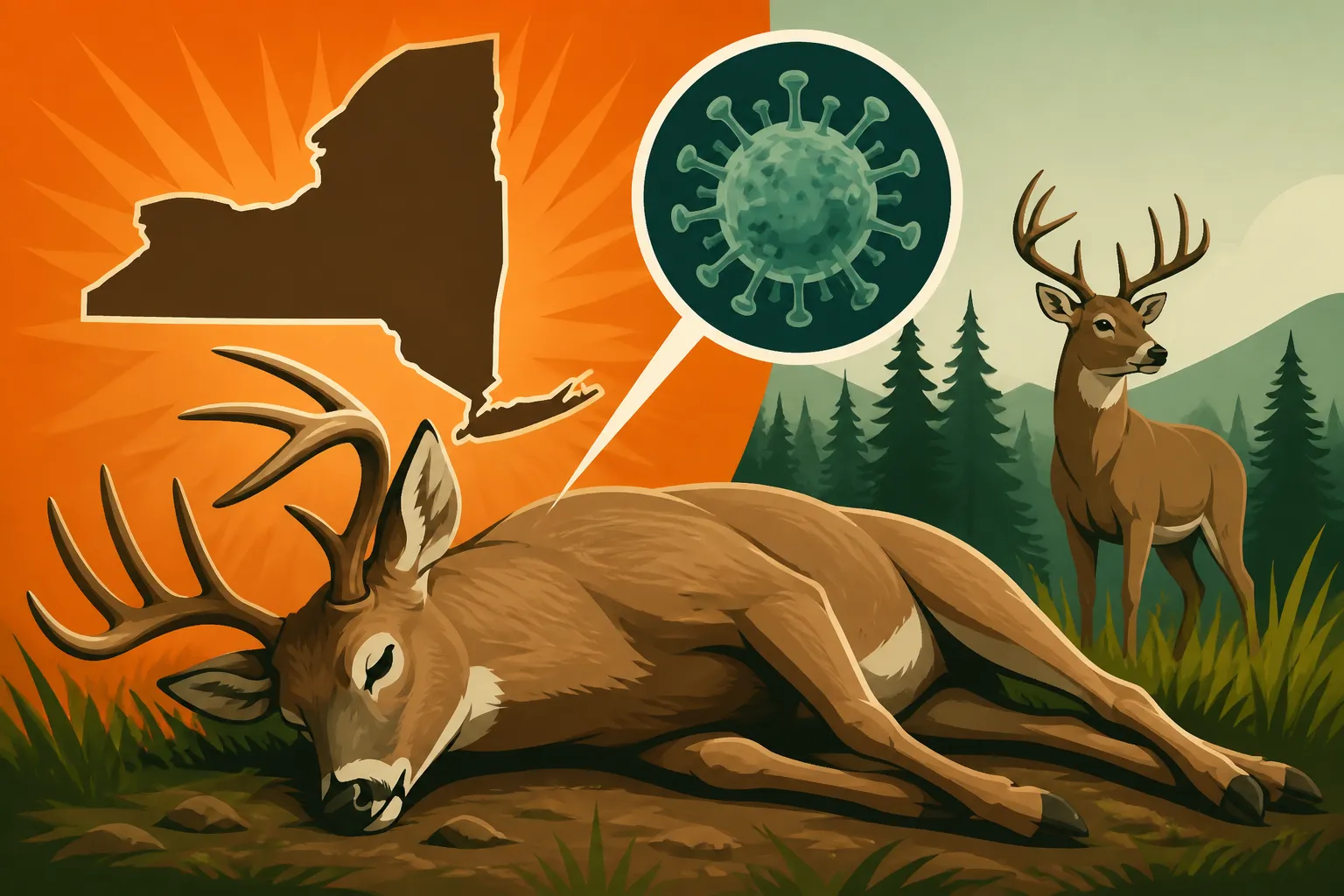
It's incredibly unsettling, isn't it? You spend countless hours scouting, preparing, and dreaming of the season, only to hear whispers or even see direct evidence of deer dying off in your cherished hunting grounds. One disease that causes this heartache and confusion in New York is Epizootic Hemorrhagic Disease, or EHD. This guide is here to shed light on EHD die-offs in New York deer, explaining what it is, how it impacts our whitetail herds, and what you, as a concerned hunter, can do when you encounter it.
Understanding Epizootic Hemorrhagic Disease (EHD)
When you stumble upon a dead deer in late summer or early fall, especially near water, your mind races. Is it a car? A coyote? Or something worse, something that could affect the entire herd? EHD is often the culprit in these situations, a viral disease that can hit deer herds hard and fast. It's a naturally occurring event, driven by tiny insects, and while it's distressing to witness, understanding its mechanics can help put your mind at ease about its broader implications.
What is the EHD Virus?
EHD is caused by an orbivirus, transmitted by a tiny biting midge, often called a "no-see-um" or sand gnat. These aren't the mosquitoes you swat away while sitting on your porch; they are much smaller, breed in muddy areas around ponds and streams, and are crucial to the virus's life cycle. When an infected midge bites a deer, the virus enters the deer's bloodstream, leading to a cascade of symptoms that can quickly become fatal. It’s important to remember that this disease is primarily a deer-specific ailment. While deer are highly susceptible, humans are not affected by EHD, and there's no evidence of EHD infecting domestic livestock, though cattle can carry antibodies if exposed. This means that unlike some other wildlife diseases, there's no direct risk to you or your family from handling or consuming venison from a deer that wasn't obviously sick.
Is EHD Different from CWD?
One of the biggest worries for any New York hunter is the thought of Chronic Wasting Disease, or CWD, making widespread inroads. So, when news of deer die-offs circulate, the immediate question is often, "Is this CWD?" Let's be very clear: EHD is completely distinct from CWD. CWD is a neurological disease caused by prions, leading to a long, slow degeneration of the brain. EHD, on the other hand, is a viral infection that acts much more quickly, typically affecting the circulatory system. The symptoms are different, the transmission methods are different, and critically, the implications for human health are different. While CWD is a persistent, always-fatal disease that raises concerns about human consumption, EHD is a short-lived viral outbreak that poses no risk to humans. For more on the ongoing monitoring efforts, you might want to look into New York's Chronic Wasting Disease Containment Area details, which highlight the proactive measures taken to prevent CWD spread.
How EHD Spreads and Affects Deer in New York
EHD isn't something that pops up randomly. Its spread is directly tied to environmental conditions that favor the biting midge vector. Understanding these conditions and the subsequent impact on deer can help you anticipate outbreaks and better interpret what you see in the field. It’s a classic wildlife health challenge, where nature’s rhythms dictate the ebb and flow of disease.
The Role of Midges and Weather
The biting midges that transmit EHD thrive in warm, humid conditions and specifically in muddy, stagnant water sources for breeding. This is why EHD outbreaks typically peak in late summer and early fall, usually from August through October, before the first hard frosts arrive. A warm, wet summer followed by a dry spell can concentrate both deer and midges around shrinking water sources, creating a perfect storm for transmission. As cooler weather sets in and the first hard freezes occur, the midge populations die off, effectively stopping the spread of the virus.
In New York, we often see EHD outbreaks localized to specific regions, with some areas more prone due to their topography and water availability. For example, some of the agricultural areas in the Southern Tier or Finger Lakes might experience more concentrated outbreaks due to the presence of farm ponds and wet field edges, which are ideal midge breeding grounds. A tool like GoHunt, with its detailed mapping capabilities, could even help you pinpoint potential midge breeding habitats or historical water sources in your hunting area, giving you an edge in understanding where outbreaks might occur.
Impact on Deer Populations
When a deer is bitten by an infected midge, the EHD virus attacks the lining of blood vessels. This leads to internal bleeding, swelling, and a high fever. The affected deer often seek water to cool down, which is why dead deer are frequently found near streams, ponds, and even puddles. The severity of the disease can vary. Some deer might only experience mild symptoms and recover, developing immunity to that particular strain of the virus. However, others will succumb quickly, often within a week of infection.
The impact on deer populations is typically localized and short-term. While a severe outbreak can cause significant localized mortality, particularly in areas with high deer density, the statewide population usually bounces back relatively quickly. This is because EHD doesn't usually affect deer across vast regions simultaneously, and survivors develop immunity. Deer that have recovered from EHD are often easily identified by their cracked hooves, a lingering symptom of the severe fever they endured. This can be a useful identifier during deer season, giving you insight into previous herd health. For those keen on understanding population dynamics, referring to resources like New York Deer Population Estimate and Deer Density by New York Wildlife Unit can provide context on how these localized impacts fit into the larger picture of New York's robust whitetail numbers.
Recognizing EHD in New York Deer
Spotting a sick or deceased deer can be alarming, and knowing what to look for can help distinguish EHD from other issues. The symptoms of EHD are quite specific, and an awareness of these signs is crucial for hunters who act as the eyes and ears of wildlife management in the field.
Common Symptoms and Signs
Deer suffering from EHD often exhibit a range of distinctive symptoms. Initially, you might notice a deer that seems disoriented, lethargic, or unusually tame. They might walk in circles, appear weak, or have difficulty breathing. A key indicator is a high fever, which drives the deer to seek out water. You might find them standing in shallow water, or even dead in it.
Other physical signs include:
- Swelling: Especially around the head, neck, tongue, and eyelids. The tongue can be severely swollen and protrude.
- Hemorrhages: Visible bleeding or bruising, particularly on the mucous membranes of the mouth and eyes.
- Oral Lesions: Ulcerations or sores on the tongue, gums, and roof of the mouth.
- Bloody Discharge: From the nose or mouth.
- Lameness: Due to swelling in the joints or sloughing of hooves (which can occur in recovering deer weeks or months later).
These signs progress rapidly. It's a quick, acute illness, which often leads to finding deer deceased without much warning.
Distinguishing EHD from Other Ailments
While EHD has clear symptoms, it's important not to jump to conclusions, as other factors can cause deer mortality. For instance, deer injured by vehicles or hunters can also appear disoriented or be found near water. However, the combination of swelling, hemorrhages, and oral lesions are strong indicators of EHD.
Another consideration, particularly in areas with high tick populations, might be other illnesses, but EHD’s rapid onset and specific physical signs are usually quite telling. If you're using a mapping tool like GoHunt to scout new areas, keeping an eye on water sources and their surrounding conditions—especially during late summer and early fall—can help you anticipate where EHD might be a concern.
Here’s a quick comparison of EHD symptoms versus some other general signs of deer ill-health:
| Symptom / Sign | EHD (Acute) | General Illness/Injury |
|---|---|---|
| Location of Carcass | Often near water (ponds, streams) | Varied, sometimes near roads, dense cover |
| Behavior of Live Deer | Disoriented, lethargic, unusually tame, feverish, seeking water | Weakness, limping, emaciation, behavioral changes |
| External Swelling | Head, neck, tongue, eyelids | Localized around injury, or general bloating |
| Internal Hemorrhages | Widespread internal bleeding, bloody lesions | Localized bruising from impact or infection |
| Oral/Nasal Discharge | Often bloody, profuse | Mucus, clear discharge from respiratory issues |
| Hooves | Cracked, sloughing (in recovered/chronic cases) | Intact, unless injured |
| Speed of Onset | Rapid (days) | Can be slow or rapid depending on cause |
| Risk to Humans | None | None (for most common deer diseases) |
What Hunters Can Do About EHD
As hunters, we're not just about the harvest; we're also stewards of the land and its wildlife. When EHD strikes, it's natural to feel helpless, but there are proactive steps you can take to help monitor the situation and protect the health of the herd. Your observations are invaluable to wildlife biologists.
Reporting Sick or Dead Deer
Your eyes in the field are crucial. If you encounter a deer that appears sick with EHD symptoms, or if you find a carcass you suspect died from EHD, it's incredibly important to report it to the New York Department of Environmental Conservation (DEC). They track these outbreaks to monitor the disease's spread and severity, which helps inform future management decisions. Don't assume someone else has reported it; make that call or fill out the online form. The sooner they know, the better they can understand the scope of the problem. This information is a vital part of New York Wildlife Disease Monitoring.
When you report, try to be as specific as possible:
- Location: Use GPS coordinates if you have them, or detailed landmarks. A good app like GoHunt can provide precise coordinates.
- Date and Time: When you observed the animal.
- Description: Note any specific symptoms (swelling, discharge, behavior) or condition of the carcass.
- Photos: If possible and safe to do so, clear photos can be immensely helpful.
Handling Deer from Affected Areas
This is a common concern: "If EHD is in the area, is it safe to hunt or eat the meat?" The good news is that EHD is not transmissible to humans, and consuming venison from an EHD-infected deer is not a public health concern. However, if you harvest a deer that appears sick or emaciated, or shows any signs of EHD (even if it's still alive but struggling), it's generally best to avoid consuming the meat. While the virus itself won't harm you, a sick deer's meat quality can be poor, and they might have secondary bacterial infections.
When handling any deer carcass, always practice good hygiene: wear gloves, wash your hands and equipment thoroughly with soap and hot water, and properly dispose of any carcass remains. If you're unsure, or if the deer seems particularly unwell, it's always safest to field dress carefully and inspect the organs. A healthy deer's organs will look normal. If you notice widespread internal hemorrhages, discolored organs, or other clear signs of severe illness, it's a good idea to pass on the meat and report your findings to the DEC. This echoes the importance of careful inspection when you're preparing to Report a New York Deer Harvest Online.
Long-Term Deer Management Considerations
While EHD can cause significant localized die-offs, it rarely has a long-term impact on the overall New York deer population. Deer populations are resilient, and those that survive an outbreak develop immunity. The DEC's management strategies, informed by data from hunter reports and surveys, consider these natural fluctuations. For instance, in areas heavily impacted by EHD, antlerless deer permits might be adjusted in subsequent seasons to allow the population to recover.
As hunters, our commitment to ethical harvesting and responsible reporting plays a direct role in this ongoing management. Being aware of the local herd health, understanding diseases like EHD, and contributing your observations helps ensure that New York's deer populations remain healthy and robust for future generations. Keep an eye on local conditions, use tools like GoHunt to stay informed about your hunting grounds, and always prioritize safe and ethical hunting practices.
Disclaimer
This article is for general informational purposes only and does not constitute professional advice. Laws, prices and regulations vary by location and change over time. Consult a qualified professional for guidance on your specific situation.