New York Beaver Population and Damage
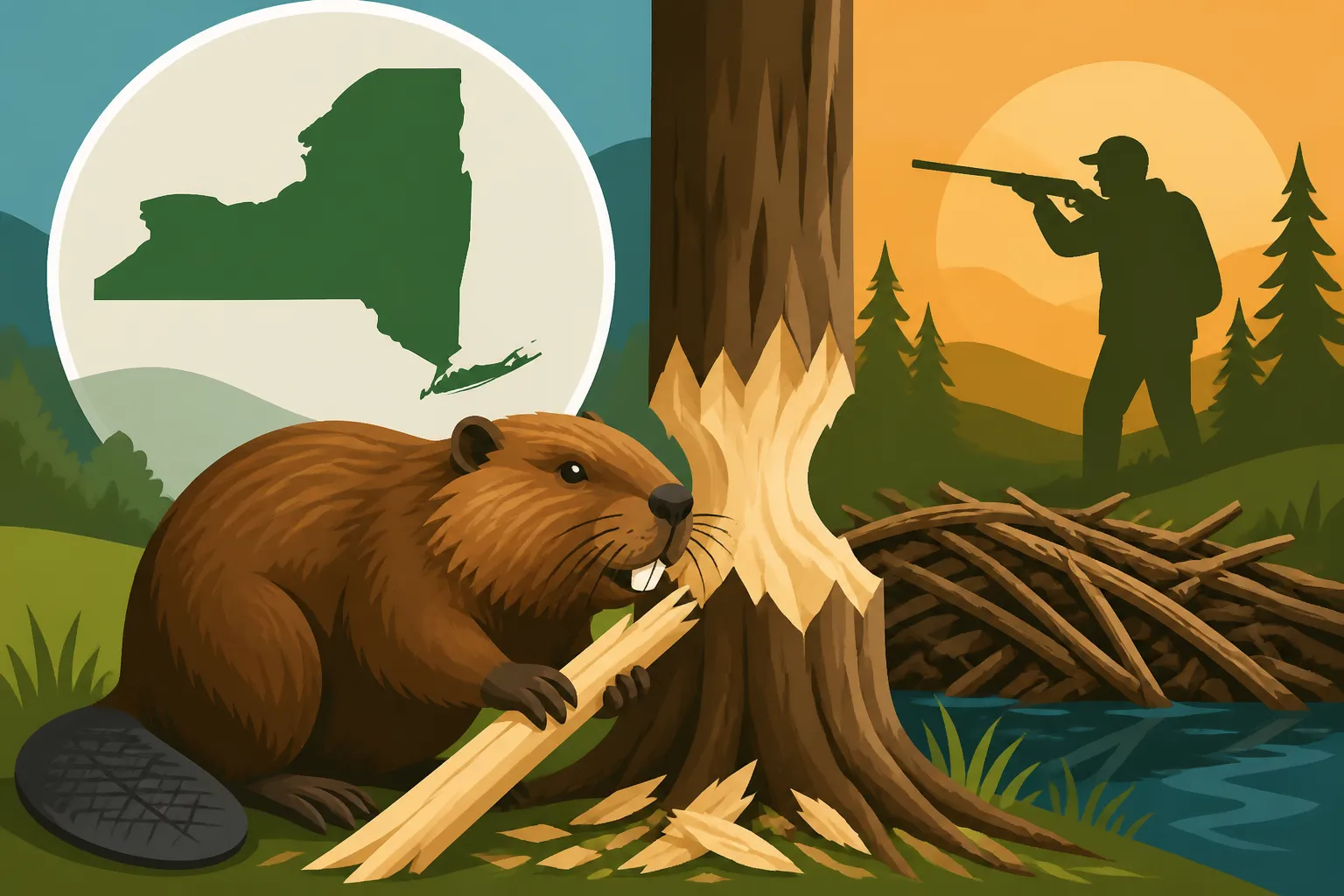
If you've ever found your favorite woodlot suddenly underwater, a critical culvert blocked, or a prime stand of timber drowned out, chances are you've had a run-in with New York's prolific beaver population. These industrious rodents are incredible ecosystem engineers, but their dam-building and tree-felling habits can create significant headaches for landowners, farmers, and even fellow hunters trying to access certain areas. This guide will delve deep into the current state of beaver populations in New York, explore the specific types of damage they cause, and discuss the various management strategies available to help mitigate their impact.
Understanding New York's Beaver Population Dynamics
Beavers are an integral part of New York's natural landscape, renowned for their ability to reshape waterways and create wetland habitats. However, their numbers and activities fluctuate, influencing both the environment and human interests. Understanding these dynamics is crucial for effective management.
Historical Context and Recovery
It's easy to take beavers for granted today, but it wasn't always this way in New York. Back in the early colonial days, and even more so by the 18th and 19th centuries, beavers were trapped relentlessly for their valuable fur. Their soft, dense pelts were highly prized in Europe for making hats and coats, leading to widespread over-harvesting. By the late 1800s, beavers were practically extirpated from much of New York State. Imagine vast tracts of our wild lands, especially the Adirondacks and Catskills, without a single beaver dam or lodge!
Thankfully, conservation efforts in the early 20th century, coupled with stricter trapping regulations and reintroduction programs, allowed their populations to rebound dramatically. This recovery is often hailed as one of New York's great wildlife success stories. Beavers were actively relocated from areas where they still existed, like parts of Canada, into suitable habitats within New York. Slowly but surely, their numbers grew, and they once again began to colonize streams, rivers, and ponds across the state, bringing with them their unique brand of habitat creation. This historical context highlights both their resilience and the importance of responsible wildlife management.
Current Population Estimates and Distribution
Today, beavers are thriving across New York, occupying nearly every suitable waterway from the remote Adirondack wilderness to agricultural ditches in the Southern Tier. While exact statewide numbers are challenging to pinpoint due to their widespread distribution and elusive nature, it's generally accepted that populations are robust. They're most concentrated in areas with abundant deciduous trees (their primary food source) and slow-moving water, like streams, ponds, and wetlands.
You'll find them almost everywhere, though their density can vary significantly. In the vast, undeveloped tracts of the Adirondack Forest Preserve and the Catskill Forest Preserve, their presence often goes unnoticed by all but the most observant hikers or remote camp owners. However, in more developed agricultural regions or suburban fringes, their activity becomes far more noticeable and, often, problematic. Look for tell-tale signs like fresh cuttings, gnawed tree stumps, and, of course, their signature dams and lodges. This widespread presence means that pretty much any hunter or landowner with water on or near their property has the potential for a beaver encounter.
Factors Influencing Beaver Numbers
Several interconnected factors influence the ebb and flow of New York's beaver populations. Food availability is perhaps the most critical; beavers are herbivores, primarily feeding on the bark, leaves, and twigs of trees like aspen, willow, birch, and maple. A landscape rich in these species will naturally support a higher density of beavers. Conversely, once an area is "logged out" by beavers, meaning all preferred food trees within easy reach of the water are consumed, the beavers will often abandon that site in search of new territory.
Water levels and flow also play a huge role. Beavers need stable water to construct their dams and lodges, which is why they prefer slower-moving streams and ponds. Extreme droughts can lower water levels too much, forcing them to relocate, while severe floods can wash out dams and displace colonies. Predation, while not a primary control mechanism for adult beavers, can impact kits. Coyotes, bears, and even large raptors will opportunistically prey on young beavers. Diseases can also play a role in localized die-offs.
However, the most significant factor influencing beaver numbers in New York, outside of natural carrying capacity, is human trapping pressure. Where trapping is light or nonexistent, beaver populations can quickly grow. Where trapping pressure is high, numbers can be kept in check. This dynamic highlights the importance of Trapping New York Furbearers as a key management tool.
The Various Types of Beaver Damage Hunters and Landowners Face
While beavers are remarkable for their engineering prowess, their relentless work ethic can unfortunately lead to significant and costly damage. For hunters and landowners, these impacts can range from inconvenient to truly destructive.
Water Level Fluctuations and Flooding
This is arguably the most common and immediate form of beaver damage. A beaver's primary goal is to create a stable, deep-water environment around its lodge for protection from predators and easier access to food throughout the year, especially under ice. To achieve this, they construct dams, often across small streams, ditches, or even drainage culverts. While these dams create valuable wetlands for many species, they also raise water levels upstream, sometimes dramatically.
For a homeowner, this can mean a flooded basement, a submerged driveway, or even a ruined septic system. Farmers might see their crop fields turned into marshes, destroying valuable harvests. Hunters often face flooded access roads or trails, making it impossible to reach their favorite stands or hunting spots. Imagine planning a trip to a remote state forest, only to find the forest road you need to drive is now a foot deep in beaver-impounded water. It's not just a nuisance; it can be a significant barrier. These water level changes can also drown mature trees, transforming healthy woodlands into ghost forests of standing dead timber, which leads us to the next type of damage.
| Damage Type | Description | Common Impact on Landowners/Hunters |
|---|---|---|
| Water Level Fluctuations | Beavers build dams, raising water levels upstream. | Flooded basements, driveways, septic systems; impassable access roads and trails. |
| Timber Loss | Trees are girdled, felled, or drowned by rising water levels. | Destruction of valuable timber stands, loss of future harvest income, habitat alteration. |
| Infrastructure Impacts | Dams block culverts and drainage pipes, undermining roads and bridges. | Road washouts, impassable bridges, costly repairs to private and public infrastructure. |
| Pond Overflow/Breaches | Dams can eventually breach, causing sudden, destructive flooding downstream. | Erosion, property damage, danger to structures and downstream ecosystems. |
Timber Loss and Forest Degradation
Beavers are not just dam builders; they're also voracious tree fellers. They cut down trees for construction materials for their dams and lodges, and to access the inner bark, which is a critical food source, especially in winter. They primarily target deciduous trees, like aspen, willow, and maple, often girdling them (eating the bark around the circumference) or felling them entirely.
If you have a young timber stand or a planned logging operation, a beaver colony can wreak havoc. They can clear-cut significant areas near waterways, destroying valuable future sawlogs or pulpwood. Beyond direct felling, the flooding caused by their dams can kill off entire stands of trees that are not adapted to saturated soil conditions. Hardwoods like oak and maple, if subjected to prolonged flooding, will simply drown. This not only represents a financial loss for timber owners but also drastically alters the forest ecosystem, replacing dry, upland habitat with wetland, which can displace deer, turkeys, and other upland game. This change in habitat is something hunters definitely notice, making former productive areas unusable for certain species.
Infrastructure Impacts and Road Damage
Beyond the immediate property line, beavers can cause extensive damage to public and private infrastructure. Their favorite places to build dams, unfortunately, often include man-made drainage systems like culverts under roads and bridges. A beaver colony sees a culvert as a ready-made dam foundation, quickly plugging it with mud, sticks, and rocks.
When a culvert is blocked, water can no longer flow freely, leading to a rapid buildup upstream. This can cause roads to flood, soften, and eventually wash out, making them impassable and dangerous. This isn't just an issue for remote logging roads; it can impact residential streets, farm access roads, and even state highways. Repairing these washouts can be incredibly expensive and disruptive. Imagine trying to drive to your hunting camp in the Adirondacks after a heavy rain, only to find the main access road completely destroyed by a beaver-induced flood. Tools like GoHunt can help you scout and identify potential water crossings, but they can't predict where a beaver might decide to build next! It's a constant battle for many municipalities and landowners.
Managing Beaver Conflicts: Hunter and Landowner Strategies
Dealing with beaver damage requires a thoughtful approach. Hunters and landowners often share similar frustrations, but their roles in management can differ. Effective strategies often involve a combination of lethal and non-lethal methods.
Trapping as a Primary Management Tool
For many years, and still today, trapping remains the most effective and often necessary method for managing nuisance beaver populations in New York. Beavers are incredibly productive, and if left unchecked, a single colony can quickly expand and cause extensive damage over a wide area. Trapping helps to remove problem animals, reduce overall population numbers in specific locations, and prevent future damage.
New York offers a regulated trapping season for beavers, usually running from late fall through early spring, which coincides with the time their pelts are prime and valuable. This provides an incentive for trappers to manage populations. Common traps used include foothold traps and body-gripping traps, always set in accordance with state regulations to ensure humane and safe operation. For a landowner experiencing significant damage, hiring a licensed nuisance wildlife control operator (NWCO) who specializes in beaver removal can be a smart move, especially if you're not an experienced trapper yourself. They have the knowledge and equipment to effectively and legally remove the beavers. Understanding New York Trapping Seasons and Tagging is crucial for anyone considering this approach.
Flow Devices and Non-Lethal Options
While trapping is often necessary, there are also non-lethal and semi-lethal methods that can be employed, particularly when the goal is to manage water levels without completely removing the beavers, or when lethal removal isn't preferred or practical. The most common non-lethal approach involves "flow devices," often called "beaver deceivers" or "pond levelers." These systems are designed to control the water level in a beaver pond by allowing water to flow through the dam at a controlled rate, without the beavers being able to plug the intake.
A typical flow device consists of a long, perforated pipe inserted through the beaver dam, with the intake end submerged deep in the pond and protected by a cage or fence that prevents beavers from plugging it. The outflow end is set at the desired water level. Beavers will try to plug the dam, but they cannot effectively stop the flow through the submerged, caged pipe. This allows the beavers to remain in the area, enjoying their pond, while mitigating the destructive flooding they cause. These devices require careful installation and periodic maintenance but can be a long-term solution. Other non-lethal options include wrapping valuable trees with wire mesh to prevent them from being felled, though this is only practical for a limited number of trees.
Hunter and Landowner Collaboration
Effective beaver management often benefits greatly from collaboration between hunters, trappers, and landowners. For hunters, access can be severely hampered by beaver activity, so having a good relationship with landowners to address these issues is key. If you hunt a piece of private land and notice extensive beaver damage or problem dams, offering to help the landowner connect with a licensed trapper, or even doing some trapping yourself if you're qualified, can be a mutually beneficial arrangement.
Many landowners are simply overwhelmed by the constant battle against beavers and would appreciate assistance. Similarly, trappers are often looking for places to set their lines, and private land with beaver problems is an ideal scenario. Open communication is essential; for instance, before setting up a new stand for Hunting Southern Tier Farmland Deer, it’s always a good idea to discuss any beaver issues with the landowner and see if a cooperative management plan can be put in place. This shared understanding can help protect valuable timber, maintain access roads, and ensure a healthier, more balanced ecosystem for all wildlife. Checking the New York Hunting Licenses and What They Cost is step one for anyone wanting to get involved in trapping or hunting.
Hunting and Trapping Regulations for New York Beavers
Before you even think about setting a trap or taking action against nuisance beavers, it is absolutely essential to understand and abide by New York State's Department of Environmental Conservation (DEC) regulations. These rules are in place to ensure ethical practices, sustainable populations, and public safety.
Season Dates and Bag Limits
Beavers in New York are classified as furbearers, and their harvest is managed through specific trapping seasons. Unlike deer or turkey, there isn't typically a "hunting" season for beavers in the conventional sense, though they can be incidentally harvested during other seasons if regulations allow. The primary method of take is trapping.
Beaver trapping seasons vary by Wildlife Management Unit (WMU) and often have different opening and closing dates across the state. Generally, the season begins in late October or early November and can run through March or even into April, particularly in the northern zones. There are no statewide bag limits on beavers, meaning that once you have a valid trapping license and permission, you can typically harvest as many beavers as you can catch during the open season. This liberal approach reflects the robust nature of their populations and the recognition of the damage they can cause. Always consult the current New York State Hunting and Trapping Regulations Guide or the official DEC website for the precise dates for your specific WMU, as these can change year to year. Using mapping tools like those offered by GoHunt can often help identify WMU boundaries.
Licensing and Permitting Requirements
To trap beavers in New York, you must possess a valid New York State Trapping License. This is a separate license from a basic hunting license, though often purchased in conjunction with it. Residents and non-residents both have options for obtaining a trapping license, and there are different price points depending on age and residency status. Just like with hunting, all trappers must complete a mandatory trapper education course before they can purchase their first license. This course covers everything from furbearer biology and identification to trap types, setting techniques, regulations, and ethical handling of animals. This is a critical step to ensure responsible trapping.
In addition to the standard trapping license, if you are dealing with a nuisance beaver problem outside of the regular trapping season, or if you are not a licensed trapper yourself, a Nuisance Wildlife Control Permit might be required. This permit is issued by the DEC to qualified individuals or licensed NWCOs to remove problem animals when normal seasons and methods are not applicable. For example, if a beaver dam is actively flooding a home in mid-summer, a NWCO with a permit can address the issue outside the regular trapping season. You can find more information on these requirements by checking New York Trapping License Cost and New York Hunter Education Requirements (which often includes trapping education).
Ethical Considerations and Best Practices
Responsible trapping is built on a foundation of ethical considerations and best practices designed to ensure humane treatment of animals and safety for both the trapper and the public. Key among these is the use of proper traps that are well-maintained and correctly set. Traps should be chosen based on the target species and local conditions, and always set in a manner that minimizes the chance of catching non-target animals. Daily trap checks are also a cornerstone of ethical trapping, ensuring that any captured animals are dispatched quickly and humanely.
Furthermore, trappers must be mindful of public safety, especially when setting traps near trails, roads, or residential areas. Signs indicating the presence of traps might be required in certain locations. Property owner permission is absolutely paramount when trapping on private land; never assume you can trap on someone else's property without explicit consent. Even on public lands, such as Wildlife Management Areas, there might be specific rules regarding trap placement or type. Practicing conservation principles, such as harvesting responsibly and avoiding wasteful take, ensures that beaver populations remain healthy and continue to enrich New York's diverse wildlife heritage for years to come.
Disclaimer
This article is for general informational purposes only and does not constitute professional advice. Laws, prices and regulations vary by location and change over time. Consult a qualified professional for guidance on your specific situation.