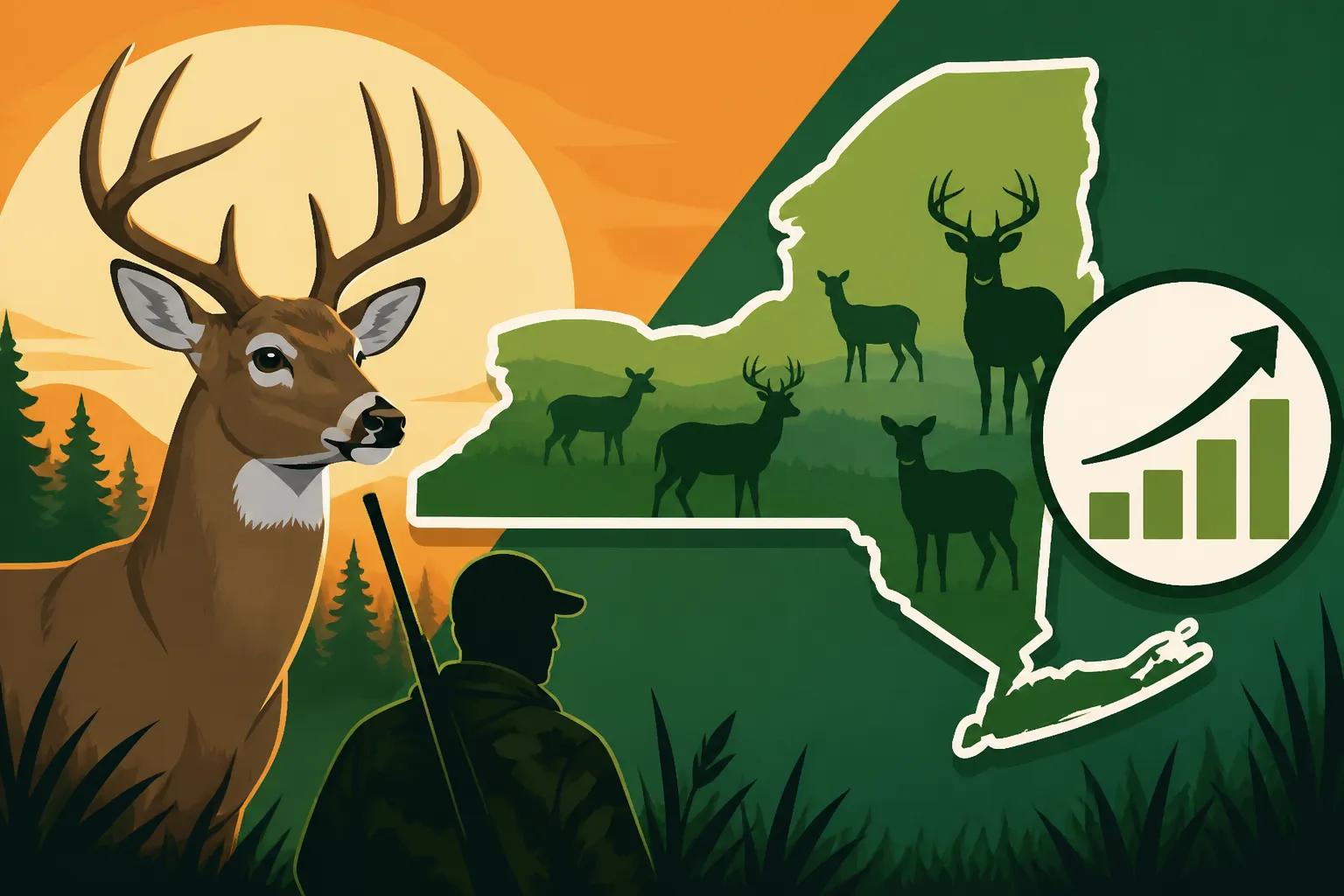
New York Deer Population Estimate
One of the most common questions I hear from fellow hunters, whether we're leaning on a truck tailgate or warming up by the woodstove, is "How many deer are really out there?" It’s a frustrating question because the answer always feels elusive, changing from one ridge to the next, one season to the next. This guide is all about peeling back the layers on how New York's deer population is estimated and what those numbers actually mean for us in the field.
Understanding New York's Deer Population Dynamics
Trying to pin down an exact number for New York's deer population is like trying to count individual leaves in the Adirondacks — it's an impossible task, and honestly, not the most useful one. What truly matters to hunters, and to wildlife managers, are the trends and densities within specific areas. We often feel the population shifts more than we see a statistic, but understanding the science behind those feelings can make us better hunters.
Why Estimating Deer Numbers is So Tricky
Deer are masters of camouflage and stealth, and they don't exactly line up for a head count. Their populations are incredibly fluid, influenced by a myriad of factors that are constantly in flux. Think about the sheer diversity of New York's landscape: from the sprawling, dense forests of the Adirondacks and Catskills to the fragmented woodlots and vast agricultural fields of the Southern Tier. Each of these environments presents unique challenges for estimation. One year, you might see deer everywhere in your favorite woodlot, and the next, they seem to have vanished, making you wonder what happened.
The truth is, deer behavior, habitat changes, weather patterns, and even human hunting pressure all contribute to this perceived inconsistency. For instance, a mild winter might mean higher fawn survival, while a brutal one with deep, persistent snow can decimate a local herd, especially in the northern reaches of the state. Because of these variables, wildlife biologists at the New York State Department of Environmental Conservation (DEC) focus on trends and population indices rather than trying to achieve an exact, impossible census of every single deer. It's about understanding the health and trajectory of the herd, not just a static number.
How the DEC Approaches Population Estimates
So, if they're not literally counting every deer, how does the DEC figure out what's going on? Their approach is sophisticated, relying heavily on data submitted by hunters, combined with field observations and scientific modeling. The cornerstone of their population estimation comes from detailed harvest data. Every time a hunter reports a deer, whether it's a buck, doe, or fawn, they're contributing vital information. This data includes the sex of the animal, its age (estimated by jawbone submission or tooth wear), and for bucks, antler information.
This harvest information is then analyzed at the Wildlife Management Unit (WMU) level, allowing the DEC to track specific trends in local populations. They look at things like the adult buck harvest, the antlerless harvest, and the number of Deer Management Permits (DMPs) issued and filled. These figures, when combined with variables such as winter severity indexes, fawn recruitment rates (how many fawns survive to adulthood), and changes in land use, provide a comprehensive picture. It's a complex puzzle, but by piecing together all these bits of information, they can develop reliable estimates of population density and assess the herd's health and productivity. The goal isn't just a number, but rather a robust understanding that informs management decisions, like how many DMPs to issue in a particular WMU to maintain a healthy and balanced deer population. If you're curious about the mechanics, a deep dive into How the DEC Counts New York Deer can shed more light on their methodologies.
Key Factors Influencing Deer Numbers in New York
New York's deer populations aren't static; they ebb and flow with a range of environmental and human-influenced factors. Understanding these dynamics is crucial for both wildlife managers and us hunters who spend countless hours trying to decipher deer behavior and patterns. It’s not just about what we see from our treestand, but the broader ecosystem at play.
Habitat Quality and Carrying Capacity
The old adage "habitat is king" rings absolutely true for white-tailed deer. The quality and availability of food, water, and cover dictate how many deer an area can sustain, a concept known as its carrying capacity. In New York, this varies wildly. Consider the vast, mature forests of the Adirondacks, where food sources can be sparse and spread out, especially after a few years of high deer numbers have browsed down the understory. Compare that to the rich agricultural landscapes of the Southern Tier, Finger Lakes, and Western New York, where deer have access to abundant crops like corn, soybeans, and alfalfa, alongside lush forest edges and thick hedgerows providing excellent cover.
These agricultural regions, with their mosaic of fields, woodlots, and old orchards, typically boast higher deer densities because they offer a buffet of high-energy foods, leading to healthier, more reproductive does and faster-growing bucks. On the flip side, areas with poor habitat, like heavily fragmented suburban woodlots lacking diverse forage, or vast tracts of unbroken, mature timber, will naturally support fewer deer. The health of the deer herd—body weight, antler size, reproductive rates—is a direct reflection of the quality of the habitat it occupies. When deer populations exceed the carrying capacity, you start to see declines in deer health, increased disease susceptibility, and reduced fawn survival.
Winter Weather and Its Impact
Winters in New York can be brutal, and they are a massive regulator of deer populations, particularly in the northern half of the state. Deep, persistent snow combined with prolonged periods of extreme cold can be devastating for deer, especially fawns born the previous spring and older, weaker animals. In the Adirondacks, for example, a severe winter can literally trap deer in deep snow, limiting their movement, making foraging incredibly difficult, and burning through their fat reserves rapidly.
When deer are stressed by harsh winter conditions, their immune systems weaken, making them more susceptible to disease. Does that survive a tough winter may enter spring in poor condition, affecting their ability to successfully carry and birth fawns. This directly impacts fawn recruitment for the following year, leading to a noticeable dip in the population. Hunters in the Northern Zone often experience these fluctuations firsthand; a series of mild winters can lead to a boom in deer numbers, followed by a sharp decline after a particularly harsh season. Understanding these cycles helps explain why deer numbers can vary so dramatically between years, even in the same hunting spot.
Predation, Disease, and Other Challenges
While winter weather and habitat are huge drivers, other factors like predation and disease also play a role in shaping New York's deer populations. Coyotes, for instance, are the primary natural predators of white-tailed deer in New York, with fawns being particularly vulnerable. While coyotes rarely control a healthy, thriving deer population on their own, their predation can certainly impact fawn survival rates, especially in areas where deer numbers are already stressed by other factors like poor habitat or harsh winters.
Diseases are another constant concern for wildlife managers. New York has thankfully remained largely free of Chronic Wasting Disease (CWD) in its wild deer herd, a testament to strict regulations and diligent monitoring, though there was a captive herd case a few years back that prompted intense surveillance. Still, other diseases like Epizootic Hemorrhagic Disease (EHD) can cause localized die-offs, particularly during hot, dry summers. We saw some significant localized impacts from EHD die-offs in New York Deer in recent years. These events, while sometimes alarming, are usually confined to specific areas and often don't have a statewide impact, but they are a stark reminder of the delicate balance of wildlife health. Additionally, factors like deer-vehicle collisions contribute to deer mortality, particularly in suburban and rural areas with high traffic volumes, affecting perceived local densities.
Diving Into New York's Regional Deer Densities
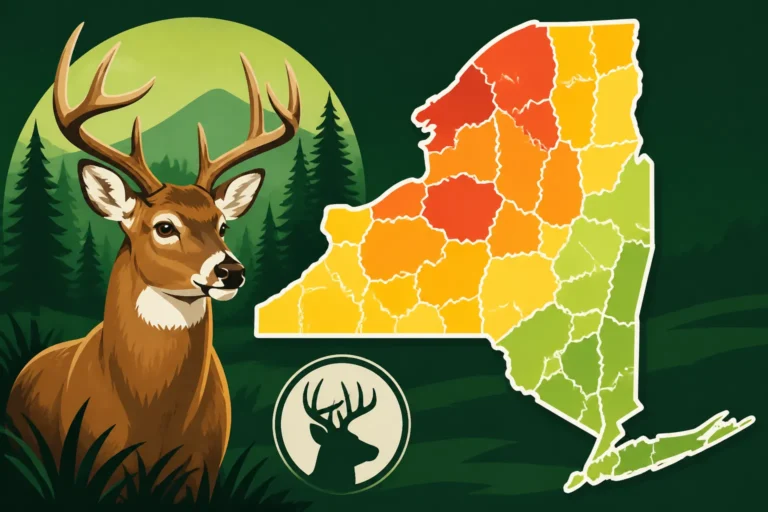
If you've hunted different corners of New York, you already know that "deer population" isn't a single, monolithic number. The density of deer can swing wildly depending on which part of the state you're in, and understanding these regional differences is key to successful hunting. What works in the Catskills might not even be an option in the Genesee Valley.
Southern Tier Farmland vs. Adirondack Backcountry
This is perhaps the starkest contrast in deer densities you'll find in New York. The Southern Tier, with its rolling hills, mixed hardwoods, and extensive agricultural lands, is a deer haven. Here, you'll find some of the highest deer densities in the state. Farmers’ fields provide an endless buffet of high-protein, energy-rich foods like corn and alfalfa, allowing does to be highly productive and bucks to grow larger antlers. The fragmented landscape of woodlots, brushy creek bottoms, and hedgerows offers ample cover and travel corridors, making deer feel secure even in proximity to human activity. WMUs in the Southern Tier often have very generous DMP allocations, reflecting a healthy and robust deer population that can withstand significant antlerless harvest. If you're looking for sheer numbers, the Southern Tier is often your best bet, and for more on this, check out Southern Tier Versus Adirondack Deer.
Now, shift your focus north to the vast, wild expanse of the Adirondack Forest Preserve. Here, deer densities are significantly lower. The "forever wild" character of the Adirondacks means huge tracts of mature, unbroken forest, which, while beautiful, doesn't always translate to prime deer habitat. Food sources are naturally less abundant and more scattered compared to agricultural areas. Winters are also harsher and longer, taking a heavier toll on the herd. While big, mature bucks do exist in the Adirondacks, they often live a more solitary, nomadic life, traveling vast distances. Encountering a deer in the Adirondacks often feels like a greater accomplishment precisely because the densities are so much lower. Hunters often need to cover more ground and focus on subtle sign in areas that offer even slight advantages in food or cover, such as regenerating clearcuts or hemlock swamps.
The Finger Lakes and Western New York Hotspots
Between these two extremes, you have regions like the Finger Lakes and Western New York, which are often considered hotspots for deer hunting, particularly for those pursuing trophy bucks. These areas benefit from a mix of fertile agricultural lands, diverse hardwoods, and managed forests. The combination of nutrient-rich soils and abundant food sources allows deer to reach their full potential, both in terms of body size and antler development. It's no secret that some of the state's largest whitetails are consistently harvested from these regions. This isn't just anecdotal; the biological evidence points to the incredible nutrition available.
The deer population in these areas tends to be robust, often benefiting from milder winters than the Adirondacks and a lower overall human population density compared to the Hudson Valley. This creates a sweet spot where deer have access to excellent food and cover, grow well, and face moderate hunting pressure that still allows bucks to age. If you've ever wondered Why the Finger Lakes Region Grows Big Bucks, it largely boils down to this perfect storm of habitat, nutrition, and a good age structure in the buck herd. These regions often draw hunters from across the state looking for a quality deer hunting experience.
Suburban and Hudson Valley Deer Issues
Moving closer to urban centers and into areas with more residential development, like parts of the Hudson Valley and Long Island, the deer population picture changes again. Here, deer can thrive due to reduced hunting pressure (often restricted to archery-only or specific permits), an abundance of ornamental landscaping providing year-round food, and a lack of natural predators. However, this success often leads to overpopulation and significant conflicts with humans.
In these areas, deer densities can be exceptionally high, leading to increased rates of deer-vehicle collisions, extensive damage to gardens and agricultural crops, and even an elevated risk of tick-borne diseases like Lyme disease. Managing deer in suburban environments is a unique challenge, as traditional hunting methods are often not feasible or publicly accepted. The DEC often implements special Deer Management Assistance Program (DMAP) tags or permits to encourage antlerless harvest in these specific zones. Localized control efforts, often involving professional sharpshooters or special permit hunts, are sometimes necessary to mitigate these issues, highlighting the complex relationship between humans and deer when populations become unbalanced in residential areas. These efforts directly address the problems created by high densities, such as the alarming number of New York Deer Vehicle Collisions that occur annually in these zones.
Interpreting Harvest Data for Population Insights
As hunters, we contribute a wealth of invaluable data to the DEC every time we punch a tag. This harvest data isn't just a record of our success; it's a critical component in how wildlife managers understand and manage New York's deer herd. Learning how to interpret this information, and even contributing to it more effectively, can make us more informed and ultimately more successful hunters.
The Role of Deer Management Permits (DMPs)
Deer Management Permits, often called "doe permits" or "DMPs," are one of the most direct and effective tools the DEC uses to manage deer populations at a local level. These permits allow hunters to take antlerless deer (does and fawns) in specific Wildlife Management Units (WMUs). The number of DMPs available in a particular WMU is directly tied to the DEC's assessment of that area's deer population trend and its management objectives. If a WMU's deer population is above target, more DMPs will be issued to encourage a higher antlerless harvest, aiming to reduce the herd. Conversely, if the population is below target or declining, fewer DMPs will be offered.
This system is why understanding New York Deer Management Permits Explained is so crucial for hunters. When you apply for a DMP, you're not just hoping for an extra tag; you're participating in a critical aspect of wildlife management. The DEC analyzes the number of DMPs issued versus the number filled to gauge hunting pressure and its effectiveness. Hunters also need to be aware of the distinction between Limited Versus Unlimited DMP Wildlife Units. In "limited" WMUs, there's a strict quota, often indicating a desire to maintain or slowly grow the population. In "unlimited" WMUs, where a hunter can apply for and receive multiple DMPs, it typically signals a higher deer density and a greater need for antlerless harvest. Paying attention to these allocations can tell you a lot about what the DEC thinks about deer numbers in your hunting area.
Analyzing Buck and Antlerless Harvest Trends
Beyond the DMPs, the overall harvest trends for both bucks and antlerless deer provide critical insights into the health and structure of the herd. The number of bucks harvested each year, especially older-aged bucks, gives clues about buck survival rates and the overall age structure of the male deer population. A healthy, growing population will often show a stable or increasing buck harvest, and ideally, a good proportion of those bucks will be mature. The DEC carefully monitors these numbers through mandatory reporting by hunters.
Equally important is the antlerless harvest data. This includes both does and fawns. By tracking this, the DEC can assess reproductive success and fawn recruitment—how many fawns survive to join the adult population. Changes in the buck-to-doe ratio are also observed; a balanced ratio often indicates a healthier, more naturally behaving rut and better breeding success. If the antlerless harvest isn't sufficient to meet management goals, overpopulation can occur, leading to habitat degradation and reduced deer health. Conversely, if antlerless harvest is too high, it can suppress population growth. Your timely and accurate reporting of every deer harvest is absolutely essential for this data collection. When you report a deer, you're not just fulfilling a legal obligation; you're literally providing the building blocks for informed deer management for future seasons.
Leveraging Tools Like GoHunt and DEC Data
In today's digital age, hunters have more access to deer population data than ever before, moving beyond just anecdotal evidence. The DEC publishes annual harvest reports and population assessments, often broken down by WMU, which are goldmines of information. These reports detail harvest numbers, success rates, and even population trends over time for specific areas. Taking the time to pore over these documents can reveal which WMUs consistently produce high numbers of deer or large bucks, or where populations might be stable versus declining.
Beyond official DEC publications, various private mapping and data analysis tools are available. Platforms like GoHunt, for example, can integrate publicly available data with their own mapping and analysis features, allowing hunters to visualize deer densities, habitat types, and even historic harvest data on an interactive map. This kind of tool can be incredibly powerful for pre-season scouting or for understanding patterns during the season. You can use GoHunt to overlay property boundaries with harvest data, helping you identify areas with high success rates or where deer movement might be concentrated. Combine this with the Scouting With the New York HuntFishNY App, which also offers detailed mapping and public land information, and you've got a formidable arsenal for understanding local deer populations and planning your hunts. These resources empower hunters to make data-driven decisions, turning perceived fluctuations into understandable trends, and ultimately leading to more informed and successful hunting trips.
Challenges and Future Outlook for New York Deer
Managing a species as widespread and impactful as the white-tailed deer in New York is a complex dance, balancing the needs of the deer themselves with the desires of diverse human interests. The future of New York's deer herd will depend on how effectively we navigate these intertwined challenges.
Managing Conflicting Interests
One of the biggest hurdles in deer management is finding common ground among various stakeholders. Hunters often advocate for robust deer populations, enjoying the pursuit and the bounty of venison. Farmers, on the other hand, frequently experience significant crop damage from deer and may seek population reductions. Landowners, whether rural or suburban, might struggle with garden damage, property browsing, or concerns about deer-vehicle collisions. Environmentalists might focus on the ecological impact of over-browsing on forest regeneration or native plant communities.
The DEC's role is to balance these often-conflicting interests while maintaining a healthy, sustainable deer population across the state. This means setting antlerless harvest quotas, implementing special hunt programs like the New York Holiday Deer Season in specific WMUs, and working with communities to address localized issues. It's a continuous balancing act, and every management decision is met with varying degrees of approval and criticism. Public input, scientific data, and careful consideration of social and economic impacts all factor into the final management strategies.
The Ongoing CWD Threat and Monitoring
Chronic Wasting Disease (CWD) remains arguably the most serious long-term threat to white-tailed deer and elk populations across North America, and New York is constantly on guard. While New York has, thankfully, kept CWD out of its wild deer herd, the discovery of CWD in a captive white-tailed deer herd in Herkimer County years ago sent ripples of concern through the hunting community. This incident led to the establishment of the New York's Chronic Wasting Disease Containment Area and strict surveillance measures.
The DEC maintains rigorous monitoring programs, including testing hunter-harvested deer, especially in areas surrounding any CWD detections or high-risk zones. Restrictions on the movement of deer carcasses from CWD-positive states or from within the containment area are also critical to prevent the spread of the disease. Hunters play a vital role in this defense by adhering to carcass transport rules and cooperating with testing efforts. The vigilance against CWD is a perpetual challenge, requiring ongoing public education, hunter cooperation, and scientific research to safeguard New York's wild deer for generations to come.
Climate Change and Habitat Shifts
Looking further down the road, climate change and its associated habitat shifts present another layer of complexity for New York's deer population. Changes in temperature, precipitation patterns, and the frequency of extreme weather events could impact deer in several ways. Milder winters in some areas might lead to increased fawn survival, potentially boosting populations, while more intense summer droughts could reduce forage quality or increase the prevalence of diseases like EHD.
Long-term shifts in forest composition, such as changes in acorn production from oak trees or the spread of invasive plant species, could alter food availability. Warmer temperatures might also influence the range and density of ticks, potentially increasing the risk of tick-borne diseases in both deer and humans. While these effects are harder to predict precisely, the DEC, like wildlife agencies nationwide, is beginning to consider these broader ecological changes in their long-term deer management planning. Adapting to these environmental shifts will be crucial for maintaining healthy and resilient deer populations across New York.
Regional Deer Population Characteristics in New York
To give you a clearer picture of how deer populations vary, here’s a breakdown of general characteristics across New York's major hunting regions. Remember, these are broad strokes, and local conditions can always differ!
| Region | General Deer Density | Habitat Type | Typical Antlerless DMP Availability | Key Influencing Factors |
|---|---|---|---|---|
| Southern Tier | High | Mixed Ag/Hardwood, Woodlots, River Bottoms | Often Unlimited | Abundant food, good cover, moderate winters |
| Finger Lakes | Moderate to High | Rich Farmland, Hardwoods, Vineyards, Gorges | Varies (often liberal) | Excellent nutrition, older buck age structure |
| Western New York | Moderate to High | Extensive Ag, Woodlots, Suburban Fringe | Varies (often liberal) | Agricultural abundance, diverse cover, some suburban pressure |
| Catskills | Moderate | Mature Hardwoods, Steep Terrain, Some Ag | Moderate | Forest browse, winter severity, elevation impact |
| Adirondacks | Low | Vast Mature Forest, Boreal, Few Ag Pockets | Limited/Rare | Harsh winters, sparse food, vast wilderness |
| Hudson Valley | Moderate to High | Mixed Residential/Forest, River Valleys, Some Ag | Varies (often high near population centers) | Reduced hunting pressure, ornamental plants, vehicle collisions |
| Long Island | High (Localized) | Pine Barrens, Suburban, Managed Parks | Special Permits Only | Extremely limited hunting, abundant food in residential areas |
Disclaimer
The information provided in this article is for general guidance and informational purposes only. Hunting regulations and deer population dynamics are subject to change. Always consult the official New York State Department of Environmental Conservation (DEC) hunting regulations and local laws before planning any hunting activities. Stay safe and hunt ethically.