Hamilton County Public Hunting Ground
Trying to find productive public hunting land that feels truly wild, especially when you're used to smaller tracts or private parcels, can be a real headache. You might look at a map of New York and see huge green swaths in the Adirondacks, but understanding how to actually hunt those vast, remote areas – like the challenging terrain of Hamilton County – requires a different approach. This guide will help you decipher the public hunting opportunities in Hamilton County, detailing what to expect and how to prepare for a successful and safe experience in New York's true big woods.
The Unique Landscape of Hamilton County Public Land
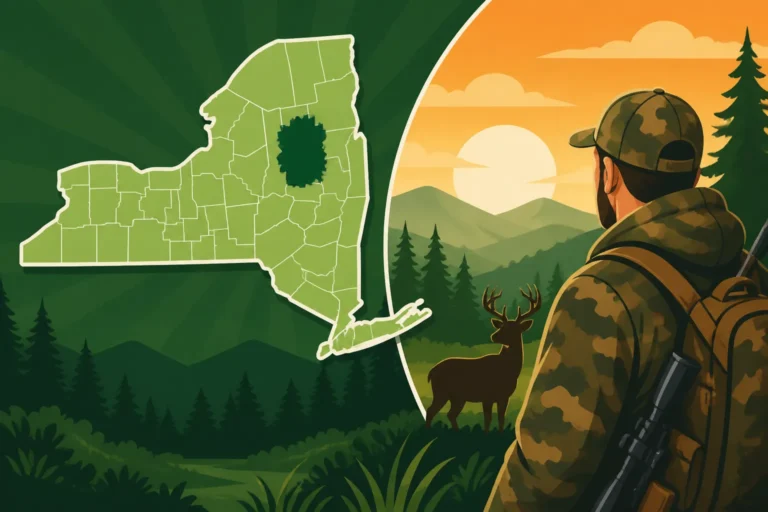
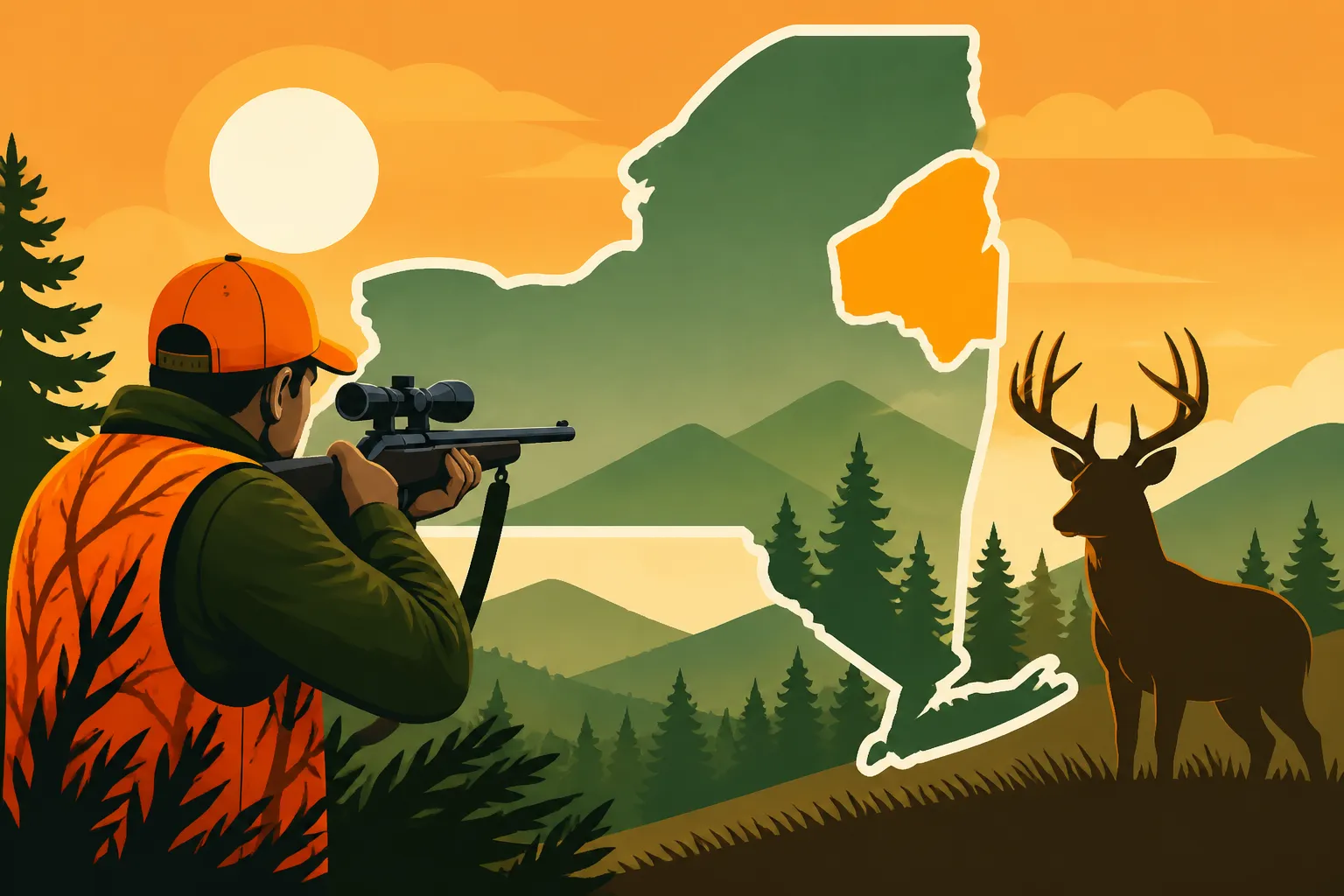
Hamilton County, nestled deep within the Adirondack Park, truly embodies the "Forever Wild" spirit of New York's public lands. When you look at a map, you'll see a sea of green, signifying an immense amount of public acreage. This isn't your typical state forest with neat logging roads and frequent access points; instead, much of it is Adirondack Forest Preserve, offering a wilderness experience unlike almost anywhere else in the state. Understanding this unique landscape is the first step to unlocking its hunting potential.
Understanding the Adirondack Forest Preserve in Hamilton County
The vast majority of public hunting ground in Hamilton County falls under the umbrella of the Adirondack Forest Preserve. This designation is critical because it carries specific protections and management philosophies, primarily the "Forever Wild" clause of the New York State Constitution. What does "Forever Wild" mean for a hunter? It means you won't find active logging, extensive road networks, or intensive habitat management techniques like large-scale clearcuts aimed at specific game species. Instead, you're hunting in a natural, largely untouched ecosystem. This translates to mature timber, rugged terrain, and a true backcountry experience.
Hunting here means adapting to what nature provides. Deer and bear populations thrive on natural mast crops, browse, and the cover offered by vast, unbroken forests. The terrain itself ranges from rolling hills to steep mountains, punctuated by countless lakes, ponds, and wetlands. Navigating this environment demands a solid understanding of topography, excellent physical conditioning, and a keen eye for subtle sign. The remoteness means fewer hunters in many areas, especially once you push beyond common trailheads, offering a genuine sense of solitude and the potential for encountering less pressured game. It's a place where patience and persistence are rewarded, where a successful hunt is often as much about the journey and the challenge as it is about the harvest.
The Domination of Forest Preserve and Limited Alternatives
While other parts of New York boast a mix of State Forests, Wildlife Management Areas (WMAs), and even some county lands, Hamilton County is largely defined by the Adirondack Forest Preserve. You won't find many traditional "State Forests" managed for timber production or "WMAs" with engineered food plots and easily accessible brush hogged fields here. The public land you'll be hunting is overwhelmingly Forest Preserve land, divided into "Wild Forest" and "Wilderness" classifications, each with its own set of regulations. Wilderness areas, for example, have stricter rules against motorized vehicles and often even mountain bikes, truly pushing you into foot-powered exploration.
This concentration on Forest Preserve land means that hunters need to be intimately familiar with the specific rules governing these lands, not just general hunting regulations. It emphasizes self-reliance and minimizing impact. While a few smaller parcels might exist under different designations, for practical purposes, if you're hunting Hamilton County public ground, you're in the Forest Preserve. This focus on wilderness character creates a unique opportunity but also demands a higher level of preparedness and respect for the environment. It’s a place where the journey to your hunting spot might involve a significant hike or even a canoe paddle, reinforcing the feeling of being truly immersed in nature.
Navigating the Vastness and Finding Huntable Ground
Hunting in Hamilton County's vast public lands isn't like hunting small woodlots. You're dealing with immense tracts of undeveloped forest, and just showing up with a license isn't enough. Successfully finding huntable ground here requires strategic planning, solid navigation skills, and an understanding of how game animals move in such an expansive environment. It can feel overwhelming at first, but with the right approach, you can break it down into manageable segments.
Essential Mapping and Scouting Tools for Remote Hunting
Before you even step foot in Hamilton County, your most valuable tools will be detailed maps and digital scouting applications. Traditional topographic maps are essential for understanding elevation changes, drainages, and potential travel corridors. However, modern digital tools take this a step further. Apps like onX Hunt are incredibly powerful for identifying public land boundaries, parcel ownership (crucial for distinguishing between public and private as the Adirondack Park is a mix), and detailed topographical features right on your phone or tablet. You can mark waypoints, track your movements, and even download maps for offline use—a lifesaver in areas with no cell service. Using HuntFishNY Without Cell Service is a related consideration, and these apps often offer similar offline functionality.
Beyond just knowing where the public land is, these tools allow for extensive pre-season scouting from your armchair. You can pour over satellite imagery to identify subtle changes in forest density, potential bedding areas on steep slopes, or natural funnels created by saddles between ridges. Look for distinct edges, old logging roads (even if grown over), or areas where different timber types meet. Water sources, especially during dry spells, can also be major attractants. Using a platform like GoHunt can also provide valuable information on game populations and success rates in specific areas, though remember that this is big woods hunting, and data might be more general. This level of preparation is not just an advantage; it's practically a necessity to avoid wasting precious hunting time wandering aimlessly in an unfamiliar, immense landscape.
Access Points and Pushing Beyond the Crowds
One of the biggest challenges, and also the greatest opportunities, in Hamilton County is access. While there are a number of public roads, parking areas, and designated trailheads, these are often where you'll find the highest concentration of hunters, especially during opening week or peak rut. To truly experience the wildness and find less pressured game, you need to be willing to push beyond these easily accessible points. This often means long walks from the road, utilizing old skidder trails, or even bushwhacking through thick timber. Consider entry routes that other hunters might overlook or deem too difficult. How Far to Walk From a Trailhead can make a huge difference in the amount of hunting pressure you encounter.
Lakes and rivers can also serve as fantastic access points if you have a canoe or kayak. Paddling across a lake to access an otherwise remote shoreline can put you in areas that see very little human activity. Always be mindful of land boundaries, even when on the water. The deeper you are willing to go, the more the landscape opens up. This isn't just about avoiding other hunters; it's about reaching areas where deer and bear might feel safer and exhibit more natural patterns of movement. Remember that deep woods hunting also means being prepared for longer game retrieval, which can be a monumental task in rugged terrain far from any vehicle access.
Identifying Key Habitat and Deer Movement
In the vast Adirondack timber of Hamilton County, deer movement isn't dictated by small field edges or food plots as it might be in more agricultural regions. Here, you need to think on a larger scale. Look for changes in elevation: deer often use ridges and saddles as travel corridors, especially during the rut. Identifying benches or subtle changes in slope where deer might bed down for safety and thermal cover is key. Where Adirondack Bucks Bed delves into these specific bedding tendencies. Drainages and creek bottoms can also act as natural funnels, especially if they are less steep and offer easier travel through dense areas.
The dominant timber types will largely be northern hardwoods (maple, beech, birch) mixed with conifers (spruce, fir, hemlock). Pay attention to areas with good mast crops—beechnuts are a huge draw for both deer and bear when available. Hemlock thickets provide crucial thermal cover during cold weather and security year-round. Don't overlook swamps and beaver flows, as these often offer dense cover and diverse browse, attracting deer seeking refuge. Finding Sign in Big Adirondack Timber is about more than just fresh tracks; it's about understanding the subtle rub lines, browse activity, and worn trails that indicate consistent use in these big woods environments. Successful hunters in Hamilton County are adept at reading the nuances of the forest, understanding how terrain and vegetation funnel and hold game.
Tactics and Considerations for Hamilton County Hunting
Hunting in Hamilton County is a marathon, not a sprint. The sheer scale of the landscape and the wild nature of the game require specific strategies and a significant amount of mental and physical preparedness. You won't find easy hunts here, but the rewards—a truly wild animal taken in a magnificent setting—are immeasurable.
Strategies for Deer Hunting in Big Woods
Deer hunting in the Adirondacks, and particularly in Hamilton County, often boils down to two main approaches: still-hunting and setting up on key travel corridors. Still-hunting, or slowly stalking through the woods, is a highly effective tactic here. Move at a snail's pace, stopping often to glass and listen. Use the wind to your advantage, moving into it or across it to keep your scent from spooking deer. Focus on areas where changes in topography create natural funnels or where thick cover meets more open timber. This slow, methodical approach allows you to cover ground while being constantly aware of your surroundings, increasing your chances of spotting a deer before it spots you. Still-Hunting Catskill Ridges provides similar insights for other big woods areas that apply directly to Hamilton County.
Alternatively, identifying and setting up on natural funnels or saddles can be incredibly productive, especially during the rut. Deer will often utilize the path of least resistance when traveling between bedding and feeding areas, or when bucks are cruising for does. Look for these pinch points on topographical maps and then verify them on the ground. A good treestand setup can be deadly in these locations, offering a wide field of view and keeping your scent above deer movement. Treestand Setups in Adirondack Hardwoods covers the nuances of hanging a stand in this kind of timber, which is often mature and tall. Given the variable terrain, you might also consider a mobile setup, like a saddle hunting system, allowing you to adapt to new sign quickly.
Bear Hunting in the Adirondacks
Hamilton County is prime black bear country, and hunting bears without the use of bait requires a different set of skills and a deep understanding of their habits. The "Forever Wild" designation means baiting is strictly prohibited in the Adirondacks, forcing hunters to focus on natural food sources and travel patterns. Bears are highly opportunistic foragers, and their movements are heavily influenced by the availability of mast crops like beechnuts and acorns, as well as berries and apples in old clearings or homesteads. Targeting areas with abundant natural food sources during the fall is a primary strategy. Hunting Bears Over Natural Food Sources is your blueprint for this kind of hunt.
Spot-and-stalk hunting, especially in more open hardwood ridges where visibility allows, can be effective, though challenging in dense cover. Focusing on water sources during dry periods or areas with heavy cover near food can also pay dividends. Bear sign—tracks, scat, overturned rocks, and claw marks on trees—can be more obvious than deer sign and should be actively sought out. While you might be deer hunting, always be prepared for a bear encounter in Hamilton County; they are frequently found in the same habitats. Understanding bear behavior and being ready for a quick, ethical shot is paramount.
Preparedness for Remote Backcountry Hunts
Hunting Hamilton County means embracing the backcountry. This isn't a place for casual, unprepared excursions. Safety and self-sufficiency are paramount. Navigation is key; always carry a GPS unit (like one enabled by onX Hunt with downloaded maps) and a physical compass and map as a backup. Inform someone of your exact hunting plans and expected return time. Weather in the Adirondacks can change rapidly, so appropriate layering with quality clothing, like wool or synthetics, is essential. Layering for a New York Deer Stand is crucial for comfort and safety.
For multi-day hunts, a reliable camp setup, adequate food and water, and a robust First Aid Kits for Remote Adirondack Ground are non-negotiable. Many hunters choose to backpack into remote areas, so a good quality pack capable of carrying gear and potentially meat out is vital. Packs Built for a Multi-Day Backcountry Hunt are designed for this kind of rigorous use. Always carry a headlamp, fire starter, knife, and communication device (satellite communicator if cell service is non-existent). Recovering a downed animal in the backcountry can be incredibly difficult, so planning for extraction, whether by quartering or using a game cart/sled, is part of the pre-hunt strategy. The challenge is real, but the sense of accomplishment in these wild lands is unparalleled.
Rules, Regulations, and Respecting the "Forever Wild" Ethos
Hunting in Hamilton County, particularly within the Adirondack Forest Preserve, isn't just about finding game; it's also about adhering to specific regulations and embracing an ethos of environmental stewardship. These rules are in place to protect the unique wilderness character of the Adirondacks and ensure that hunting remains sustainable and respectful of the land.
Understanding Adirondack Forest Preserve Regulations
While general New York hunting regulations apply (such as seasons, bag limits, and hunter education requirements), the Adirondack Forest Preserve has additional considerations. For instance, specific rules govern the use of treestands and ground blinds on public lands. In general, stands must be removable and cannot damage trees (no screw-in steps, for example). Ground blinds should be temporary and removed at the end of the season. Treestand Rules on New York Public Land details these requirements, which are crucial to avoid fines and protect the forest. Trail cameras are generally permitted but must be clearly labeled with the owner's contact information and removed after the season. Always verify the most current regulations before heading out, as they can sometimes be updated.
Camping rules also come into play for those undertaking multi-day hunts. Primitive camping is often allowed, but there may be restrictions on distance from roads, trails, or water sources, and specific regulations regarding campfires (e.g., dead and down wood only, or complete fire bans during dry conditions). Camping Rules in the Adirondack Preserve outlines the details you'll need to know. Understanding the difference between "Wild Forest" and "Wilderness" areas is also important, as Wilderness areas tend to have stricter rules regarding group sizes, designated campsites, and prohibitions on specific gear like wheeled carts. Always consult the New York State Department of Environmental Conservation (DEC) website or publications for the most up-to-date and specific guidance on the particular area you plan to hunt within Hamilton County.
Ethical Hunting and Environmental Stewardship
Hunting in the "Forever Wild" Adirondacks carries with it a profound responsibility to be a good steward of the land. This means practicing "Leave No Trace" principles to the fullest extent. Pack out everything you pack in, and if you find trash left by others, consider packing that out too. Avoid disturbing sensitive vegetation or wildlife. When field dressing an animal, move away from water sources and disperse gut piles to minimize impact. This ensures that the wilderness remains pristine for future generations of hunters and outdoor enthusiasts.
Reporting your harvest is not just a legal requirement but an ethical one. New York Deer Reporting Requirements and Reporting a New York Deer Harvest Online are essential steps after a successful hunt. This data helps wildlife managers make informed decisions about herd health and future regulations, ensuring sustainable hunting opportunities. Beyond the regulations, it’s about respecting the game you pursue, the land it inhabits, and the traditions of hunting. Hamilton County offers a unique opportunity to connect with nature on a deep level, and upholding these principles ensures that experience remains vibrant and accessible for everyone.
| Feature | Adirondack Forest Preserve (Wild Forest) | Adirondack Forest Preserve (Wilderness) | General State Forests (Limited) |
|---|---|---|---|
| Primary Goal | Recreation, resource protection | Primitive recreation, ecosystem preservation | Timber production, recreation |
| Access | Roads, trails, some primitive camping | Foot traffic only, designated campsites | Roads, trails, dispersed camping |
| Motorized Vehicles | Limited on designated roads/trails | Prohibited | Generally allowed on roads |
| Treestand Rules | Temporary, no tree damage | Temporary, no tree damage | Temporary, no tree damage |
| Hunting Pressure | Varies, decreases with distance from access | Generally low, very remote | Moderate to low |
| Common Game | Deer, Bear, Turkey, Grouse | Deer, Bear, some Grouse | Deer, Bear, Turkey, Grouse |
Disclaimer
This article is for general informational purposes only and does not constitute professional advice. Laws, prices and regulations vary by location and change over time. Consult a qualified professional for guidance on your specific situation.